XRP vs. Cardano: Which Is the Smarter Buy After Cardano’s 30% Surge?
Cardano just posted a stunning 30% weekly gain while XRP quietly held advantages that most investors missed entirely. Before you chase the momentum, the real story behind both surges changes the calculus completely.

This post may contain links from our sponsors and affiliates, and Flywheel Publishing may receive compensation for actions taken through them.

Cardano (CRYPTO:ADA) rose 29.9% in the week ending September 23, 2026, jumping from $0.20 to $0.25. Meanwhile, XRP (CRYPTO:XRP) rose 22% to $1.58. As Cardano makes headlines with this significant jump, many investors are left wondering whether XRP or Cardano is the better buy.
Despite these gains, both cryptocurrencies are still in the red for 2026. Cardano has dropped 23.5%, while XRP has fallen by 13.9%. Therefore, while a positive week is encouraging, it hasn’t turned around their overall performance this year. Now that Cardano has experienced a 30% surge, which coin offers the better investment opportunity: XRP or Cardano, and what factors could influence this decision?
Cardano’s 30% Surge Rests on an AI Payments Test and a Short Squeeze
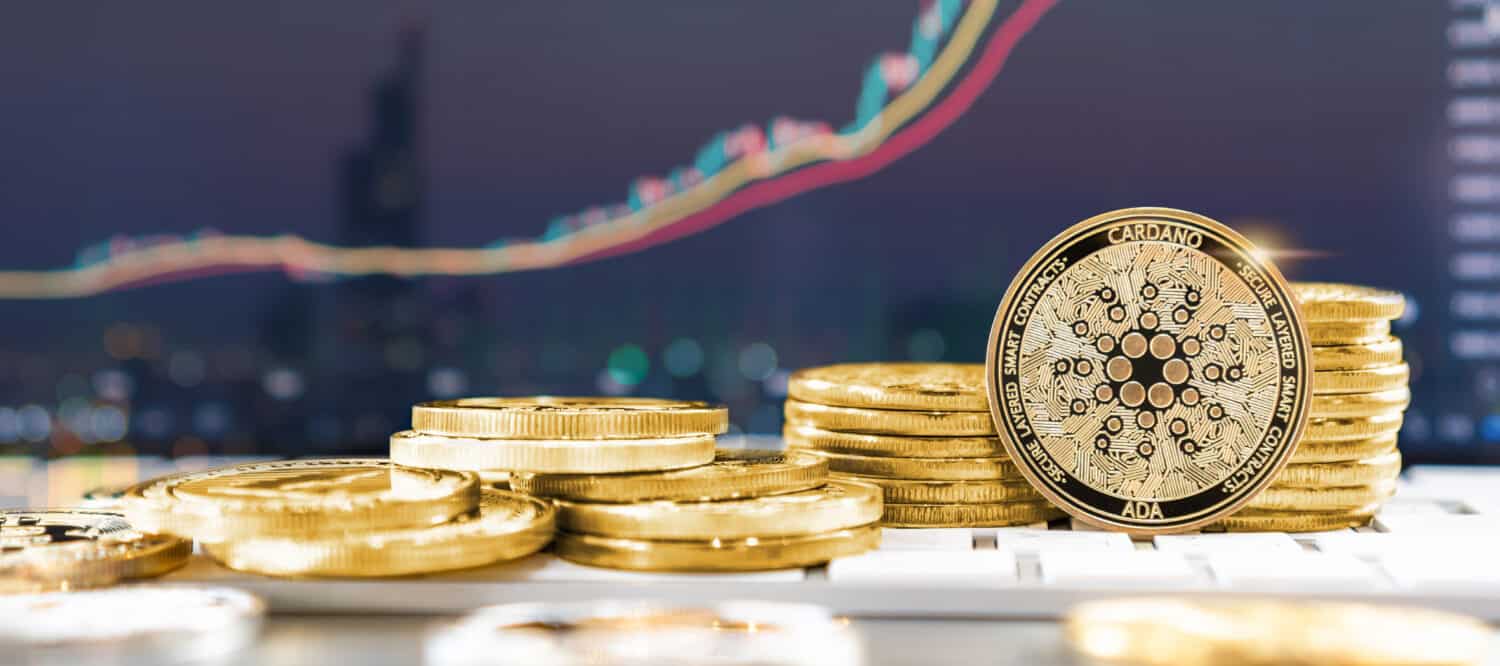
The primary driver behind Cardano’s impressive rally is its recent development in payment technology. Cardano has joined x402, an open standard that lets software and AI agents make payments for online services with a simple web request. The Cardano Foundation unveiled this news on September 21. This means AI agents can now pay for data requests with ADA or a Cardano stablecoin without an account or API key.
However, Cardano’s payment system has completed only one transaction on its test network, where the coins have no real value. Developers can start using the feature, but AI agents haven’t yet begun making payments with ADA.
Cardano’s price surge was also fueled by a short squeeze. Many traders who had bet against ADA were forced to buy back their positions as the price rose, adding further upward pressure. This type of forced buying continues until all short positions are covered.
XRP Already Handles the AI Payments That Cardano Is Just Testing
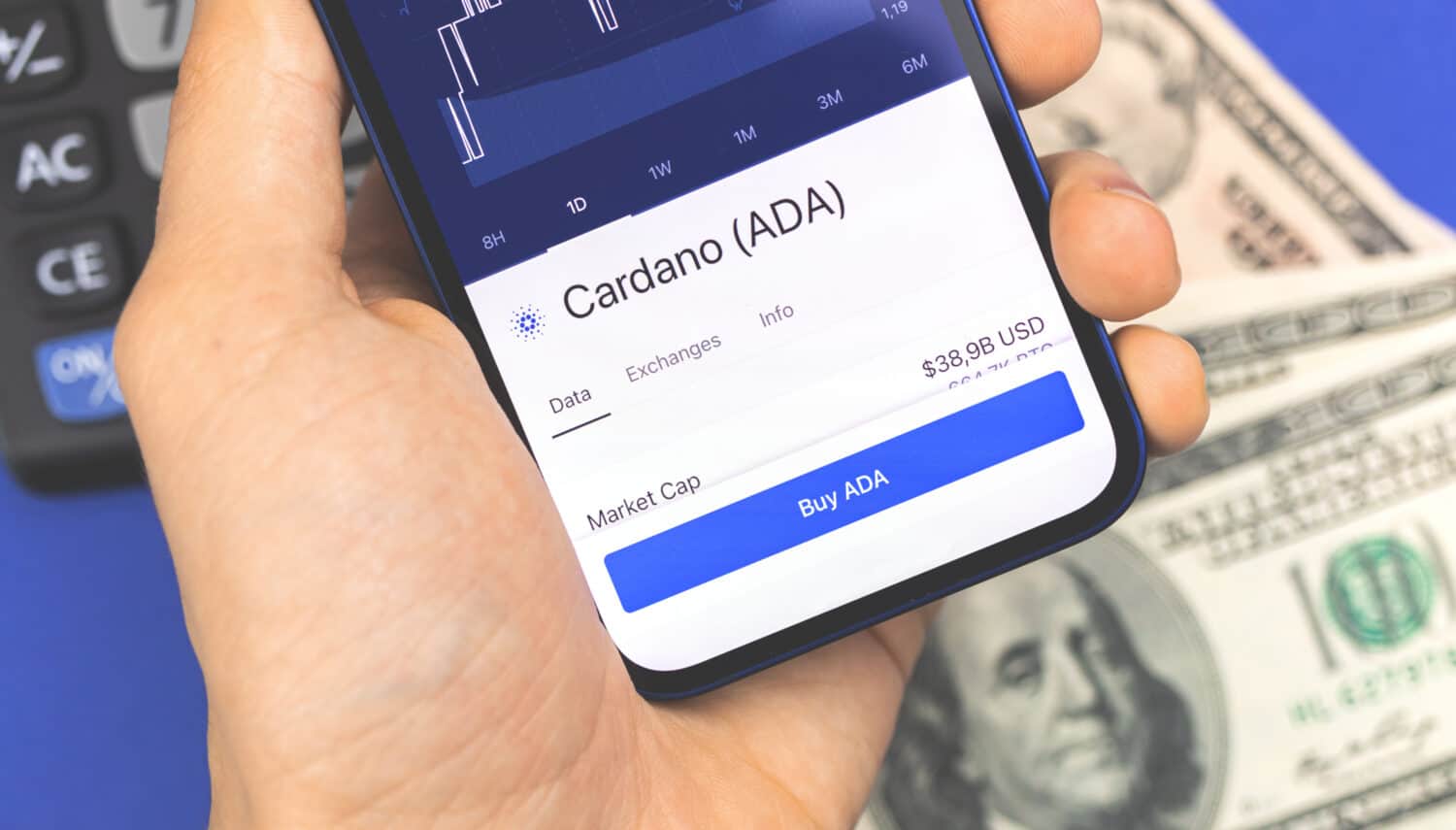
In contrast, the XRP Ledger has been processing AI-agent payments using the x402 standard at scale for some time now. In fact, the ledger has completed over 1.4 million AI-agent transactions, surpassing the 1 million milestone by July.
Cardano is starting from a disadvantage compared to other networks like Base and Solana, where Coinbase, which created x402 in 2025 before transferring it to the Linux Foundation, has reported over 100 million x402 payments.
Thus, while Cardano’s recent surge is based on a feature it has only tested, XRP already supports that functionality, making it a more established choice right now. For Cardano to sustain its rally, it will need to successfully deploy its payment system on the mainnet soon; any delays could significantly retrace this 30% gain.
XRP Has Lost Less in 2026, and U.S. Funds Hold $1.4 Billion of It
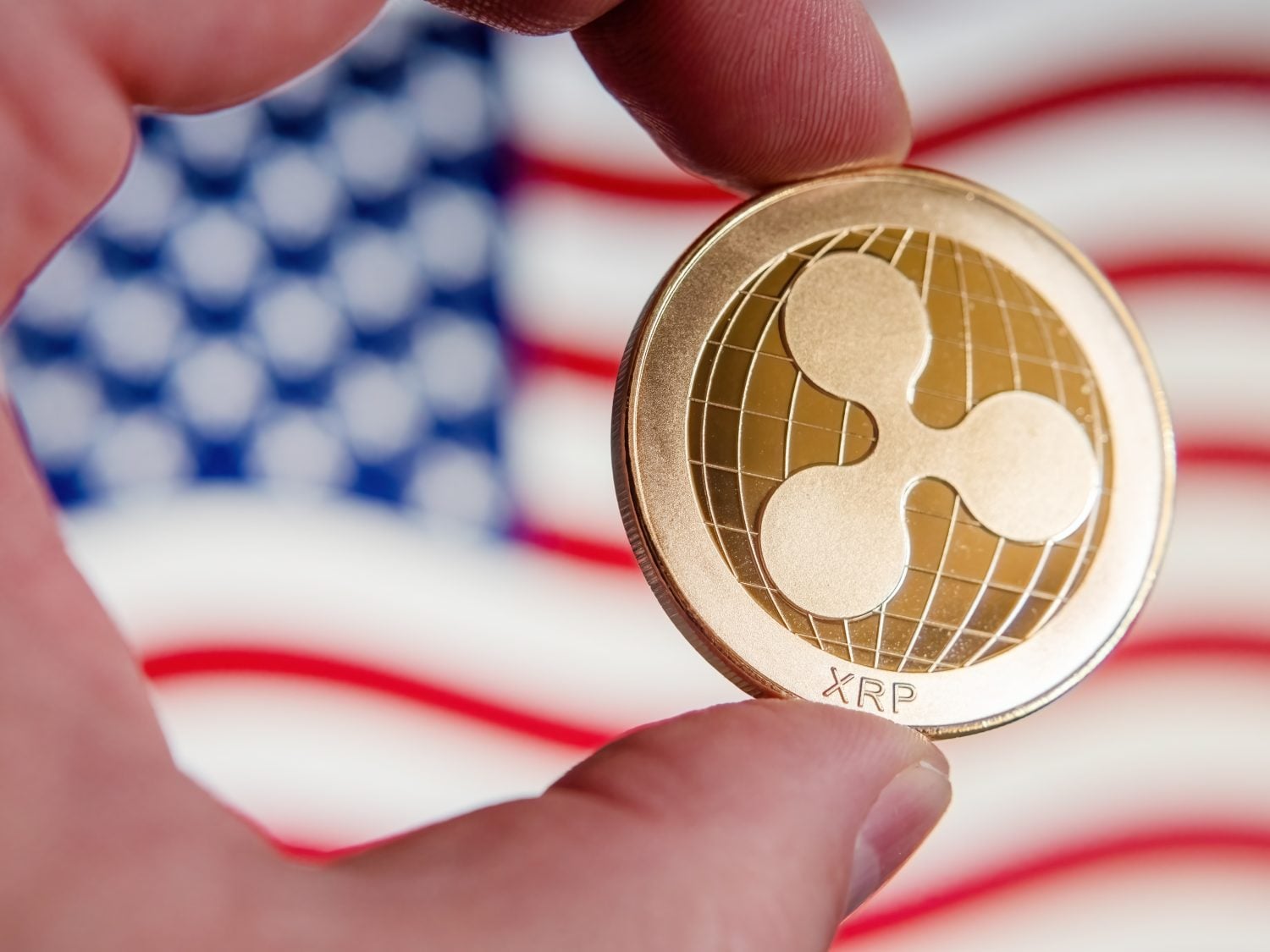
So far in 2026, XRP has lost 13.9%, while Cardano has dropped 23.5%. This means that an investor who chose XRP in January has lost about 10 percentage points less than those who invested in Cardano. Additionally, XRP enjoys strong institutional interest, particularly in the U.S., where spot XRP ETFs have accumulated around $1.71 billion since their launch in November 2025, holding about $1.4 billion of XRP.
XRP’s recent week also benefited from a short squeeze, as exchanges liquidated around $300 million worth of short positions across the market in just one hour on September 21. Before this squeeze, XRP had one of the most crowded short positions among major coins.
While the recent contract launch on the Moscow Exchange on September 22 may seem advantageous for XRP, it’s worth noting that the contract settles in rubles and does not actually purchase or hold XRP itself. The exchange has set its margin at 43%, marking XRP as the riskiest option among the five coins listed.
So Which Is the Better Buy, XRP or Cardano?
Based on the recent data, XRP appears to be the more favorable choice as of September 23. It already processes the AI-agent payments that Cardano is still testing, has had a smaller decline in 2026, and boasts $1.4 billion held by U.S. funds. Despite Cardano’s impressive 30% surge, it is mainly driven by a test transaction and a short squeeze, both of which can be fleeting.
However, remember that while XRP benefits from institutional backing, its recent surge is also linked to a short squeeze. If Cardano successfully launches its x402 payments on the mainnet and shows real transaction volume before the year ends, it could boost investor confidence. Conversely, if XRP falls below $1.30—its starting point for the week—it could narrow its lead and weaken its investment proposition.
Contact [email protected] for any questions or corrections.
Sam Daodu is a crypto analyst who's spent nearly a decade making blockchain understandable—no easy task when most whitepapers read like fever dreams. He writes for 24/7 Wall St., covering Bitcoin, altcoins, and crypto market analysis for investors. Before crypto, he was a tech writer (back when explaining "the cloud" was peak innovation). Since 2018, he's written for CoinTelegraph, Yahoo Finance, The Block, Cryptonews, Zypto, Rain, and more—basically anywhere people want crypto news without the headache. Sam runs MacLabs Marketing, a content agency for crypto brands tired of sounding like AI wrote their website. He also publishes free crypto education on his site for Web3 enthusiasts who think "gas fees" is a typo. When he's not writing or staring at charts, Sam's either: - Watching anime (currently convinced One Piece has better tokenomics than most altcoins) - At the gym sculpting himself into a Greek god - Listening to the music your mum warned you only bad boys listen to Connect: LinkedIn | Email | MacLabs Marketing