Solana Co.’s Joseph Chee Tells the Wall Street Journal: China Will Find a Way to Manage Crypto. What Happens If China Reopens?
A top executive at a Solana treasury company told the Wall Street Journal that China will find a way back into crypto, but the rules Beijing might actually adopt could mean far less new money flows into SOL than investors…

This post may contain links from our sponsors and affiliates, and Flywheel Publishing may receive compensation for actions taken through them.

Joseph Chee, the executive chairman of Solana Co. (NASDAQ: HSDT), recently shared his thoughts with the Wall Street Journal about China’s potential approach to cryptocurrency regulation. Despite years of strict regulations, Chee believes China will eventually find a way to manage crypto. If he’s right, a relaxation of China’s crypto ban could let mainland buyers back into the market for Solana (CRYPTO: SOL) and other major cryptocurrencies.
However, Chee leads a company focused on buying and holding SOL. Therefore, a larger cryptocurrency market could directly benefit his business. As of now, the Chinese government has not announced any changes to its existing bans on domestic crypto trading and mining.
SOL trades near $121 as of October 4, down 2.6% over the past week, after a substantial 48% increase in the third quarter. So, what might a reopening mean for SOL holders?
China Has Banned Crypto Trading Since 2021 While Hong Kong Opened Up
In 2017, Beijing banned initial coin offerings and crypto fundraising. The situation worsened in 2021 when the Chinese government declared crypto transactions illegal and intensified its crackdown on mining. However, Hong Kong introduced a licensing regime for retail crypto investors in 2023, allowing platforms like OSL to facilitate retail trading.
Chee mentions that Hong Kong could serve as a testing ground for potential changes in mainland policy. This dual-track approach allows mainland China to maintain strict regulations while Hong Kong experiments with looser rules, giving Beijing a chance to observe the outcomes.
Beijing Could Manage Crypto in Ways That Keep Most Buyers Out
Even if China decides to regulate crypto, it might still restrict access to most individuals. The government could allow only licensed venues under close state surveillance, or provide access to funds and financial firms while keeping individuals out. Other possibilities include permitting individual trading with limits and eligibility criteria, or allowing people to hold cryptocurrencies without the option to buy or sell on domestic platforms.
Each scenario counts as a form of crypto management but could attract a different number of new buyers. For instance, a system that only allows holding might not significantly impact demand, while a licensed retail market could have a much greater effect. Chee hasn’t specified which approach he anticipates.
A China Reopening Could Bring Less New Money Into SOL Than It Seems
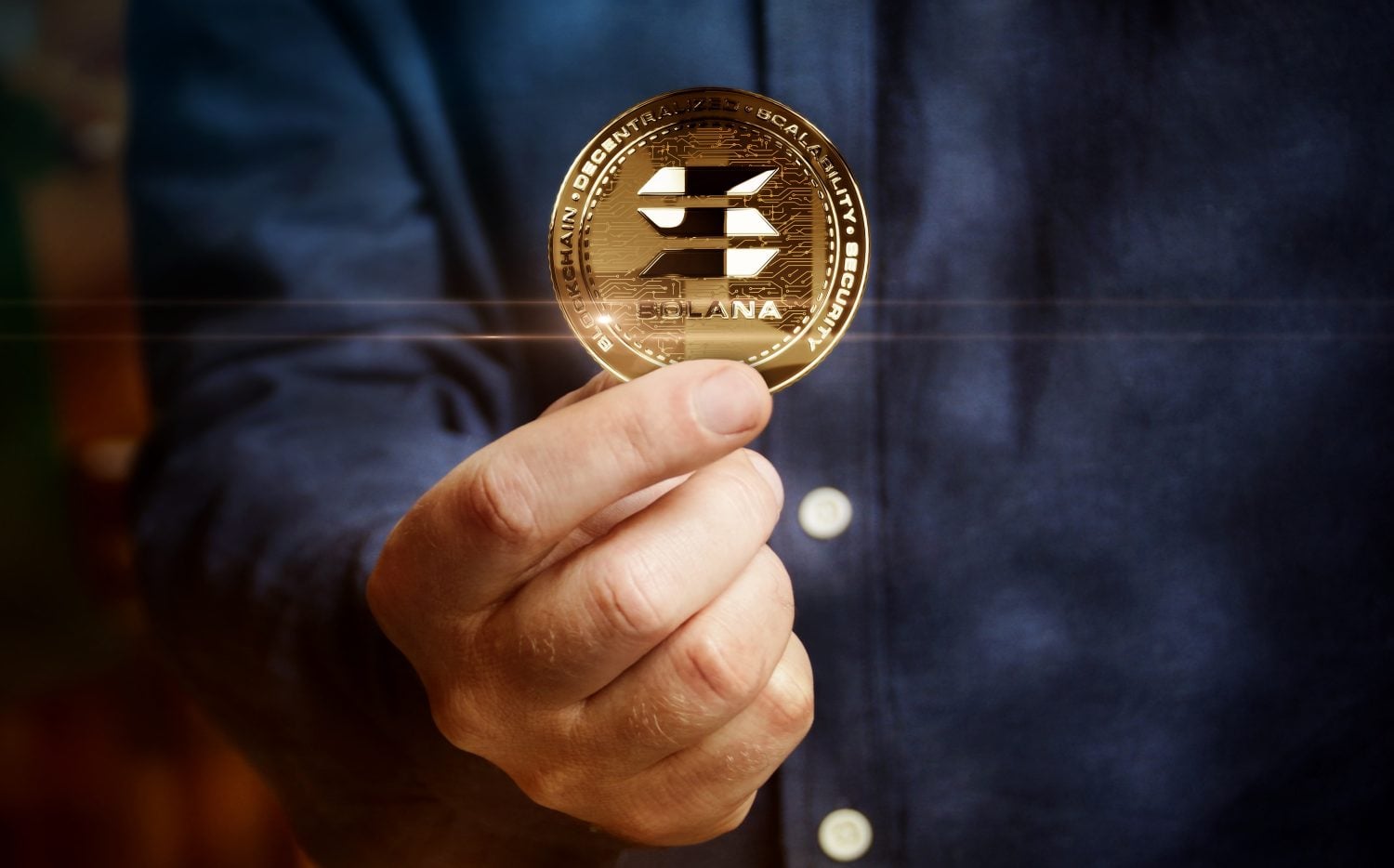
The argument for a substantial impact hinges on the size of the Chinese market, which is the largest with restricted access to crypto. Even a small opening could channel new investment through legal channels, attracting exchanges, custodians, and brokers that currently can’t serve mainland customers. This new money may further enhance demand for SOL, which has also drawn inflows into Solana ETFs every week since late June.
However, Chinese buyers have used indirect methods to access crypto for years. For instance, Binance once counted China as its largest market, despite the ban. Thus, some of the demand a reopening might unlock could already exist in the market, meaning that official channels may shift existing buyers rather than attract entirely new money.
Unfortunately, there’s no reliable measure of this indirect flow, making any prediction about the financial impact of a Chinese reopening speculative.
What Happens to Solana If China Eases Its Crypto Ban?
At this point, Chee’s comments are interesting but should be taken with caution. While they present a reasonable long-term perspective, they also come from an executive whose company stands to gain if more funds flow into SOL. So far, Beijing has not issued any official rules indicating a policy shift.
If China decides to reopen, the specific rules could determine whether SOL sees a surge in new buyers, a modest increase, or mainly a shift of existing buyers into official channels.
Ultimately, SOL holders may have to wait for clear signals, such as formal regulations from Chinese authorities that would license crypto venues or open access to particular investor groups. Until such announcements are made, can any discussions about easing the China crypto ban meaningfully influence SOL’s performance?
Contact [email protected] for any questions or corrections.
Sam Daodu is a crypto analyst and the editor of 24/7 Wall St.'s Crypto Desk, where he covers Bitcoin, XRP, Ethereum, Solana and the altcoins investors search for most. His work focuses on price levels, spot ETF flows, on-chain data and the regulatory decisions that move crypto markets, written so a first-time buyer and a seasoned trader can both use it.
Sam has written about crypto professionally since 2019 and has published more than 2,000 articles. Before joining 24/7 Wall St., he wrote for crypto media outlets and Web3 companies and ghostwrote for crypto founders and token launches. His analysis is syndicated on Yahoo Finance, MSN and AOL and has been cited by other crypto news sites. He also founded MacLabs Marketing, a content and personal branding agency for crypto founders and executives.
When he isn't reading charts, Sam is usually at the gym or watching One Piece, a series he maintains has better tokenomics than most altcoins.