Michael Saylor Cheered a Rival’s $280 Million Bitcoin Buy Despite His Own Company Buying 85% Less the Same Week.
Michael Saylor publicly cheered a Bitcoin purchase from a company that directly competes with his own, the same week his firm spent far more money on something other than Bitcoin. The reasons behind both moves raise uncomfortable questions about corporate…

This post may contain links from our sponsors and affiliates, and Flywheel Publishing may receive compensation for actions taken through them.

In an exciting development in the cryptocurrency space, Strive (NASDAQ: ASST), a publicly traded company that holds Bitcoin (CRYPTO: BTC) as its primary treasury asset, purchased 3,311 BTC for approximately $280 million, as disclosed on October 13, 2026.
This purchase marks Strive’s largest acquisition since January and raised questions about who is actively buying Bitcoin—especially since it occurred the same week a major competitor, Strategy Inc. (NASDAQ: MSTR | MSTR Price Prediction), directed most of its funds elsewhere.
While Strive made headlines with its substantial buy, Strategy only acquired 250 BTC for $21.5 million that week, which is roughly 92% less than what Strive spent. Instead, Strategy allocated $192.4 million toward repurchasing its preferred shares. Strategy now holds 848,250 BTC.
Interestingly, Michael Saylor, Strategy’s executive chairman, praised Strive’s significant purchase, according to press reports, though we haven’t seen the text of his post. With Bitcoin trading around $83,290, these two contrasting filings depict different trends in corporate demand for the cryptocurrency.
Strive Funds Its Largest Bitcoin Purchase Since January With Warrant Cash
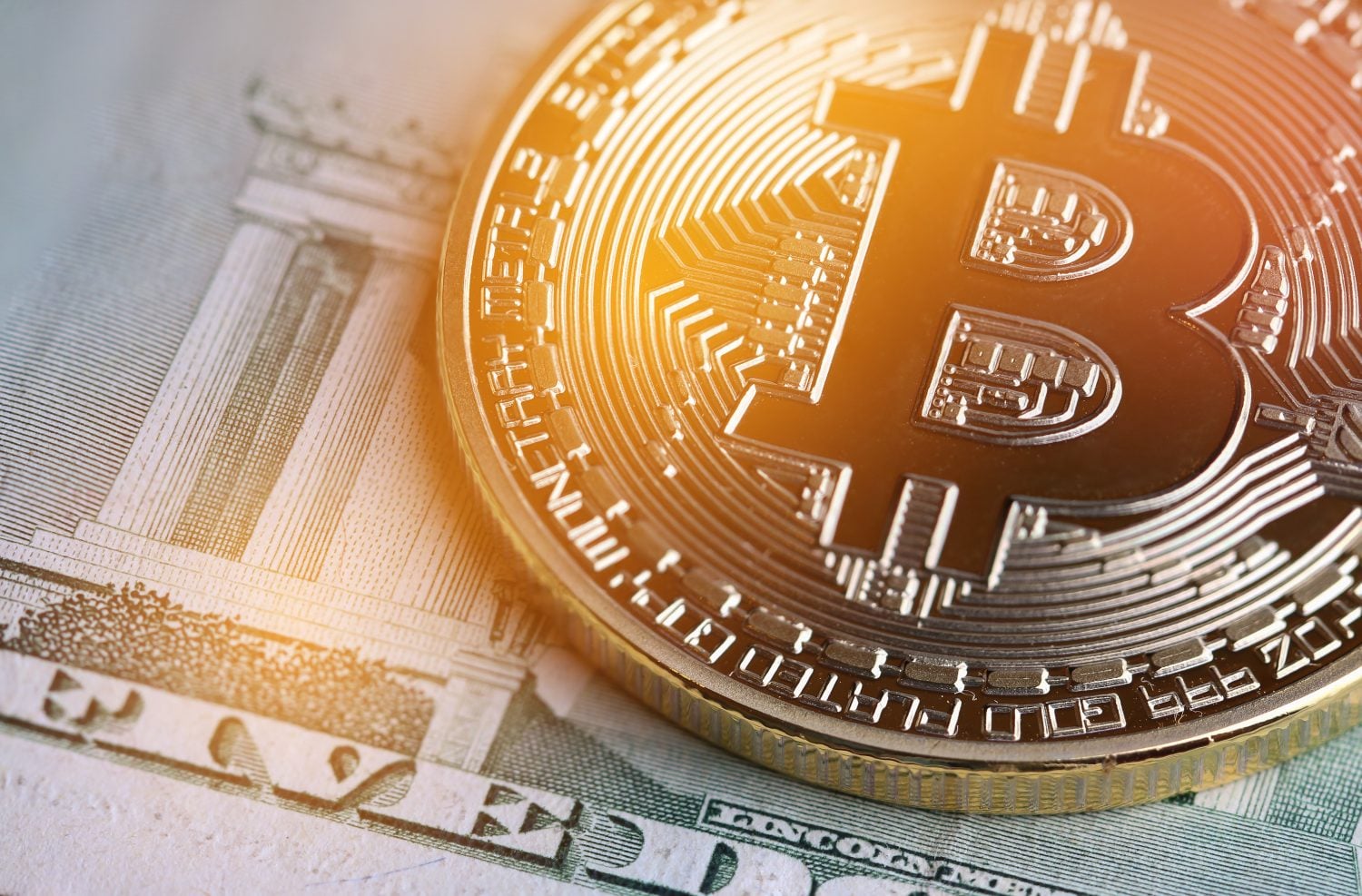
Strive’s Bitcoin holdings rose about 11%, from 29,462 BTC to 32,773 BTC, valued at about $2.7 billion based on the October 9 Bitcoin price of $82,300. Strive operates as a structured finance company with Bitcoin as its benchmark; any other investment must outperform simply holding the cryptocurrency.
Strive Asset Management, a subsidiary and SEC-registered investment adviser, manages client funds. Strive also completed a merger with Semler Scientific and finances its Bitcoin purchases by selling Class A common stock and perpetual preferred shares.
Most of Strive’s buying power came from about $208 million in Strive warrants that investors exercised. A warrant lets the holder buy shares at a predetermined price before a specific date, providing cash to the company when exercised. However, the remaining $15.3 million worth of warrants expired at 5 p.m. Eastern on October 13.
Strive’s $100 Preferred Floor Limits Future Fundraising

Strive has also established a minimum offering price of $100 for its perpetual preferred shares in its governing documents. This type of stock never matures, and dividends are paid before common shareholders receive anything. The price floor protects existing investors from dilution, since Strive cannot raise cash quickly by issuing new shares below $100, which could lower value for current holders.
Strive funded its recent Bitcoin purchase with fresh investor capital, so future acquisitions will depend on how much more it can raise. With the warrants now expired, Strive may need to sell preferred shares at $100 or above or issue new common stock, which would spread ownership over more shares.
Strategy Spent Nearly Nine Times More on Buybacks Than on Bitcoin

Claiming to be the world’s largest institutional holder of Bitcoin, Strategy also runs an enterprise analytics software business. When a company buys back its own stock, it uses cash to repurchase shares previously sold. This practice reduces the number of outstanding shares and the dividends owed on them, which can increase value for remaining shareholders.
However, when a treasury company spends more on its own securities than the asset it was designed to hold, it suggests it sees better value in its own securities. While drawing this conclusion from two weekly filings may be premature, Strategy hasn’t announced a policy prioritizing buybacks over Bitcoin purchases. One could view this spending as a lack of confidence in Bitcoin, but the company’s filings don’t confirm this interpretation.
The reports of Saylor welcoming Strive’s acquisition take on a new angle. Saylor’s company competes directly with Strive for investors seeking Bitcoin as a treasury asset, and Strive holds some of Strategy’s preferred stock, so the two companies’ fortunes are intertwined. Without a direct statement, we can only note that the chairman of the company buying less publicly acknowledged the one that bought more.
Meanwhile, Strive’s 32,773 BTC brings it close to a large public miner with 35,303 BTC. A company that previously held 29,462 BTC is now nearing the reserves of a business that actively produces the cryptocurrency.
So, who is still buying Bitcoin?
Smaller treasury companies like Strive continue to invest in Bitcoin; however, recent filings don’t give Bitcoin holders strong reasons to expect a substantial price rise. The most aggressive buyer in this scenario was a smaller firm utilizing one-time warrant funds, while the largest holder redirected most of its cash toward its own preferred stock. With Bitcoin trading roughly 34% below its $126,080 peak, the recent corporate buying activity won’t guarantee future trends.
Contact [email protected] for any questions or corrections.
Sam Daodu is a crypto analyst who's spent nearly a decade making blockchain understandable—no easy task when most whitepapers read like fever dreams. He writes for 24/7 Wall St., covering Bitcoin, altcoins, and crypto market analysis for investors. Before crypto, he was a tech writer (back when explaining "the cloud" was peak innovation). Since 2018, he's written for CoinTelegraph, Yahoo Finance, The Block, Cryptonews, Zypto, Rain, and more—basically anywhere people want crypto news without the headache. Sam runs MacLabs Marketing, a content agency for crypto brands tired of sounding like AI wrote their website. He also publishes free crypto education on his site for Web3 enthusiasts who think "gas fees" is a typo. When he's not writing or staring at charts, Sam's either: - Watching anime (currently convinced One Piece has better tokenomics than most altcoins) - At the gym sculpting himself into a Greek god - Listening to the music your mum warned you only bad boys listen to Connect: LinkedIn | Email | MacLabs Marketing