Dogecoin Is 89% Below Its ATH. Should You Sell at a Loss or Hold for the Next Cycle?
Dogecoin investors sitting on massive losses face a decision that goes far beyond simply waiting for a recovery, and the choice they make now could affect their tax bill, their portfolio, and their financial future for years to come.

This post may contain links from our sponsors and affiliates, and Flywheel Publishing may receive compensation for actions taken through them.
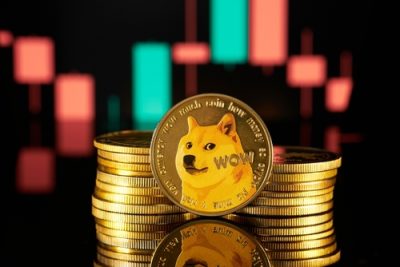
A $1,000 investment in Dogecoin (CRYPTO:DOGE) at its May 2021 peak is now worth about $109, an 89% loss. Anyone still holding from that peak faces a tough choice, more than just watching their investment drop. DOGE trades around $0.08, down sharply from its record high of nearly $0.73, and has fallen about 15% over the last month. Despite this, Dogecoin remains the 12th largest cryptocurrency by market value.
Many investors feel stuck. One Reddit user wrote, “Bought DOGE and at a loss,” to which another chimed in with classic advice: “Every time you buy, it dips. So you keep buying. Eventually, you become rich.” In another thread, a user cautioned against selling low and buying high, reminding others that “if you keep buying high and selling low, you’ll eventually lose all your money.”
Your pride isn’t the only thing at stake. A realized loss can help reduce your tax burden, whereas an unrealized loss ties up your cash in an asset that’s dropped 58% in a year. So, should you lock in your Dogecoin loss now, or hold out for the next cycle? Will either choice put you in a better financial position in five years?
DOGE Needs an 815% Rally to Break Even
When you bought Dogecoin for $1,000, you received about 1,367 DOGE. To break even, that amount would need to rise by around 815%. Each point of decline reduces the base amount that needs to recover.
| DOGE price | Value of the 1,367 DOGE |
|---|---|
| Current: about $0.08 | $109 |
| $0.10 | $137 |
| $0.25 | $342 |
| $0.50 | $683 |
Even reaching $0.50 wouldn’t get you back to break-even, and DOGE hasn’t traded anywhere close to that price in years. Its highest close over the past year was only about $0.19.
Dogecoin has faced significant falls before. It dropped to around $0.0176 in January 2018 and fell further to about $0.0019 by January 2019, an 89% drop with no recovery in sight, even a year later. However, the 2021 surge took DOGE past its 2018 highs.
The current slump is lasting longer, and DOGE is underperforming compared to its peers. Over five years, DOGE has dropped about 70%, while Bitcoin (CRYPTO:BTC) has increased by about 31%. Patience paid off during the last cycle, but only because a market frenzy carried it up.
A DOGE Rebound Relies on Another Meme Surge
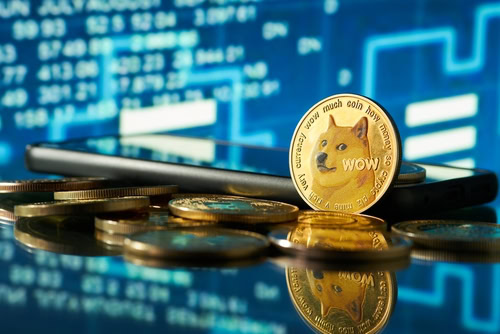
Meme coins like DOGE often surge when traders’ risk appetite returns. In the last 90 days, DOGE has risen about 15%. However, a significant rally may only slightly lessen the current loss. In an optimistic scenario, if the overall crypto market rises by 50%, DOGE might reach around $0.108, just above the $137 value it would hold at $0.10.
This approach may suit those who consider their DOGE investment as money they can afford to lose and who are willing to wait years for another market frenzy.
A DOGE Sale Turns the Loss Into a Tax Write-Off
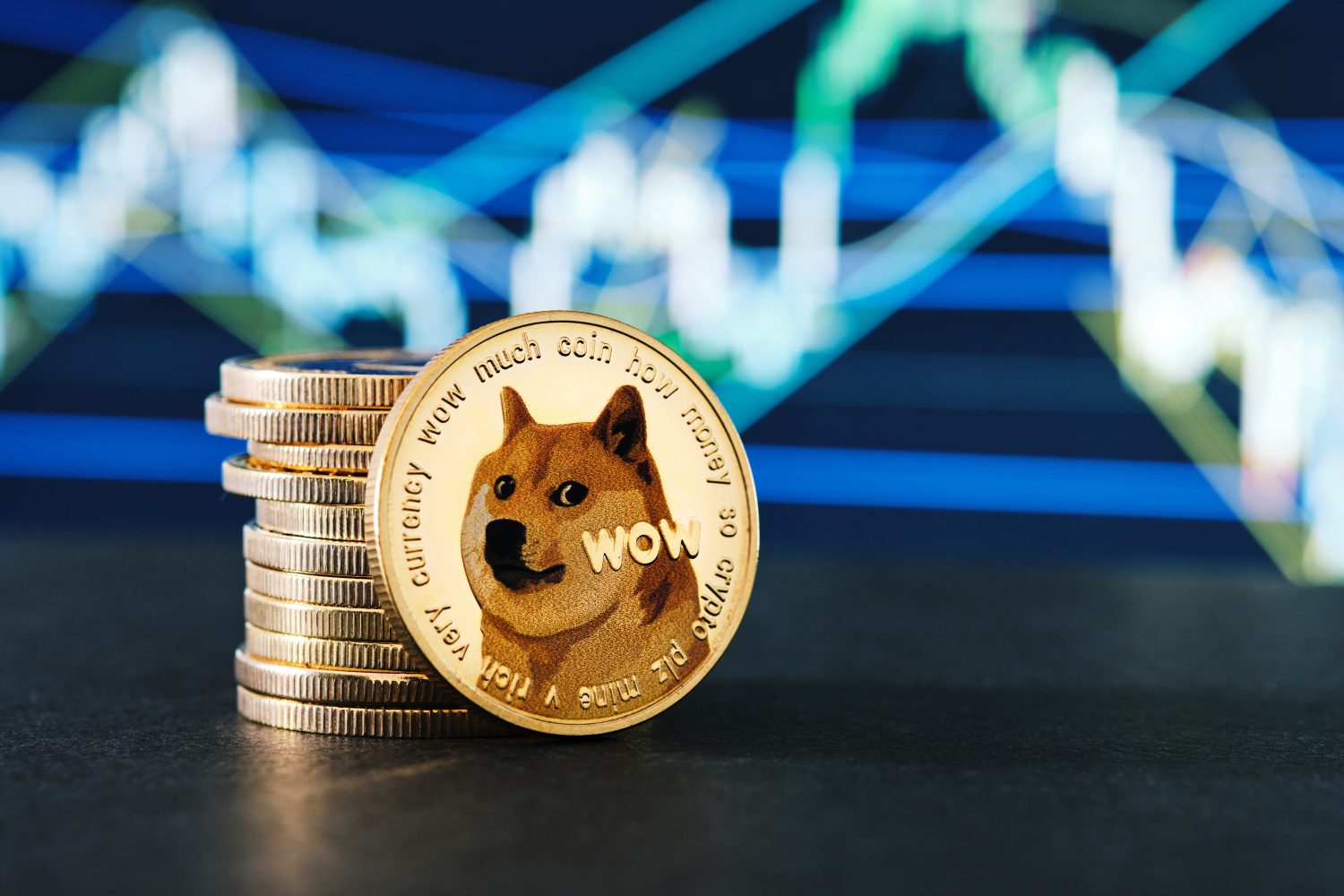
Selling your DOGE turns a paper loss into a capital loss. If your overall losses exceed your earnings, the IRS lets you deduct the difference from your ordinary income, up to $3,000 a year ($1,500 if married and filing separately), and you can carry forward any leftover loss. For instance, the $891 loss could help offset gains you might have elsewhere.
The federal wash-sale rule blocks capital losses when an investor repurchases substantially identical “securities” within 30 days of the sale. However, since the IRS classifies digital assets as property, this rule doesn’t currently apply to cryptocurrency. This means you can sell DOGE, realize the loss, and buy it back immediately. But Congress may eventually extend the wash-sale rule to include cryptocurrencies.
Additionally, selling your DOGE can free up cash for investments in assets with stronger fundamentals. Since DOGE has no supply cap, new coins continuously enter circulation, meaning demand must grow just to maintain the price.
Does Selling or Holding Leave You Richer in Five Years?
Your tax situation and investment timeline should guide your decision more than DOGE’s price chart. A realized DOGE loss is most beneficial when it offsets profits from other investments you’ve sold. If you wouldn’t invest in DOGE with new money today, holding onto it is effectively the same as making that purchase every day you wait. The massive 2018 drop required a once-in-a-cycle mania to recover, something no one can predict.
The biggest mistake you can make is holding on just to avoid acknowledging a loss. The loss exists whether you sell now or not. Under current rules, investors can sell DOGE, record the loss, and repurchase the same day since the wash-sale rule doesn’t apply to crypto. However, this option may not last forever. If regulations tighten to cover wash sales in the future, regulators will make the decision for you.
Contact [email protected] for any questions or corrections.
Sam Daodu is a crypto analyst and the editor of 24/7 Wall St.'s Crypto Desk, where he covers Bitcoin, XRP, Ethereum, Solana and the altcoins investors search for most. His work focuses on price levels, spot ETF flows, on-chain data and the regulatory decisions that move crypto markets, written so a first-time buyer and a seasoned trader can both use it.
Sam has written about crypto professionally since 2019 and has published more than 2,000 articles. Before joining 24/7 Wall St., he wrote for crypto media outlets and Web3 companies and ghostwrote for crypto founders and token launches. His analysis is syndicated on Yahoo Finance, MSN and AOL and has been cited by other crypto news sites. He also founded MacLabs Marketing, a content and personal branding agency for crypto founders and executives.
When he isn't reading charts, Sam is usually at the gym or watching One Piece, a series he maintains has better tokenomics than most altcoins.