Ripple’s CEO Says Inflation Will Push Buyers Toward XRP: Does the Data Agree?

This post may contain links from our sponsors and affiliates, and Flywheel Publishing may receive compensation for actions taken through them.
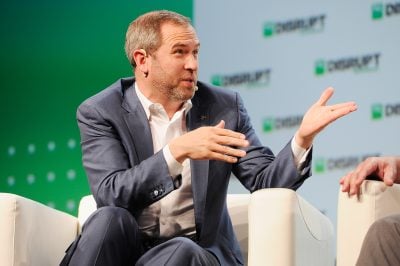
Ripple CEO Brad Garlinghouse said at the Singapore FinTech Festival on November 19, 2026, that he expects interest in XRP (CRYPTO: XRP) to grow over time, especially in countries facing high inflation. He attributed the token’s weak performance to broader market conditions and investors focusing on significant new listings like the Anthropic IPO.
But are buyers in inflation-stricken countries turning to XRP? The numbers below test whether XRP is connected to inflation.
XRP Has Fallen About 70% Priced in Turkish Lira
Turkey is a prime example, as its currency has depreciated for years. In Turkish lira, XRP has plummeted by around 70%, making it clear it has not been an effective hedge for lira savers so far.
In late November, Ripple did sign Turkish bank Yapi Kredi as a custody client, which could help bolster XRP’s position. However, Chainalysis’s 2026 Geography of Cryptocurrency report shows that Turkey’s domestic peer-to-peer stablecoin activity is rising sharply, indicating that savers are favoring dollar-pegged tokens instead.
While XRP makes up about 15% of crypto trading in Japan, inflation there is relatively low. For Argentina and Nigeria, both of which experience high inflation rates, reliable data on XRP’s share of trading is lacking.
U.S. Inflation Keeps Rising While XRP Falls
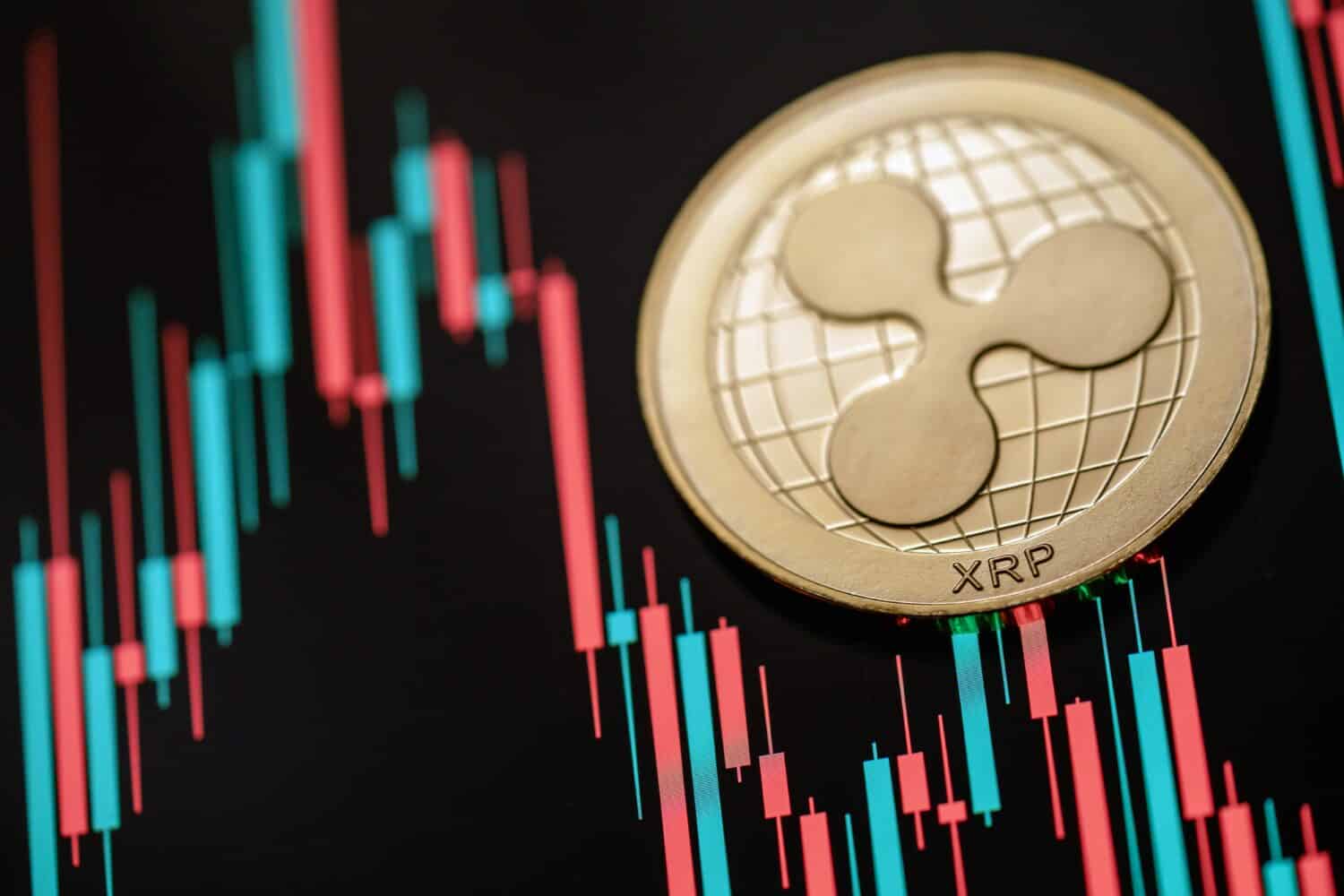
In the U.S., consumer prices rose 0.4% in October, and the M2 money supply hit $23.5 trillion. Despite this backdrop, XRP trades at 95 cents, down 73.8% from its all-time high of $3.65 in July 2025.
Additionally, XRP has dropped 23.6% in November alone, after dipping below $1 and reaching a one-year low of 91 cents on November 20. Therefore, rising prices in the U.S. have not led to increased interest in XRP either.
XRP ETFs Have Lost Almost a Third of Their Assets Since October
Spot XRP ETFs in the U.S. (funds that hold the actual token), including the Bitwise XRP ETF (NYSEARCA: XRP), attracted only about $4.1 million on November 25. This followed several days of outflows earlier in the month.
Even so, total net assets in these ETFs fell dramatically from $1.51 billion on October 28 to $1.04 billion, reflecting a 31.1% decrease. While some of this loss is due to XRP’s lower price, one day of inflows has not been enough to reverse the trend.
Does the Data Support Ripple’s CEO on XRP and Inflation?
The data does not appear to support Garlinghouse’s assertion. In Turkey, buyers have favored dollar stablecoins over XRP, and the token’s largest trading share is found in Japan, where inflation is low.
For those hoping XRP will serve as an inflation hedge, the Yapi Kredi deal may offer future benefits. However, XRP’s returns in lira and its ETF inflows need to turn positive before this claim can be validated. Until then, holders face the risk of a coin that lost 23.6% in November, casting doubt on whether XRP is a wise investment below $1.
Contact [email protected] for any questions or corrections.
Sam Daodu is a crypto analyst and the editor of 24/7 Wall St.'s Crypto Desk, where he covers Bitcoin, XRP, Ethereum, Solana and the altcoins investors search for most. His work focuses on price levels, spot ETF flows, on-chain data and the regulatory decisions that move crypto markets, written so a first-time buyer and a seasoned trader can both use it.
Sam has written about crypto professionally since 2019 and has published more than 2,000 articles. Before joining 24/7 Wall St., he wrote for crypto media outlets and Web3 companies and ghostwrote for crypto founders and token launches. His analysis is syndicated on Yahoo Finance, MSN and AOL and has been cited by other crypto news sites. He also founded MacLabs Marketing, a content and personal branding agency for crypto founders and executives.
When he isn't reading charts, Sam is usually at the gym or watching One Piece, a series he maintains has better tokenomics than most altcoins.