National Guard Deployed Without Governor’s Consent for First Time in 60 Years
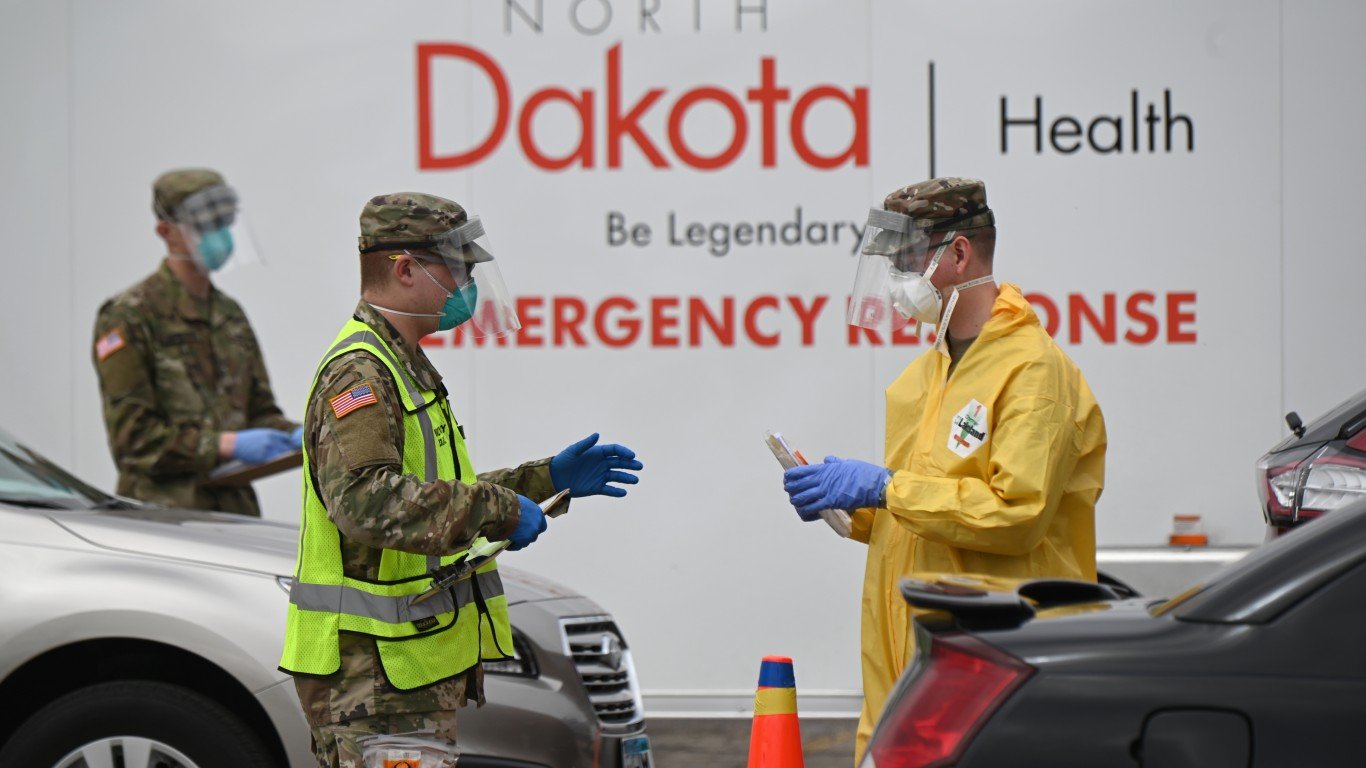
As many as 25,000 members of the National Guard could be in Washington, D.C., for the inauguration of Joe Biden and Kamala Harris on January 20.

President Trump has deployed the National Guard to Los Angeles. This particular deployment took place against the wishes of a state governor, an action that has not occurred in over 60 years. After recent ICE raids resulted in 118 arrests, residents of Los Angeles began anti- immigration protest near the downtown Metropolitan Detention Center. Protesters blocked roadways, though demonstrators reported that almost everyone involved was acting peacefully.
In response to these civilian protests, President Trump deployed 2,000 members of the National guard to California, which Governor Newsom did not agree to. Many have called the deployment unnecessary and likely to escalate tensions at such a divisive time. Legal experts have reminded us that the employment was enacted under Title 10, which means National Guard members are there to protect federal employees, but they cannot act in a law enforcement capacity.
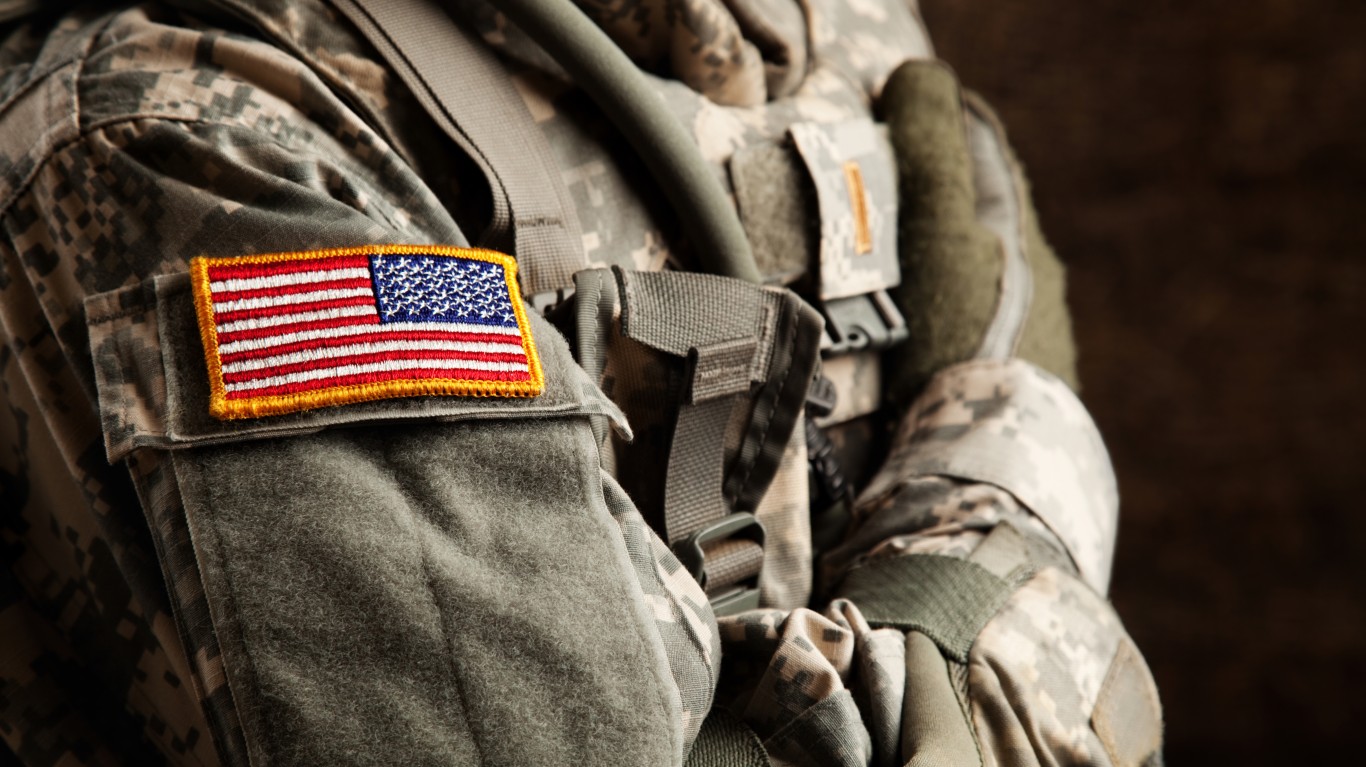
The size of the National Guard varies considerably from state to state. Texas has 21,977 members between the Army National Guard and Air National Guard, and that tops any other state. National Guard units have an unusual reporting structure in that they report to both state governments and the federal government. Members are also members of the Organized Militia of the United States, under General Military Law “Section 246. Militia: composition and classes.” Predecessors of the National Guard date back to 1636. Most members are part-time and have civilian jobs.
Under “32 U.S. Code § 102,” the National Guard is defined, among other things, as “an integral part of the first line defenses of the United States to be maintained and assured at all times.”
The National Guard has been called upon to act as the federal government’s military presence dozens of times and in dozens of places. When the U.S. president uses the guard, it is “federalized.” It was used, for example, on September 24, 1957, by President Dwight D. Eisenhower to protect the “Little Rock Nine” as part of programs to desegregate schools. In that case, the Arkansas National Guard was the body called upon. The California Army National Guard was mobilized by the Governor of California Edmund Gerald Brown Sr. during the Watts Riots in August 1965.
One of the most well-known incidents in National Guard history tarnished its reputation for decades. In 1970, the Ohio Army National Guard was sent to Kent State University by Ohio Governor Jim Rhodes. Members of the guard shot and killed four students.
The California National Guard was used during the 1992 Los Angeles Riots. The Texas National Guard was used during the 1993 Waco siege, which was run by the ATF and FBI. This was another case in which the National Guard was involved in a tragedy that killed a number of people.
Over the years, members of the National Guard have been sent overseas as part of America’s war and international policing efforts. Over 100,000 were sent to Afghanistan and Iraq between 2005 and 2011.
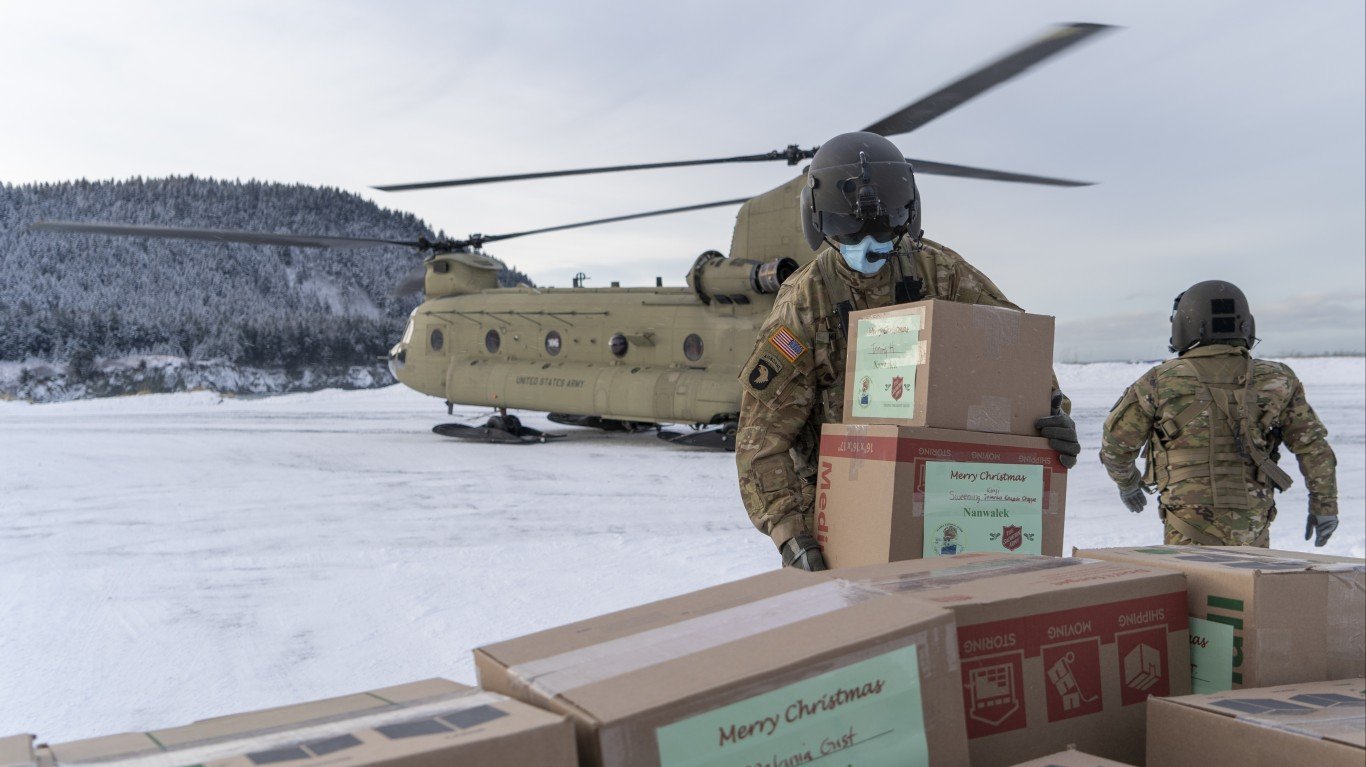
The Texas National Guard is a good example of how the organization works within the states. There are 18,617 Army National Guard members in the state and 3,390 members of the Air National Guard. Members go through 10 weeks of training. The National Guard offers state education financial assistance, college scholarships, insurance, active duty pay, home loans and retirement benefits.
The great majority of the time, the Army National Guard and Air National Guard are invisible. That is not true now.
This post was updated on June 9, 2025 to include details of Trump’s recent National Guard deployment.
Contact [email protected] for any questions or corrections.
Douglas A. McIntyre is the co-founder, chief executive officer and editor in chief of 24/7 Wall St. and 24/7 Tempo. He has held these jobs since 2006.
McIntyre has written thousands of articles for 24/7 Wall St. He is an expert on corporate finance, the automotive industry, media companies and international finance. He has edited articles on national demographics, sports, personal income and travel.
His work has been quoted or mentioned in The New York Times, The Wall Street Journal, Los Angeles Times, The Washington Post, NBC News, Time, The New Yorker, HuffPost USA Today, Business Insider, Yahoo, AOL, MarketWatch, The Atlantic, Bloomberg, New York Post, Chicago Tribune, Forbes, The Guardian and many other major publications. McIntyre has been a guest on CNBC, the BBC and television and radio stations across the country.
A magna cum laude graduate of Harvard College, McIntyre also was president of The Harvard Advocate. Founded in 1866, the Advocate is the oldest college publication in the United States.
TheStreet.com, Comps.com and Edgar Online are some of the public companies for which McIntyre served on the board of directors. He was a Vicinity Corporation board member when the company was sold to Microsoft in 2002. He served on the audit committees of some of these companies.
McIntyre has been the CEO of FutureSource, a provider of trading terminals and news to commodities and futures traders. He was president of Switchboard, the online phone directory company. He served as chairman and CEO of On2 Technologies, the video compression company that provided video compression software for Adobe’s Flash. Google bought On2 in 2009.