How One North Korean Missile Could Cripple U.S. Infrastructure
Modern missile technology has transformed the way nations think about war, as well as strategic deterrence. When we think of missiles, we likely envision explosions. However, in addition to traditional bombs, some weapons are designed to disrupt critical infrastructure on…

Modern missile technology has transformed the way nations think about war, as well as strategic deterrence. When we think of missiles, we likely envision explosions. However, in addition to traditional bombs, some weapons are designed to disrupt critical infrastructure on a massive scale without directly destroying cities. Analysts have long warned that certain types of missile-borne technologies could potentially interfere with power grids, communications networks, and other systems that modern societies rely on every day.
One scenario often discussed by defense experts involves the possibility of a single missile being used to cause widespread technological disruption across America. While such an event is highly theoretical and would depend on many factors to be successful, it highlights how vulnerable modern infrastructure truly is. Understanding the magnitude of these threats helps explain why governments invest in defense, grid protection, and resilience planning.
This post was updated on March 6, 2026.
Why It Matters

Understanding the potential risks posed by advanced missile technologies is important because modern societies depend heavily on interconnected systems like electricity, communications, transportation, and financial networks. Even temporary disruptions to these systems could affect millions of people and slow emergency response, commerce, and everyday life. By examining how such threats might work, policymakers, engineers, and security experts can focus on strengthening infrastructure, improving defenses, and developing contingency plans that help reduce vulnerabilities and keep critical services running during emergencies.
An Unthinkable Threat
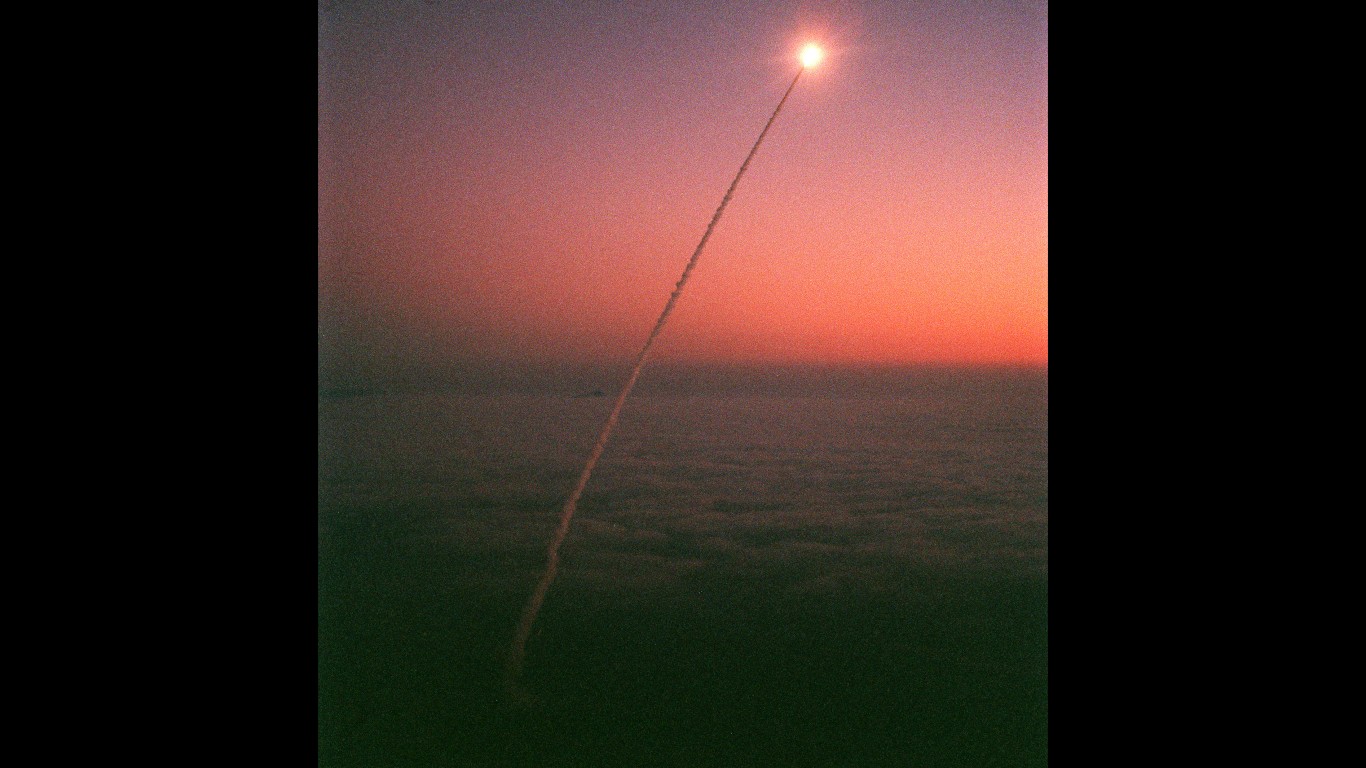
North Korea has been testing ICBMS and growing increasingly proficient at the technology. It isn’t known how accurate and reliable their Hwasong-15 and Hwasong-17 missiles are, but defense analysts do believe North Korea would have a good chance of hitting the U.S. mainland with them. If even a single missile took out a U.S. city, the economy of the country and the world would take a massive hit. But it could be even more damaging to detonate one in space, where not a single person would be killed immediately, but many millions could ultimately die from the sudden loss of technology.
The Effects of an EMP Attack
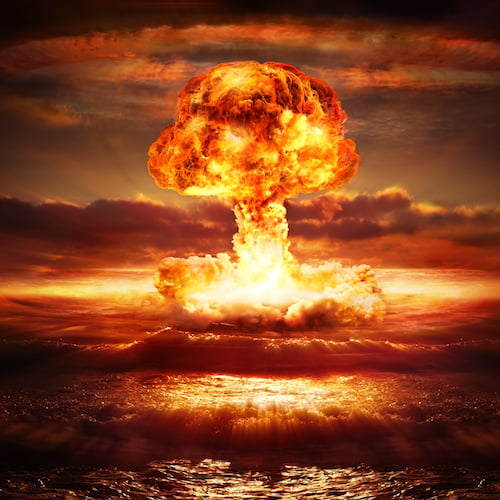
EMP stands for “electromagnetic pulse.” A nuclear explosion sends out a powerful burst of electromagnetic energy. If detonated 250-300 miles above the U.S. in space, the explosion can bathe a whole continent in a surge of electrical energy that would run along power lines and damages power grids, electronics, and communication systems. A powerful enough explosion could generate a power surge of up to 50,000 volts per meter, far beyond the capacity of most electrical systems. Power, phones, transportation, and basic utilities could become inoperable. Personal electronic devices like computers, cell phones, or even your car could be rendered useless.
Not Just Science Fiction
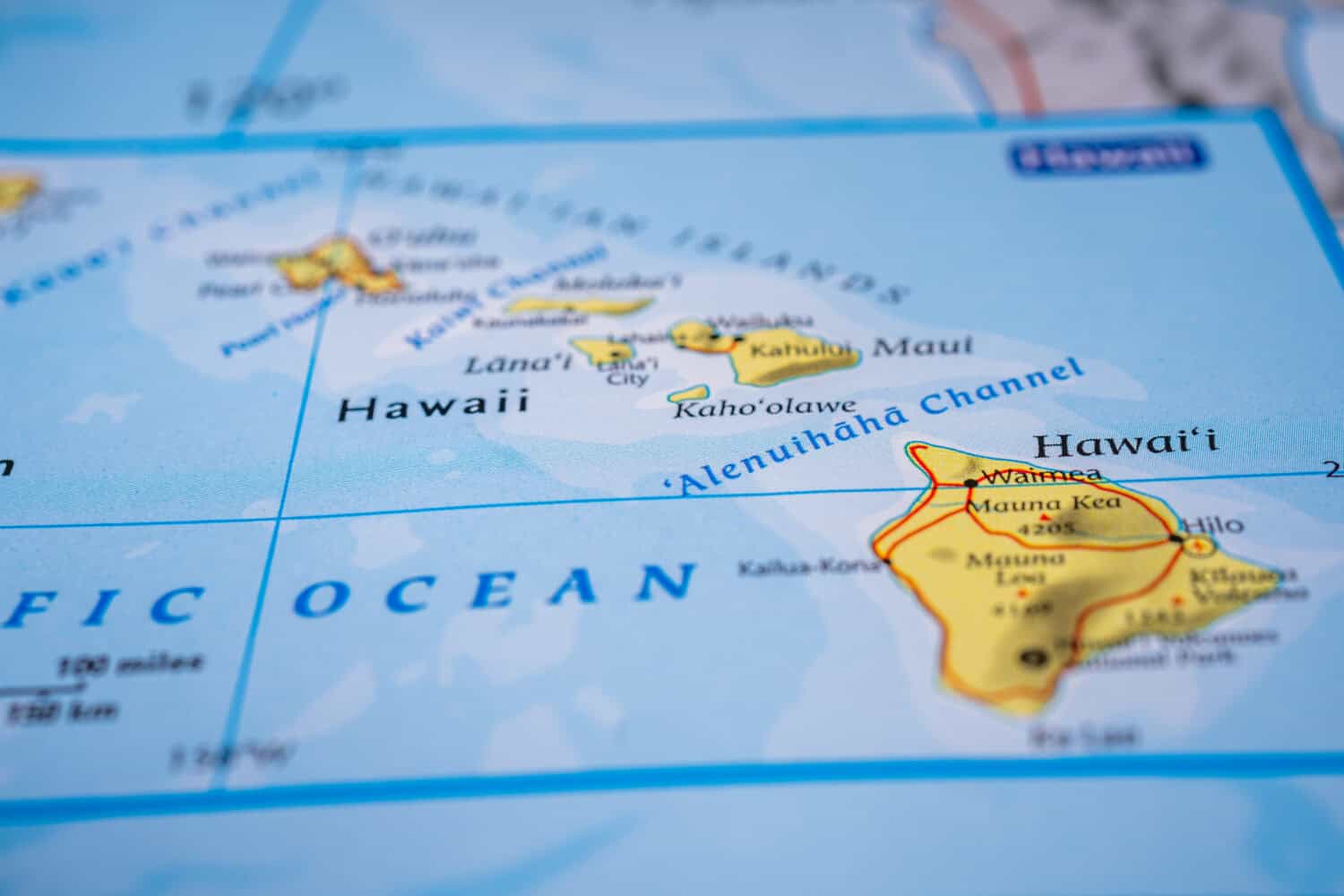
This isn’t just groundless speculation or science fiction. Nuclear tests in the Pacific proved the power of high-altitude nuclear detonations to disrupt ground-based electronics in an area of thousands of miles. The 1962 “Starfish Prime” American nuclear test detonated a 1.4-megaton warhead at an altitude of 250 miles, about the same height as the orbit of today’s International Space Station. It knocked out streetlights and telephone systems in Hawaii, some 900 miles away. This was a relatively small weapon. The effects of a large thermonuclear explosion in space would be much more far-reaching.
Your Morning After an EMP Attack

The first thing you would notice the morning after an EMP attack is that you overslept for work and your house is cold. You’d reach for the light switch and it wouldn’t work. And your phone would be dead, even though it was fully charged before you went to bed. Your smart thermostat has a blank screen. You might think this was all just a power failure. You can’t call in to work, so you’re gonna have to jump in your car and get there in person. But your car won’t start either. Even though its just a regular gas-powered 2009 Toyota Camry, not an electric car. Now you’re worried.
So you jog down to the gas station at the corner to snag some coffee and borrow a phone. The clerk and a handful of confused people are half-talking, half-arguing as you enter. “Hey bud,” the clerk calls out, “nothin’s workin today. Lights, pumps, cash register. Sorry man, I got nothin for you.” “Can I borrow someone’s phone?” you ask, “I gotta call in to work, let ’em know I’m gonna be late.” Three irritated people hold up dead cell phones. “No power, no wifi,” one of them says. Now you’re really worried. And you should be.
Nationwide Effects of an EMP Attack
A major EMP attack would cause failures of most things that run on electricity or microchips. The only exceptions would be older mechanical, manual, non-digital devices. Here’s a few of the things that would be lost:
- Communication devices: Phones, laptops, wifi routers, t.v.s and radios.
- Appliances and tools: Washers, dryers, stoves, microwaves, refrigerators and freezers, dishwashers, hot water heaters, power tools, and battery chargers could all fail.
- Utilities: No heating, air conditioning, hot water. Not only would electrical lighting fail, but rechargeable battery-powered flashlights and other devices would be wrecked by the power surge if they were plugged in at the time it happened. Some solar powered items with circuitry could fail as well.
- Transportation: EMP would affect not only electric cars and scooters, but any car built after the 1980s that relies on computerized systems. GPS would be gone. Ships at sea and planes in the air would lose power and navigation abilities. At any given time there are about 5,000 planes in the air over the United States. That means 100,000+ people would perish in plane crashes within minutes.
- Medical devices: At-home devices like CPAP machines and ventilators, as well as all the complicated medical monitoring and lifesaving equipment in hospitals and clinics could fail. These would have to be kept running with emergency generators . . . if those still worked.
- Banking: How much cash do you have in your wallet right now? Congratulations, that’s all the money you have in the world. Spend it now. Shortly people will realize its worthless and stop taking it. ATMs, credit cards, electronic banking, PayPal—all gone. If you need something, you’re going to have to barter for it . . . or just take it, by force if necessary.
American Social Collapse

The long-term effects of a major EMP attack would be catastrophic. Depending on the weather, millions of people would suffer with life-threatening heat or cold in their homes. Within days, grocery stores would be empty as food distribution networks collapsed. As backup generators ran down, hospitals, water treatment plants, and other vital systems would go offline. Resources would run scarce and theft, home invasions, looting, and rioting would become widespread and uncontrollable. In a worst-case scenario, within a year as many as 300 million people—90% of the U.S. population—could die of exposure, disease, starvation, or acts of violence.
Global Economic Repercussions

Even if no other countries were attacked, the entire world would become destabilized by such a crippling attack on the United States. Here are some possible repercussions:
- Collapse of the Dollar – Foreign countries and corporations in the U.S. and around the world have invested trillions into U.S. Treasury Securities, thinking this was a safe investment. Now those funds will probably never be repaid. The U.S. dollar would no longer be the world’s primary reserve currency and could quite likely lose its value altogether.
- Collapse of Global Trade – The U.S. has the world’s largest economy. In this catastrophe, U.S. imports and exports would slow to a trickle, people would lose their jobs, and corporations would go bankrupt. Global stock markets would crash, with ripple effects through the economy. A massive years-long global depression could be expected.
- Collapse of the Oil Industry – The United States is both the world’s largest producer and consumer of oil. This crisis would disrupt both supply and demand in the U.S. that other oil-producing countries would have to adjust production to account for. This would create new winners and losers in the world economy, along with new political alignments.
The U.S. Military Response
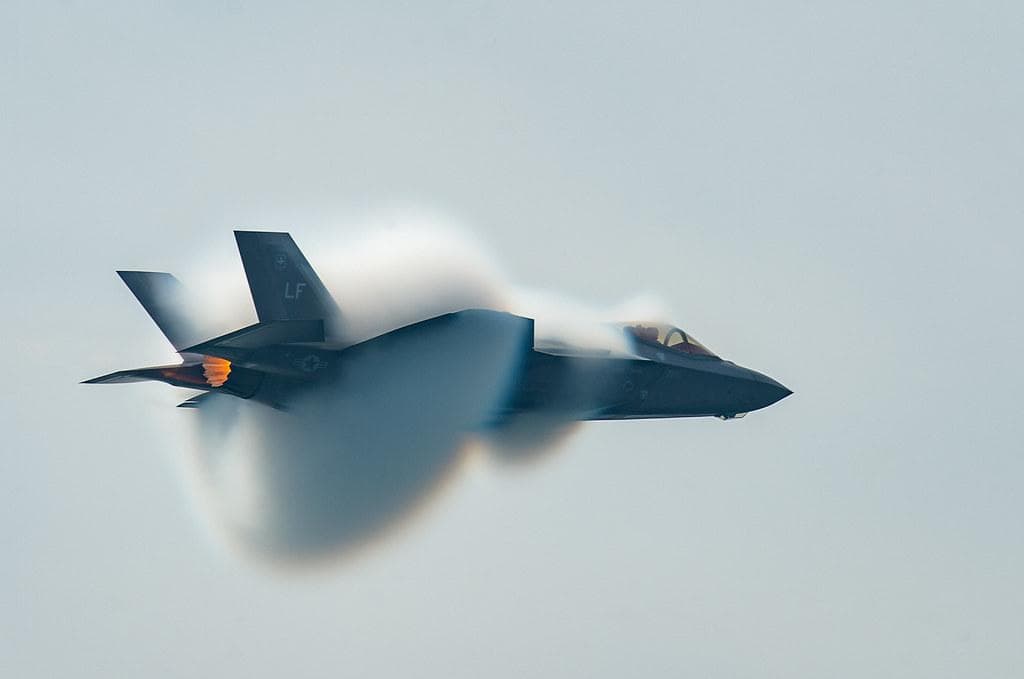
Many but not all U.S. military systems are hardened against EMP attacks. And U.S. military forces as well as civilians outside the affected region, at sea, in the air, or in foreign countries, would be unaffected. This means the United States would have more than enough retaliatory forces at its disposal to prevent further North Korean action and to deter other enemies as well.
Foreign Military Response
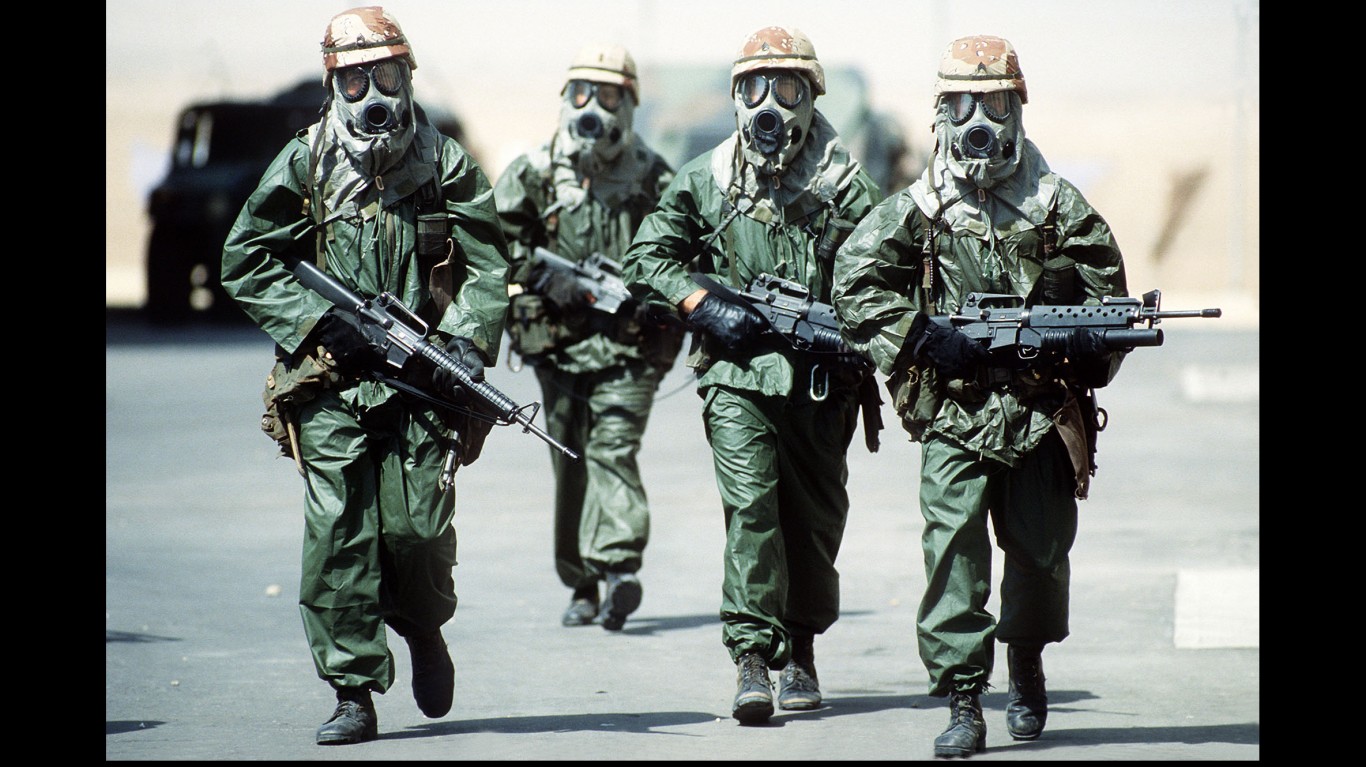
There is no doubt that the President, any President, would order an immediate nuclear retaliatory strike against North Korea that would include any suspected nuclear sites, major military bases and assets to cripple their ability to attack South Korea, and likely the destruction of the city of Pyongyang and other centers of leadership command-and-control and weapons production. If North Korean troops were already moving through mountain passes on invasion routes into the South, the passes would be nuked to close them to ground forces. Unfortunately, this would also mean collateral damage to neighboring countries from fallout.
North Korea would be destroyed as a country and, when radiation levels abated, U.S. and South Korean troops would move north to take control of the territory, bring humanitarian aid, manage refugees, and begin restoring the North as a part of a newly united Korea. Although China intervened in the first Korean War to prevent this from happening, the highly credible threat of an American nuclear attack in this hair-trigger situation would likely cause them to stand down this time and be willing for South Korea to take over the problem of the radioactive wasteland of the North, which would take generations to restore.
Domestic Military Response
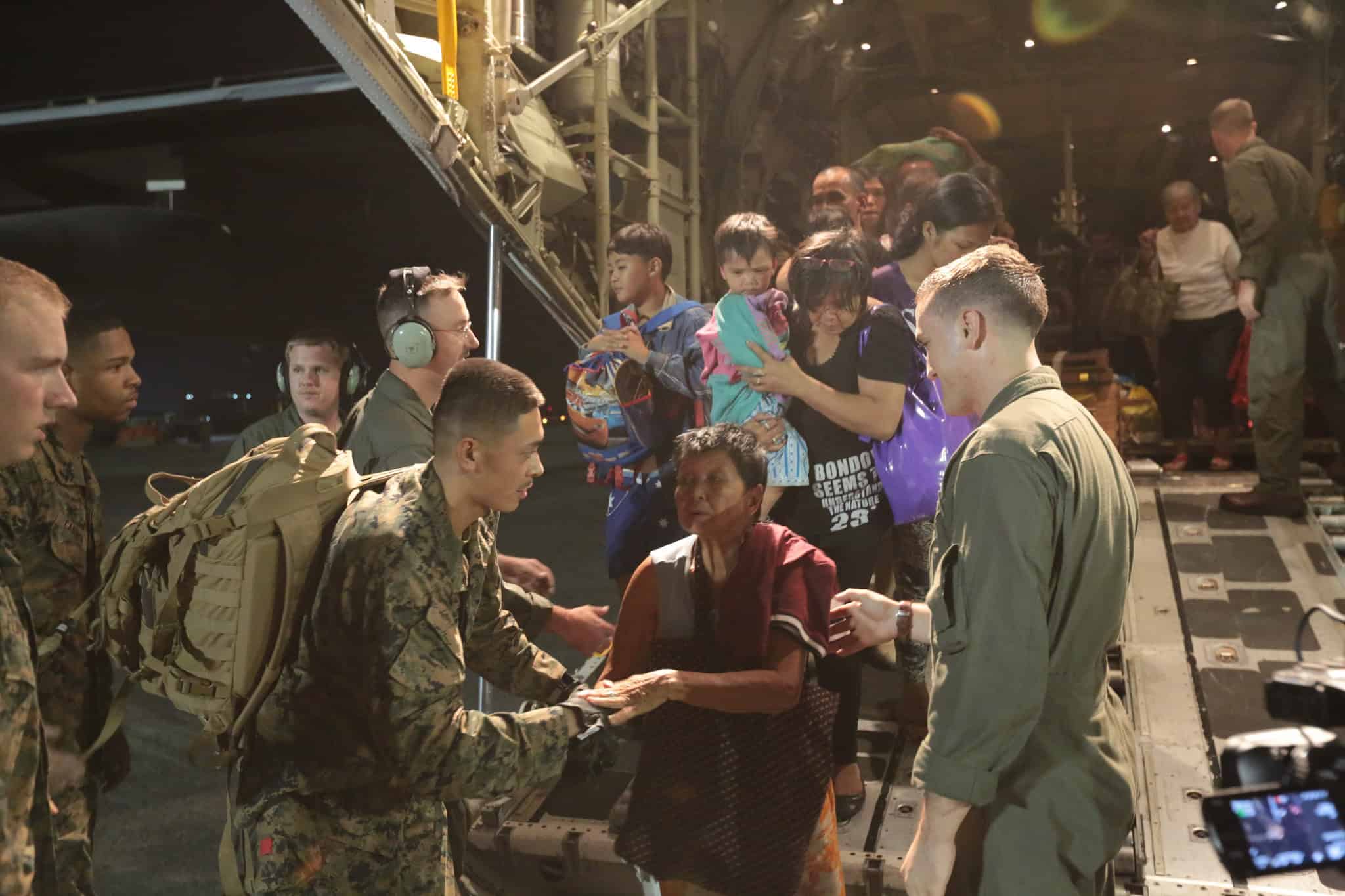
The President, operating initially from the EMP-protected Air Force One, would declare martial law and deploy functioning military forces to supplement local law enforcement to maintain civil order as limited medical care and supplies were rationed. As deaths mounted from civil unrest, insufficient medical care, disease, and starvation, the military would take leadership in the morbid role of mass burials and cremations to prevent further spread of disease.
With the vast majority of its people and cities near the U.S. border, Canada would be in the same boat. Instead, refugees on foot or using older functioning vehicles would navigate traffic jams to the southern border to seek refuge in Mexico and Central America. The armed forces of those countries, trying to keep order, could get into firefights with heavily armed and rebellious American civilians. The U.S. military would likely intervene and in the end take control of those countries and remove immigration controls so that they could become giant refugee sites for tens of millions of Americans.
Military flights and naval transports would also take American refugees to overseas bases and from there to countries in the Caribbean, Europe, Australia, Asia, and any other place that could receive them. Or could not militarily resist them.
Can We Prevent This Disaster?
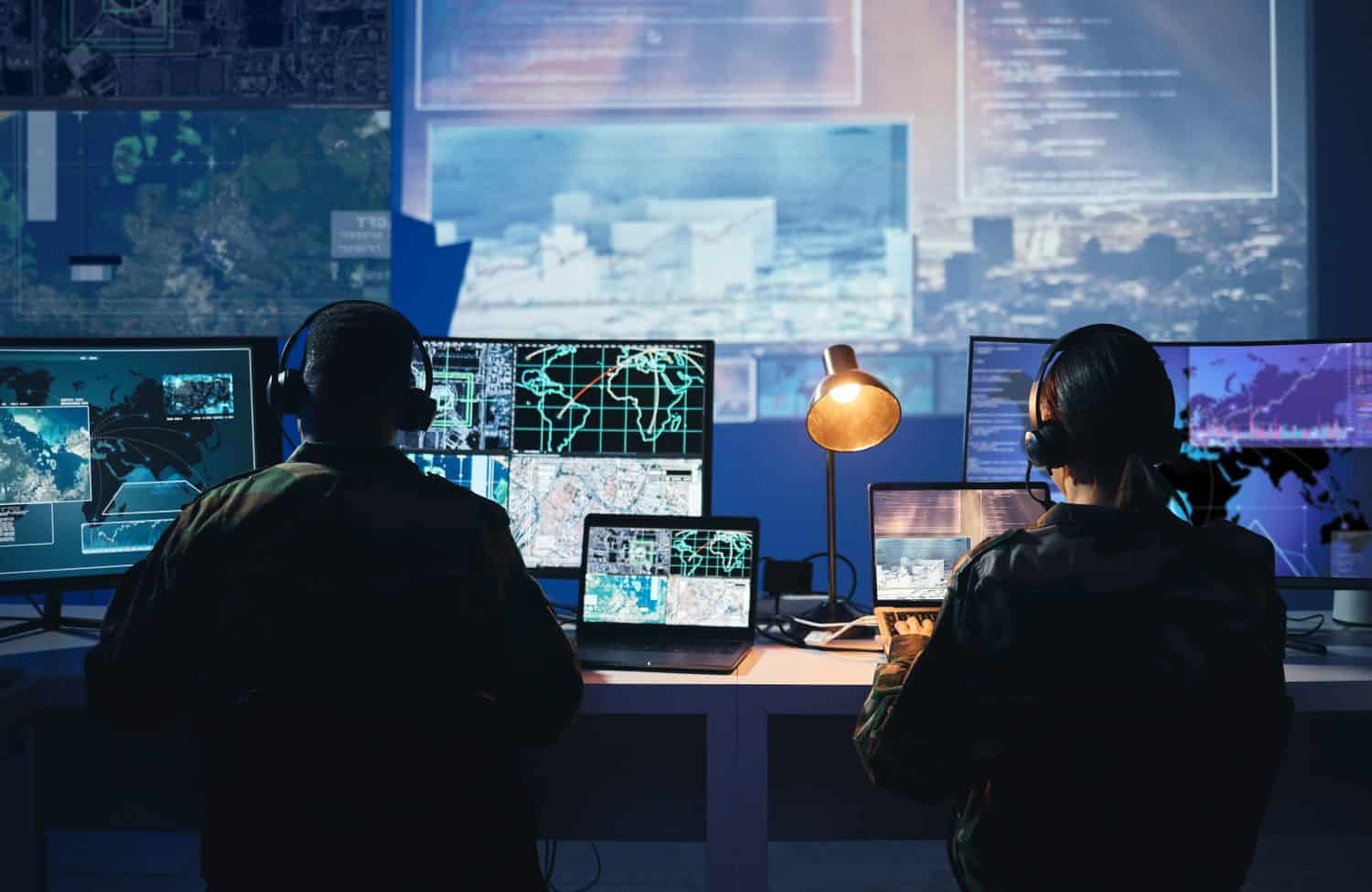
This is one of the worst possible disaster scenarios for any developed country. It means that not only is a superpower like the United States vulnerable to a massive nuclear attack, it is also vulnerable to a single weapon wielded by a rogue state: North Korea today, perhaps Iran tomorrow. What can we do to make sure it never happens?
Political and Military Options
Prevention
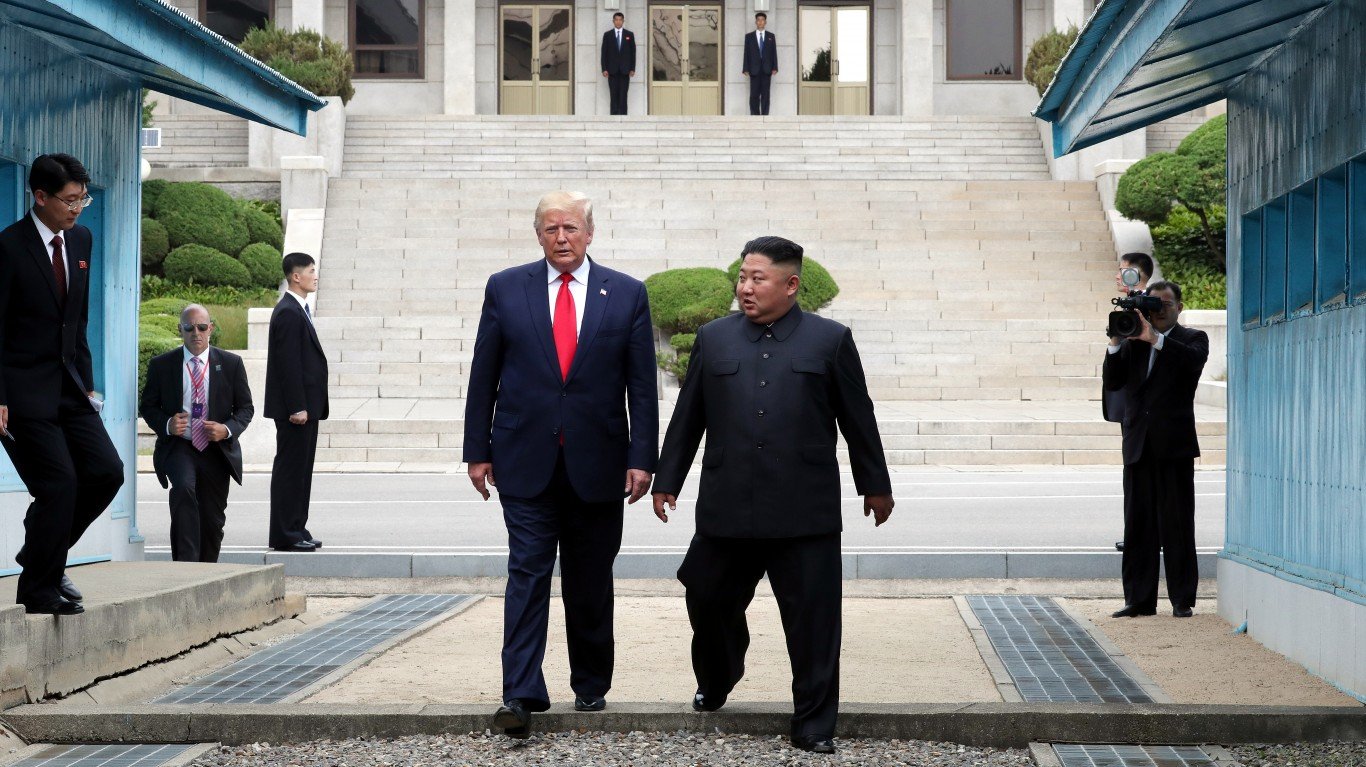
The first line of defense is not to make enemies. This requires a balanced, fair, respectful foreign policy, fair and mutually-beneficial trade practices, and the use of humanitarian aid and other tools of soft power to create international goodwill.
Deterrence
For countries that nonetheless do become our enemies, we must take a multi-faceted approach of deterrence through military strength and clear communication, positive engagement where possible to build trust and goodwill, and the use of international sanctions as a stick and a carrot to help the country seek out more cooperative alternatives and find the production of nuclear weapons not to be something that enhances its security.
Preemption
Finally, in some cases the danger may be so great and implacable that it calls for military intervention to prevent the development of nuclear weapons and ICBMS or to remove that capability before it can be used. Just War Theory, the ethical standard Western countries often use to evaluate the morality of military actions, does allow for preventative or preemptive military action when all signs point to the inevitability of war.
Technological Options
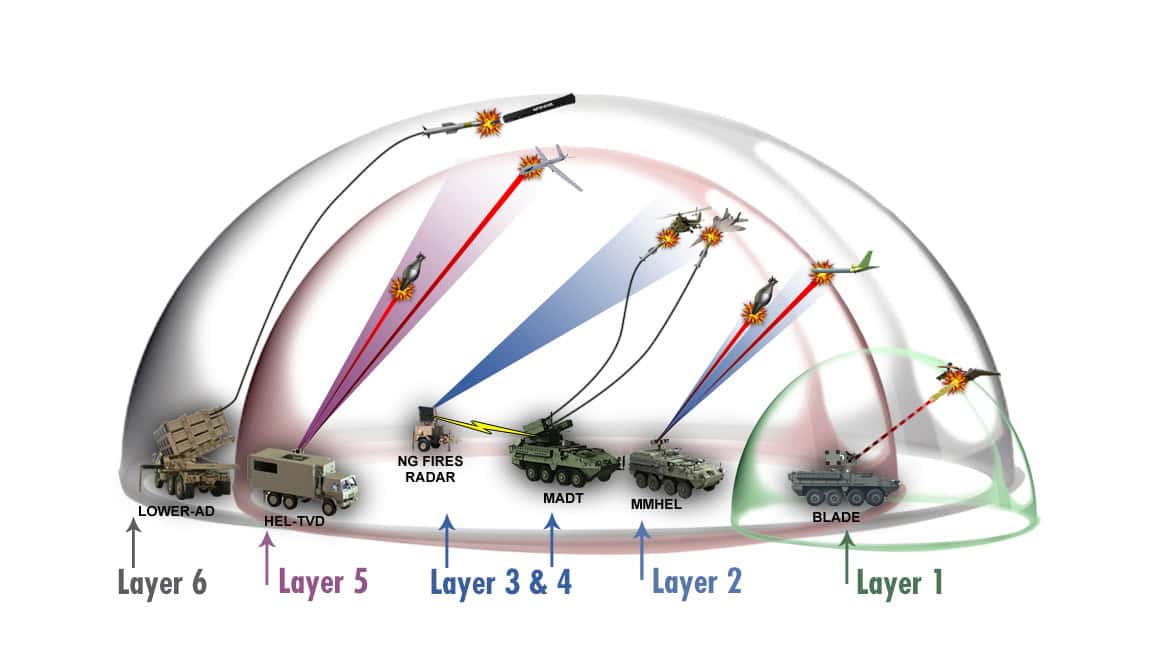
Secondly, the United States, Israel, and other technologically advanced military powers are developing their ballistic missile defenses. This technology needs to remain at the highest priority. The country should have the ability to reliably take down a small number of missiles. It would be the greatest negligence to lack this ability to overcome a limited threat of this nature rather than simply seeing it coming and being unable to do anything about it.
Damage Control Measures
Congress needs to appropriate generous funds to harden vital civilian infrastructure the way military infrastructure is protected from EMPs. Appropriate shielding can make sure the lights and heat stay on, internet still works, and the banking and food distribution networks can function.
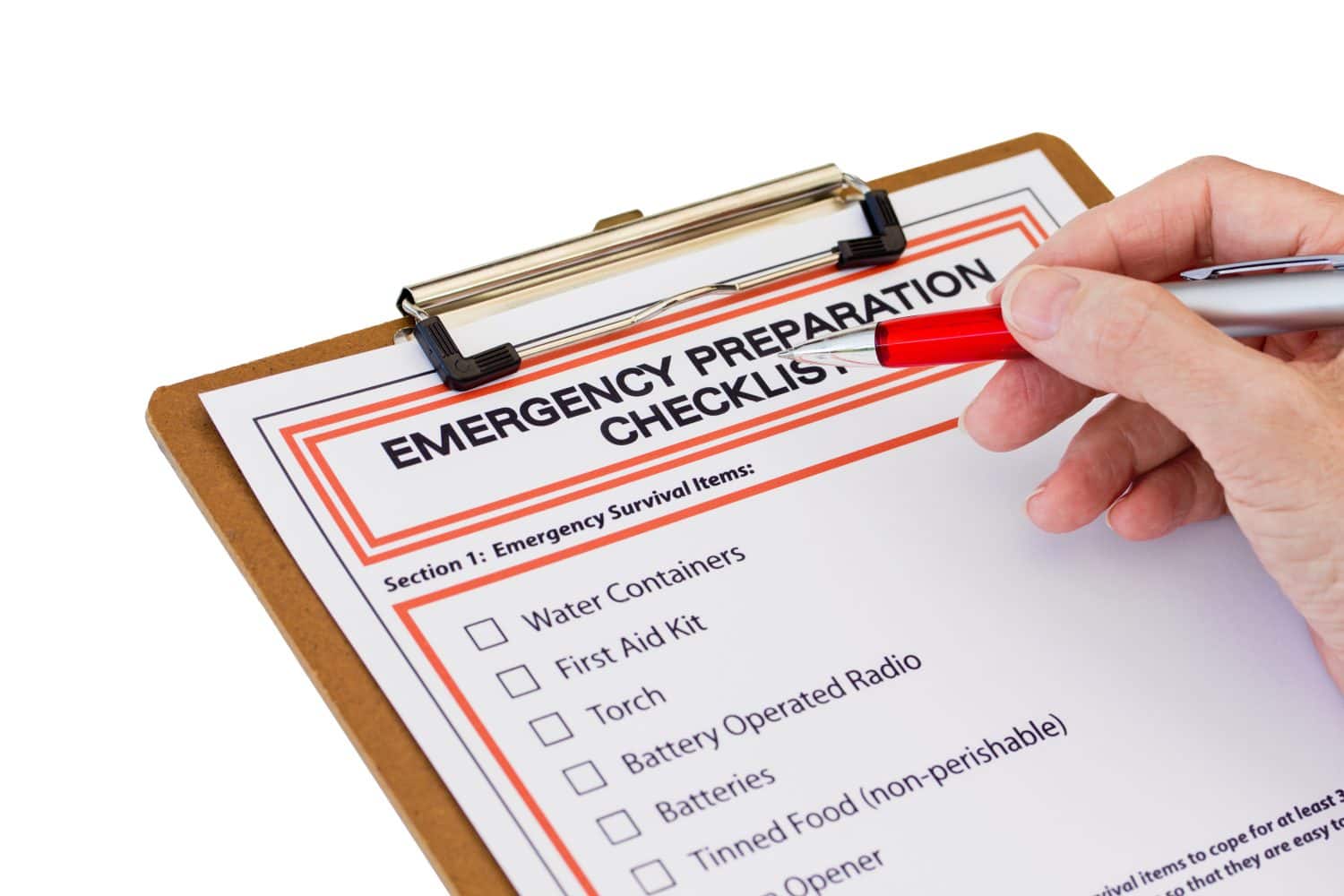
And at the individual level, every home needs to have some basic emergency supplies, non-perishable foods, and bottled water. Not just for the, hopefully, unlikely event of an EMP attack, but for any disaster that might prevent access to a store for a few days or more. A generator with manual start capability, a ham radio, and even an older (pre-1980 car) are preparation goals for those who really take the threat seriously. And for any sort of survival scenario, it’s good to learn some basic first aid, natural food production, and self-defense.
Not Panic, But Preparation

If you hadn’t previously thought about this issue, don’t panic about it. Hopefully, American foreign policy and military preparedness will be sufficient to deter such an attack. But we can’t count on that deterrence working forever, with all the future countries that will get this technology. And because the precautions for this scenario are the same for some other disaster scenarios, it’s worth investing a little bit of time and money into preparation. One day you may be glad you did.
Contact [email protected] for any questions or corrections.
Drew Wood has edited or ghostwritten nine books and published more than 1,500 articles on investing, business, politics, travel, world cultures, wildlife, and earth science. He holds a doctorate and four master's degrees and has nearly 30 years of college teaching experience. His travels have taken him to 25 countries, including three years living in Ukraine.