: SAR technology enables Ukraine to target Russian forces through clouds and vegetation. Lower satellite costs let companies like Capella Space play bigger military roles. Using commercial satellites for defense raises ethical concerns due…
: The Gulf War pioneered space-based assets in military operations, shaping modern warfare. Space Force seeks space control and mission support against rivals like Russia and China. AI and drone swarms are evolving warfare…
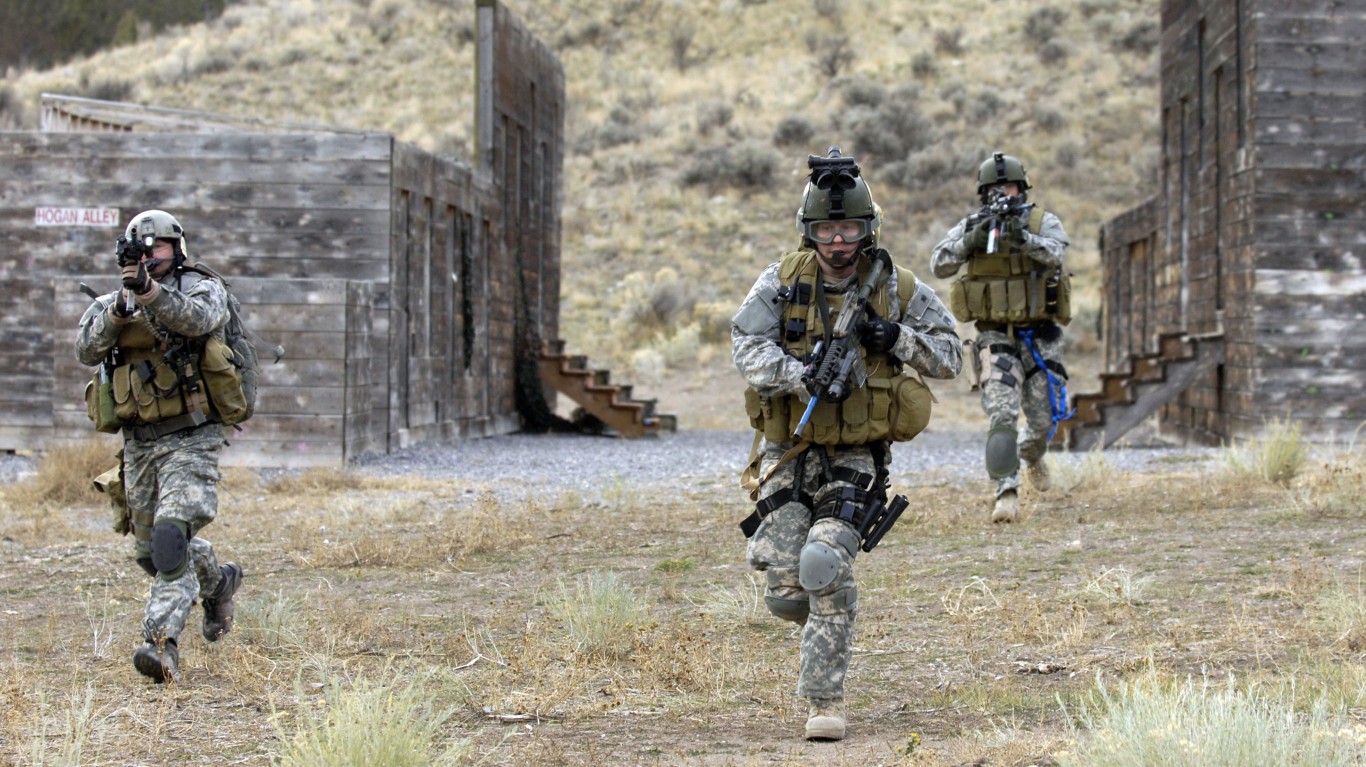
The United States ranks third in the world for military strength, with the densely populated countries of China and India ranking first and second, respectively. Because America is known for its powerful and large…
: Russia and China have space forces focused on electronic and cyber warfare. Russia has tested nuclear capabilities in space, posing global security risks. Space security rivalry is intensifying due to these growing threats.…
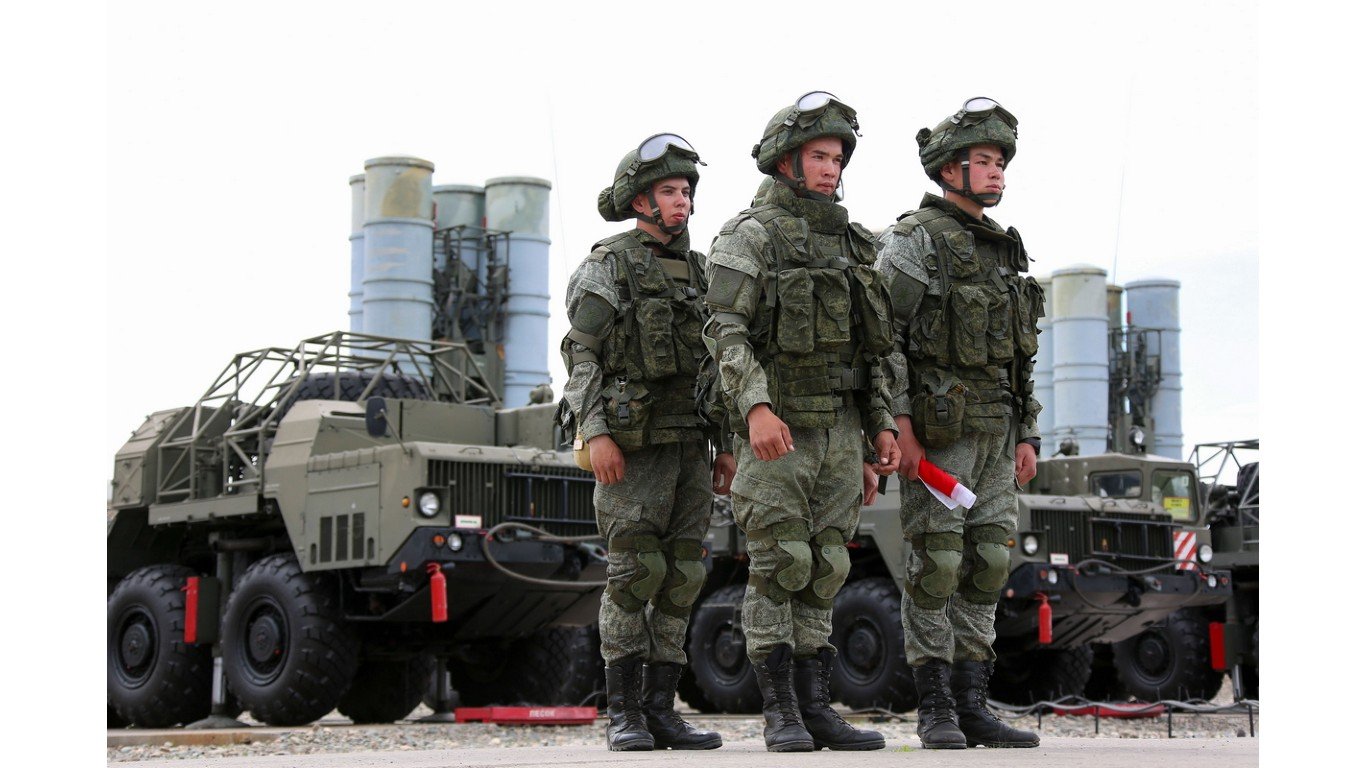
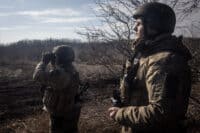
Russian Special Forces, also known as Spetznaz, are highly trained military units responsible for conducting specialized, high-risk missions. Leaked documents from the Pentagon show that these elite soldiers have suffered serious losses since Russia…
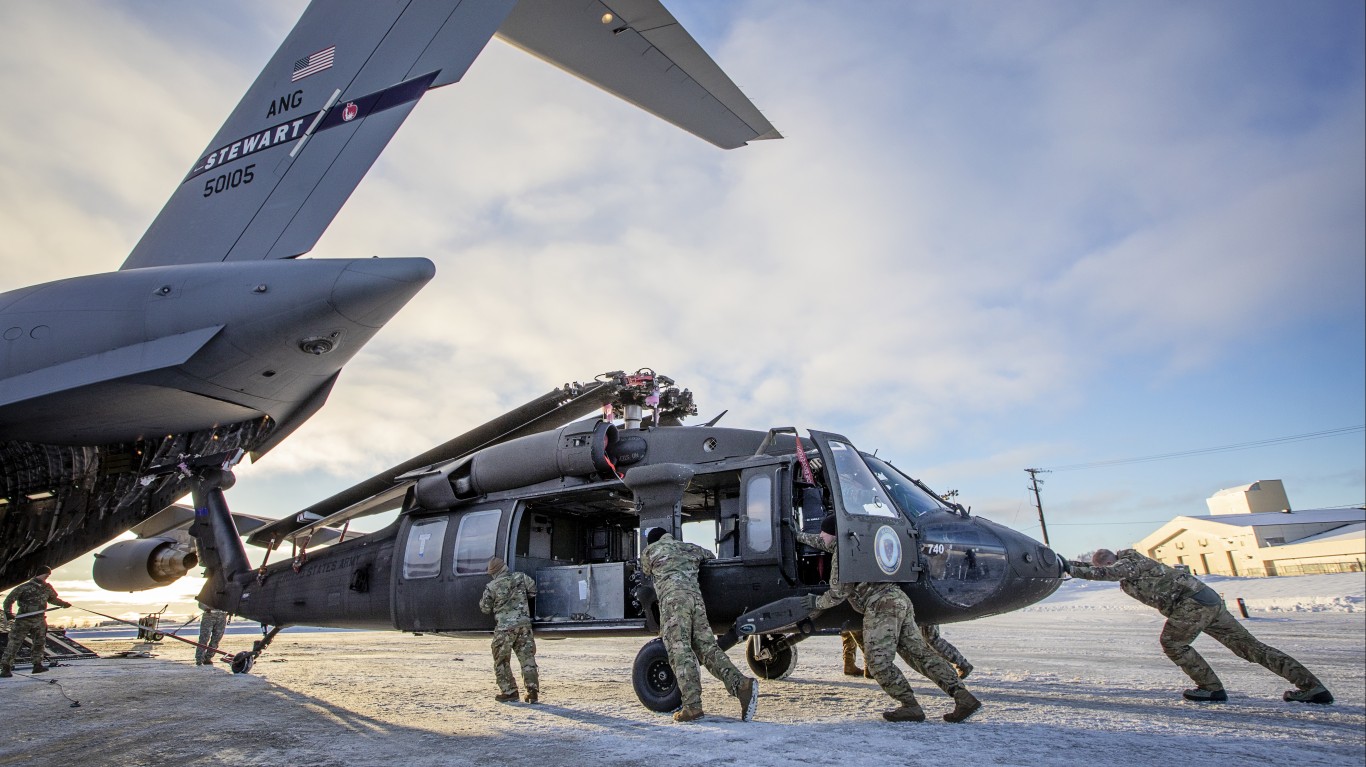
: The Gulf War, the first “Space War,” used satellites for targeting. Space Force ensures space dominance and secure communications. It manages growing satellite traffic for the U.S. and its allies. Answer your biggest…
: Space Force, created in 2019, protects orbital assets and secures information flow. Its goal is “space superiority,” like air superiority but in space. It primarily uses unmanned tech for remote, non-direct combat roles.…
: The Ukraine-Russia war shows a semi-symmetric conflict, with outside aid helping a weaker nation resist a stronger one. Proxy wars let superpowers avoid direct confrontation, though they risk escalation. Despite conflicts, nuclear deterrence…
: Nuclear deterrence and alliances like NATO help prevent major wars. U.S. influence and organizations like the UN promote global peace. Modern conflicts are shifting toward tech, AI, and cybersecurity rather than traditional warfare.…
President Reagan increased military spending during his time as president in the 1980s. This was during the Cold War with the Soviet Union, and US defense was to build increasingly powerful weapons, such as…
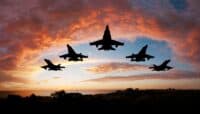
Weight is a critical factor when designing a fighter jet. Generally speaking, lighter fighter jets are more agile, which enables them to perform complex maneuvers in combat or to evade enemy fire. Weight also…
With Russia’s invasion of Ukraine in 2022, the countries of NATO have stood united to provide support to Ukraine in the form of weapons, funds, and other supplies. Although countries in NATO are providing…
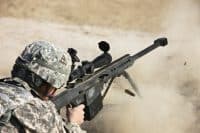
The US military has tested many prototypes of weapons throughout the past six decades. From the Stone 63, an assault weapon designed in the 1960s, to the latest, an anti-material grenade launcher/rifle system designed…
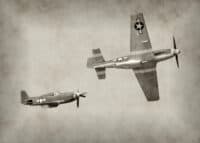
The introduction of streamlined, all-metal fighters, pressurized cabins, more powerful engines, and radar allowed the Allies of World War II to protect their soldiers and bring the war to places difficult to access. Aircraft…
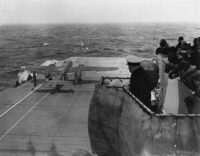
During World War II, United States military aircraft production ranged from trainers, fighters, and bombers to jet-powered fighters. The industrial capability was so great that in 1944 alone, the U.S. built more planes than…