I’m 52 with $4 million saved but I’m worried about the years before I start Social Security and I don’t want to tap into my savings
Some folks don't feel wealthy enough or prepared for retirement, even with several million dollars saved. Drawing a firm line in the sand and declaring "what I have is enough" turns out to be one of the harder things a…

This post may contain links from our sponsors and affiliates, and Flywheel Publishing may receive compensation for actions taken through them.

Some folks don’t feel wealthy enough or prepared for retirement, even with several million dollars saved. Drawing a firm line in the sand and declaring “what I have is enough” turns out to be one of the harder things a high earner can do. Years of persistent inflation have only deepened that anxiety, prompting many financially comfortable people to question whether they should retire now or keep padding the nest egg.
In this piece, we’ll dig further into a case that involves a 52-year-old with a net worth of around $4 million who posted to the r/ChubbyFIRE community feeling uncertain about the financial consequences of leaving the workforce years before Social Security kicks in. The poster plans to begin winding down around age 55, with an eye on claiming Social Security benefits at the earliest eligible age of 62.
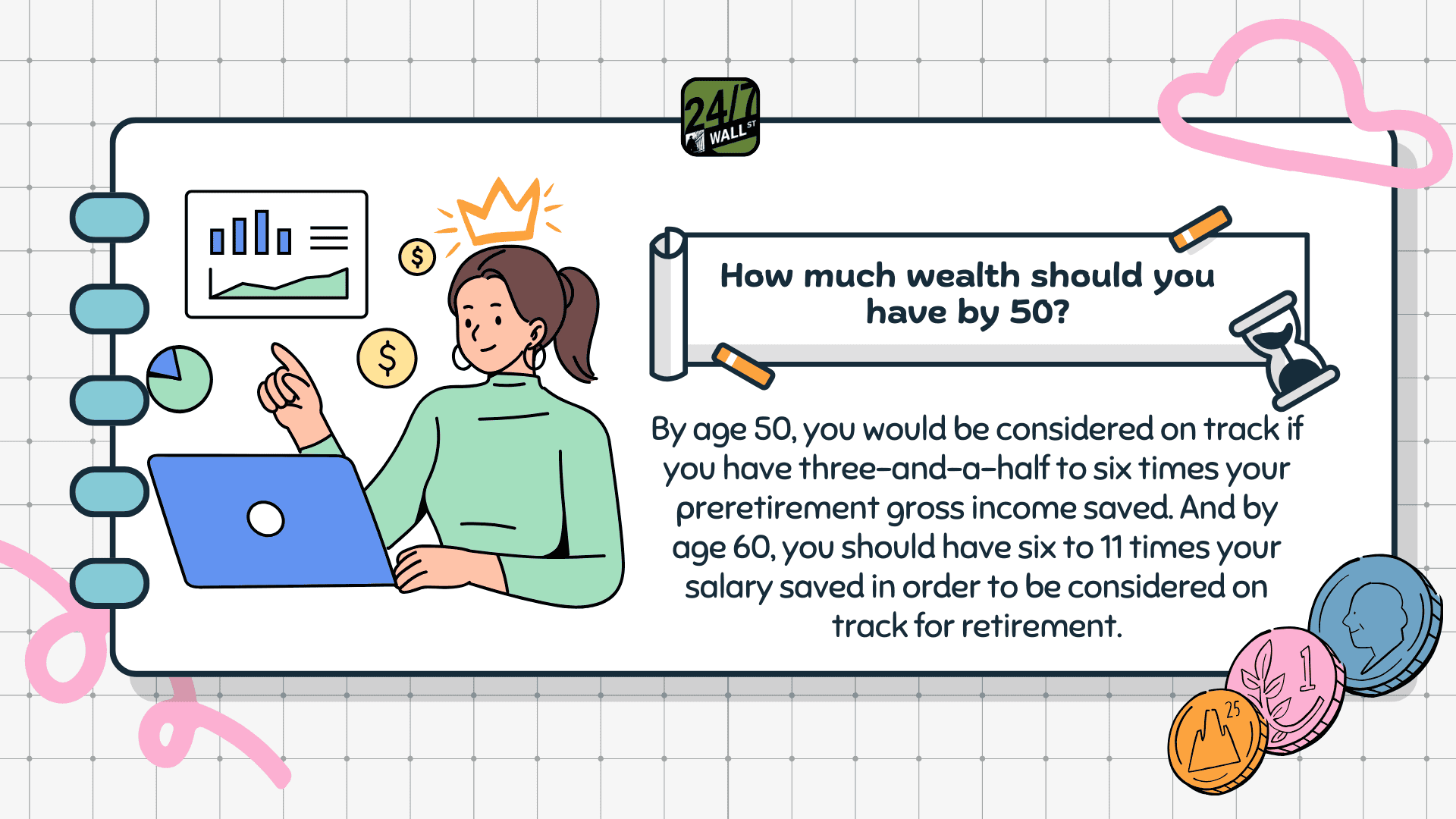
Millions Banked and Still Worried?
Retiring early carries financial anxieties for almost everyone, no matter what the balance sheet says. That’s understandable for someone who has spent decades building wealth methodically. A $4 million net worth doesn’t accumulate by accident. The ChubbyFIRE community generally targets portfolios in the $2.5 million to $5 million range, built to support roughly $100,000 to $200,000 in annual spending, and it’s a natural home for someone wrestling with exactly this kind of question.
The core concern is a specific gap: the years between slowing down at 55 and claiming Social Security at 62. That’s up to seven years during which the portfolio carries the full load, and the poster has signaled a reluctance to draw down savings at all during that stretch. A $4 million portfolio using the traditional 4% withdrawal rule would generate roughly $160,000 per year. Morningstar’s “State of Retirement Income: 2025” report, published in December 2025 with data through September 2025, identified 3.9% as the safe starting withdrawal rate for a 30-year horizon, assuming a 20% to 50% equity allocation and a 90% probability of not outliving the portfolio. That’s up from 3.7% in the prior year’s research, and it would yield around $156,000 annually on a $4 million base. The important caveat is that this research is calibrated for a 30-year horizon. Someone stepping away at 55 could face 35 to 40 years of withdrawals, which argues for keeping a somewhat more conservative rate in mind from the start.
Even with millions banked, the math shifts quickly when a monthly budget runs well above average. For someone reportedly earning half a million dollars a year, some degree of lifestyle creep is almost inevitable. Higher income tends to bring higher fixed costs: a larger home, private school tuition, more frequent travel. That said, the poster came across as financially disciplined relative to their income level, and that discipline is a meaningful asset in its own right.
Knowing When Enough Is Enough
The 52-year-old carries no mortgage, has $850,000 in home equity, and has already covered the major childhood expenses, including education. Those structural advantages matter enormously as this person approaches the retirement transition. Any ongoing financial support for adult children would need a dedicated line in the retirement budget, but given the portfolio size, even modest recurring transfers are unlikely to derail the overall plan.
The single biggest wildcard in the gap years between 55 and 65 is healthcare. Medicare eligibility doesn’t begin until 65, meaning the poster faces up to a decade of private market premiums. The math here has grown more challenging in 2026: the enhanced premium tax credits that had held down ACA marketplace premiums since 2021 expired at the end of 2025 and were not renewed. For a high-income early retiree who earns too much to qualify for subsidies, a Silver plan on the ACA marketplace now costs approximately $1,091 per month at age 55, rising to around $1,405 per month by age 62, based on 2026 benchmark data. The subsidy cliff for a single person sits at roughly $62,600 in annual income; anyone above that threshold pays full price. For the poster, who is unlikely to have income low enough to qualify for subsidies unless carefully managing retirement distributions, healthcare could easily run $13,000 to $17,000 or more per year per person before deductibles and out-of-pocket costs. That expense deserves a dedicated, fully costed line in the retirement budget model well before the transition begins.
There is also a Social Security timing question worth examining carefully. Benefits can start as early as 62, but receiving the full amount requires waiting until full retirement age (FRA). For anyone born in 1960 or later, that FRA is 67. Someone born in 1972, which fits the poster’s approximate birth year, would receive a permanently reduced benefit by claiming at 62. Specifically, claiming five years before an FRA of 67 locks in a 30% reduction in the monthly payment for life. Given the portfolio size, this person can almost certainly afford to wait beyond 62, and delaying past FRA generates an additional 8% per year in higher benefits all the way through age 70. The math strongly favors patience.
The most practical near-term move is probably the phased approach the poster is already considering. Slowing down at 55 rather than stopping cold provides a real chance to calibrate cash flow in real time. A portfolio positioned to generate steady dividend and interest income can reduce or eliminate the need to sell principal during those gap years, which is precisely what the poster wants to avoid.
The Bottom Line
By almost any reasonable measure, this 52-year-old is financially ready to begin the transition to retirement. The combination of a $4 million portfolio, no mortgage, covered education costs, and a plan to phase out gradually gives more flexibility than most early retirees ever have. The anxiety is real and entirely natural, but the underlying numbers are solid.
Fat FIRE, which typically requires $5 million or more to fund a largely unconstrained lifestyle, remains an option the poster hasn’t asked for. What they’ve described is a well-funded, comfortable retirement with room to breathe. The healthcare gap is now a larger budget line than it was a few years ago, given the expiration of enhanced ACA subsidies. If uncertainty lingers after mapping out that gap, the Social Security timing decision, and a sustainable withdrawal rate, a fee-only financial planner can stress-test the numbers and provide the kind of reassurance that no amount of online crowdsourcing can fully replicate.
Editor’s note: This pass updated the healthcare section with 2026 ACA marketplace premium benchmarks, noting that the enhanced premium tax credits expired at the end of 2025. For a 55-year-old buying a Silver plan without subsidies, the monthly cost is now approximately $1,091, rising to around $1,405 at age 62, with the subsidy cliff for a single person at roughly $62,600 in annual income. The Morningstar withdrawal rate section was also updated to note that the 3.9% figure represents an increase from the 3.7% rate published in the prior year’s research.
Contact [email protected] for any questions or corrections.
Joey is a 24/7 Wall St. contributor and seasoned investment writer whose work can also be found in publications such as The Motley Fool and TipRanks. Holding a B.A.Sc in Computer Engineering from the University of British Columbia (UBC), Joey has leveraged his technical background to provide insightful stock analyses to readers.
Joey's investment philosophy is heavily influenced by Warren Buffett's value investing principles. As a dedicated Buffett disciple, Joey is committed to unearthing value in the tech sector and beyond.