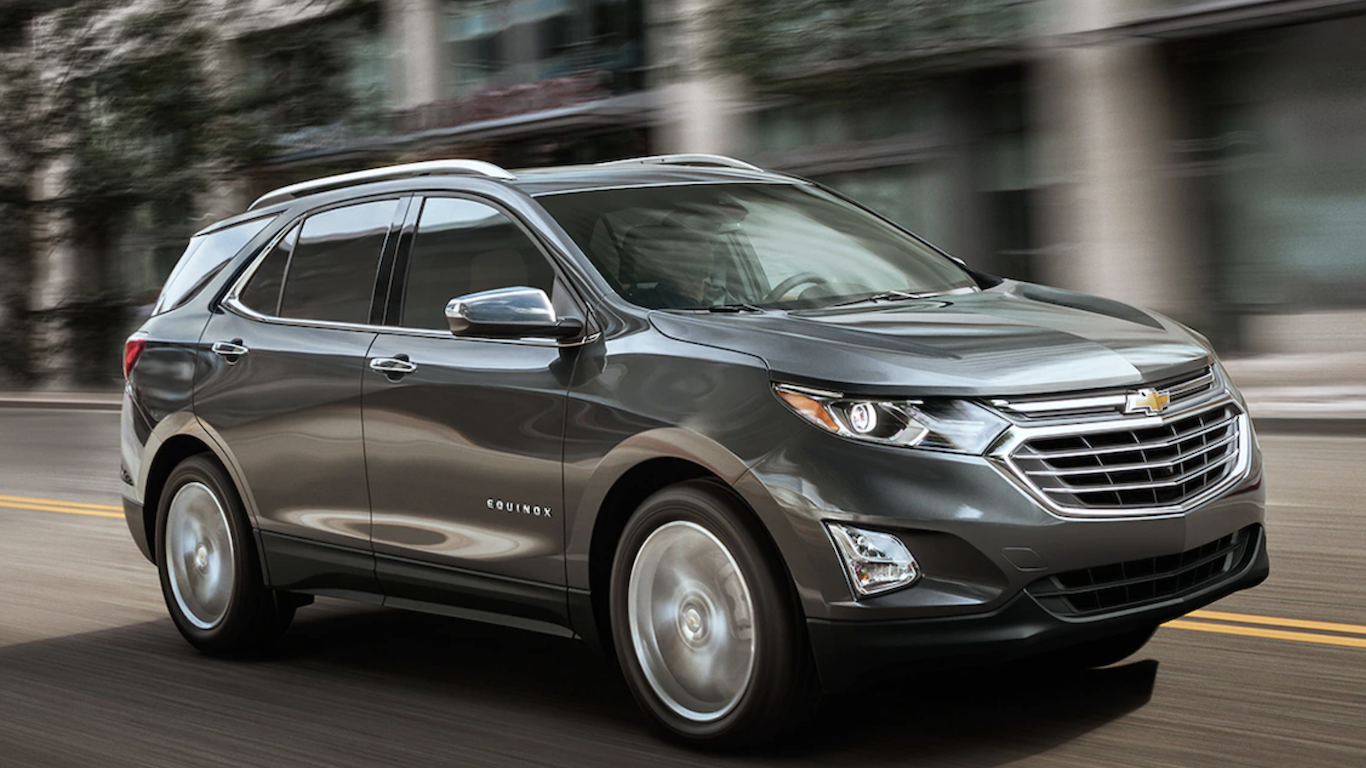
Suze Orman says this is “the biggest waste of money out there” but 1 in 5 Americans do it anyway
New York Times bestselling author, podcaster and TV personality Suze Orman is one of the most recognized personal finance voices in the country. On CNN's "Who's Talking to Chris Wallace," Orman declared that leasing a car is "the biggest waste…

This post may contain links from our sponsors and affiliates, and Flywheel Publishing may receive compensation for actions taken through them.

New York Times bestselling author, podcaster, and TV personality Suze Orman is among the most recognized personal finance voices in the country. She has never shied away from blunt takes, even when her views put her at odds with the person sitting across from her.
On CNN’s “Who’s Talking to Chris Wallace,” Orman declared that leasing a car is “the biggest waste of money out there,” even as Wallace himself admitted to leasing. Orman’s position is straightforward: buy a vehicle, take good care of it, and the long-run cost is far lower than cycling through leases. She also told Wallace that she keeps her own car for 12 years and recommends financing with a three-year loan so the vehicle is owned free and clear as quickly as possible. Those who share Wallace’s view point to the predictability of always driving something new and under warranty, lower monthly payments, and the freedom from worrying about depreciation or resale.
As it turns out, Orman’s sweeping verdict has real-world exceptions. Just as musicians choose instruments for different contexts, drivers choose financing structures based on their circumstances, priorities, and finances. The roughly 20% of Americans who opt to lease may have perfectly sound reasons for doing so, and the numbers are worth examining carefully before taking either side.
Leasing vs. Buying a Car

Most prospective new car owners face a straightforward fork in the road: secure a traditional auto loan or sign a lease. The structure of each path is meaningfully different, with implications that compound over years of ownership (or non-ownership). An overview comparison looks like this:
Category |
Buying |
Leasing |
Ownership |
Owning the vehicle means you can keep it as long as you want to until you sell it, donate it, or junk it. |
You don’t own the vehicle. You pay to use it but must return it before the lease term expires, unless you decide to buy it. |
Up-Front Costs |
The negotiated cash price down payment, taxes, registration, inspection, and other fees, depending on municipal laws. |
May include the first month’s payment, a refundable security deposit, an acquisition fee, a down payment, taxes, registration, and other fees. |
Monthly Payments |
Loan payments are amortized towards paying off the entire purchase price of the vehicle, plus interest, finance charges, taxes, and fees. |
Lease payments essentially cover the vehicle’s depreciation during the lease term, plus interest charges (called rent charges), taxes, and fees. Usually lower than purchase loan monthly payments. |
Early Termination |
You can sell or trade-in your vehicle at any time. In many cases, money from the sale can be used to pay off any loan balance. |
Ending a lease early can trigger charges as costly as sticking with the contract. |
The monthly payment gap between the two options is real. According to Experian data for the first quarter of 2026, the average new-vehicle loan payment reached $770 per month, while the average lease payment came in at $619, a difference of $151 per month. That short-term affordability advantage is a key reason leasing remains popular. Over the full life of a vehicle, however, a buyer who keeps the car well past the loan payoff date captures far more value than someone who perpetually leases, which is precisely Orman’s point.
Like renting in real estate, a leased vehicle must be returned in original condition, while a purchased vehicle can be customized without penalty. This also applies to wear and tear, and to the tax-deductible depreciation that applies to purchased vehicles used for business, but not to leased ones.
Extenuating Circumstances That Are Exceptions
- In general, the retained equity in a purchased vehicle belongs entirely to the buyer, so the market value of the specific model can make a substantial difference. Certain high-demand luxury vehicles, some Porsche models among them, can hold their value so strongly that depreciation after seven years is minimal. In those cases, the used market value may still exceed the residual purchase price offered at lease-end, giving the lessee an opportunity to arbitrage the gap. Under those conditions, the cost of the lease period can approach net zero, with a potential profit on the buyout.
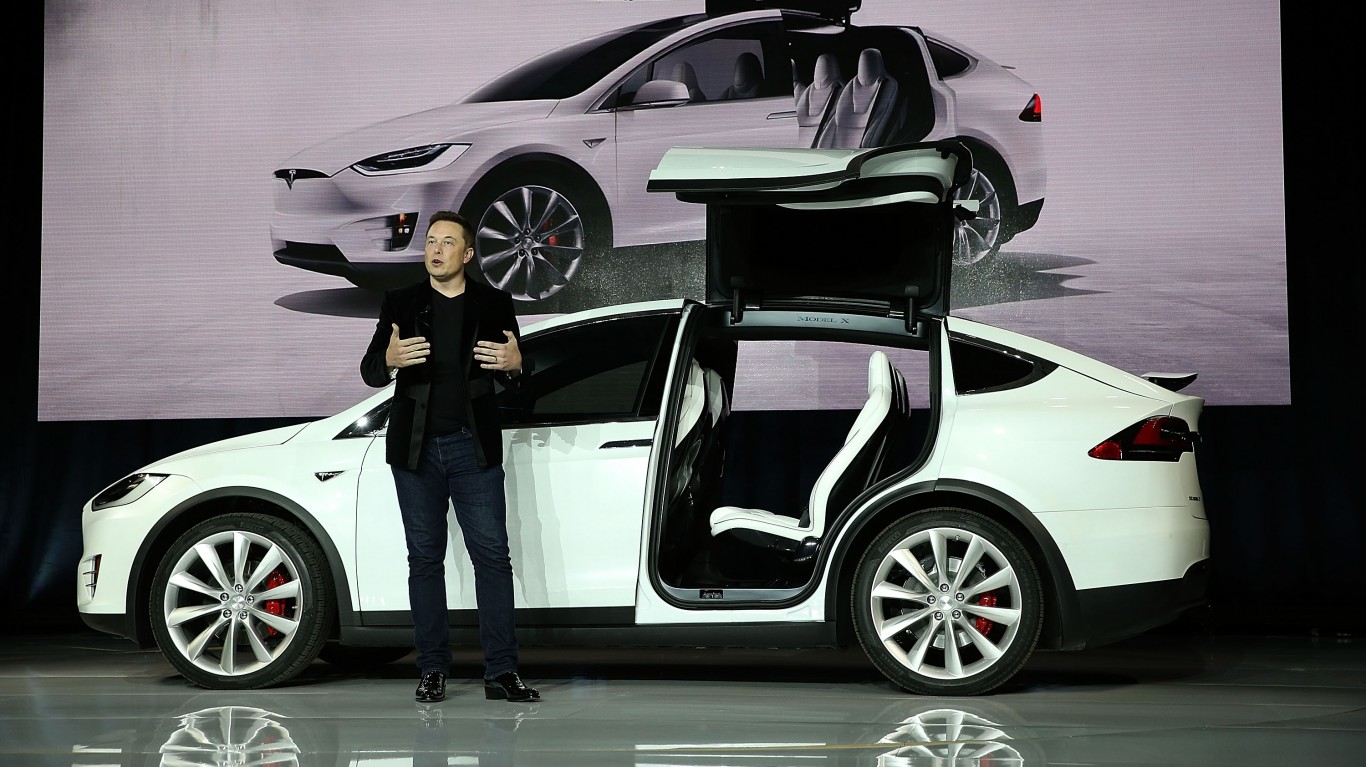
- The EV angle has shifted considerably. For years, leasing an electric vehicle was especially attractive because the federal government’s $7,500 clean vehicle tax credit applied to leased EVs as a “commercial vehicle” credit, allowing lessors to pass the savings along through lower monthly payments. That incentive expired on September 30, 2025, under legislation signed by President Trump. As of October 1, 2025, the federal EV tax credit is no longer available for new purchases or leases. Despite the loss of that credit, leasing still appeals to EV buyers for other reasons. Battery technology and charging standards are evolving rapidly, and a shorter lease term protects drivers from being locked into a vehicle that becomes outdated. According to Experian data from mid-2025, 57.69% of new EV owners lease rather than buy, up from 46.6% the prior year, suggesting the segment remains drawn to the flexibility leasing provides.
- Subscription programs represent a newer variation on the traditional lease. These programs allow drivers to swap between a rotating menu of vehicles for a single monthly fee that typically covers insurance, maintenance, and incidental wear and tear. The cost runs higher than a standard lease, but the flexibility can justify the premium for drivers who want a fuel-efficient commuter car on weekdays, an SUV for family trips, and a sports car on weekends.
Editor’s note: This article was updated to reflect that the federal $7,500 EV lease tax credit expired on September 30, 2025, following passage of Trump’s tax legislation. Current average monthly payment figures from Experian’s first-quarter 2026 data ($770 for new-vehicle loans, $619 for leases) were also added, along with Experian’s finding that 57.69% of new EV owners now choose to lease.
Contact [email protected] for any questions or corrections.
After 15 years on Wall Street with 7 of them as Director of Corporate and Municipal Bond Trading for a NYSE member firm, I started my own project and corporate finance consultancy. Much of the work involves writing business plans, presentations, white papers and marketing materials for companies seeking budgetary allocations for spinoffs and new initiatives or for raising capital for expansion or startup companies and entrepreneurs. On financial topics, I have been published under my own byline at The Motley Fool, 247wallst.com, DealFlow Events’ Healthcare Services Investment Newsletter and The Microcap Newsletter, among others. Additionally, I have done freelance ghostwriting writing and editing for several financial websites, such as Seeking Alpha and Shmoop Financial. I have also written and been published on a variety of other topics from music, audiophile sound and film to musical instrument history, martial arts, and current events. Publications include Copper Magazine, Fidelity (Germany), Blasting News, Inside Kung-Fu, and other periodicals.