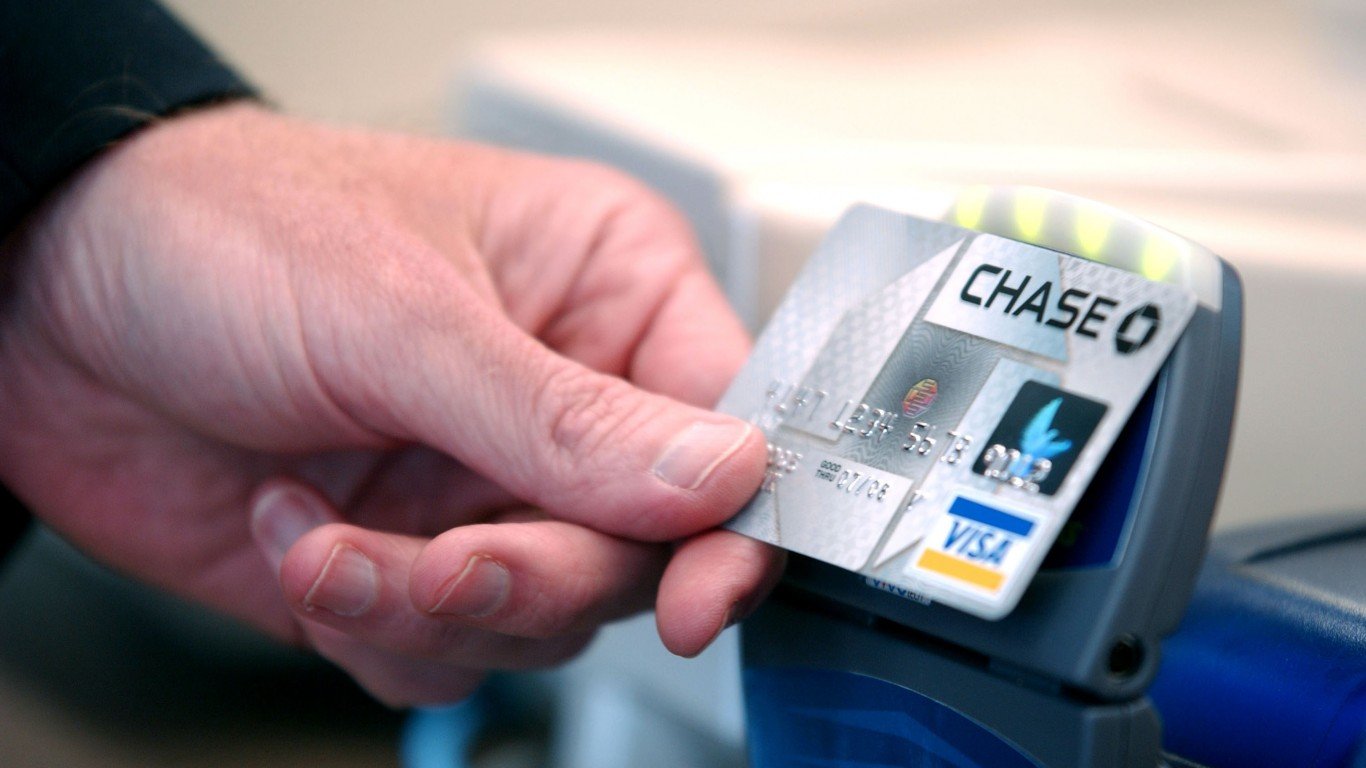
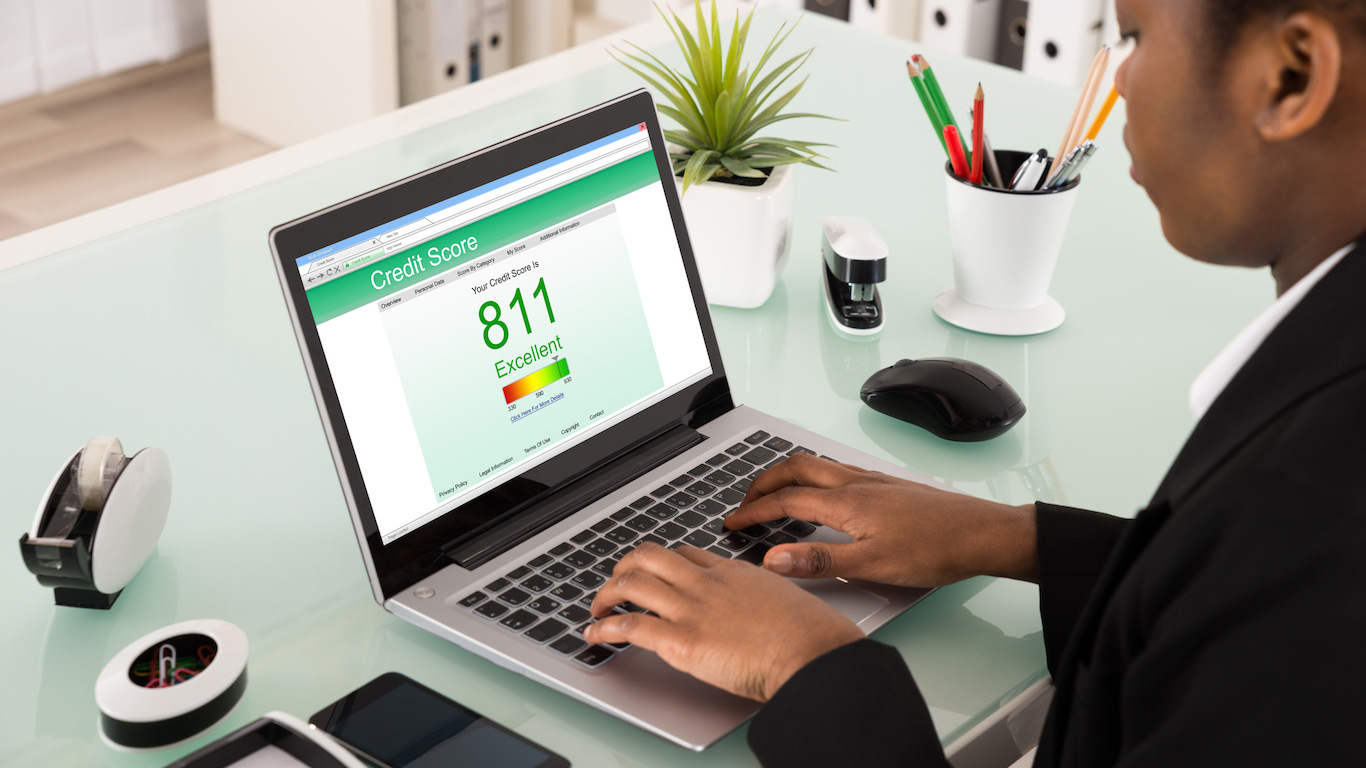
My college friends suggest using a credit card for small purchases and paying it off immediately — is this a smart move?
Flywheel Publishing has partnered with CardRatings for our coverage of credit card products. Flywheel Publishing and CardRatings may receive a commission from card issuers. Building good credit is essential for major financial milestones, like renting an apartment or getting a…

This post may contain links from our sponsors and affiliates, and Flywheel Publishing may receive compensation for actions taken through them.

Flywheel Publishing has partnered with CardRatings for our coverage of credit card products. Flywheel Publishing and CardRatings may receive a commission from card issuers.
Building good credit is essential for major financial milestones, like renting an apartment or getting a mortgage. But what’s the best way to start? A Redditor from the UK posed a common question: Does using a credit card for small purchases and paying it off right away help your credit score?
There are tons of different factors that determine your credit score. Let’s take a look at these and see if this approach is a smart move.
Key Points from This Article
- Using a credit card for small purchases and paying down the balance quickly can help your credit score.
- However, the key is discipline. You have to avoid overspending, which can be a challenge!
- Also: Are You On Track to Retire? Take This Quiz and Find Out (Sponsored)
How Credit Scores Work
Credit scores are influenced by several factors, such as:
- Payment history: Paying your bills on time is the biggest factor.
- Credit utilization: The percentage of your credit limit you use is also important; a lower rate is better.
- Length of credit history: Your credit score will typically increase over time.
- Mix of credit types: It’s best to have a range of credit types.
- Recent inquiries: Applying for multiple credit cards over a short period can lower your score.
Using a credit card can impact some of these factors, like your payment history, but not others.
Benefits of the “Small Purchases and Payoff” Strategy
- Builds payment history: Paying off purchases promptly demonstrates reliability.
- Keeps utilization low: Making only small purchases ensures you don’t use up all your available credit.
- Establishes credit early: Getting a credit card early gives you a head start on building a credit score.
Potential Downsides
- Misunderstands utilization: Paying off purchases immediately may not reflect positively if the card issuer doesn’t report the balance before it’s cleared. Aim to keep utilization under 30% by timing payments strategically, but not at 0%.
- Overuse temptation: It’s easier to use a credit card if you have one, so discipline is very important.
- Annual fees and interest rates: Some credit cards have high fees, which may outweigh some of the benefits above.
Best Practices for Using a Credit Card to Build Credit
So, how do you use a credit card to build credit? Here are our recommendations:
- Choose the right card: Look for a card without annual fees that have beginner-friendly terms.
- Set Up Reminders: Use alerts or autopsy to ensure that you never miss a due date, as this can negatively impact your credit score.
- Limit Spending: Keep purchases as small as possible to ensure your payment stays manageable.
- Monitor Your Credit Report: Stay on top of your credit score to track your progress.
Stay away from common credit card mistakes that can actually hurt your credit score, too.
Flywheel Publishing has partnered with CardRatings for our coverage of credit card products. Flywheel Publishing and CardRatings may receive a commission from card issuers.
Contact [email protected] for any questions or corrections.
Kristin Hitchcock is a financial expert who has been writing on topics related to retirement for over eight years. Her knowledge spans a wide range of areas, including navigating the complexities of Social Security, developing sustainable investment strategies, and helping individuals achieve their retirement goals.
Throughout her career, she has written for various platforms, including several retirement communities, to ensure that seniors have access to clear and actionable financial advice.
Kristin is also an active investor with more than ten years of experience in a diverse range of investment strategies, including short-term trades, dividend stocks, and options. She enjoys simplifying complex trading concepts by writing easy-to-follow guides that help readers meet their investment goals.