My spouse and I are in our 50s with a $3.1 million retirement portfolio and are looking to retire in 2026 – should we pull back on saving so much money?
Does it ever make sense to stop contributing to your retirement account? A Redditor posed the question in the Chubby FIRE subreddit. He and his wife have a $3.1 million portfolio and real estate properties that range from $2 million to $3…

This post may contain links from our sponsors and affiliates, and Flywheel Publishing may receive compensation for actions taken through them.

Does it ever make sense to stop contributing to your retirement account? A Redditor posed the question in the Chubby FIRE subreddit. He and his wife have a $3.1 million portfolio and real estate properties that range from $2 million to $3 million in value. This real estate calculation includes the couple’s home.
The Redditor is 59, and his wife is 57. They plan to retire in 2026 and currently make $300k per year. Furthermore, they want to spend a lot of money this year on appliances, cars, computers, and other essentials so their home feels brand new when they retire.
However, the Redditor also wondered if he should reduce his retirement contributions. He still aims to contribute to his company’s match but wants to scale back. Although it’s best to speak with a financial advisor, I’ll share my thoughts right away. Slowing down on retirement contributions doesn’t make much sense, especially if you can still contribute the maximum amount.
Retirement Accounts Offer Great Tax Benefits
The Redditor mentions that he is aware of the tax implications, but it’s still worth mentioning. Since the Redditor and his spouse earn $300,000 per year combined, they are in a higher tax bracket than most people.
Their top dollar is getting taxed at 24%. A traditional retirement account defers taxes. Then, they can withdraw from their retirement accounts when they aren’t making $300,000 per year.
The tax benefits get even better for people who are 50 years or older since they get to make catch-up contributions. Those extra contributions protect more of your money from high tax rates.
You still owe taxes when you withdraw cash, but without the $300,000 annual income, the tax rate will be much lower. It’s also likely that the IRS will gradually extend the tax brackets over time, resulting in even lower tax bills moving forward.
The couple only has to contribute to their retirement accounts for one more year before they retire. It’s good to capitalize on that final opportunity.
Buy Some Appliances When You Retire
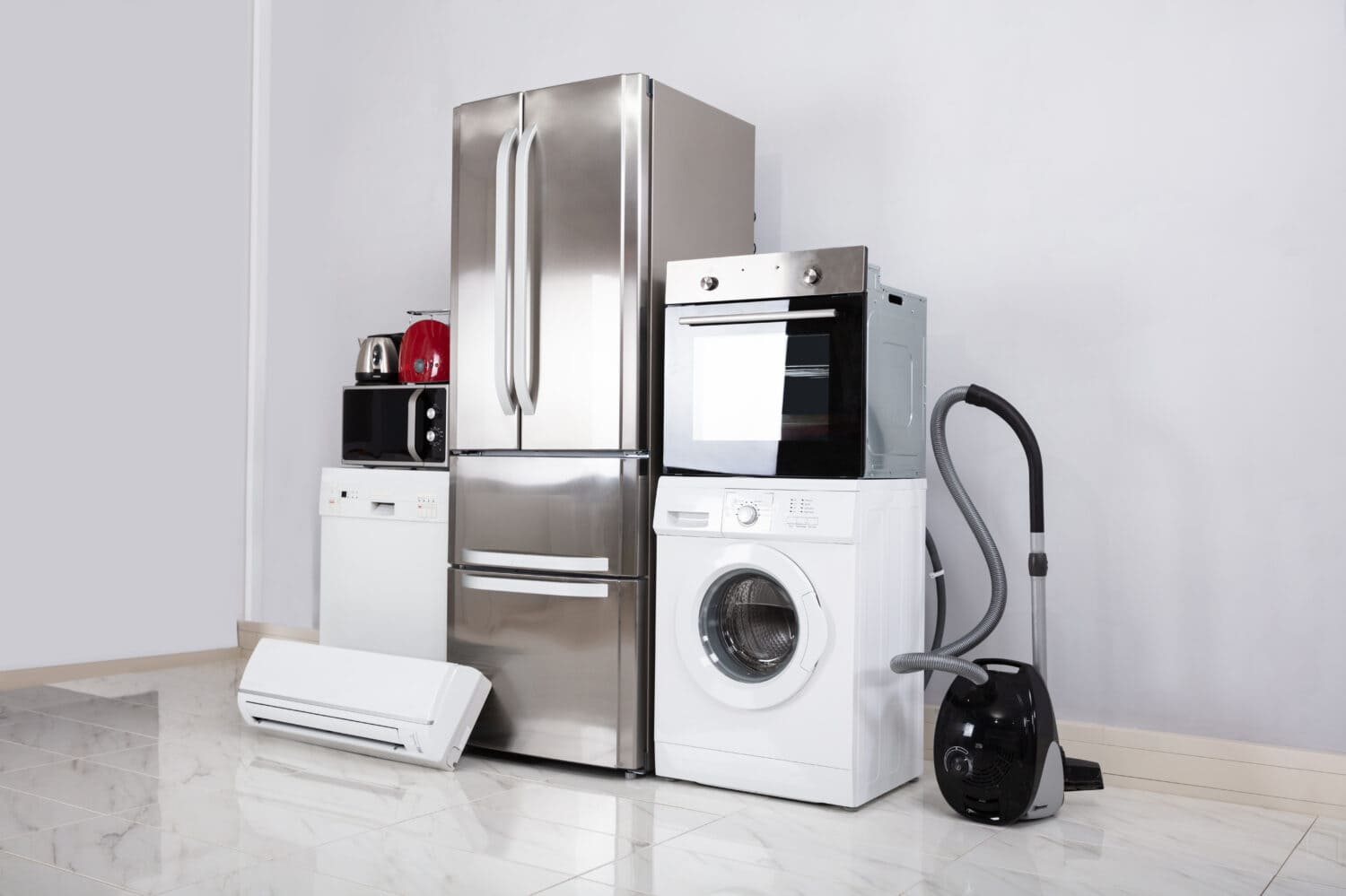
This advice only applies if all of the purchases the Redditor makes would disrupt his ability to contribute to a retirement account. The Redditor will end up with more money if they max out their contribution and buy most of the appliances they need.
It’s understandable why someone would want to load up on new appliances, a new computer, a new car, and other essentials before retirement. Making these purchases while their combined income is high gives them more flexibility in retirement. In theory, the appliances should last 8-15 years, meaning it will be a while before they have to be replaced.
The couple’s stock portfolio and real estate holdings will still gain value over that time. It can cover some of the appliances and other essentials that they don’t buy in 2025.
Take Out a HELOC Instead

A HELOC can be a good alternative to reducing retirement account contributions, especially if you use the HELOC funds for home improvements. HELOC interest payments are tax deductible if you use them to improve your home. Since this couple intends to spend the money on home appliances, that counts as enhancing the property.
The HELOC doesn’t have to be much, and you can use withdrawals during retirement to pay off the balance. A HELOC is only a good option to consider if the appliances, new car, and other purchases would prevent the couple from maxing out their retirement accounts.
HELOCs also give you flexibility for financial emergencies. Since they are revolving credit lines, you can draw from them again after you have paid it off. In addition, you only pay interest on a HELOC when you borrow against the credit line. While this couple is unlikely to need a HELOC for a financial emergency, it’s good for homeowners to know that they have this option
Contact [email protected] for any questions or corrections.
Marc Guberti is a personal finance writer who has written for US News & World Report, Business Insider, Newsweek and other publications. He also hosts the Breakthrough Success Podcast which teaches listeners how to use content marketing to grow their businesses.