I’m almost 70 and want to relocate for retirement. Is it smarter to rent or buy a new home?
There’s a lot of factors at play when you decide where to spend your retirement years. One Reddit poster highlighted this recently when he posted a question about possibly relocating. The Redditor said that he and his wife currently own…

This post may contain links from our sponsors and affiliates, and Flywheel Publishing may receive compensation for actions taken through them.

There’s a lot of factors at play when you decide where to spend your retirement years. One Reddit poster highlighted this recently when he posted a question about possibly relocating. The Redditor said that he and his wife currently own their home and have enough retirement income to cover their expenses. However, they live in a small town far from their two children and without good healthcare services.
His hope is to move to a larger city where he would be closer to an airport and to one of his children, but he’s not sure what to do when he gets there. He’s going to sell his current house, but wants to know whether he should rent or buy upon arrival — especially since homes are more expensive in the new place and he’d be unlikely to be able to pay cash for a new home from the proceeds of his sale.
So, what should the poster do?
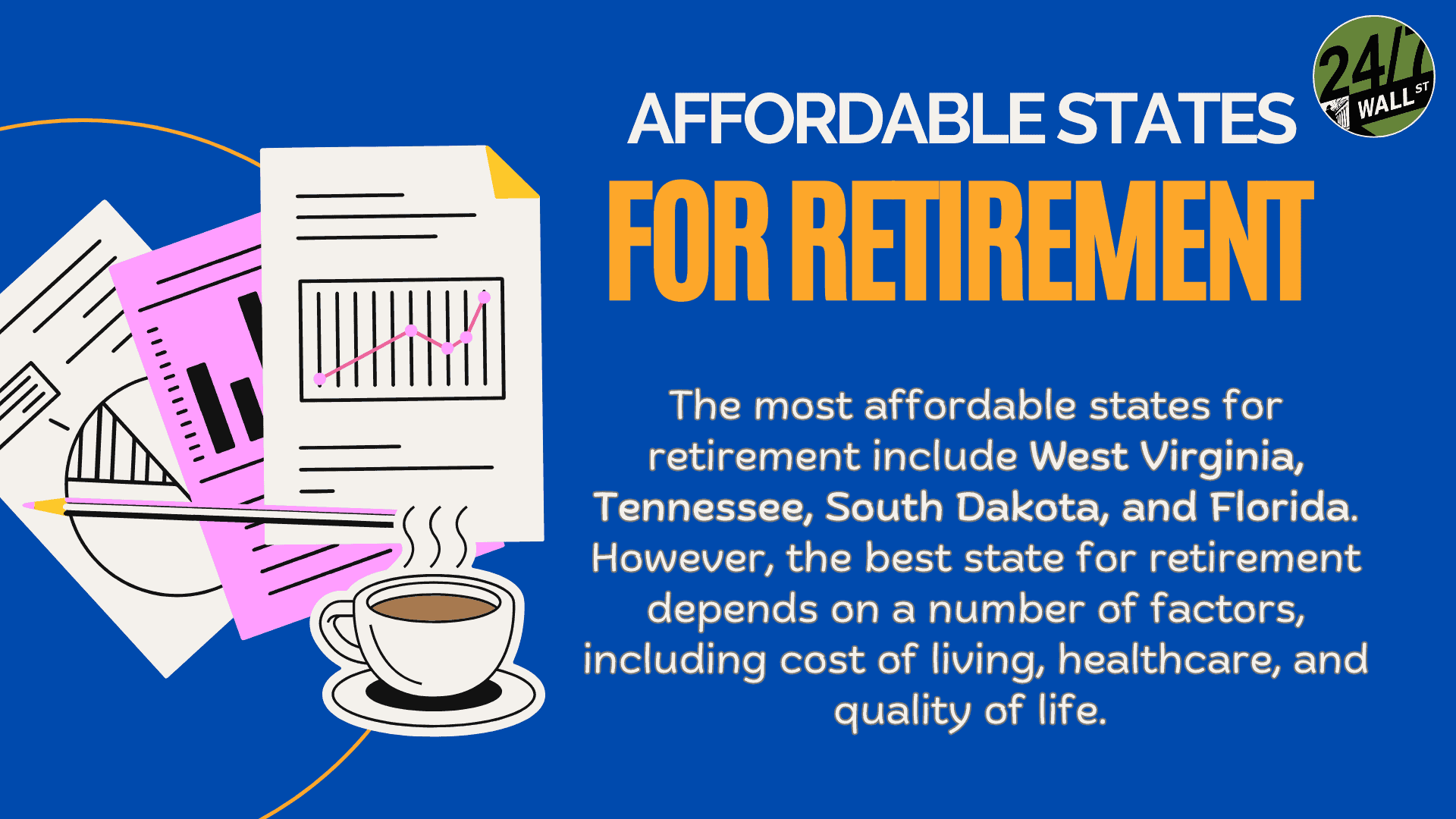
Rent vs. buy when relocating as a retiree
The question of whether to rent vs. buy after relocating isn’t so simple, because there may be a different answer in the short term vs. the long term.
The short-term answer is that it makes good sense to rent right now for a few reasons:
- Mortgage rates have stabilized in the 6.4% to 6.5% range, establishing a new normal where buyers must calculate costs based on current reality rather than waiting for drastic rate drops.
- Multifamily rental construction has caught up, leading to flat or slightly declining rent prices in many major metro areas and making the rental market highly competitive for tenants.
- It doesn’t make sense to buy until you’ve tested out the area and run through a complete location checklist.
Before committing to a mortgage, retirees should use a rental period to evaluate proximity to top-tier healthcare networks, ensuring their current Medicare Advantage plans have in-network providers locally. They should also gauge daily traffic patterns to the airport and investigate state-level tax implications for retirement distributions.
If the Redditor bought a property and it turned out he didn’t like the larger city, or if the child he moved to be near had to relocate, then he’d be stuck with a home he’d have to sell — and he’d have to pay the costs that go along with that, which could be quite substantial.
Rent vs. buy over the long-term
 Now, if the Redditor gets settled, loves the new place, and wants to stay put for good, he will need to do a little more thinking on whether to rent or buy. Specifically, he should look at the cost of each option to see which will be the most affordable.
In some areas, you can rent a property for much less money than you can buy a comparable one. In others, that’s not the case and there may be a limited stock of rental properties.
If it’s cheaper to rent than to buy, it makes good sense to keep doing that. That’s especially true for a retiree who doesn’t have as much time as a younger person to build equity and benefit from property appreciation, which can make owning a home more worth it.
If the poster can rent for less than the cost of buying, he can deploy the proceeds from his home sale into income-generating assets. Instead of just parking the cash, utilizing high-yield instruments, dividend ETFs, or systematically selling cash-secured puts and covered calls can potentially create a predictable monthly cash flow that easily covers luxury rental costs without drawing down the principal.
Hidden financial mechanics to consider
Selling a long-held primary residence carries significant tax ripples. Retirees must be aware of the Medicare IRMAA (Income-Related Monthly Adjustment Amount) cliff trap. If selling the original home results in massive capital gains, the resulting spike in Modified Adjusted Gross Income (MAGI) will trigger severe Part B and Part D premium surcharges two years later.
Conversely, if it is much cheaper to buy a home, the Redditor may want to look into doing that. However, he doesn’t have to drain his retirement savings or take on a 6.5% traditional mortgage. A Home Equity Conversion Mortgage (HECM) for Purchase allows a retiree to buy a new primary residence with about 50% down, requiring no monthly mortgage payments for the rest of their life.
Working with a financial advisor to run the numbers can be helpful in this situation, as the choice has big financial and lifestyle implications that are worth discussing with a professional.
Editor’s Note: This article has been updated to reflect current 2026 mortgage rates and housing inventory data. Information regarding Medicare IRMAA surcharges, advanced yield generation strategies for rental income, and HECM for Purchase options has been added. A checklist for evaluating new locations based on healthcare networks and tax implications is also now included.
Contact [email protected] for any questions or corrections.
Christy Bieber has been a personal finance and legal writer since 2008. She has a JD from UCLA School of Law and a BA in English, Media and Communications with a certification in business from the University of Rochester.
Christy has been published by a wide variety of sites, including WSJ Buy Side, Forbes, Kiplinger, Fox Business, Credit Karma, Insurify, and Annuity.org. In addition to writing for the web, she has also ghostwritten textbooks on business and law and served as a subject matter expert for course design.