How to Boost Your Financial Future with a Roth IRA Contribution
A 20-something-year-old posted to the r/MiddleClassFinance subreddit seeking advice on how to build retirement wealth with a Roth IRA. The Roth IRA is one of the most powerful tools available to young Americans looking to get ahead financially, and the…

This post may contain links from our sponsors and affiliates, and Flywheel Publishing may receive compensation for actions taken through them.

A 20-something-year-old posted to the r/MiddleClassFinance subreddit seeking advice on how to save for the future using the Roth IRA. The Roth IRA remains one of the most powerful tools available to young Americans who want to build real, lasting wealth over time.
Staying on top of annual contributions is the essential first step. For 2026, the IRS has set the maximum Roth IRA contribution at $7,500 for those under 50 and $8,600 for those 50 and older. Those figures are up from $7,000 and $8,000 respectively in 2025. Budgeting to hit the annual maximum is the single best move young investors can make, because every dollar contributed in one’s 20s has decades of compounding runway ahead of it.
Maxing out contributions is a smart first step
Saving is genuinely harder today than it was a generation ago. Housing, rent, and food costs have risen sharply, and ongoing tariff pressures continue to squeeze everyday budgets for younger households. For someone still in the earlier stages of their career, there may be room to stretch toward the $7,500 annual ceiling, but even a partial contribution is far better than none at all.
The Roth IRA’s core advantage is tax-free growth. Contributions go in after taxes, but qualified withdrawals in retirement come out entirely free of federal income tax. For a 25-year-old investing today, that tax shelter compounds for four decades before traditional retirement age. After making a contribution, the most important remaining question is what to actually invest in.
For someone in their 20s, an asset allocation that skews heavily toward equities makes sense. The long time horizon means short-term volatility matters far less than it does for someone approaching retirement, and stocks have historically delivered the strongest long-run returns of any major asset class. Going 100% equities is not unreasonable for a young investor with genuine long-term conviction and the stomach to ride out downturns.
What stocks or ETFs should one consider?
Most passive investors gravitate toward the American market, and for good reason. For many, the simplest approach is a low-cost S&P 500 index fund or something slightly broader, such as the Vanguard Total Stock Market Index ETF (NYSEARCA:VTI). VTI expands beyond the largest 500 companies to include mid-cap names, offering a wider slice of the domestic economy at a similarly low expense ratio.
The practical difference between the S&P 500 and VTI in any given year is modest. For most investors, owning the S&P 500 alone is sufficient.
Valuation is worth watching, though. As of June 2026, the S&P 500’s trailing price-to-earnings ratio sits around 32x, well above its long-run historical median. The forward P/E, based on consensus earnings estimates for the next 12 months, is approximately 21x, which reflects strong expected earnings growth but still sits above the index’s 10-year average of around 19x. That premium is not necessarily a reason to avoid the index, but it does argue for keeping return expectations realistic over the next few years.
The longer-term question is whether artificial intelligence translates into sustained productivity gains that justify elevated multiples. If AI-driven earnings growth materializes on the timeline the market is pricing in, the S&P 500 could continue delivering solid returns. If that productivity boost proves slower to arrive, today’s valuations could weigh on performance for a stretch.
What about Berkshire stock?
In a prior piece, I highlighted Berkshire Hathaway (NYSE:BRK-B | BRK-B Price Prediction) as a potentially cheaper alternative to the S&P 500. Billionaire investors such as Mohnish Pabrai have expressed a preference for Berkshire over the broader market based on relative valuation.
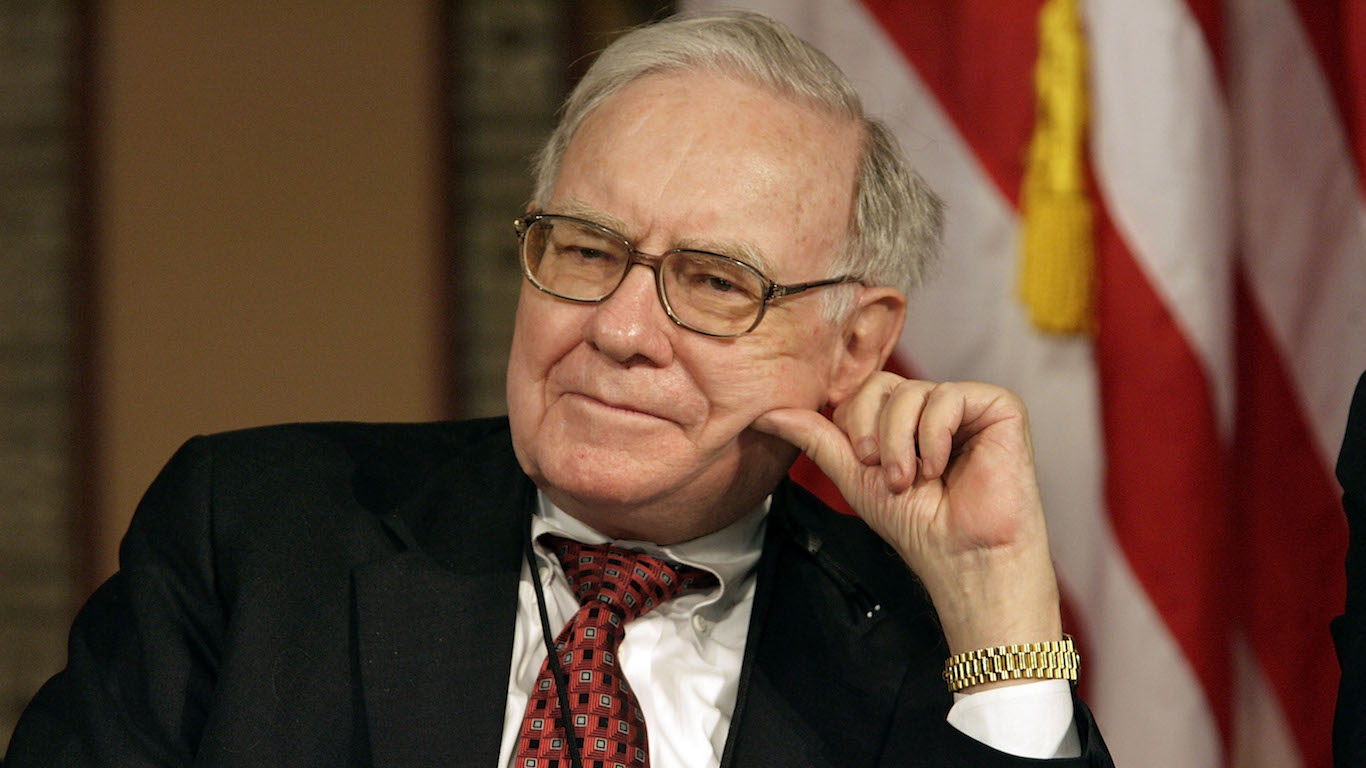
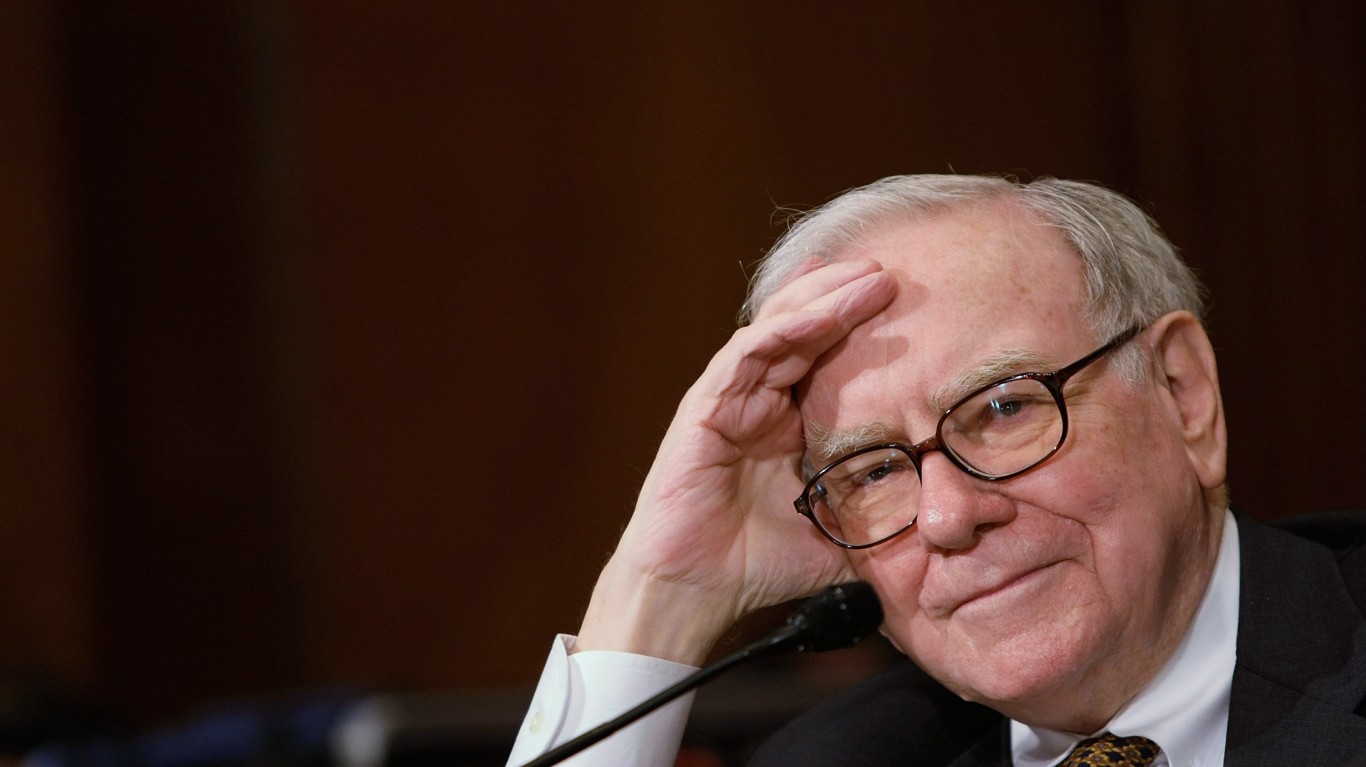
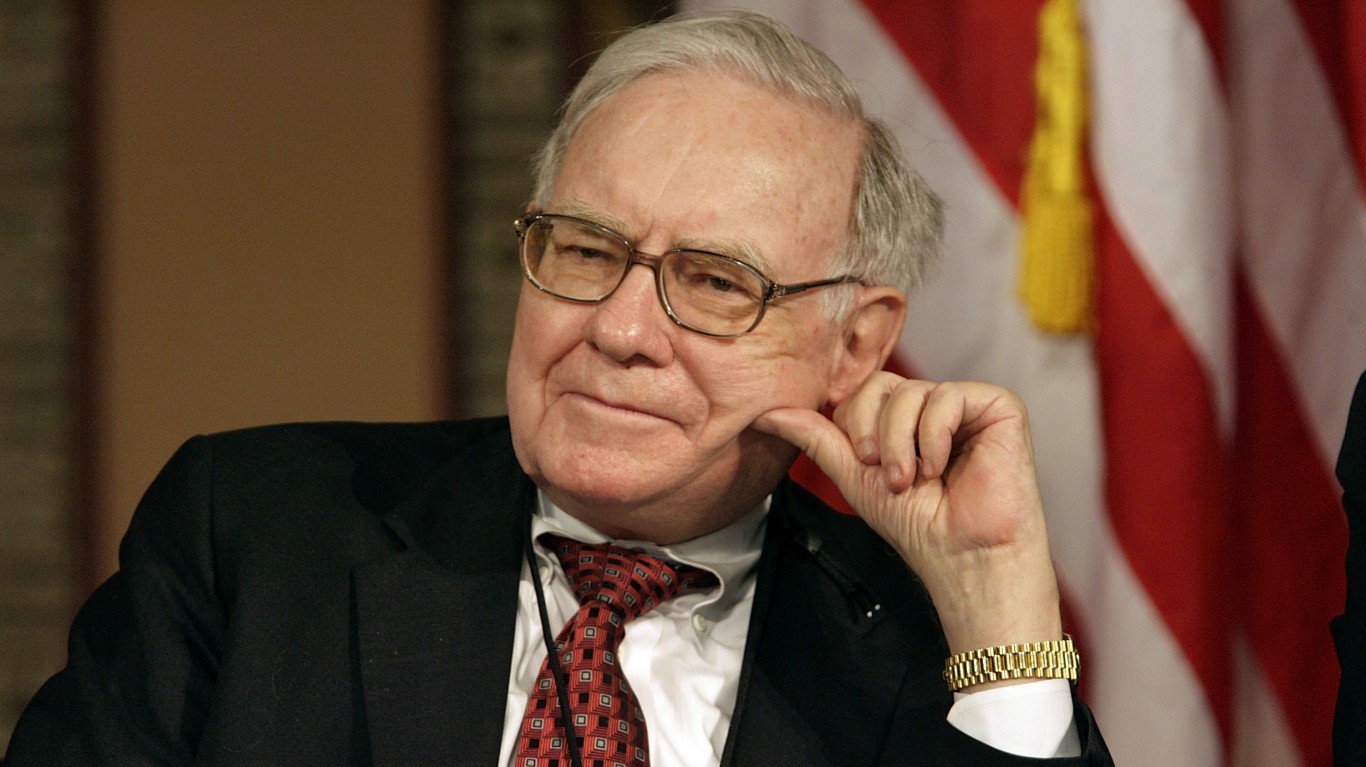
The leadership picture at Berkshire has now changed. Greg Abel formally took over as President and CEO on January 1, 2026, with Warren Buffett remaining as Chairman of the Board. Abel has pledged to maintain Berkshire’s core strategy, and the conglomerate’s fortress balance sheet (which held roughly $373 billion in cash and Treasury holdings heading into the transition) gives it considerable flexibility to act when opportunities appear. For a young investor looking to build wealth steadily with relatively low volatility, Berkshire remains a credible alternative to a broad index fund.
Editor’s note: This article has been updated to reflect 2026 Roth IRA contribution limits of $7,500 for those under 50 and $8,600 for those 50 and older, the S&P 500’s current trailing P/E of approximately 32x and forward P/E of 21x, and the completed leadership transition at Berkshire Hathaway, where Greg Abel became President and CEO on January 1, 2026, with Warren Buffett remaining as Chairman.
Contact [email protected] for any questions or corrections.
Joey is a 24/7 Wall St. contributor and seasoned investment writer whose work can also be found in publications such as The Motley Fool and TipRanks. Holding a B.A.Sc in Computer Engineering from the University of British Columbia (UBC), Joey has leveraged his technical background to provide insightful stock analyses to readers.
Joey's investment philosophy is heavily influenced by Warren Buffett's value investing principles. As a dedicated Buffett disciple, Joey is committed to unearthing value in the tech sector and beyond.