3 Facts About Medicare That Every American Over 60 Needs to Know
With significant changes to Medicare, Medicaid, and other components of President Trump’s One Big Beautiful Bill Act (OBBBA), signed into law on July 4, 2025, Americans of all ages face new considerations for retirement planning. How Medicare evolves remains uncertain.…

This post may contain links from our sponsors and affiliates, and Flywheel Publishing may receive compensation for actions taken through them.

Expanded Health Savings Account Access
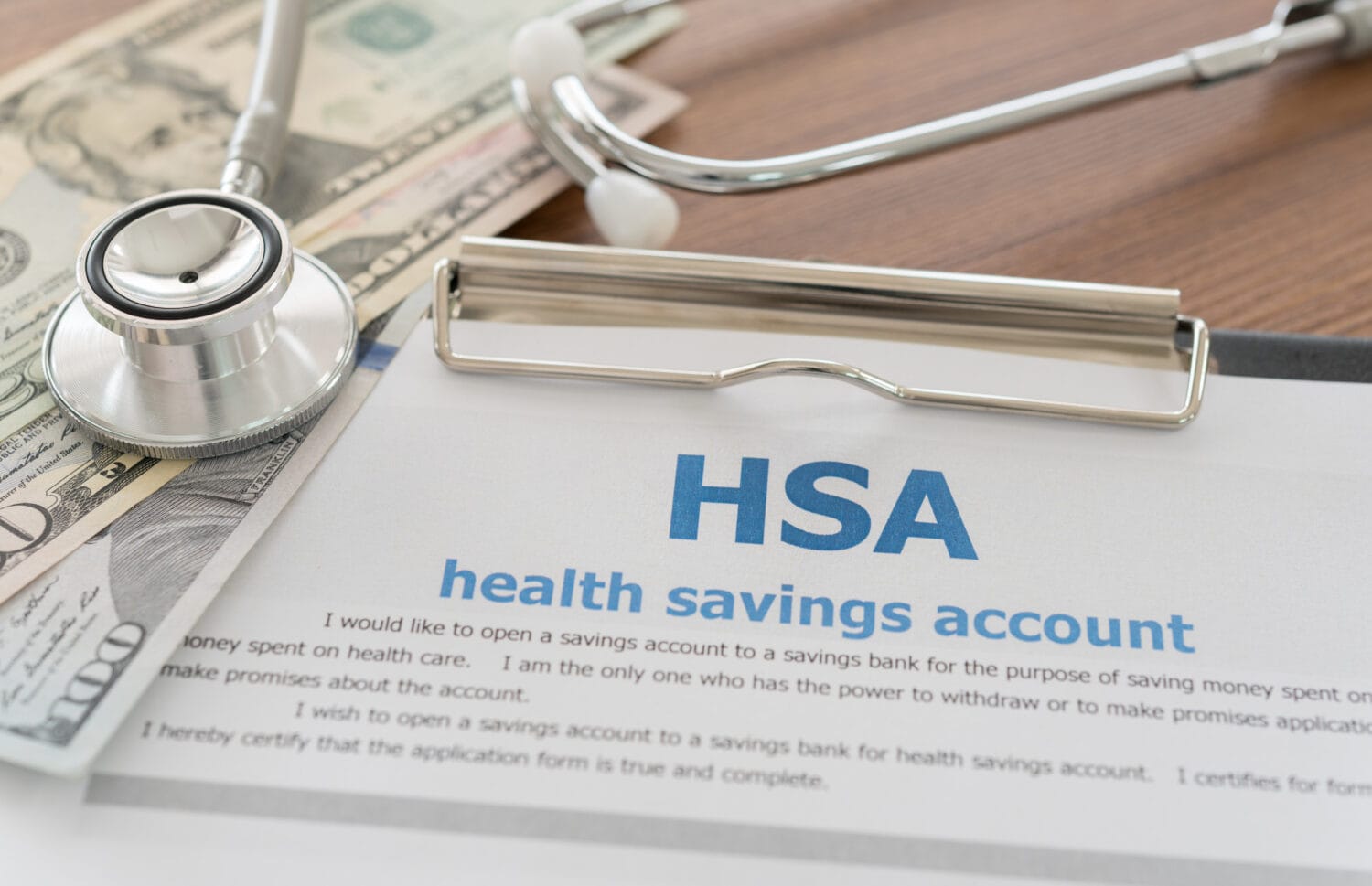
One of the most powerful tools for healthcare savings is the Health Savings Account (HSA). HSAs are triple-tax-advantaged**: contributions are tax-deductible (up to $4,300 annually for individuals in 2025, with higher limits for families and those over 55), earnings grow tax-free, and withdrawals for qualified medical expenses are tax-free . Unused funds can be rolled into an IRA after age 65.
Stricter Eligibility Requirements

The OBBBA introduces stricter eligibility and verification requirements for Medicare . Seniors may need to verify their income and residency more frequently, with heightened penalties for non-compliance. The goal is to ensure Medicare benefits are provided only to eligible U.S. citizens and legal residents, aligning with President Trump’s campaign promise to exclude undocumented immigrants from government-funded services.
Rural Hospitals Feeling the Love

Contact [email protected] for any questions or corrections.
Chris MacDonald is a 24/7 Wall St. contributor and long-time contributor to other notable finance publications, including The Motley Fool and InvestorPlace. With an MBA in Finance, and more than a decade of experience in venture capital and the corporate finance world, Chris brings a long-term perspective to his analysis of equities and alternative assets.
His love of investing and focus on finding quality undervalued stocks is complemented by recent research into alternative assets as well. He takes a long-term approach to analyzing companies and cryptos, with a focus on directing the reader to the most sustainable and important catalysts for each respective potential investment.