A Roth IRA Conversion Sounds Smart, but Is It Right for Your 401(k)?
When you leave a job, it is usually a smart move to take your 401(k) with you. That does not mean cashing it out, since doing that could trigger taxes and early withdrawal penalties. Instead, it means rolling the money…

This post may contain links from our sponsors and affiliates, and Flywheel Publishing may receive compensation for actions taken through them.

When you leave a job, it is usually a smart move to take your 401(k) with you. That does not mean cashing it out, since doing that could trigger taxes and early withdrawal penalties. Instead, it means rolling the money into a new retirement account, either the 401(k) at your next employer or an IRA you open on your own.
Leaving the funds in an old 401(k) can lead to problems. It is easy to forget about an account you are no longer watching. You also cannot be sure how your previous employer might change the plan in ways that are not ideal for you. Moving the money into a new retirement plan you actively manage is usually the safer choice.
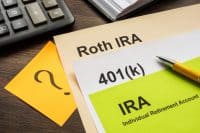
In the Reddit post, we have an employee who is leaving their job for an extended period to return to school. Since they will not be joining a new employer, they will not have a fresh 401(k) to roll their savings into. That raises the question of whether it makes sense to open an IRA, and specifically a Roth IRA.
There are many good reasons to consider rolling the funds into a Roth IRA. But the poster, and anyone in a similar situation, needs to approach that decision with some care
The upside of having a Roth IRA
There are several advantages that Roth IRAs offer compared with traditional IRAs, and many of these benefits become even more valuable the longer your money stays invested. A traditional IRA gives you tax deferred growth, which means your investments can compound without an immediate tax hit. However, once you reach retirement and begin taking withdrawals, every dollar of growth becomes taxable income. This can take a meaningful bite out of the money you worked hard to save.
A Roth IRA takes a very different approach. Your contributions go in after taxes, so you pay your tax bill up front. In exchange, your gains grow completely tax free for the rest of your life. If you contribute one hundred thousand dollars and your account eventually grows to one point one million dollars, the full one million dollar gain is yours without owing the IRS anything. That type of tax free compounding can make a huge difference, especially if you invest consistently over several decades.
Withdrawals from a Roth IRA are also tax free, which can create a much more comfortable financial picture in retirement. With a traditional IRA, you have to plan around the taxes that will come out every time you take money from the account. But with a Roth IRA, the withdrawals do not increase your taxable income, which can help you keep more benefits, reduce healthcare related costs tied to income, and give you more predictable spending power. If the idea of entering retirement without the added stress of tax planning appeals to you, a Roth IRA can be a very strong choice.
Another major advantage is the freedom from required minimum distributions. Traditional IRAs force you to start withdrawing money once you reach a certain age, whether you need the money or not. Roth IRAs do not impose this rule on the original owner. Your savings can stay invested indefinitely, which means they have more time to grow and can also be passed to heirs more efficiently. This flexibility is particularly helpful for people who expect to work past traditional retirement age, who anticipate uneven income needs, or who simply want to maximize long term growth.
For anyone leaving a job and deciding what to do with an old 401(k), a Roth IRA can be a compelling destination. It offers tax free growth, tax free withdrawals, and long term control over your assets. Those features combined can create a smoother and more predictable retirement strategy.
Be careful with a Roth conversion
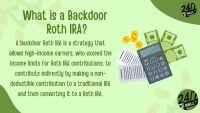
You are allowed to roll funds from a traditional 401(k) or IRA into a Roth IRA, and many people choose this path to take advantage of the long term tax benefits. But a conversion does not happen for free. If you go this route, you need to prepare for a tax bill, and depending on the size of your account, that bill can be substantial.
The 2026 High-Earner Mandate: Why Roth Matters Right Now
If you are age 50 or older and a high-earner, a major regulatory shift taking effect this year makes understanding the Roth ecosystem crucial. Under the SECURE 2.0 Act, starting in 2026, if your prior-year FICA earnings exceeded $150,000, any catch-up contributions you make to your employer’s 401(k) must be directed to a Roth (after-tax) account. While this eliminates the immediate tax break on those catch-up dollars, it highlights a broader legislative push toward Roth structures. Understanding how to handle older, pre-tax 401(k) balances via conversions is more critical than ever as your overall retirement portfolio shifts toward mixed-tax buckets.
Traditional 401(k) plans are funded with pre tax dollars, which means you have not yet paid taxes on that money. Roth IRAs are funded with after tax dollars, which means taxes have already been settled. When you convert from a traditional account into a Roth IRA, the amount you roll over is treated as taxable income in the year of the conversion. That can push you into a higher tax bracket if you convert too much at once, and it can also affect credits or deductions that are tied to income.
Traditional IRA Rollover vs. Roth IRA Conversion
If you decide to pull your money out of an old employer’s plan, a Roth conversion isn’t your only choice. You can opt for a standard direct rollover to keep your tax-deferred status intact.
| Feature | Direct Rollover (Traditional IRA) | Roth IRA Conversion |
|---|---|---|
| Immediate Tax Hit | None | Fully Taxable (Ordinary Income rates) |
| Future Growth | Tax-Deferred | Tax-Free |
| 2026 Contribution Limits | $7,500 ($8,600 if 50+) | N/A (Conversion amounts are unlimited) |
| Required Minimum Distributions (RMDs) | Required starting at age 73–75 | None during your lifetime |
| Best For… | High-earning years; avoiding immediate bills | Low-income or gap years (e.g., returning to school) |
Because of these complexities, it is very important to speak with a tax professional or financial advisor before you proceed. They can help you understand the full tax impact of a conversion, run projections on how different conversion amounts will affect your taxes, and guide you toward a plan that fits your overall financial picture. They can also help you think through the timing. Many people spread out their conversions over several years to keep their tax bracket in a reasonable range and avoid an unexpected bill.
Depending on your income and your long term plans, an advisor might recommend converting only part of your 401(k) balance this year and completing more of it the following year. They may also suggest pairing a conversion with a year when your income is lower, such as a sabbatical year, a career break, or a transition into retirement. These strategies can reduce the tax bite and make the conversion more affordable.
With the right planning, rolling an old 401(k) into a Roth IRA can be a very strong long term move. The tax free growth, tax free withdrawals, and lack of required distributions make the Roth structure appealing for many savers. The key is making the transition carefully so that the short term tax cost does not outweigh the long term benefit.
How to Execute Your Move Without Penalties
If you decide to move forward, avoid a “circumstantial check” made out to you personally, which triggers an automatic 20% federal tax withholding. Instead, follow these steps:
- Open the Receiving Account: Set up your destination Traditional or Roth IRA ahead of time with your chosen custodian.
- Request a Direct Rollover (FBO): Instruct your old 401(k) administrator to process a Direct Rollover. The check should be made out directly to your new custodian For the Benefit Of (FBO) [Your Name].
- Track the 5-Year Rule: Remember that converted Roth earnings must sit in the account for a full 5 tax years before they can be withdrawn tax-free, even if you are over age 59½.
- Calculate Your Bracket Space: If converting a large pre-tax 401(k), work with a professional to map out your federal income tax brackets, ensuring the conversion amount doesn’t accidentally push the remainder of your income into a higher marginal bracket.
Editor’s Note: This article has been updated to include 2026 tax regulatory updates under the SECURE 2.0 Act concerning high-earner Roth catch-up mandates, current 2026 IRA contribution boundaries, a comparative framework between Direct Rollovers and Roth Conversions, and a step-by-step procedural checklist for rolling over retirement assets. Structural adjustments were also made to reformat the risks section into a blockquote breakout layout.
Contact [email protected] for any questions or corrections.