A 78-Year-Old’s $1.2 Million Inherited Family Home Faces a $190,000 Capital Gains Surprise When the Heirs Missed the Step-Up
A simple piece of paperwork most heirs never hear about can cost a family six figures. The 78-year-old at the center of this scenario inherited her parents’ home jointly with two siblings eight years ago, when the property was worth…

This post may contain links from our sponsors and affiliates, and Flywheel Publishing may receive compensation for actions taken through them.
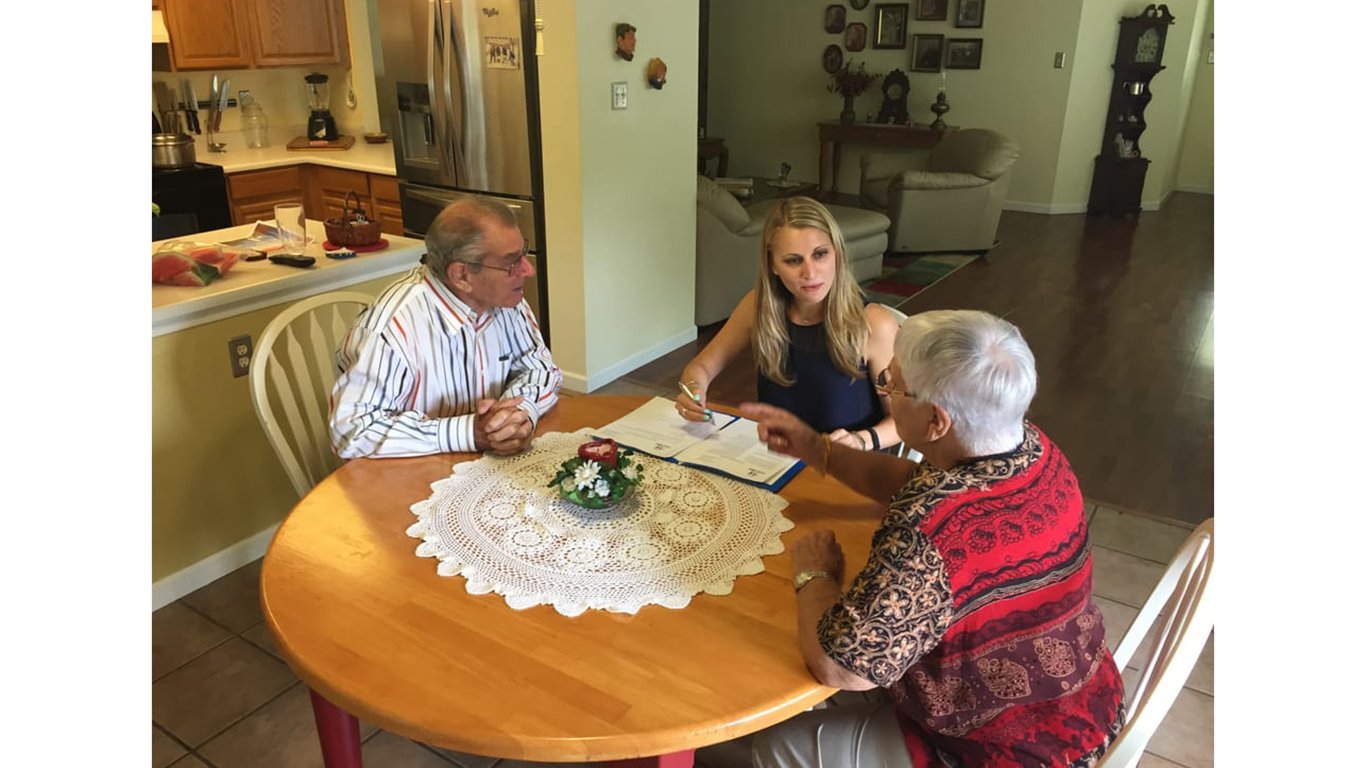
A simple piece of paperwork most heirs never hear about can cost a family six figures. The 78-year-old at the center of this scenario inherited her parents’ home jointly with two siblings eight years ago, when the property was worth roughly $1.2 million. Nobody ordered a date-of-death appraisal. Now the siblings want to sell at $1.45 million, and the IRS still has the original $80,000 purchase price from 1972 as the cost basis. That single oversight has turned a routine sale into a roughly six-figure tax mess.
The Setup in One Glance
- Owner: a 78-year-old retiree who inherited alongside two siblings.
- Parents’ 1972 purchase price of $80,000, which is what the IRS currently treats as the cost basis.
- Value at the parents’ death roughly eight years ago, around $1.2 million, based on contemporary comparable sales in the neighborhood.
- Current expected sale price of $1.45 million, with a buyer ready to close.
- The decision in front of the family: sell now and absorb the tax bill, or pause to restructure the basis paperwork first.
Threads on the Bogleheads forum and r/personalfinance are full of versions of this story. An adult child clears out a parent’s house, sells within a year or two, and assumes the basis “resets” automatically. Sometimes it does. Often, without an appraisal in the file, the IRS defaults to whatever paperwork it can find, which is usually the original deed.
The Step-Up Is the Whole Ballgame
Under IRC Section 1014, inherited property gets its cost basis “stepped up” to fair market value on the date of death. That single rule is the most valuable tax provision that most middle-class families ever touch. Decades of appreciation, fueled in part by inflation that has pushed the CPI to 330.3 and a housing market still running at 1.50 million annualized starts, simply disappear for tax purposes.
The math here is brutal when the step-up is missed. Compare the two paths on a $1.45 million sale:
| Item | No Step-Up | With Step-Up |
|---|---|---|
| Cost basis | $80,000 | $1,200,000 |
| Taxable gain | $1,370,000 | $250,000 |
| Federal LTCG (15%) | $205,500 | $37,500 |
| State tax (MA 5%) | $68,500 | $12,500 |
| NIIT (3.8%) | $52,060 | $9,500 |
| Total tax | ~$326,000 | ~$59,500 |
| Per sibling | ~$108,700 | ~$19,800 |
The avoidable damage runs roughly $89,000 per sibling, or about $267,000 across the family. After accounting for differing brackets and capital loss offsets across three returns, a defensible mid-range estimate of the unnecessary hit is around $190,000.
Three Paths Worth Considering
One, reconstruct the basis retroactively. A real estate appraiser can issue a retrospective date-of-death appraisal using eight-year-old comparable sales. Combined with an amended Form 706 or supplemental Form 8971, a tax attorney can often establish the stepped-up basis with the IRS. This is the highest-leverage move available and should be explored before any sale closes.
Two, use an installment sale. If the buyer will accept seller financing, spreading the gain across several tax years can keep each sibling out of the 20% LTCG bracket and reduce NIIT exposure. Helpful at the margin, but it does not fix the cost basis problem.
Three, sibling buyout plus Section 121. One sibling buys out the other two, lives in the home as a primary residence for at least two of the next five years, and claims the $250,000 single-filer (or $500,000 married) exclusion on a future sale. This only works if one heir actually wants to live there.
What to Do This Week
Before signing anything, get a retrospective appraisal ordered and a tax attorney engaged. The single most expensive mistake families make is assuming the step-up is automatic and self-documenting. The IRS needs evidence, and that evidence has to live in a file. A $600 appraisal, ordered the week a parent dies, is the cheapest tax shelter in the code. Skipping it can quietly cost a family the price of a second home.
Contact [email protected] for any questions or corrections.
Ian Cooper is a veteran market analyst and investment strategist with more than 20 years of experience covering stocks, commodities, and macro trends. Since 1999, he has helped investors identify market opportunities using a blend of technical analysis, fundamental research, and market sentiment.
He is the creator of the ADD News Flow Strategy, which focuses on trading market reactions to major news events and investor psychology. Cooper was also among the analysts who warned about the 2008 financial crisis and major financial institution collapses ahead of the broader market.
Before joining 247 Wall St., Cooper wrote extensively for InvestorPlace and other financial publications, covering market trends, trading strategies, and investment opportunities.