3 Reasons Retirees Should Reconsider Enrolling in a Standalone Medicare Drug Plan in 2026
You turn 65, sign up for Medicare, and a wall of mail arrives pushing standalone Part D drug plans. The default move for decades has been to pick one and forget it. For 2026, that default deserves a fresh look.…

This post may contain links from our sponsors and affiliates, and Flywheel Publishing may receive compensation for actions taken through them.
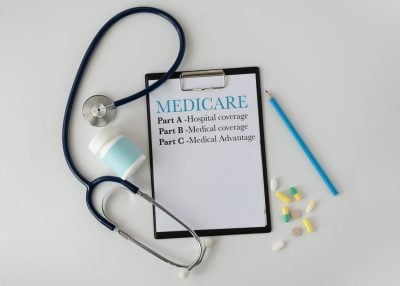
You turn 65, sign up for Medicare, and a wall of mail arrives pushing standalone Part D drug plans. For decades, the default move was to pick one and forget it. For 2026, that default deserves a hard look. The Inflation Reduction Act is now fully in effect, premiums and surcharges have shifted, and the standalone drug plan market itself has shrunk considerably, giving retirees fewer choices and more reason to compare carefully before open enrollment closes.
Part D still matters. The late enrollment penalty is permanent and widely misunderstood. The real question is which drug coverage path fits your situation, particularly if you take only a handful of medications today.
The 2026 numbers that frame the decision
- Part D national base beneficiary premium of $38.99 per month: This is the benchmark CMS uses to calculate late enrollment penalties and IRMAA surcharges. The figure rose 6% from $36.78 in 2025, which is the maximum annual increase permitted under the Inflation Reduction Act’s premium stabilization provision. Actual plan premiums vary by carrier and state, but this base drives the math behind every surcharge calculation. The average standalone PDP premium for 2026 is $34.50, down from $38.31 in 2025, as CMS’s voluntary Premium Stabilization Demonstration continues to cushion real-world costs.
- Maximum Part D deductible of $615: Plans can charge less, but no standalone drug plan can require you to pay more than this before cost-sharing begins. Many low-premium plans hit this cap, so factor it into total-cost comparisons rather than focusing solely on the monthly premium.
- Annual out-of-pocket cap on prescriptions of $2,100: The Inflation Reduction Act introduced a $2,000 cap in 2025 and indexed it upward. For 2026, CMS set the threshold at $2,100. Once your true out-of-pocket drug spending reaches that level, you pay nothing more for covered medications for the rest of the year, eliminating the old catastrophic coinsurance phase. Ten high-cost drugs, including Eliquis, Jardiance, and Xarelto, also carry federally negotiated Maximum Fair Prices for the first time in 2026, with discounts ranging from 38% to 79% off 2023 list prices, reducing what many enrollees owe before hitting the cap.
- IRMAA surcharge range for higher-income retirees of $14.50 to $91.00 per month: Retirees with modified adjusted gross income above $109,000 (single filers) or $218,000 (joint filers) pay this surcharge on top of their plan premium. That entry threshold rose from $106,000 for single filers in 2025. Because IRMAA is added regardless of which Part D plan you choose, high earners benefit most from selecting the lowest-premium compliant plan. The surcharge is based on your 2024 tax return, so income decisions made two years ago are already baked into your 2026 bill.
For a retiree paying the 2026 average of $34.50 a month in standalone premiums over 25 years, the total outlay reaches roughly $10,350, which can exceed what they ever recoup at the pharmacy counter if their drug needs remain modest.
Why the math changed this year
The single biggest structural shift is the $2,100 annual out-of-pocket cap, paired with the elimination of the catastrophic coinsurance phase. Before this rule, a cancer drug or specialty medication could expose a retiree to five-figure annual costs. Now the worst-case pharmacy bill is capped by statute, and premiums fund routine cost-sharing on prescriptions you actually fill rather than insuring against a liability that no longer exists in its old form.
For a retiree on no medications, the expected value of a richer plan drops sharply. For someone on three or four maintenance drugs, the cap remains useful, but the premium gap between the cheapest plan and a mid-tier plan rarely pays off in practice. Medicare’s drug price negotiation program added another layer of relief on January 1, 2026, when Maximum Fair Prices took effect for 10 widely used medications. CMS projects those prices will save Medicare beneficiaries $1.5 billion in out-of-pocket costs, with discounts ranging from 38% off for Imbruvica to 79% off for Januvia compared with their 2023 list prices. A second round of negotiations covering 15 additional drugs is already complete, with those negotiated prices taking effect on January 1, 2027, and CMS estimates net savings of $12 billion for Medicare from that second cohort.
The trap on the other side remains the late enrollment penalty. Skip Part D for five years and the Social Security Administration adds about $23 a month to your premium for life, based on 1% of the $38.99 base premium multiplied by 60 uncovered months. That works out to roughly $280 a year, every year, with no expiration date. The penalty math alone is why a placeholder plan beats no plan at all.
One more wrinkle retirees should account for: the standalone drug plan market contracted sharply for 2026. The number of available PDPs dropped 22%, from 464 plans in 2025 to 360. A typical Medicare shopper now has only 8 to 12 standalone plan options, compared with 12 to 16 options in 2025. Fewer choices put a greater premium on doing your homework during open enrollment rather than defaulting to what you had last year.
Three reasons to reconsider a standalone plan
- The cheapest compliant plan often wins. If you take few or no drugs, Part D’s role in 2026 is mainly to avoid the lifetime penalty and preserve access to the $2,100 cap if your health changes. Paying for a richer formulary you don’t use drags on total cost with little offsetting benefit. The lowest-premium plan in your state, paired with GoodRx (NASDAQ: GDRX | GDRX Price Prediction) or Costco (NASDAQ: COST) cash pricing for cheap generics, frequently beats a mid-tier plan on total annual spend.
- A Medicare Advantage drug plan (MA-PD) may already include it. If you are weighing Original Medicare plus Medigap plus standalone Part D against an MA-PD bundle, the bundle folds drug coverage into a single premium averaging just $11.50 a month in 2026, per CMS projections. The tradeoff is network restrictions and prior authorization requirements. For healthy retirees who value a single bill and lower upfront cost, an MA-PD removes the standalone Part D decision entirely. That said, the two largest MA insurers, UnitedHealthcare and Humana, are each exiting hundreds of counties in 2026, so check whether your preferred plan is still available in your area. For retirees who travel often or want any-provider access, Original Medicare plus a standalone Part D plan still holds the advantage.
- IRMAA surcharges punish high earners twice. A retiree in the top income band pays the Part B surcharge plus a Part D IRMAA of up to $91 a month. Add the $38.99 base premium and the total is already around $130 a month, pushing annual Part D cost toward $1,560 before a single prescription is filled. If your modified AGI puts you in IRMAA territory, the cheapest base plan limits the surcharge damage, since the IRMAA amount is added on top regardless of which plan you choose. And because IRMAA functions as a cliff rather than a phase-in, crossing a threshold by even one dollar triggers the full surcharge for the entire year.
What to do during open enrollment
Evaluate your actual medication list and your projected income two years out, since IRMAA looks back at your 2024 tax return for 2026 premiums. If you have creditable drug coverage through a former employer or a spouse’s active plan, document it carefully. That coverage defers the penalty clock, and losing it later triggers a special enrollment window without lifetime surcharges.
The most common costly mistake is autopilot. Plans change formularies and premiums every year, and with the standalone PDP market at its smallest in years, the plan you enrolled in last fall may no longer be the best fit or even available at the same terms. Re-shop annually on Medicare.gov’s plan finder using your current drug list. Five minutes of comparison effort routinely saves several hundred dollars, and it is the only reliable way to ensure the cap, the premium, and your prescriptions still line up.
Editor’s note: This article has been updated to reflect the 2026 average standalone Part D premium of $34.50 (down from $38.31 in 2025) and the adjusted 25-year premium outlay estimate based on that figure, the IRMAA single-filer threshold increase from $106,000 in 2025 to $109,000 in 2026, and CMS’s announcement that a second round of Medicare drug price negotiations covering 15 additional drugs will bring those negotiated prices into effect on January 1, 2027, with estimated net Medicare savings of $12 billion from that cohort.
Contact [email protected] for any questions or corrections.
Ian Cooper is a veteran market analyst and investment strategist with more than 20 years of experience covering stocks, commodities, and macro trends. Since 1999, he has helped investors identify market opportunities using a blend of technical analysis, fundamental research, and market sentiment.
He is the creator of the ADD News Flow Strategy, which focuses on trading market reactions to major news events and investor psychology. Cooper was also among the analysts who warned about the 2008 financial crisis and major financial institution collapses ahead of the broader market.
Before joining 247 Wall St., Cooper wrote extensively for InvestorPlace and other financial publications, covering market trends, trading strategies, and investment opportunities.