Medicare Just Cut the Price of 10 Common Drugs by Up to 79%. Check If Yours Made the List
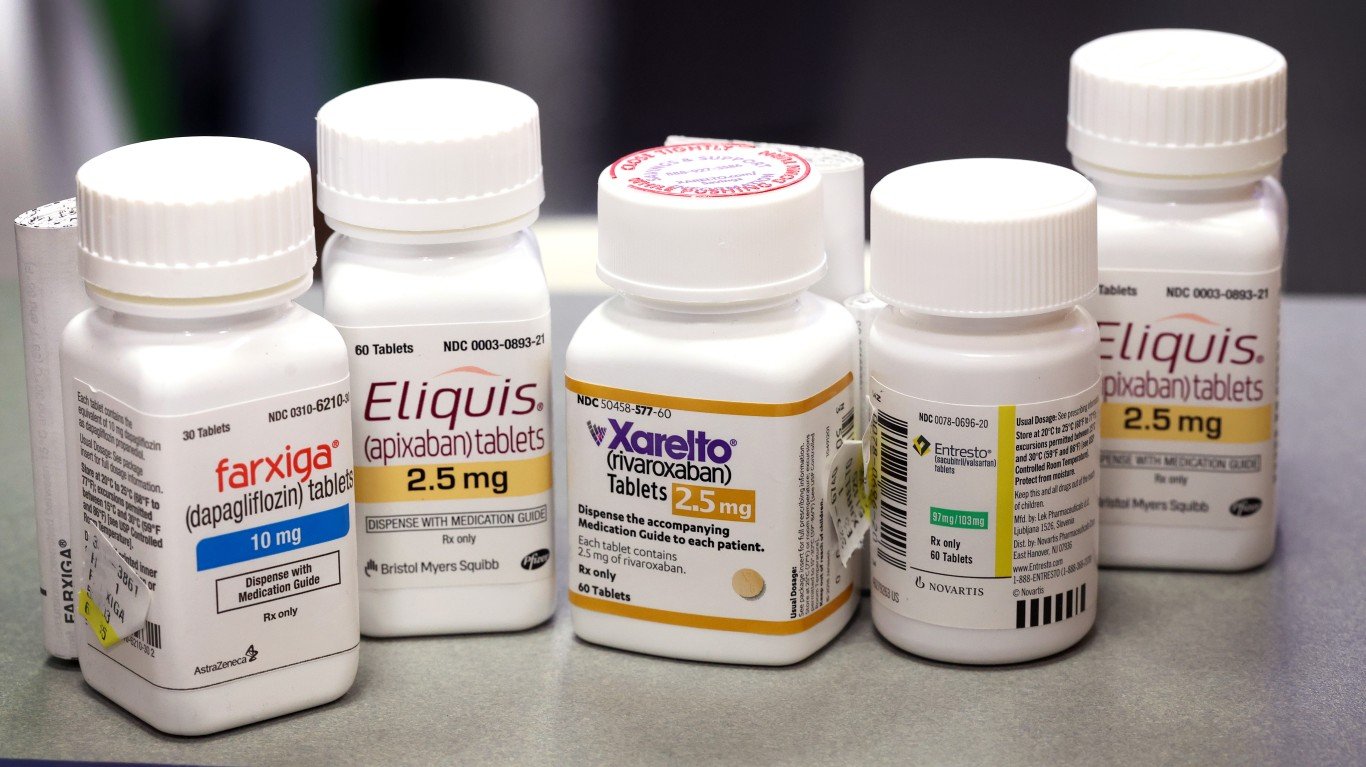
If you take Eliquis, Januvia, or one of eight other widely prescribed brand-name drugs, your Medicare Part D plan started paying a different price for it on January 1, 2026. The list price the federal government negotiated is anywhere from…

This post may contain links from our sponsors and affiliates, and Flywheel Publishing may receive compensation for actions taken through them.

If you take Eliquis, Januvia, or one of eight other widely prescribed brand-name drugs, your Medicare Part D plan started paying a different price for it on January 1, 2026. The list price the federal government negotiated is anywhere from 38% to 79% lower than the 2023 list price. Whether that shows up in your wallet depends on a separate set of rules, and a lot of readers are about to be disappointed by the difference.
This article is for Medicare beneficiaries who take one of the drugs selected for the first round of price negotiations under the Inflation Reduction Act. If none of these medications are in your medicine cabinet, the direct impact on your prescription costs is likely limited. If one of them is, the math below explains what the negotiated price means for your out-of-pocket costs and what it does not.
The 10 Drugs and the Headline Discounts
The Centers for Medicare & Medicaid Services selected these drugs under the Inflation Reduction Act’s Drug Price Negotiation Program. The negotiated “Maximum Fair Prices” took effect on January 1, 2026:
- Eliquis (blood thinner)
- Jardiance (diabetes, heart failure)
- Xarelto (blood thinner)
- Januvia (diabetes)
- Farxiga (diabetes, heart failure, kidney disease)
- Entresto (heart failure)
- Enbrel (rheumatoid arthritis, psoriasis)
- Stelara (psoriasis, Crohn’s)
- Imbruvica (blood cancers)
- Fiasp/NovoLog (insulin)
The biggest cut went to Januvia: CMS knocked the 30-day list price from $527 to $113, a 79% reduction. The smallest cut, on Imbruvica, still trimmed the list price by 38%. Together, these 10 drugs accounted for about 20% of Medicare Part D gross drug spending in 2023, meaning the program is targeting a significant share of the prescription spending that drives Medicare’s costs.
Why the 79% Cut Does Not Mean a 79% Refund
This is where most people get the math wrong. The discount is off the manufacturer’s list price, which is what Medicare and the plan pay. What you pay at the pharmacy depends on your plan’s cost-sharing rules: the deductible, the copay or coinsurance tier the drug sits in, and whether you have a Medicare Advantage plan with a drug benefit or a standalone Part D plan.
Here is the more important number for 2026. Part D now includes a $2,100 annual out-of-pocket cap for covered prescription drugs. Once a beneficiary reaches that limit through deductible payments, copays, and coinsurance, covered Part D drugs cost $0 for the remainder of the calendar year. For patients taking very expensive medications, the cap often has a larger effect on out-of-pocket spending than the negotiated price itself. A beneficiary using a high-cost specialty drug may reach the cap relatively early in the year and then owe nothing further for covered prescriptions.
For someone taking only Eliquis or Januvia, the practical effect is different. The lower negotiated price reduces the coinsurance percentage applied to a smaller number, so the monthly copay drops, but most enrollees on a single common drug never reach the $2,100 cap anyway. The win is smaller and shows up as a lower monthly bill.
Context: Why This Matters in 2026
The 2026 Social Security COLA came in at 2.8%, while healthcare services inflation has run at 3.49% year over year through April. Retirees are losing ground on medical costs every year. A negotiated drug price that holds a list price flat (or cuts it) is one of the few line items in a Medicare budget moving the right direction.
What to Do
- Pull your current Part D Explanation of Benefits and check whether any of the 10 drugs are on it. If yes, compare your January 2026 copay to your December 2025 copay for the same fill. The change is the real-world impact for you.
- If you are on Imbruvica, Stelara, Enbrel, or another high-cost drug on the list, plan around the $2,100 cap. You will almost certainly hit it. Ask your plan about the Medicare Prescription Payment Plan, which lets you spread that $2,100 across monthly installments instead of paying it in January and February.
- Re-shop your Part D plan at the next Annual Enrollment Period (October 15 to December 7). Plans adjust formularies and tiering every year in response to the negotiated prices, and the cheapest plan for your drug list in 2026 may not be the cheapest in 2027.
CMS has already selected the next set of drugs for negotiation, with prices taking effect in 2027 and beyond. The program is expanding. If your prescription is not on the current list, it may be on the next one.
Source note: Drug list, discount range, and effective date from CMS, Medicare Drug Price Negotiation Program (initial price applicability year 2026). Part D out-of-pocket cap and deductible figures reflect 2026 plan-year rules.
Contact [email protected] for any questions or corrections.
Drew Wood has edited or ghostwritten nine books and published more than 1,500 articles on investing, business, politics, travel, world cultures, wildlife, and earth science. He holds a doctorate and four master's degrees and has nearly 30 years of college teaching experience. His travels have taken him to 25 countries, including three years living in Ukraine.