Dave Ramsey Challenges Young Earner’s Generational Blame Over $650,000 Home Gap
On the May 19, 2026 episode of The Ramsey Show, a listener named Owen from upstate New York wrote in with a complaint that landed somewhere between a financial question and a generational grievance. He earns $124,000 a year across…

This post may contain links from our sponsors and affiliates, and Flywheel Publishing may receive compensation for actions taken through them.

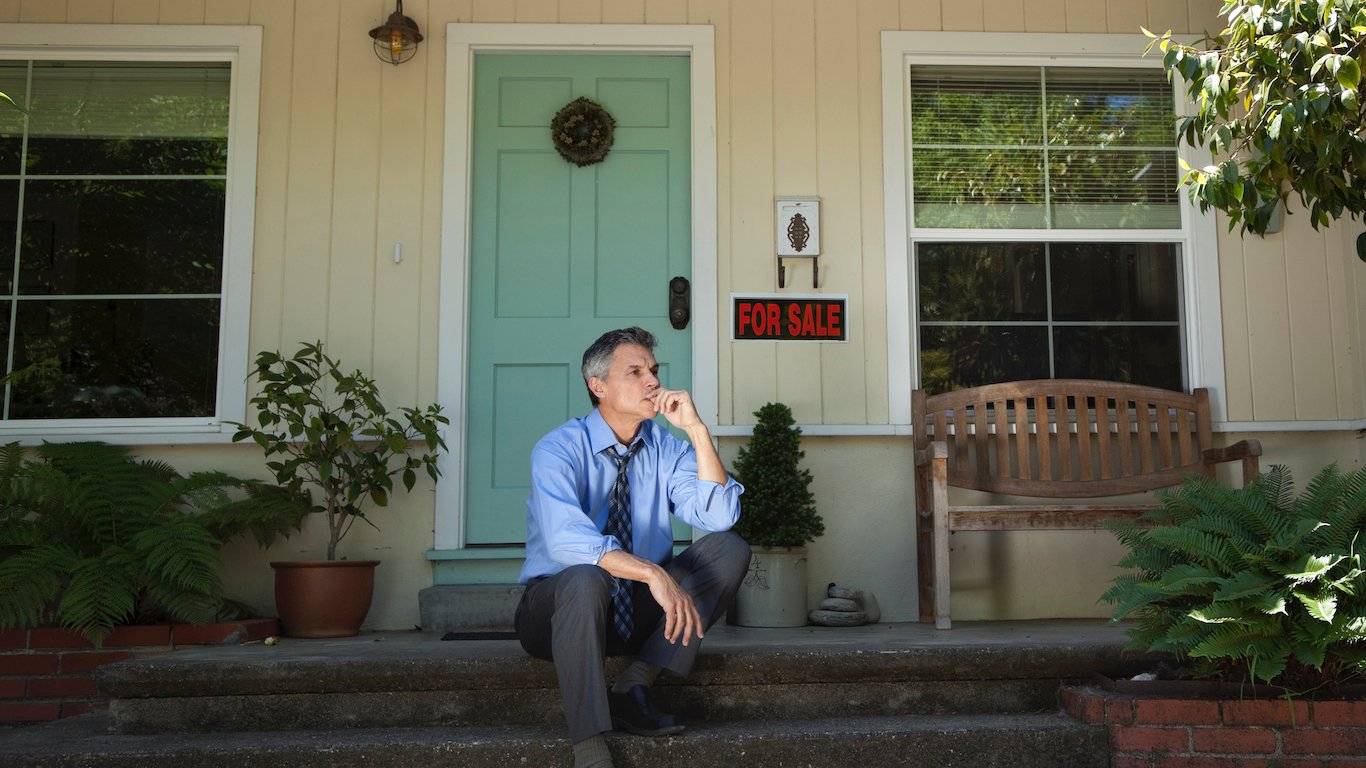
On the May 19, 2026 episode of The Ramsey Show, a listener named Owen from upstate New York wrote in with a complaint that landed somewhere between a financial question and a generational grievance. He earns $124,000 a year across two jobs, drives a used car, went to a cheap in-state school, and still cannot buy a house. His parents, meanwhile, own a $650,000 home. His question to Dave Ramsey and Rachel Cruze: “How can I possibly afford a home and how do I stop being this angry about being stolen from by the boomer generation?”
Ramsey’s reaction was blunt. “He’s mad at the entire boomer generation. How dare you?” Cruze followed: “How dare you own a home?” The stakes for any reader in Owen’s position are concrete. Channel the frustration into a savings plan and you buy a house in a few years. Channel it into resentment and you are still renting in 2030 while rates, prices, and property taxes keep moving.
The verdict: Ramsey is mostly right, and the math proves it
Owen earns nearly double the national per capita disposable income of $68,617. Even adjusted for New York’s elevated cost of living, where the regional price parity index sits at about 108 against a national baseline of 100, $124K is real money. The constraint is the national savings rate, which has fallen from 6.2% in the first quarter of 2024 to 4% in the first quarter of 2026, even as disposable income kept rising.
Run the down payment math. Assume Owen rents reasonably and clears $6,000 a month after taxes. If he saves 20% of take-home, that is $1,200 a month, or $14,400 a year. Park it in a high-yield savings account earning roughly 4%, in line with the current fed funds upper bound of 3.75%, and in three years he has close to $45,000 before interest. That is a 10% down payment on a $450,000 home, or an FHA-eligible stake on something pricier. The path exists. It just requires treating the savings rate as a personal choice rather than accepting the national average.
Where Owen is not wrong
Ramsey did not pretend the structural complaint was imaginary. He cited the figure directly: “The median home price is now roughly 6 times the median household income. When you look back at the 1970s, it was like 2 times.” That is the single most important number in this debate. A buyer in 1975 needed two years of gross household income to match the median home price. Today it takes six.
The rate environment is not helping. The 10-year Treasury yield, which sets the floor for 30-year mortgages, is almost 4.6%, near the top of its 12-month range. Consumer sentiment is at 53.3, which the University of Michigan categorizes as recessionary. CPI is up roughly 3.7% over the past 12 months. None of that is in Owen’s head.
Ramsey also pointed at policy. He detailed the 21st Century Road to Housing Act, a bipartisan bill whose Senate version passed 89 to 10. It would block large institutional investors from buying more single-family homes and force any owner of 350 or more homes to sell within seven years. The House released an amended version that “quietly stripped out these key provisions that gave the bill its teeth.” Ramsey urged listeners to call their representatives.
The variable: property taxes versus principal
For Owen specifically, the deciding factor is upstate New York’s roughly $1,000 a month in property taxes. On a $400,000 home with 10% down at current mortgage rates, principal and interest run around $2,200 a month. Add taxes and insurance and the carrying cost lands near $3,500. Move the same buyer to a low cost-of-living state, where the regional price parity index sits closer to 87, and the same income stretches dramatically further. Geography is doing more work in this calculation than income is.
What to actually do
- Build the down payment fund first. Open a high-yield savings account, automate transfers on payday, and target 15% to 20% of take-home. Do not invest down payment money in equities on a three-year horizon.
- Price the carrying cost, not the sticker. Use a mortgage calculator that includes property taxes and insurance. In high-tax counties, taxes can rival principal.
- Run the geography math. If remote work is an option, compare your current after-tax income against a lower cost-of-living market before assuming you are stuck.
- Engage on the policy. Ramsey’s specific ask was to contact representatives about the weakened House version of the housing bill. That is a five-minute action with real leverage.
Owen’s anger is partially earned. His solution should be a savings plan, not a grievance.
Contact [email protected] for any questions or corrections.
I am a long time investor and student of business, and believe finding good companies that can become great investments is the best game on earth. After 20 years of writing and researching the public markets it is clear that individuals have never had more tools and information to take control of their financial lives. From ETFs and $0 commissions to cryptos and prediction markets there has never been a greater democratization of access to investing.
I write to help people understand the investments available to them so they can make the best choice for their portfolio, whether they're starting out or looking for income in retirement.