‘That Version of Philip Works 60 Hours, Two Jobs, Three Jobs’: Dave Ramsey to 49-Year-Old Living Below the Poverty Line in Los Angeles
Philip is 49, working part-time in one of the most expensive cities in America, and cannot stop adding to his debt. Dave Ramsey told him the budget was never the problem.

This post may contain links from our sponsors and affiliates, and Flywheel Publishing may receive compensation for actions taken through them.
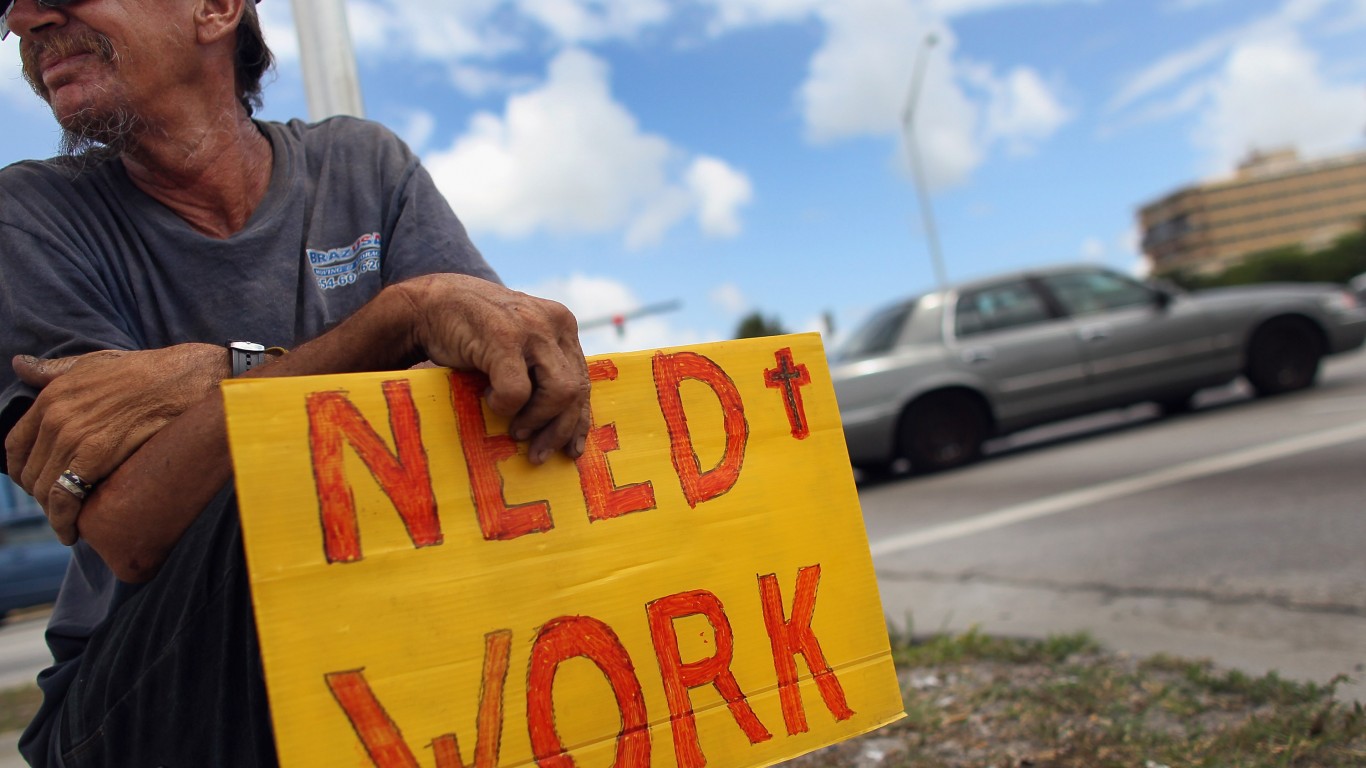
On July 23, a caller named Philip told Dave Ramsey he could not stop taking on new debt. He is 49, works part-time as a grocery store courtesy clerk in Southern California, and shares a household income of roughly $40,000 to $45,000 with his wife. The debt was credit cards and routine medical bills, copays, doctor visits, dental care. When asked why he was not working full-time, Philip said, “A lot of emotional stuff, a lot of baggage, a lot of… yeah, I have a long history.”
Ramsey’s response cut past budgeting: “The stronger version of Philip that’s got the scars of the past healed enough to function at full capacity, that version of Philip works 60 hours, two jobs, three jobs. And that version of Philip brings home a lot more money than $45,000 in Los Angeles.”
The Verdict: Ramsey Is Right, and the Math Is Brutal
Ramsey named the real problem. In Los Angeles, a $40,000 to $45,000 household income is an income problem, not something a budget can solve. Cutting streaming subscriptions will not close this gap.
California’s Regional Price Parity index sits at 110.72, meaning expenses run roughly 11% above the national baseline. Per capita personal income in California is $86,378, and the state’s real income figure is $78,015. Philip’s household brings in roughly half of what the average single Californian earns individually.
The Bureau of Labor Statistics puts average annual consumer expenditures at $78,535 in 2024. Philip and his wife are trying to fund a life that typically costs close to $80,000 on a paycheck of around $45,000. The gap gets filled with plastic.
That plastic is expensive. The Federal Reserve’s most recent read on the average credit card APR is 21%, which the Fed’s series notes is in record territory. On a $10,000 revolving balance at that rate, interest alone eats roughly $2,000 a year. A copay charged to a credit card and carried for a year effectively costs a fifth more than the doctor billed. This is why Ramsey’s Baby Step 2, the debt snowball, keeps stalling. You cannot outrun 21% interest on $45,000 of gross income in a city with LA rents.
The Variable: Hours Worked
Median usual weekly earnings for full-time workers hit $1,251 in the second quarter of 2026. A single full-time job at the national median would roughly double Philip’s household take. Rachel Cruze framed it directly: “There’s a confidence and a rhythm that’ll double your income. That is good for you, Philip.”
Two scenarios make this concrete. Scenario one: Philip stays part-time, keeps charging medical copays, and carries a balance at 21% APR. The debt grows faster than any budget can shrink it. Scenario two: Philip moves to full-time work at national median wages. Household income roughly doubles, credit cards can be paid down instead of rolled, and medical bills become line items instead of emergencies. Same person, same city, same rent. The only variable is hours worked.
Cruze pushed Philip to treat the work itself as part of the healing: “I think it’s part of your healing journey to go and be productive.” That framing matters because the FINRA Foundation’s 2024 National Financial Capability Study found a substantial decline in the percentage of respondents who reported no difficulty covering monthly expenses, with strain concentrated among households earning under $25,000 and in the middle-income band. Philip is not an outlier. He is inside a national pattern where income is the binding constraint.
What Philip, and Anyone in His Spot, Can Actually Do
- Cut up the credit cards. Cruze said it plainly: “I would cut up the credit cards, not make it an option.” At 21% APR, the card is the trap.
- Build the budget as a job. Ramsey’s instruction was to “Pretend that someone is paying you $100,000 a year to manage this couple’s budget in Los Angeles.” Use the EveryDollar app or any zero-based tool and assign every dollar a name before the month starts.
- Add hours before optimizing pennies. A second shift at national median wages closes more of the gap than every coupon in the county combined.
- Separate the healing work from the earning work. Therapy, groups, and primary care for mental health should run in parallel with the paycheck, not before it.
- Address the medical debt directly. Ask each provider for a hardship discount or an interest-free payment plan before it hits a credit card at 21%.
Ramsey’s core message to Philip is uncomfortable and correct: in a $110-cost-of-living state, a $45,000 household income is the problem, and the fix is on the earnings side of the ledger.
Contact [email protected] for any questions or corrections.
I am a long time investor and student of business, and believe finding good companies that can become great investments is the best game on earth. After 20 years of writing and researching the public markets it is clear that individuals have never had more tools and information to take control of their financial lives. From ETFs and $0 commissions to cryptos and prediction markets there has never been a greater democratization of access to investing.
I write to help people understand the investments available to them so they can make the best choice for their portfolio, whether they're starting out or looking for income in retirement.