Dave Ramsey to 27-Year-Old: ‘You’re Way Too Broke to Support Others’
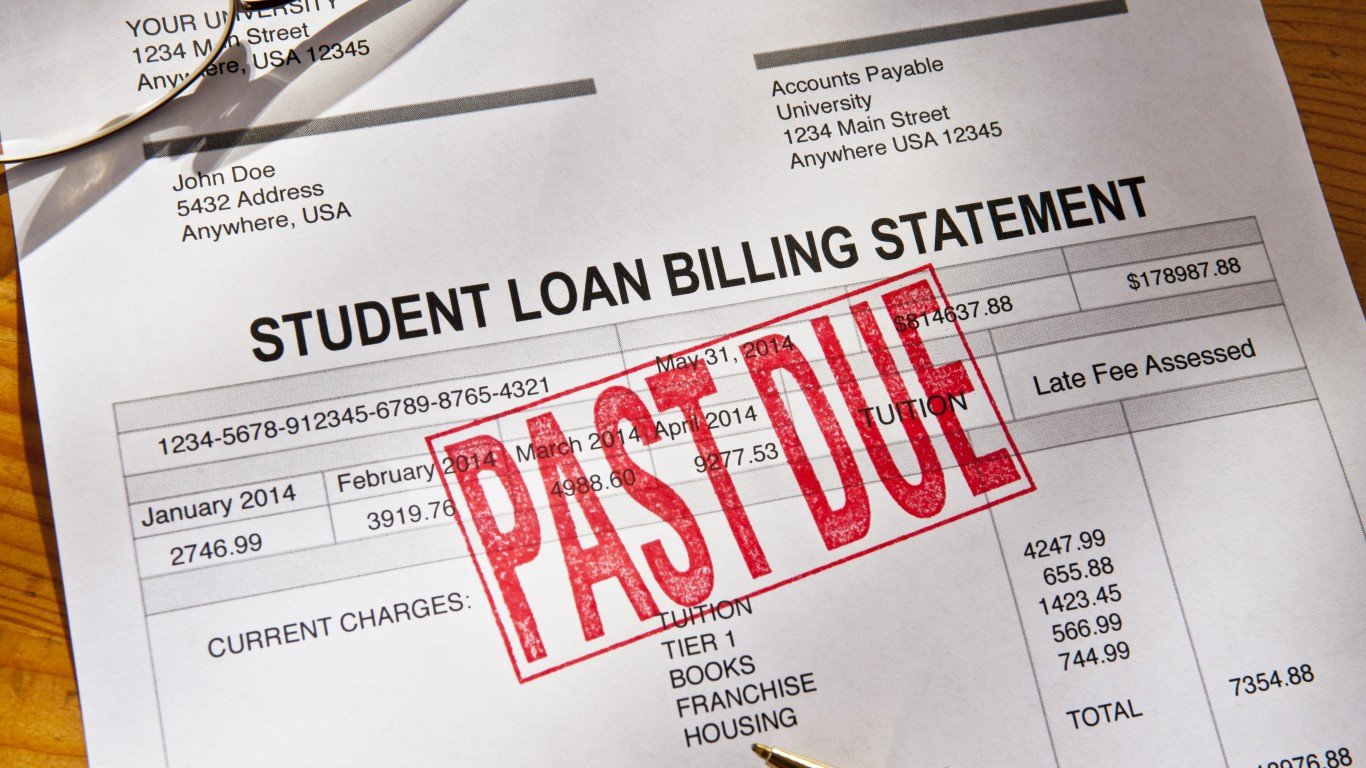
Jay, a 27-year-old from Oklahoma City, called The Ramsey Show carrying $35,000 to $45,000 in debt while attending school, working two jobs, and quietly making the monthly note on his disabled father’s truck. Dave Ramsey did not soften the diagnosis:…

This post may contain links from our sponsors and affiliates, and Flywheel Publishing may receive compensation for actions taken through them.

Jay, a 27-year-old from Oklahoma City, called The Ramsey Show carrying $35,000 to $45,000 in debt while attending school, working two jobs, and quietly making the monthly note on his disabled father’s truck. Dave Ramsey did not soften the diagnosis: “You are way too broke to be supporting other people. That’s why you’re stuck.”
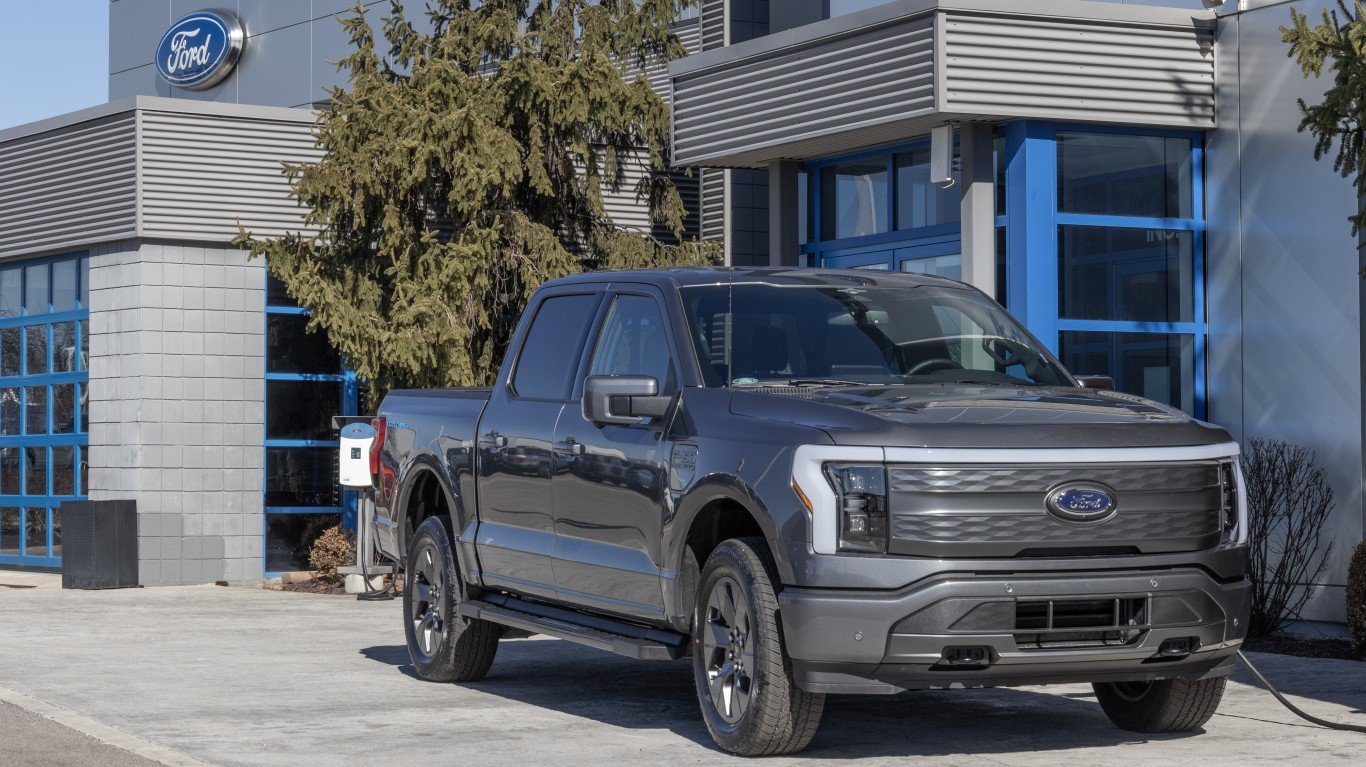
The stakes here are not abstract. Jay co-signed his family’s stability onto a balance sheet that cannot carry it. The car in question is a 2018 GMC Denali with $21,000 still owed and a $508 monthly payment. Jay earns $3,200 to $3,500 a month. One vehicle he does not drive is eating roughly a sixth of his gross income.
The verdict: Ramsey is right, and the math is brutal
Jay’s instinct is generous. The structure he built around it buckles under the weight. When he told Ramsey, “It just, you know, hurts because I want to help,” Ramsey answered with the line that defines the entire situation: “I want you to be able to help, but you’re not helping. You’re hurting because you’ve, quote, you guys have woven together a situation that is not good for any of you.”
Walk the numbers. A $508 payment on a depreciating truck, paid out of a $3,200 paycheck, is a structural leak in the budget. Over twelve months, that single payment consumes roughly $6,096 of after-tax income. Jay also still owes $11,000 on a 2021 Hyundai Elantra, plus credit cards and personal loans. The Denali payment alone, redirected to the rest of the debt, changes the slope of the entire payoff curve.
Ramsey’s claim that Jay could be debt-free in about a year is arithmetic, not a pep talk’s worth of motivation. Jay lives with his parents and has no rent. If the Denali is sold and the truck payment vanishes, the same paycheck that currently treads water suddenly throws roughly $6,000 a year at the remaining balances. Most Ramsey callers in baby step two clear their debt in 18 to 24 months; Jay, without rent and without the Denali, compresses that timeline because his fixed costs collapse.
The macro picture makes the urgency sharper. The personal savings rate has slid from 6.2% in Q1 2024 to 3.7% in Q1 2026. Consumer sentiment sits at 49.8 in April 2026, below the 60-point recessionary threshold. CPI hit 332.4 in April 2026, with prices still climbing. Carrying someone else’s car loan in this environment amounts to delayed insolvency.
The variable: who actually owns the obligation
The factor that decides whether Jay’s help is sustainable comes down to who legally owns the debt. Jay’s mother earns $20 an hour, and his father receives SSI disability benefits. Ramsey’s framing was blunt: “Your dad’s income from disability and your mom’s $20 an hour adds up together to determine what kind of car they pay cash for. And they manage their lives. They’re like grown-ups and stuff.”
Run the two scenarios. Scenario A: Jay keeps the Denali. His parents preserve a nicer vehicle, Jay’s payoff stretches three to four years, interest accrues, and one medical bill or car repair tips him into deeper credit card debt. Scenario B: the Denali is sold, his parents scratch together $5,000 to $6,000 for a paid-off car, and Jay clears $40,000 in roughly twelve months. The family loses status on the driveway and gains an adult son who is solvent enough to actually help in a crisis.
Healthcare spending now runs at $3,700.1 billion annualized, or 16.8% of total consumer spending. For a household with a disabled member, future medical costs are the real exposure. A debt-free 27-year-old can absorb that shock. A 27-year-old making a $508 payment on a truck cannot.
What Jay, and you, should actually do
- List every debt by balance and interest rate. The Denali is legally Jay’s, whatever the family arrangement feels like; treat it as line one.
- Sell the vehicle that does not serve the debt-payoff plan. If it sells for less than the loan balance, the gap is still smaller than another year of $508 payments.
- Hand the transportation problem back to the people whose transportation it is. A $5,000 cash car is a reasonable starting point.
- Redirect the freed cash flow to the smallest remaining balance, then the next, until the list is empty.
- Replace financial support with presence. Ramsey’s closing point to Jay was that emotional support, coaching, and showing up for dinner is the help a broke 27-year-old can actually deliver without sinking the ship.
You cannot rescue anyone from inside a hole you are still digging. Fix your own balance sheet first, then the help you offer becomes real.
Contact [email protected] for any questions or corrections.
I've spent more than 15 years inside enterprise software, working alongside the finance, sales operations, and HR leaders who run the revenue engines at some of the largest tech companies in the country.
My day job is helping enterprise executives make smarter decisions about retention, compensation, and growth. These are the same operational levers that show up in every earnings report investors actually read. That perspective shapes my writing for 24/7 Wall St.
The headline numbers are easy. The interesting stuff is underneath: how companies make money, what executives are worried about, and what any of it means for the person checking their 401(k) on a Sunday afternoon. I write about personal finance and business as someone who has spent her career inside the rooms where these decisions get made.