I’m 36 with $75,000 in debt and a $34,000 underwater car loan. Dave Ramsey says the dealer set me up: here’s my way out
A 36-year-old truck driver called Dave Ramsey carrying $75,000 in debt and a car loan so far underwater it could sink his fresh start before it begins. What Ramsey told him next reframes the entire problem.

This post may contain links from our sponsors and affiliates, and Flywheel Publishing may receive compensation for actions taken through them.

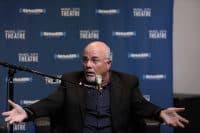
Dave Ramsey came in blunt when Christopher, a 36-year-old first-month over-the-road truck driver, called into The Ramsey Show segment “Nobody Else Gets A Vote On Your Finances.” Christopher laid out $75,000 in total debt, a car loan roughly $9,000 underwater, and take-home pay of $300 to $500 per week after $883 in monthly child support. Ramsey’s response cut straight through: “That dealer, they completely set you up and knocked you down, man.”
Christopher framed the stakes himself: “I’m starting a brand new career, trying to rebuild my life pretty much from the bottom up. I’m in a significant amount of debt and a very low income at this point.” If you are in a similar hole, the cost of following the wrong advice is measured in years, not months.
The Verdict: Ramsey Is Right About the Car
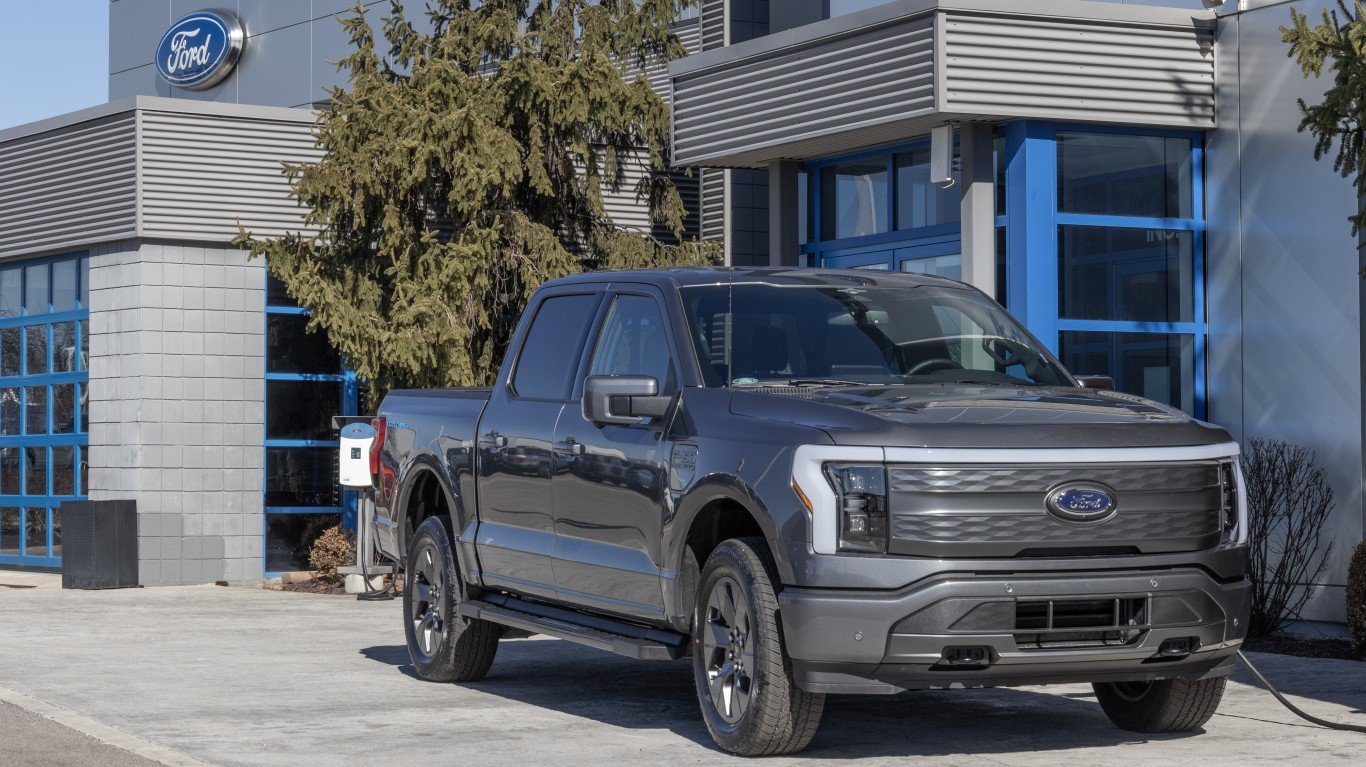
Christopher owes $34,000 on a 2023 GMC Terrain Denali worth roughly $25,000 at private sale. That gap is negative equity, and it is the single most dangerous line on his balance sheet.
Here is why. The car depreciates whether he drives it or not. Every month he keeps the loan, the vehicle loses value while interest accrues on a balance larger than the asset. If he wrecks it or falls behind, Ally can repossess, auction the car for less than private-sale value, and still send him a bill for the deficiency. He would owe money on a car he no longer owns. Vehicle loan complaints to the CFPB actually rose 56% versus the prior two-year monthly average in 2025, with repossession the top issue.
Ramsey’s fix is to sell the car for $25,000 and take a personal loan for the $9,000 shortfall. That converts debt tied to a depreciating, repossessable asset into unsecured debt he can attack. As he put it: “You’re going to find the $9,000 to cover the hole you’re in because Ally has completely screwed you, honey. The faster you get rid of this, the lower your pain is gonna be.”
Keep the car and the hole deepens. Sell it, cover the gap with a smaller unsecured note, and drive a cheap cash car until the debt is cleared.
The Variable That Changes Everything: Income
Debt math is really income math. Christopher’s roughly $39,000 gross salary is the piece Ramsey flagged as the outlier. “Most over-the-road truck drivers we talk to make north of $100,000. And you’re making like $30,000,” he said. For context, median usual weekly earnings for full-time U.S. workers were $1,235 in the first quarter of 2026, per the Bureau of Labor Statistics. Christopher is running well below that benchmark in a profession that typically pays above it.
Run the two scenarios. At $39,000 gross, after taxes and child support, Christopher has $300 to $500 a week to cover fuel, food, and every debt payment. His $8,000 in credit card debt alone accrues at a national average APR of roughly 21%, near record territory per the Federal Reserve. There is no realistic path to clear $75,000 at that income.
At a market-rate OTR salary closer to $70,000 or $80,000, the same debt stack becomes a two to three year problem instead of a decade-long grind. Same person, same debts, entirely different outcome. That is why Ramsey ordered Christopher to call other carriers before anything else.
What to Do This Week If You Are in the Same Trap
- Sell the car and cover the gap. List the vehicle privately at its true market value. Walk into a credit union for a personal loan sized to the shortfall, or ask the lender directly to convert the deficiency to an unsecured note. Replace the car with a $3,000 to $5,000 cash beater until the debt is gone.
- Cut up the credit cards. With APRs above 20%, every new swipe compounds the problem. Card delinquencies nationally sit at roughly 3%, a leading household stress signal. Stop feeding the fire.
- Call three other carriers. Ask for per-mile rates, guaranteed weekly minimums, and home-time policies. If the market pays double what you earn, the highest-return hour of your month is on the phone.
- Use the free help offered. Ramsey offered a session with a Ramsey financial coach and suggested looping a therapist into major financial decisions. Take both.
Christopher told Ramsey, “I really regret it. I wish I would have started listening to you much sooner in life.” As George Kamel put it, “If you can get rid of that car and get your income up, you’re gonna be able to breathe.” The car has to go, the cards have to stop, and the paycheck has to move. Everything else is noise.
Contact [email protected] for any questions or corrections.
I am a long time investor and student of business, and believe finding good companies that can become great investments is the best game on earth. After 20 years of writing and researching the public markets it is clear that individuals have never had more tools and information to take control of their financial lives. From ETFs and $0 commissions to cryptos and prediction markets there has never been a greater democratization of access to investing.
I write to help people understand the investments available to them so they can make the best choice for their portfolio, whether they're starting out or looking for income in retirement.