Why Buy Stocks When T-Bills Pay 4%? Jim Cramer’s Blunt Answer
A caller on the June 29 episode of Mad Money laid out the trade that has been eating at retail investors for two years. “If I can get a guaranteed interest rate of over 5% by purchasing a 6-month Treasury…

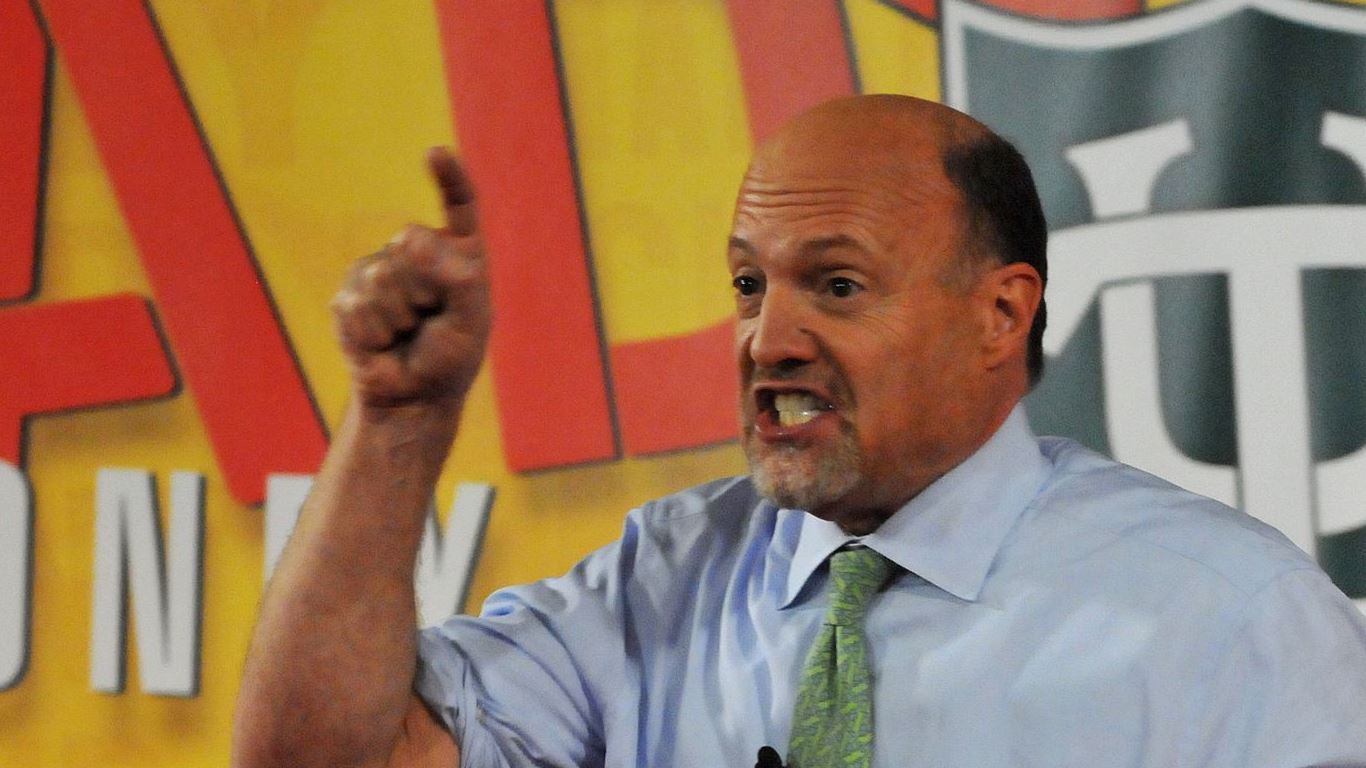
A caller on the June 29 episode of Mad Money framed a question that has nagged at retail investors for the better part of two years. “If I can get a guaranteed interest rate of over 5% by purchasing a 6-month Treasury bond, why should I invest in the equities market given market conditions?” Jim Cramer did not laugh it off. He owns short-dated paper himself. But he also thinks the framing quietly costs people money, and recent events have made his answer worth revisiting.
The premise in that question has already been overtaken. The 5% guaranteed return on short Treasuries vanished months ago, then crept partway back. The 6-month T-bill now yields roughly 4.26%, a level that has climbed since the August lows as markets began pricing in a tighter Fed. That ratchet got official confirmation on September 16, when the Federal Reserve raised its benchmark rate by a quarter point to a target range of 3.75% to 4.00%, its first hike in more than three years. The 10-year benchmark, meanwhile, touched 5.01% on September 16 before settling near 4.96%, and the 30-year bond sits around 5.29%. So the debate has sharpened: a 4%-plus short-term bill on one side versus a long bond that actually pays more but carries real principal risk on the other.
Cramer’s verdict, and why it still holds
Cramer validated the safety trade, then flipped it. “The stock market has far exceeded longer term anything that you’re going to get in the short.” His point is mechanical. A T-bill locks a coupon for six months. When it matures, you reinvest at whatever rate the market happens to offer that morning. The Fed’s September hike — and its signal of a possible second hike before year-end — makes that reinvestment outcome less predictable, not more. The coupon on the bill you buy today is real, but the coupon on the one you roll into six months from now is anyone’s guess.
The second half of the argument is compounding. “No growth on any treasuries,” Cramer said, and that observation deserves careful reading. A bill pays you a coupon and returns your principal intact. A quality dividend grower pays a coupon, raises that coupon most years, and lets the underlying business appreciate over time. They are two vehicles with two entirely different jobs, and confusing one for the other has a cost.
How Enbridge and ONEOK illustrate the point
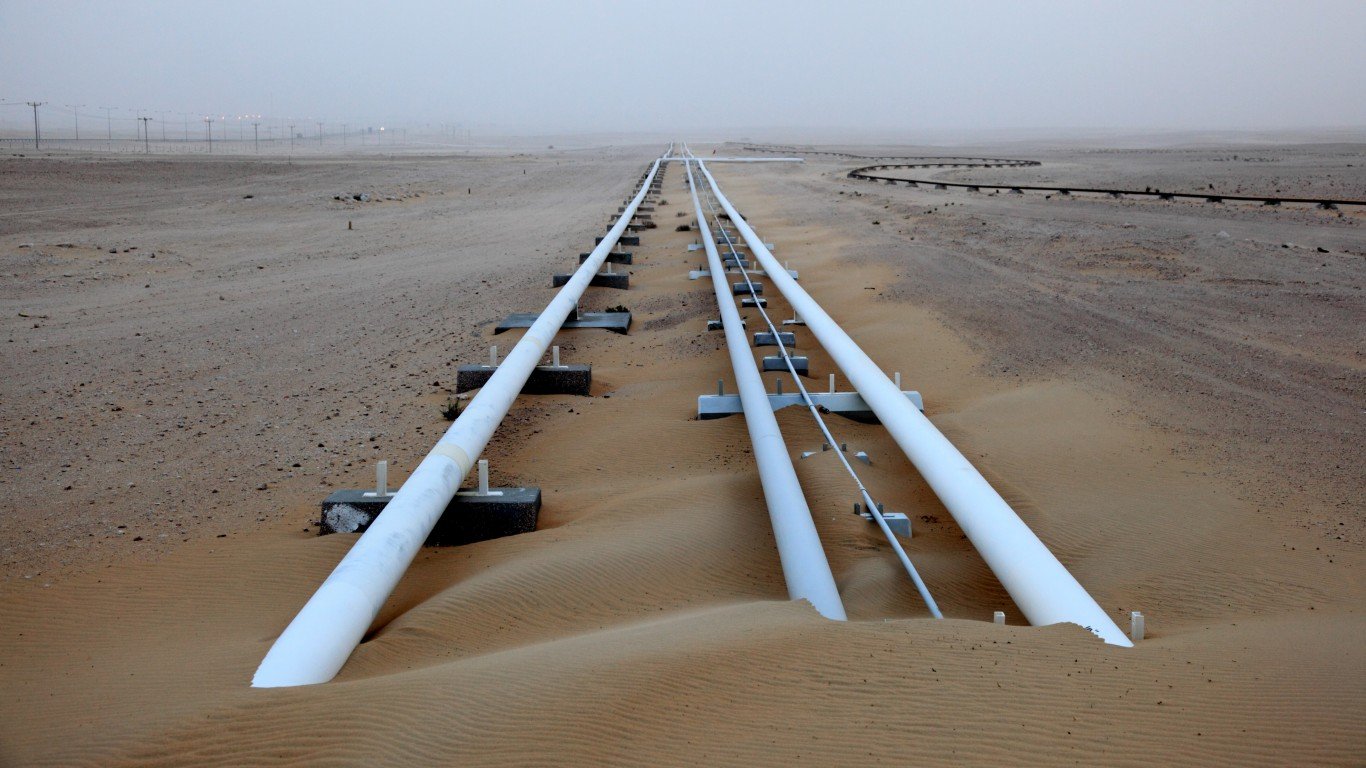
Cramer named two pipeline operators as illustrations, not recommendations.
Enbridge (NYSE:ENB | ENB Price Prediction) trades near $48 per share with a trailing yield of roughly 5.7%. That starting income already beats the 6-month bill by well over a percentage point, before any growth is factored in. The Canadian pipeline operator delivered its 31st consecutive annual dividend increase with a 3% raise declared in December 2025, lifting the quarterly payout to $0.97 CAD per share. Management has guided to roughly 5% compound annual growth in EBITDA, earnings per share, and distributable cash flow after 2026. In September 2026, Enbridge launched a CDN$2.6 billion bought-deal equity offering to fund acquisitions, which briefly pressured the share price and widened the yield for new buyers. The stock’s 52-week range of roughly $45 to $58 illustrates the real tradeoff: holders had to absorb a meaningful drawdown before recovering.
ONEOK (NYSE:OKE) tells a similar story with a different shape. Shares trade near $93, the trailing yield sits around 4.5%, and the quarterly payout stands at $1.07 per share. ONEOK reported second-quarter 2026 net income up 13% year over year, with diluted EPS of $1.53 and adjusted EBITDA of $2.12 billion, up 7%. The company raised its full-year 2026 adjusted EBITDA guidance to a midpoint of $8.35 billion after those results, its second guidance increase of the year. Roughly 90% of earnings are fee-based, meaning the cash flow supporting the dividend does not pivot much with the oil price on any given day. The stock’s 52-week range runs from about $64 to nearly $100.
The illustrative math looks like this. Park $10,000 in a 6-month bill at roughly 4.25% and you collect about $208 across the term, then face whatever the reinvestment rate happens to be in March. Put the same $10,000 into a roughly 5.5% yielder growing its dividend around 4% a year, and year-one income lands near $550, with a raise already built into year two. You carry price risk in both directions with the stock. That is the trade Cramer is asking investors to see clearly.
The variable that decides it for you
The single factor that settles this decision is time horizon, and specifically whether you can absorb drawdowns without being forced to sell. If you need the principal back in eight months for a house down payment, a T-bill wins. The certainty is the product, and no dividend yield changes that. If your money has five years or more to work, the picture inverts. Both Enbridge and ONEOK have produced total returns over multi-year periods that no bill ladder was going to match.
Volatility is the price of admission. Enbridge’s 52-week low sat near $45. ONEOK spent months below $70 before rallying toward $100. If those kinds of swings would force a sale at the wrong moment, the stocks should not be in the portfolio regardless of yield differential. One added complication: the September Fed hike has pushed borrowing costs higher across the economy, and the dot plot suggests at least one more hike is possible before year-end. That matters for pipeline operators because their capital costs and refinancing terms move with broader rates.
What to actually do with this information
Start by separating the dollars you will spend inside a year from the dollars that can compound over time. The near-term bucket belongs in bills at whatever the current auction clears. The long-term bucket carries a real opportunity cost if it sits in cash equivalents indefinitely.
For any dividend name you consider, check three things: the payout ratio against free cash flow, the streak of consecutive annual increases, and the dividend growth rate over the last five years. A 4.5% yield growing 4% a year quietly outruns a short-term bill that you have to renew at an uncertain rate every six months.
The T-bill solves for six months. Dividend growers solve for the next decade. Cramer’s answer is really just a reminder that those are two different questions, and the Fed’s return to hiking makes the distinction more relevant, not less.
Editor’s note: This pass updates the 6-month T-bill yield from approximately 3.6% to 4.26% and the 10-year Treasury yield from 4.65% to approximately 4.96%, reflects the Federal Reserve’s September 16, 2026 rate hike to a target range of 3.75% to 4.00% (its first in over three years), corrects Enbridge’s share price from approximately $51 to approximately $48 with an updated trailing yield near 5.7%, and adds Enbridge’s September 2026 CDN$2.6 billion bought-deal equity offering, ONEOK’s raised full-year 2026 adjusted EBITDA guidance of $8.35 billion, and ONEOK’s corrected 52-week high of approximately $100.
Contact [email protected] for any questions or corrections.
Omor Ibne Ehsan is a writer at 24/7 Wall St. He is a self-taught investor with a focus on growth, cyclical, and dividend equities that have strong fundamentals, value, and long-term potential. He also has an interest in high-risk, high-reward investments such as penny stocks.