Your Solar Tax Credit Expires December 31, 2025, but Here’s How to Claim 30% Back
If you had rooftop solar panels installed in 2025, the IRS still owes you back about a third of what you paid. The Residential Clean Energy Credit gives you a 30% federal tax credit on qualifying solar installations. A law…

This post may contain links from our sponsors and affiliates, and Flywheel Publishing may receive compensation for actions taken through them.
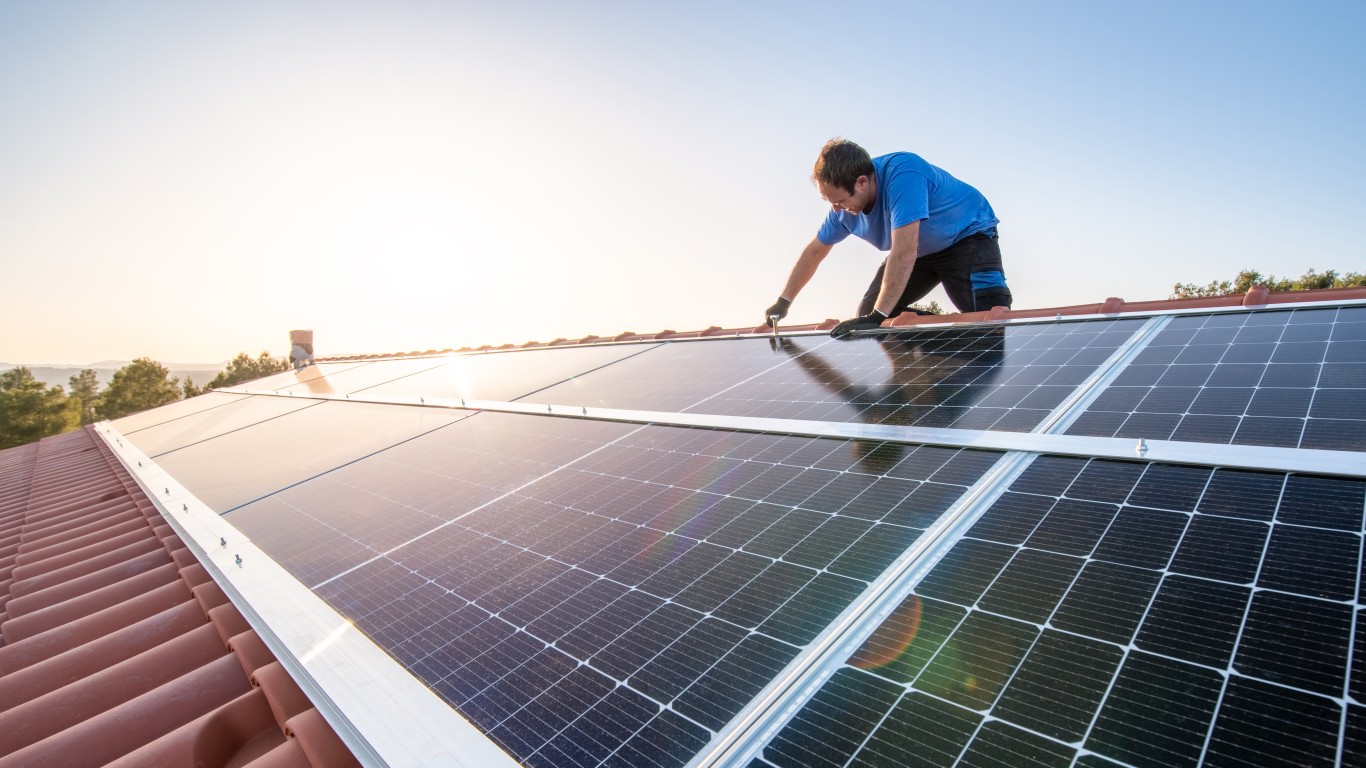
If you had rooftop solar panels installed in 2025, the IRS still owes you back about a third of what you paid. The Residential Clean Energy Credit gives you a 30% federal tax credit on qualifying solar installations. A law signed last summer, though, gutted the timeline. If you install in 2026, you get nothing at the federal level. The solar tax credit is essentially ending, not merely shrinking.
The Law
Section 25D of the Internal Revenue Code lets you knock 30% of your solar system cost directly off your federal tax bill. This is a credit, not a deduction, so it comes off dollar for dollar. A $24,000 rooftop system produces a $7,200 credit. There is no cap on the dollar amount, and if the credit is larger than your tax liability in one year, the unused portion carries forward to future years while the credit still exists on the books.
Citing The Proof
The credit lives in 26 U.S. Code Section 25D. The Inflation Reduction Act of 2022 extended it at 30% through 2032, then stepped it down to 26% in 2033 and 22% in 2034. The One Big Beautiful Bill Act (OBBBA), signed July 4, 2025, accelerated the sunset dramatically. Under the new law, qualifying expenditures for residential solar electric property must be made on or before December 31, 2025. Systems placed in service in 2026 or later receive nothing at the federal level.
Who Qualifies, and Who Does Not
Homeowners who paid for a solar system on a home they use as a residence in the United States are eligible. Both primary and secondary homes qualify. Pure rental properties you do not live in do not. You must own the system outright or finance it. Leased panels and Power Purchase Agreements (PPAs) are excluded, because the credit goes to the owner of the equipment, which in those cases is the solar company, not you.
How to Actually Claim It
- Confirm your system was “placed in service” (fully installed and operational) on or before December 31, 2025.
- Gather every invoice covering panels, inverters, mounting hardware, wiring, labor, permitting, and sales tax. Battery storage of 3 kWh or more is also eligible.
- File IRS Form 5695 with your 2025 federal return.
- Multiply your total qualified cost by 30% and carry the result to Schedule 3 of your Form 1040.
- If the credit exceeds your tax owed, note the carryforward for next year.
Why Timing Matters More Than Ever
The financial squeeze is real. Average credit card APRs sat at 21.00% as of February 2026, and core PCE inflation reached 130.08, its highest level in the past year. The personal savings rate has slid to 3.9%, the lowest in eight quarters. If you financed a 2025 install on a credit card or HELOC, using that 30% credit to knock down the balance quickly is the difference between a smart upgrade and an expensive one.
The Catch
Two traps snag people every year. First, “placed in service” means the system is operational, not just bolted to the roof. If your panels were installed on December 20, 2025 but the utility did not flip the interconnection switch until January, you likely miss the window. Get the permission-to-operate letter in writing and dated in 2025.
Second, this is a nonrefundable credit. It can zero out your federal income tax liability, but it will not generate a refund beyond taxes you actually owed. Retirees and low-income filers with little tax liability may see less benefit than the sticker percentage suggests, though the carryforward provision softens the blow for as long as the statute remains in effect.
One more thing worth checking: many states still layer their own solar credits, rebates, or property tax exemptions on top of the federal credit, and those did not disappear with OBBBA. Your state energy office is the place to look.
Contact [email protected] for any questions or corrections.
I am a long time investor and student of business, and believe finding good companies that can become great investments is the best game on earth. After 20 years of writing and researching the public markets it is clear that individuals have never had more tools and information to take control of their financial lives. From ETFs and $0 commissions to cryptos and prediction markets there has never been a greater democratization of access to investing.
I write to help people understand the investments available to them so they can make the best choice for their portfolio, whether they're starting out or looking for income in retirement.