




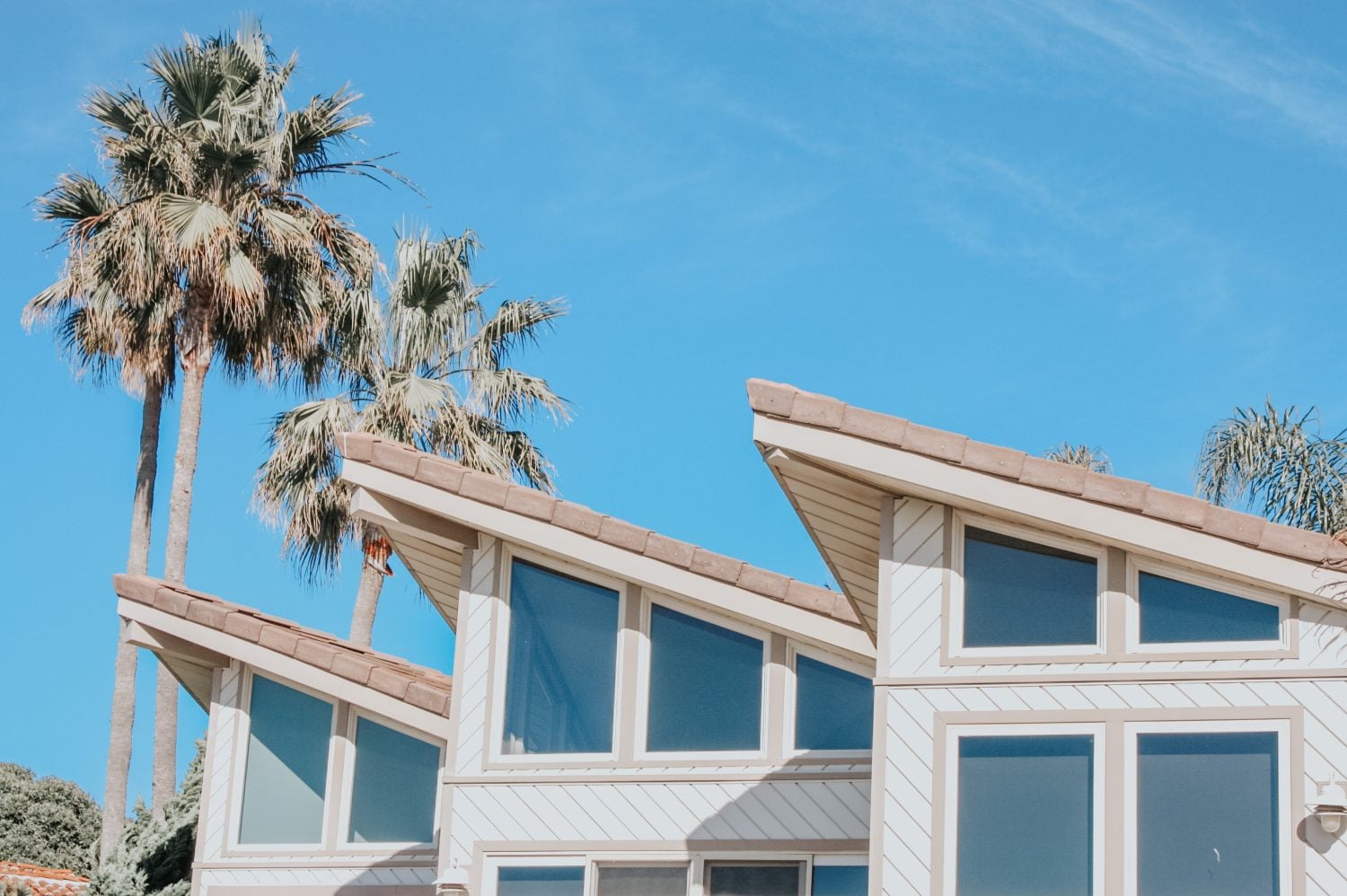
The fantasy of owning a beach house rarely dies at the closing table. It usually dies later, when the insurance renewal arrives, the HVAC fails in August, and the property tax bill lands the same week as a roof estimate. Even without a mortgage payment, the carrying costs can turn a dream home into a second job.
A paid-off beach house can still be expensive enough to strain a retirement plan. Even if there is no mortgage, or the mortgage is being paid from a separate income source, the house still has to be insured, maintained, repaired, cleaned, taxed, and protected from storm damage. Those are the costs this article is sizing: not the purchase price, not the down payment, and not the mortgage, but the annual expense of keeping a beach house you already own.
Market and Usage Make a Difference
The math changes dramatically by market and usage. A modest condo on the Alabama Gulf Coast, a cottage on North Carolina’s Outer Banks, a Florida beach house, and a second home in the Hamptons or Nantucket are not the same financial decision. In some markets, renting for the weeks you actually use the beach may be far cheaper than owning year-round. In others, buying can make more sense if you plan to use the home often and can rent it out during peak weeks, though rental income should be treated as a cushion rather than a guarantee. Local rules, cleaning costs, platform fees, occupancy taxes, storm exposure, and seasonal vacancy can all change the equation.
The Conservative Tier: Growth Over Headline Yield
At a 3.5% yield, replacing $40,000 of annual expense requires roughly $1,142,857 of invested capital. This tier lives in dividend-growth utilities, broad-market dividend aristocrats, and blue-chip regulated names where the payout compounds year after year.
NextEra Energy (NYSE:NEE | NEE Price Prediction) is the archetype. The company expects to grow its dividend roughly 10% annually through 2026, then about 6% per year through 2028, with 2026 adjusted EPS guidance of $3.92 to $4.02 and a targeted 8%+ earnings CAGR through 2032. The current yield sits near 2.6%, which looks unimpressive next to a mortgage REIT. But shares have returned 251% over the past decade, and the dividend itself has more than doubled over the same stretch.
The Moderate Tier: Where Most Beach House Portfolios Live
At a 6% blended yield, the same $40,000 income target requires roughly $666,667. This is the practical sweet spot, populated by net lease REITs, closed-end utility funds, and preferred shares.
Realty Income (NYSE:O) has paid 670+ consecutive monthly dividends since 1999, with the current monthly payout at $0.271 and a yield near 5.1%. NNN REIT (NYSE:NNN) has raised its dividend 36 consecutive years and now yields close to 5.0% at a current price near $47. Reaves Utility Income Fund (NYSE:UTG), a closed-end fund focused on regulated utilities and infrastructure, just raised its monthly distribution from $0.19 to $0.20, which annualizes to about $2.40 against a share price near $40, or roughly a 6% yield.
The Aggressive Tier: High Current Income, Fragile Principal
At a 10% yield, the capital required drops to $400,000. Business development companies, mortgage REITs, and leveraged option-income funds live here. Main Street Capital (NYSE:MAIN) pays a $0.26 monthly regular dividend plus a $0.30 quarterly supplemental, combining to roughly $4.32 annualized, or about 8% at a share price near $52. Genuine 10%+ yields typically require mortgage REITs or leveraged covered-call vehicles, where distributions can be cut and principal erosion is a recurring feature.
Here’s the Compounding Insight You Shouldn’t Miss
A beach house is a 20- to 30-year commitment, so inflation matters more than the first-year budget suggests. The CPI-U rose from 315.605 in December 2024 to 335.123 in May 2026, a 6.2% increase in 17 months. Coastal insurance can rise even faster: GAO found that average homeowners insurance premiums rose 25% or more in some southern coastal areas from 2019 through 2024. A static 10% yield loses purchasing power every year the payout stays flat.
A lower-yield portfolio compounds differently if the payout actually grows. A 3% yield growing at 8% annually nearly doubles the income stream in nine years and more than doubles it in 10. It does not overtake a flat 10% payout by year 15; it takes about 16 years for the growing 3% income stream to pass the static 10% income stream on the same starting capital.
The Storm On the Horizon
Insurance is not the same thing as protection from storm risk. Review the wind, named-storm, hurricane, and flood deductibles separately, because coastal policies may leave the owner responsible for a much larger share of damage than a standard homeowners deductible would suggest. Also ask whether the home has prior flood claims, whether it sits inside or near a special flood hazard area, and whether private flood coverage is available if NFIP pricing changes.
Three Moves Before You Sign a Purchase Contract
-
Model the real carrying cost, not the sticker price. Get actual quotes for homeowners, wind, named-storm, and flood coverage in the specific ZIP code, then pull the county property tax rate and use a maintenance reserve that reflects the home’s age and condition. Fannie Mae says a common rule of thumb is 1% to 4% of the home’s value per year for maintenance, repairs, and replacements.
- Layer the tiers rather than picking one. A blend of dividend-growth utilities, net-lease REITs, and a small allocation to a BDC may produce a weighted yield in the 5% to 6% range with some growth potential. Pure aggressive-tier portfolios can be more vulnerable when credit markets, interest rates, or real estate valuations turn against them.
-
Stress-test the after-tax number in the state where the house sits. The 10-year Treasury was near 4.5% in early July 2026, so the yield premium on dividend equities is thinner than it looks once qualified-dividend taxes, state income tax on distributions, and the property tax bill on the house itself are stacked together.
The Investment Behind the House
The portfolio behind the beach house is the real investment. Build that first, and the house becomes something you enjoy rather than something you constantly feed. The point is not to make the property free. It is to know, before you buy, whether the income stream can carry the dream through insurance renewals, repairs, taxes, and the occasional ugly surprise.
Contact [email protected] for any questions or corrections.















 Top Gaining Stocks
 Top Losing Stocks