He Bought a Rental House With His IRA and Fixed the Plumbing Himself. The Free Labor Put the Entire Account at Risk.
A master plumber fixing a leak in his own IRA-owned rental sounds like smart thrift until you learn that one unpaid Saturday repair can trigger a tax bill that wipes out the entire retirement account.

This post may contain links from our sponsors and affiliates, and Flywheel Publishing may receive compensation for actions taken through them.
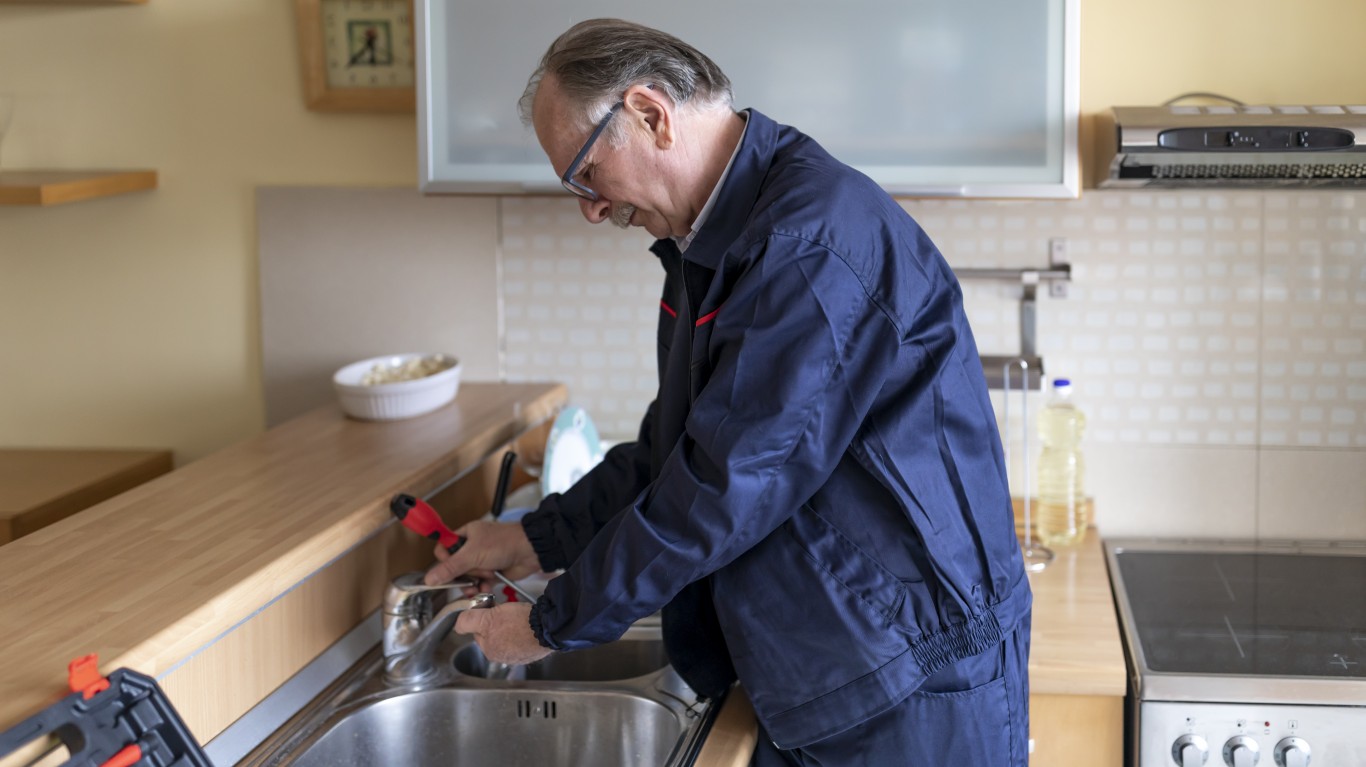
Picture a hypothetical scenario that probably plays out more often than IRS statistics suggest. A 58-year-old master plumber rolls part of his old 401(k) into a self-directed IRA and uses the account to buy a modest single-family rental. When a supply line springs a leak, he does what any competent tradesman would do: grabs his tools and fixes it himself on a Saturday.
No invoice. No cost to the account. Just a few hours of free labor for his own retirement plan. It feels like the definition of efficient. Under the federal rules governing IRAs, that repair can put the entire account at risk.
When His Skills Become the Problem
A self-directed IRA can own real estate, but the property belongs to the IRA, not the person whose name sits on the account. That separation has to remain intact. The owner cannot use the property personally, pay himself to work on it, lend money to the account, or personally cover its expenses. The restrictions also extend to a close circle of family members, including a spouse, parents, children, grandchildren, and their spouses.
Paying himself to fix the plumbing is clearly off limits. Working for free is not automatically safe. Substantial renovations, recurring maintenance, and personally managing the property can all be treated as providing services to the IRA. The tricky part is that federal law provides no handyman chart separating an acceptable minor task from a prohibited repair. It does not say that changing one lock is fine while replacing a water heater crosses the line. That uncertainty is why owners are generally advised to avoid doing the work themselves, even when no money changes hands.
How One Repair Can Reach the Whole Account
This is where a small act of thrift can become extremely pricey. If the owner engages in a prohibited transaction, the IRS does not simply assess a penalty on the plumbing repair. The account can lose its IRA status retroactively to January 1 of that year. The rental property, the cash reserves, and every other investment inside that particular self-directed IRA can then be treated as distributed at fair market value. Any taxable amount is generally ordinary income. Because the plumber is younger than 59½, a 10% additional tax may apply as well.
A Saturday repair intended to save a few hundred dollars could expose a six-figure retirement account to tax in a single year. The damage is limited to the IRA involved in the prohibited transaction. His other IRAs would not automatically lose their status too. That is small comfort if the real estate account holds most of his retirement money.
The Family Workaround Risk
The instinctive solution is to keep the job in the family. His son owns a contracting business, does excellent work, and will renovate the kitchen for a fair price. Unfortunately, that does not solve the problem. The IRA rules draw a tight circle around close family members. His son sits inside it. Paying him from the IRA can trigger the same prohibited-transaction problem, even when the price is fair and every invoice is legitimate.
The safer route is an unrelated contractor hired at arm’s length and paid directly from the IRA. The owner should not put the expense on a personal credit card, front the money, or reimburse himself later.
What to Do Before Touching the Property
Real estate inside an IRA can work. The trap is treating it like a rental held in a personal brokerage account.
- Route every expense through the IRA custodian. Contractors, insurance, taxes, and management fees should be paid directly from IRA funds. If the account lacks enough cash, review its reserves instead of advancing personal money.
- Use unrelated professionals for repairs and property management. That applies even when the owner or a family member could complete the job faster or more cheaply.
- Get written guidance from a tax attorney or CPA experienced with self-directed IRAs before personally performing work, hiring relatives, advancing money, or guaranteeing a loan.
One final caution: a custodian processing a payment does not mean the IRS has approved the transaction. Self-directed means the owner makes the decisions. It also means the owner carries the consequences when one of those decisions crosses the line.
Contact [email protected] for any questions or corrections.
Gerelyn Terzo is the author of dividend investing handbook "Dividend Investing Strategies: How to Have Your Cake & Eat It Too." A veteran financial journalist, she covers agri-finance for outlets like Global AgInvesting and the broader stock market and personal finance for 24/7 Wall Street. She began at CNBC and later helped launch Fox Business in New York. Gerelyn currently resides in Woodland Park, Colorado and dabbles in nature photography as a hobby.