His Self-Directed IRA Owned a $600,000 Rental. One Turn of a Wrench Put the Entire Account at Risk.
A retiree grabbed a wrench and fixed a leaky valve on his rental property, saving $180 on a plumber. That single act may have handed the IRS grounds to vaporize a $600,000 retirement account built over fifteen years.

This post may contain links from our sponsors and affiliates, and Flywheel Publishing may receive compensation for actions taken through them.

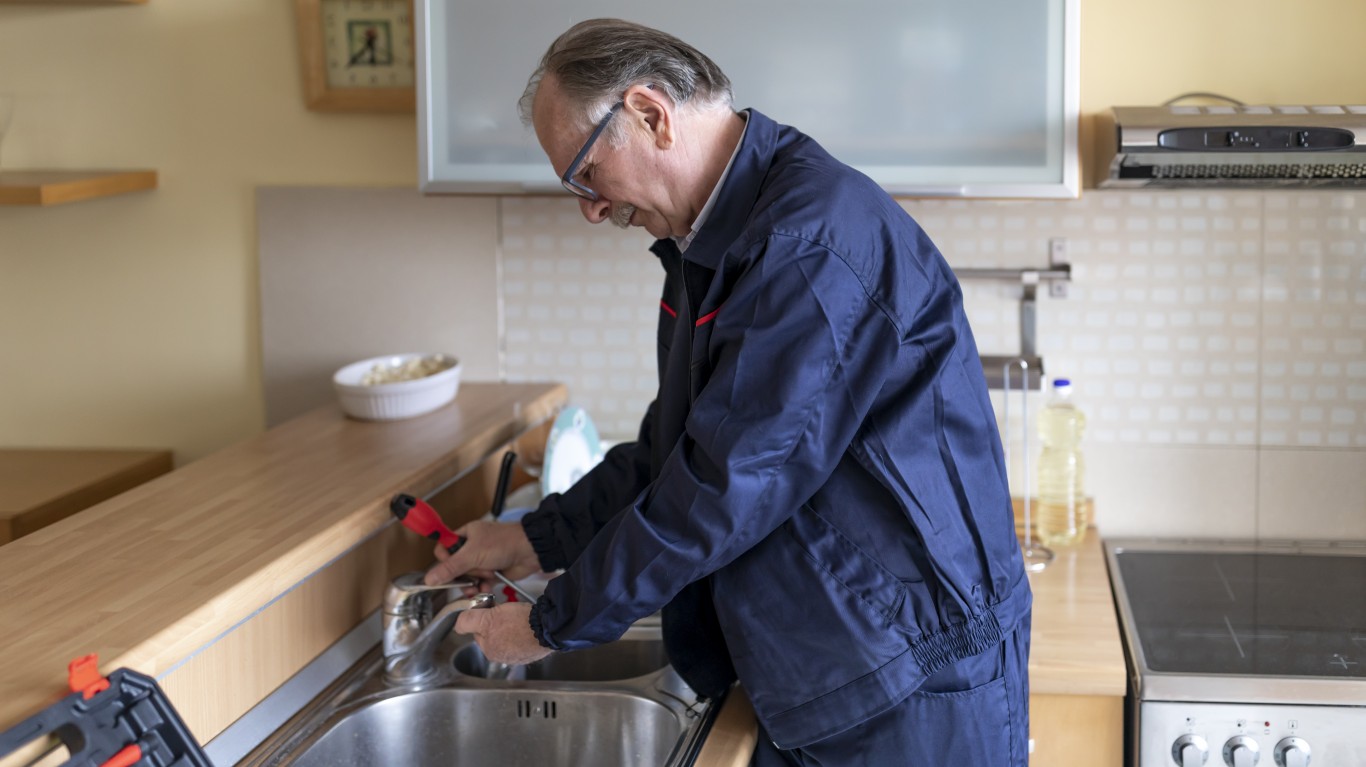
Joe is a 68-year-old retiree in Arizona. Fifteen years ago, his self-directed traditional IRA bought a rental duplex. The account paid for the property, collected the rent and covered every expense. As home prices climbed, its value grew to roughly $600,000. Then a tenant called about a leaking water-heater valve. Joe drove over with a wrench and replaced it himself, saving about $180 on a plumber.
The danger was not the valve. It was whose hands turned it. By working on property owned by his IRA, Joe may have crossed into a prohibited transaction. If the IRS agrees, the consequence bears no resemblance to the size of the repair. The entire IRA could become taxable.
The IRA Owns the Duplex, Not Joe
Real estate is allowed inside a self-directed IRA, but the separation between owner and account must remain strict. Joe can direct the investment and have the custodian hire vendors. He cannot use the duplex personally, rent it to certain relatives, pay its expenses from his checking account or personally guarantee its debts. He also should not become the handyman.
Federal rules prohibit a disqualified person, including the IRA owner, from furnishing services to the account. Replacing a valve, repairing a roof or painting a vacant unit can therefore create a problem even when Joe takes no payment for the work. A minor repair is not necessarily an automatic loss at audit. The facts matter, and the law offers no simple dollar-based safe harbor saying that a $180 job is harmless. That uncertainty is precisely why owners should keep their tools out of IRA property.
Why One Mistake Can Reach the Whole Account
If Joe is found to have engaged in a prohibited transaction, the affected IRA stops being an IRA as of January 1 of that year. Its assets are treated as though they were distributed to him at fair market value on that date.
If the account was worth $600,000 and contained little or no after-tax basis, most or all of that amount could become ordinary taxable income. Joe is old enough to avoid the 10% early-withdrawal penalty, but that is cold comfort against a six-figure income spike. The punishment is wildly out of proportion to the plumbing bill. That is what makes self-directed IRA mistakes so dangerous.
His Social Security Check Keeps Coming, but the Tax Changes
The deemed IRA distribution would not count under Social Security’s retirement earnings test. It is not a wage, and Joe is already beyond full retirement age anyway. His monthly benefit would continue arriving. His tax return is where the damage spreads. A $600,000 distribution would sharply raise adjusted gross income, likely making 85% of his Social Security benefits taxable for the year. That does not mean the benefits face an 85% tax rate. It means 85% of what he received gets added to taxable income.
Medicare may deliver the second surprise two years later. Its income-related surcharges use a two-year lookback. For scale, the standard Part B premium is $202.90 a month in 2026, while the highest-income tier pays $689.90, plus a Part D surcharge. Actual premiums in Joe’s lookback year will differ, but the delayed bill can still amount to thousands.
How to Keep the Rental From Becoming a Tax Trap
Three habits protect the account:
- Route every repair through the custodian and use unrelated contractors paid directly with IRA money.
- Keep tenants and transactions away from disqualified people, including a spouse, parents, children, grandchildren and their spouses.
- Maintain enough cash inside the IRA for repairs, taxes and insurance. Required minimum distributions begin at 73, and an illiquid rental can make them awkward, so plan ahead for either additional liquidity or an arm’s-length sale.
If Joe has already worked on the property, he should not assume that reimbursing the IRA makes the problem disappear. The next call belongs to a tax attorney or CPA who regularly handles self-directed IRA prohibited transactions. Joe bought the duplex to help fund retirement. Keeping that shelter intact requires him to behave like a stranger to the property: direct the investment, but never become its handyman. Inside a self-directed IRA, the cheapest repair can become the most expensive one.
Contact [email protected] for any questions or corrections.
Gerelyn Terzo is the author of dividend investing handbook "Dividend Investing Strategies: How to Have Your Cake & Eat It Too." A veteran financial journalist, she covers agri-finance for outlets like Global AgInvesting and the broader stock market and personal finance for 24/7 Wall Street. She began at CNBC and later helped launch Fox Business in New York. Gerelyn currently resides in Woodland Park, Colorado and dabbles in nature photography as a hobby.