Here’s How You Can Retire to the Beaches of Florida’s Gulf Coast at 59
White sand mornings and no state income tax sound like the setup to an easy retirement, but the Gulf Coast has one line item that quietly swallows hundreds of thousands of dollars from even the most carefully built plans.

This post may contain links from our sponsors and affiliates, and Flywheel Publishing may receive compensation for actions taken through them.
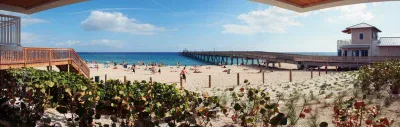
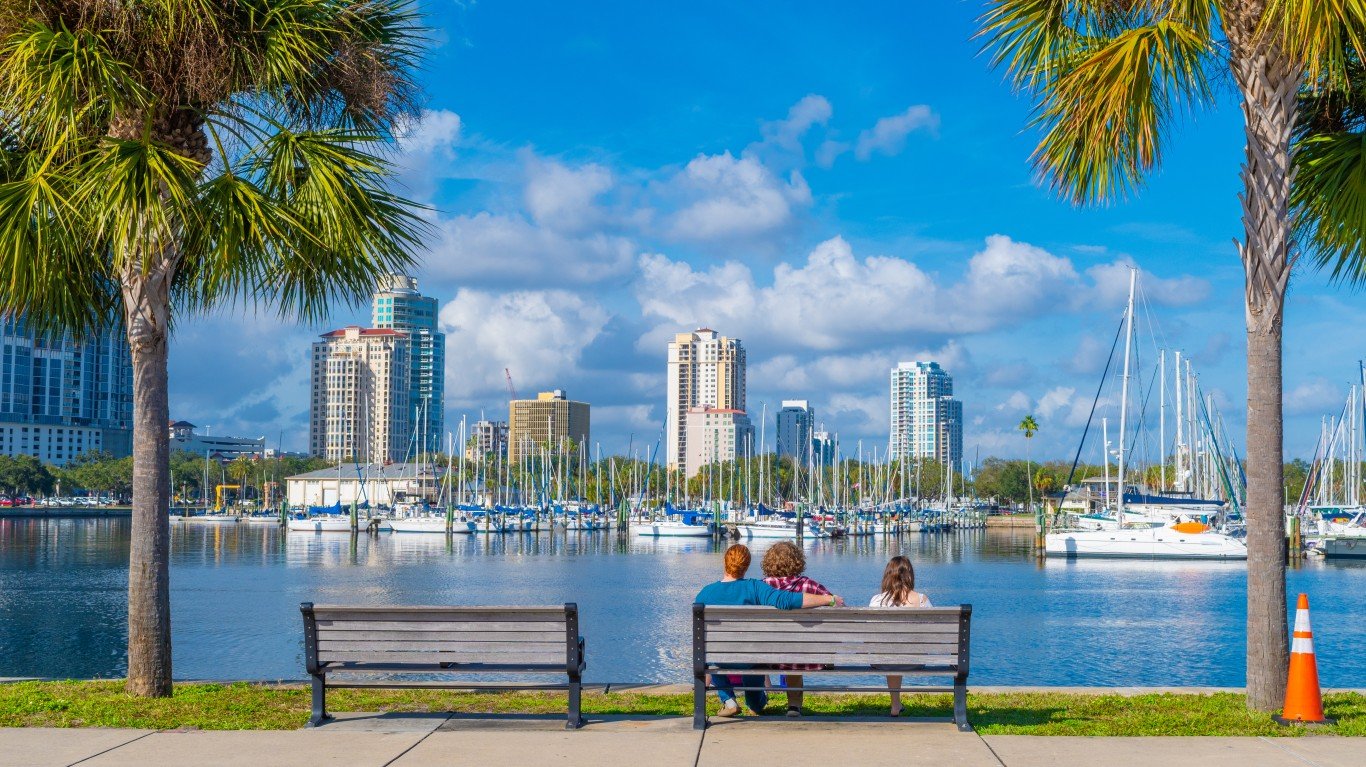
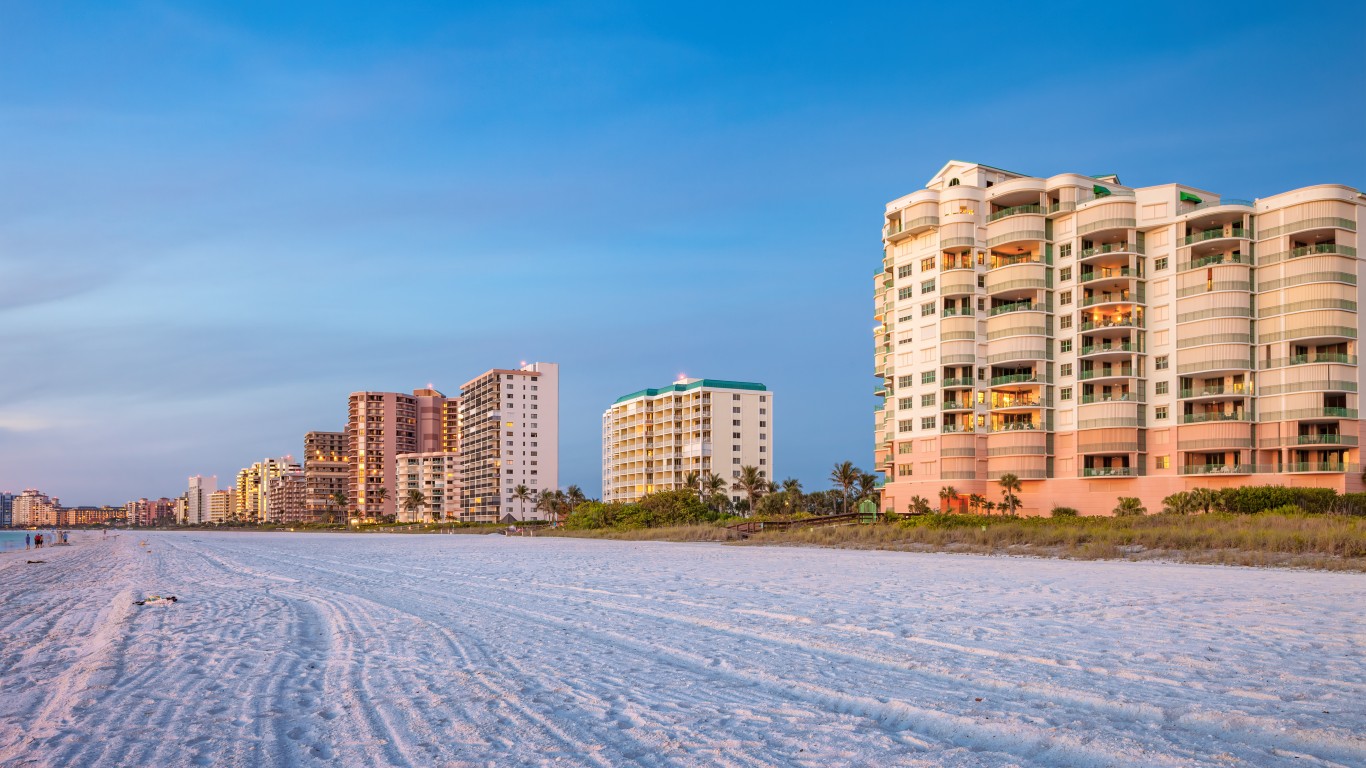
The Gulf Coast retirement daydream is specific: bare feet on white sand by eight, a bike ride to the fish market, no snow shovels, and a calendar that finally belongs to you. The real question is whether the numbers work at 59, six years before Medicare, in a state whose insurance market has become one of the biggest line items in the country.
What the Gulf Coast Actually Costs at 59
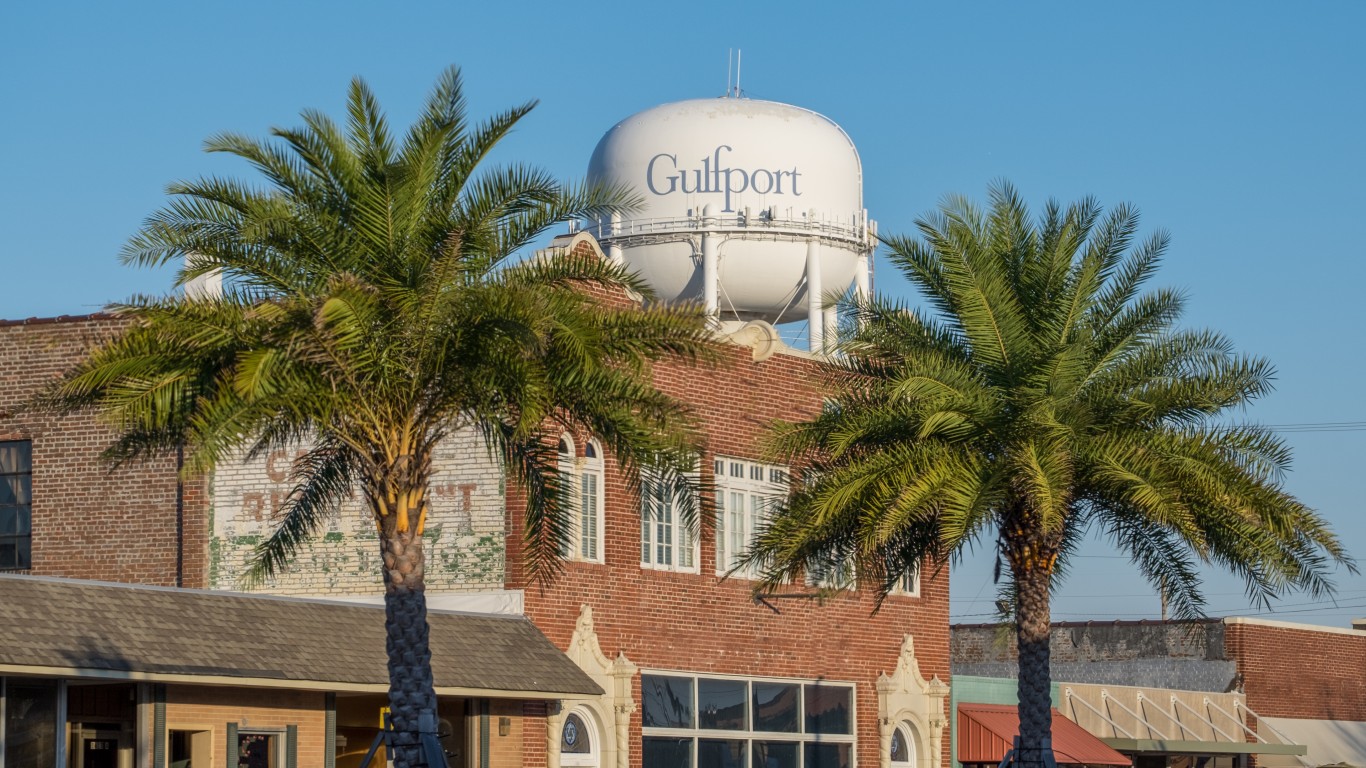
Florida is not the bargain it was a decade ago. The state’s cost of living index sits at 103.414, above the national baseline and higher than 35 other states, including neighbors like Georgia at 96.293 and North Carolina at 94.326. The coast itself runs higher than the state average. Sarasota, Naples, and the barrier islands price like resort markets, while Punta Gorda, Venice, and pockets of Pinellas County still leave room to breathe.
Assume a couple buying a modest single-family home or waterfront-adjacent condo outright in the $525,000 to $650,000 band. The Case-Shiller national index is sitting at 335.1, its highest level in the past twelve months and in the 90th percentile historically, so this is not a discount entry point. Existing home sales are running at a soft 4.09 million annualized pace, which gives patient buyers leverage on price and concessions.
A realistic annual budget for a paid-off Gulf Coast home, in current dollars:
- Property taxes with homestead exemption: $5,500
- Wind, flood, and homeowners insurance bundle: $9,500
- HOA or condo fees and reserves: $6,000
- Maintenance, humidity, and salt-air upkeep: $6,000
- Utilities including summer cooling: $4,800
- Groceries and dining (USDA moderate plan for two, coastal markup): $14,400
- Two vehicles, fuel, and insurance: $9,000
- ACA health coverage for a couple pre-Medicare: $22,000
- Travel, hobbies, boat or club membership, gifts: $15,000
- Miscellaneous reserves and federal taxes on withdrawals: $10,000
That lands near $102,000 a year. Florida has no state income tax, the single biggest structural advantage over the Carolinas or the Northeast for a retiree pulling from an IRA.
The Math From 59 to Forever
Social Security is not in play at 59. A claim at 62 is punitive; the smarter move for most Gulf Coast retirees is to bridge to age 67 on portfolio. Assume a two-earner couple ends up with combined benefits near $62,000 at full retirement age. That covers the back half of the budget, leaving roughly $40,000 of ongoing gap after age 67.
From 59 to 67, the portfolio carries the full $102,000. With a 35-plus year horizon, a 3.3% to 3.5% withdrawal rate is the realistic number, not 4%. Do the arithmetic in plain dollars: $102,000 divided by 0.034 comes to just over $3 million in invested assets, on top of a paid-off home. After 67, the gap shrinks and the same portfolio has room to breathe, especially with the 2026 Social Security COLA of 2.8% keeping benefits roughly aligned to inflation.
The bridge years want a specific shape: a five to seven year Treasury ladder for spending, an ACA-aware withdrawal plan that keeps modified adjusted gross income low enough to preserve premium subsidies, and the rest in a globally diversified index and dividend ETF mix. The 10-year Treasury at 4.63% and I-Bonds paying a 4.26% composite with a 0.9% fixed component make that ladder more productive than it has been in years.
The Insurance Line Most Buyers Underprice
On the Gulf Coast, homeowners insurance functions as a second mortgage that never amortizes. In many coastal ZIPs, a wind policy alone runs $4,000 to $8,000, flood coverage through NFIP or private carriers adds another $2,000 to $4,000, and the standard HO-3 policy sits on top. Carriers have pulled out, Citizens has grown, and premiums have compounded at rates that make the 332.6 CPI reading look tame.
Over a 30-year retirement, insurance on a Gulf Coast home can quietly consume $350,000 to $500,000 in today’s dollars, more than property tax and maintenance combined. That is the number that eats early-retirement plans. Two structural defenses work: buy inland of the evacuation zone, which can cut wind premiums in half, or buy a newer build to post-2002 Florida Building Code standards, which unlocks meaningful mitigation credits. A 1985 beach cottage on stilts is a lifestyle. It is also an underwriter’s problem, and by extension, yours.
The Number That Makes It Real
Retiring at 59 on Florida’s Gulf Coast, for a couple, penciled realistically, wants a paid-off home in the $550,000 range plus roughly $3 million in invested assets, drawn at 3.3% to 3.5% until Social Security switches on at 67. The state gives you the tax break. The beach gives you the mornings. The insurance market decides whether the rest of the plan holds. Price the policy before you price the view, and the Gulf Coast retirement is one of the few coastal fantasies that still works on paper.
Contact [email protected] for any questions or corrections.
I am a long time investor and student of business, and believe finding good companies that can become great investments is the best game on earth. After 20 years of writing and researching the public markets it is clear that individuals have never had more tools and information to take control of their financial lives. From ETFs and $0 commissions to cryptos and prediction markets there has never been a greater democratization of access to investing.
I write to help people understand the investments available to them so they can make the best choice for their portfolio, whether they're starting out or looking for income in retirement.