“Please Don’t Buy a Mobile Home”: George Kamel Warns Idaho Couple Making $2,500 a Month
An Idaho couple earning $2,500 a month called into The Ramsey Show hoping a mobile home purchase would solve their housing squeeze, but George Kamel's response stopped them cold before they could sign anything.

This post may contain links from our sponsors and affiliates, and Flywheel Publishing may receive compensation for actions taken through them.
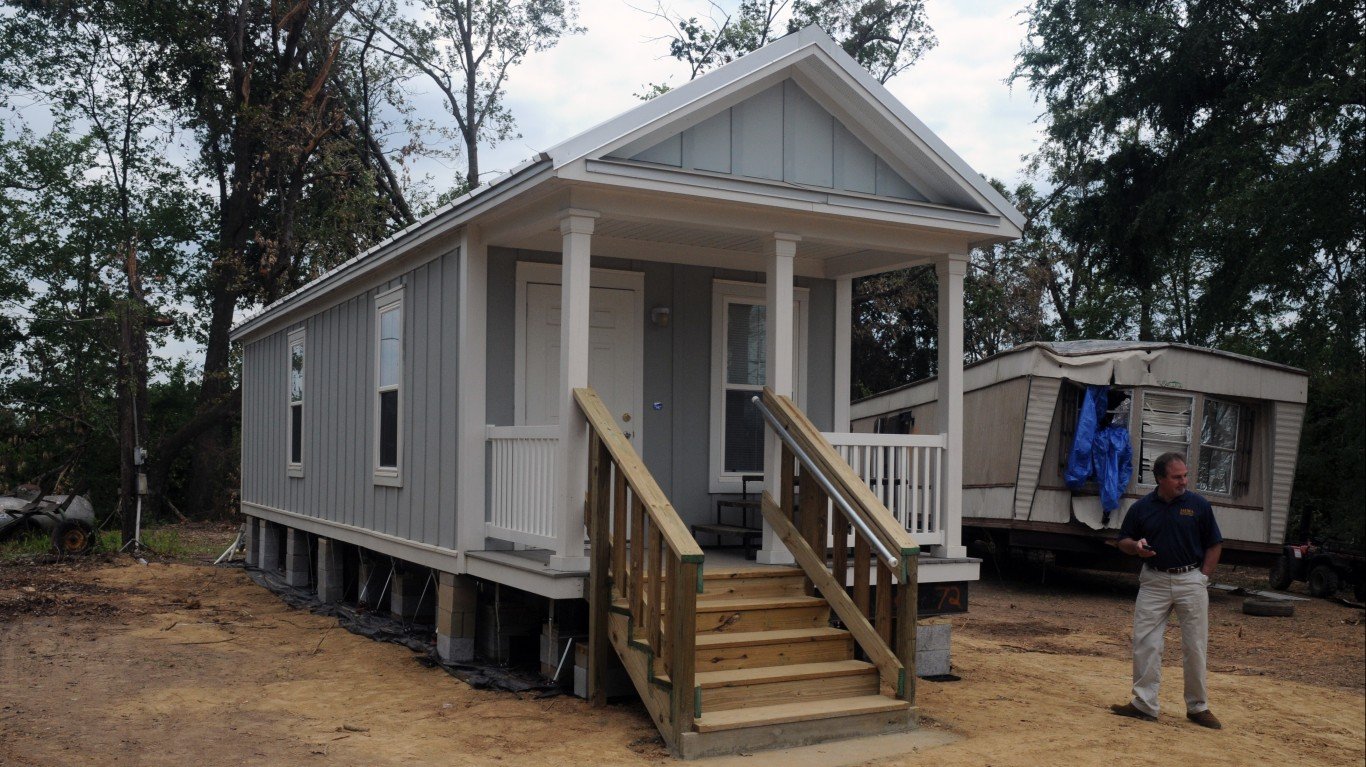
An Idaho couple earning just $2,500 a month is facing a brutal housing choice: accept a potential rent increase from $1,500 to $1,900 or finance a $120,000 mobile home with a projected monthly payment of $1,025.
When Katie from Idaho called The Ramsey Show to ask whether buying the mobile home was the smarter move to save on the monthly payment, George Kamel immediately warned: “Please don’t buy a mobile home.” The big risk is: “You’re gonna have a $120,000 payment on something worth $60,000.”
The $120,000 Mobile Home Goes Down in Value
Unlike traditional single-family homes, which continue to appreciate over time, manufactured homes without land typically lose value like vehicles. The Idaho couple might not have known.
Financing $120,000 on an asset that drifts toward $60,000 leaves the borrower owing roughly double the resale value. If the couple needs to sell in three or five years, they would lose money because their mobile home depreciated in value.
The co-host used a plainer analogy: “It would be like buying a truck with a payment of $1,000 a month thinking it was a good idea, and the truck will go down in value over time, and you’re gonna have a real hard time selling it.”
Raising Their $2,500 Monthly Income Would Change Everything
The real bottleneck here is the couple’s monthly income. The co-host said it directly: “The problem is your income hasn’t moved in 5 years, and you guys are on the poverty level.” Kamel echoed it: “You could both go get a job at Starbucks, and y’all would be making more money per year.”
Average hourly earnings in the private sector reached $37.62 in July 2026, up from $36.47 a year earlier. Idaho’s cost of living index sits at 95.494, slightly below the national average of 100, but per capita income in the state is $62,346. Katie’s household earns a small fraction of that.
Layer on the physical-risk problem Kamel flagged: “Your husband is one chainsaw swing away from hurting his back and being out for 3 months.” Tree work carries an income-interruption risk that a $1,025 mobile home payment does nothing to insulate against. The couple’s $17,000 in savings plus $3,000 emergency fund should stay parked. As the co-host put it: “Never touch that.”
Key Takeaways
George Kamel is right that buying the mobile home would not fix the couple’s financial situation. Even with the lower $1,025 monthly payment, earning just $2,500 a month leaves little room for emergencies, especially given the injury risk that comes with tree work.
The couple should protect the $20,000 they have saved, focus on finding steadier and better-paying work, and consider moving to a more affordable area. Once their income improves, they can revisit homeownership without risking their entire safety net.
Contact [email protected] for any questions or corrections.
Thomas Richmond is a financial writer and content strategist with 5+ years of experience covering stocks and financial markets. He has published over 500 articles focused on individual stock analysis, helping investors better understand business fundamentals, stock valuations, and long-term opportunities.
Thomas previously served as a Content Lead at TIKR, a stock research platform, where he helped scale the company’s blog to hundreds of articles per month and contributed to a weekly newsletter reaching more than 100,000 investors.
Outside of work, Thomas enjoys weight lifting and soccer.