Sinking Funds You Should Add to Your Budget
Some bills arrive like clockwork, and others blindside you at the worst possible moment. Learning to plan for both kinds can transform the way financial stress shows up in your life.

This post may contain links from our sponsors and affiliates, and Flywheel Publishing may receive compensation for actions taken through them.
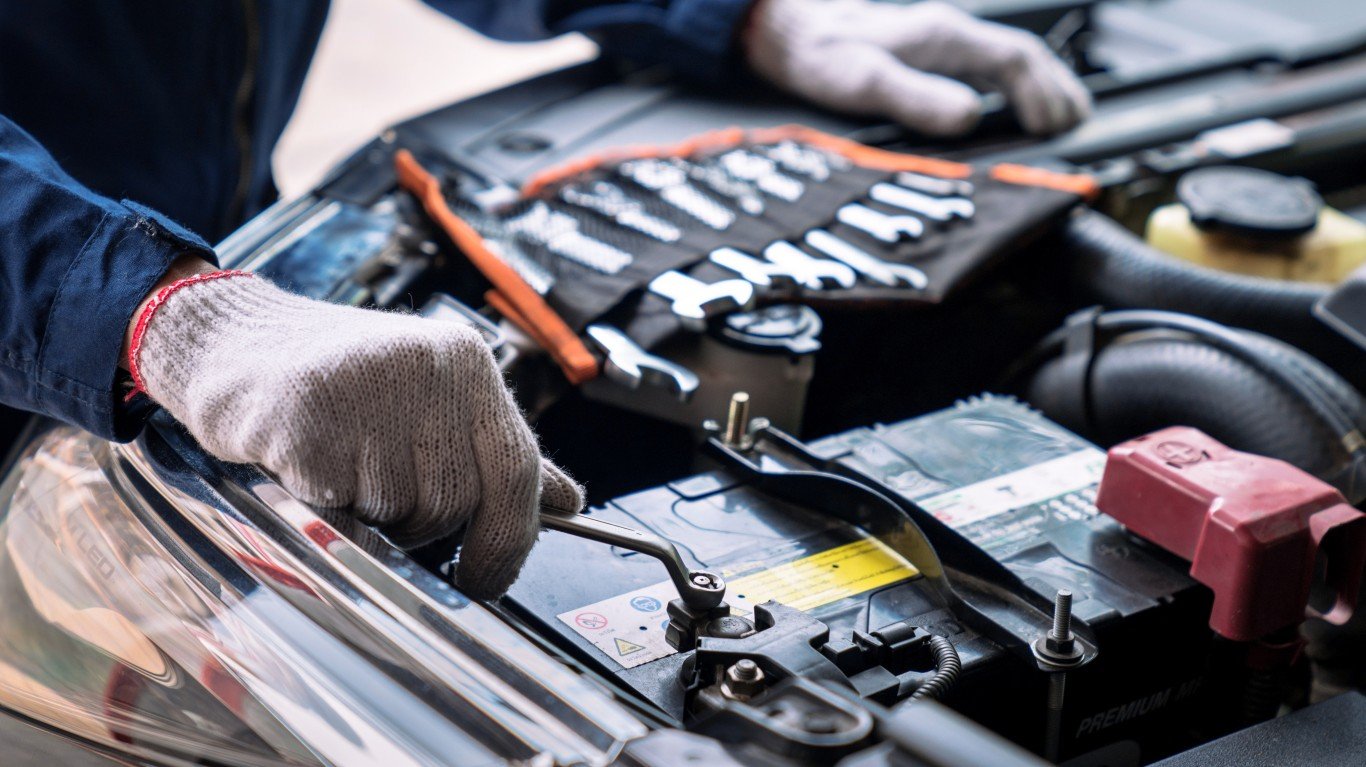
Some expenses are surprises. Others are completely predictable but don’t happen often enough to fit into a monthly budget. Sinking funds can help with both. These expenses have a way of showing up at the worst possible time. Your car needs repairs just after you bought a new appliance; you desperately need new gym shoes right after the expensive holiday season. While these costs don’t happen every month, they are still part of everyday life. We know that they will happen at some point and many of us just cross our fingers and hope we have the funds when the time comes. But this isn’t the smartest approach. That is where sinking funds come in. A sinking fund is money you set aside little by little for a specific future expense. Instead of scrambling to find the money when something negative happens, you already have a plan in place. Adding even just a few sinking funds to your budget can make sudden life events much more manageable.
1. Car Maintenance Fund
We usually focus on the car note and gas, but vehicles are expensive to maintain, and that’s true even when nothing major goes wrong. Setting aside money each month can help cover routine oil changes, occasional new tires, brake repairs. It can also help cover the unforeseen maintenance when something goes horribly wrong.
2. Travel Fund
Vacations are easier to enjoy when you are not putting them on a credit card. And travel is expensive, often in ways we don’t anticipate. Creating a travel sinking fund lets you save gradually for flights, hotels, activities, and the Ubers you were forced to take because you didn’t realize the area wasn’t walkable.
3. Home Repair Fund
Homeowners know that repairs are inevitable; it’s just a matter of when they will spring up. Appliances break, plumbing issues happen, leaks occur, and cooling systems give out under the strain of intense summer heat. If you are a homeowner, this is probably the most important sinking fund you can have. It can keep you from using a credit card to replace your washing machine.
4. Annual Subscription and Membership Fund
In 2026, our world seems to run on subscriptions. Monthly charges are easy enough to work into a regular budget, but annual subscriptions and memberships have a way of sneaking up on you. Warehouse clubs, software, streaming plans, professional memberships, and other services might charge $100 or more at once. If they add enough value to your life, you might not want to give them up. Setting aside money can keep the costs from catching you off guard.
5. Pet Care Fund
Pets can bring unexpected expenses, and none of us want to skimp on this area. Routine vet visits and vaccinations can add up, but the real expense comes in the form of emergencies. A pet sinking fund can help cover everyday care as well as unexpected medical bills. A huge veterinary emergency may be more of an emergency-fund situation, but having a pet fund certainly helps.
6. Gifts and Holiday Fund
Birthdays, holidays, and special events happen every year, and many of them at the same time every year. Even so, they can seem to pop up out of nowhere, putting pressure on your budget. A gift fund gives you the luxury of spreading those expenses out. Every time a family member’s birthday seems to suddenly appear, you’ll be ready.
7. Medical and Dental Fund
Even with insurance, anything in the medical world is pricey. Expenses can add up quickly. A small medical savings fund can cover things like copays, prescriptions, glasses, or the sudden root canal you desperately need.
8. Clothing and Shoes Fund
Clothing expenses are easy to overlook because they do not happen on a set schedule. Situations arise where you realize you don’t have anything appropriate to wear. Setting aside a clothing sinking fund can help cover seasonal clothes, work outfits, shoes, and the dress you suddenly realize you need for your cousin’s wedding.
Contact [email protected] for any questions or corrections.