‘It Won’t Work’: Clark Howard Warns Capital One Quietly Moved Its Cheapest Customers to Discover
Capital One quietly shifted certain cardholders onto a network that gets declined at hotel desks and taxi stands across Europe and Asia, and the reason comes down to a financial calculation most customers never see coming.


On his September 23, 2026 podcast, consumer advocate Clark Howard warned that Capital One has migrated price-sensitive customers’ cards to the Discover Network, which means occasionally you won’t be able to use it, especially overseas. He noted Capital One is not doing this for Capital One cards they assume people will take overseas.
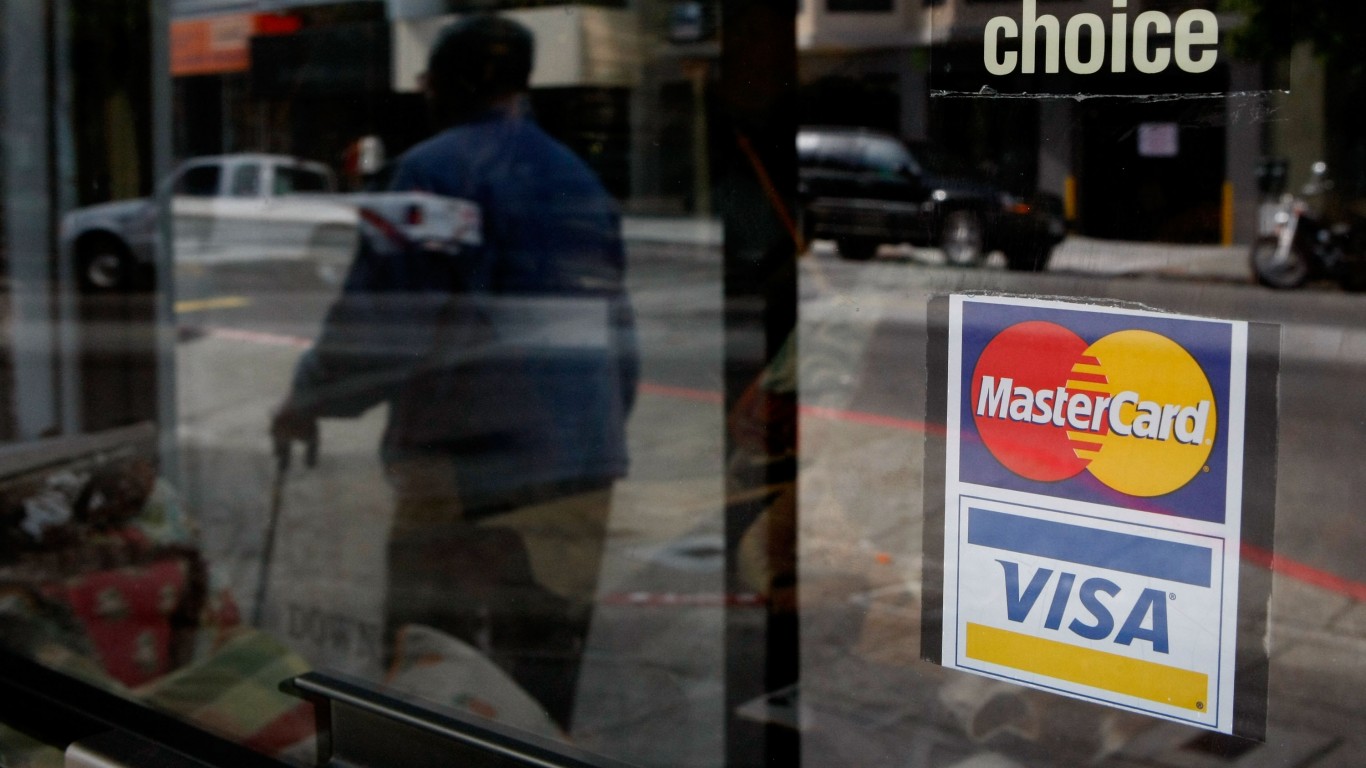
The stakes are practical. A Discover-branded card can be declined at a Paris taxi stand or Tokyo hotel while a Visa or Mastercard sails through. The reason is how card issuers sort customers by profit.
Verdict: The Warning Is Real, and the Math Explains Why
Howard’s warning holds up against Capital One (NYSE:COF | COF Price Prediction)’s own data. On the July 21, 2026 earnings call, CEO Richard Fairbank said the company was 14 months into our planned 24-month integration of Discover. Global Payment Network volume hit $189.6 billion in the quarter, up 156% year over year. That growth requires shoveling accounts onto Discover rails.
To see why the cheapest customers get shoveled first, you need to understand how card issuers actually make money. There are two customer types:
- Transactors pay their balance in full each month. The issuer earns roughly 1.5% to 2.5% in interchange every time they swipe, plus any annual fee. These are the customers airlines, hotels, and lounge-access cards fight for.
- Revolvers carry a balance and pay interest, often at 22% to 29% APR. The issuer earns interchange plus interest, but also absorbs charge-offs.
A price-sensitive customer with a no-fee card who rarely travels is worth far less than a heavy-spending transactor on a premium travel card. Capital One is spending heavily to keep the second group happy. Total marketing expense hit about $1.7 billion, up 23% year over year, aimed at heavy-spender growth and premium benefits.
Every time a customer swipes, the merchant’s bank pays an interchange fee routed through the network. If Capital One issues on Discover, which Capital One now owns along with PULSE Network and Diners Club International, that fee slice stays in-house. Migrate a customer who spends $12,000 a year at roughly 2% interchange, and Capital One captures extra revenue on every transaction. Do that across millions of accounts and you get a 156% jump in network volume.
The cost lands on cardholders abroad. Discover’s international acceptance is thinner than Visa’s or Mastercard’s. Fairbank said on the call that international acceptance is a long quest and Capital One is starting with Mexico, the Caribbean, Canada, and the United Kingdom. Anywhere else, a Discover-branded reissue can fail at the terminal.
One Variable Decides Whether You Care
The single factor that determines whether this migration hurts you is how often you travel outside the United States and Canada. Domestically, Discover’s network has really wide acceptance because Capital One now stands behind it.
If you use the card only for groceries, gas, and Amazon, a Discover-branded reissue changes nothing. If you take one international trip a year and rely on that card for hotels and rental cars, a single decline can force you into cash advances at 25%+ APR or leave you stranded until a backup card arrives.
Capital One’s stock reflects investor patience with this trade. Shares are down about 18% year to date and trading near $195, with a market cap around $120 billion. Network volume gains are real, but the market is pricing integration risk.


What to Do Before Your Next Trip
- Check your Capital One card for the network logo. If it says Discover and you travel internationally, request a Visa or Mastercard product from Capital One or plan around it.
- Carry a second card from a different issuer on international trips. A Visa or Mastercard from another bank is the cleanest backup.
- Before a trip, check your card issuer’s foreign transaction fee. Many Capital One products charge 0%; some competitors charge 3%.
- If a reissued card arrives unexpectedly, check the account terms for changes to APR, credit limit, or rewards.
When a card issuer moves you between brands, it is optimizing its own economics, and the friction lands on you at the terminal.
Contact [email protected] for any questions or corrections.
Jake has been been working in financial media for almost 15 years. He focuses on all things personal finance for 24/7 Wall St. with high hopes to educate and entertain. Most recently, Jake spent 12 years working various roles at The Motley Fool. He started copy editing fool.com content, worked on premium and marketing campaigns, and helped launch The Ascent, a personal finance brand.
His work has been featured on platforms like MSN, Yahoo Finance, USA Today, and more. He's written about credit cards, social security, ETFs, savings accounts, and just about anything else you can imagine when thinking about money. Jake love to cook, play golf, and tell people he's never had a cavity. (It's true!)