Texas’ Aging Power Poles Are Raising Wildfire Risk. He Lost His Oxygen Equipment in a Fire Before Medicare’s 5-Year Replacement Clock Ran Out
Aging power poles sparked a wildfire that burned more than a million acres, but the hidden Medicare consequence hit one oxygen-dependent survivor in a way nobody warned him about before he filed his replacement claim.

This post may contain links from our sponsors and affiliates, and Flywheel Publishing may receive compensation for actions taken through them.
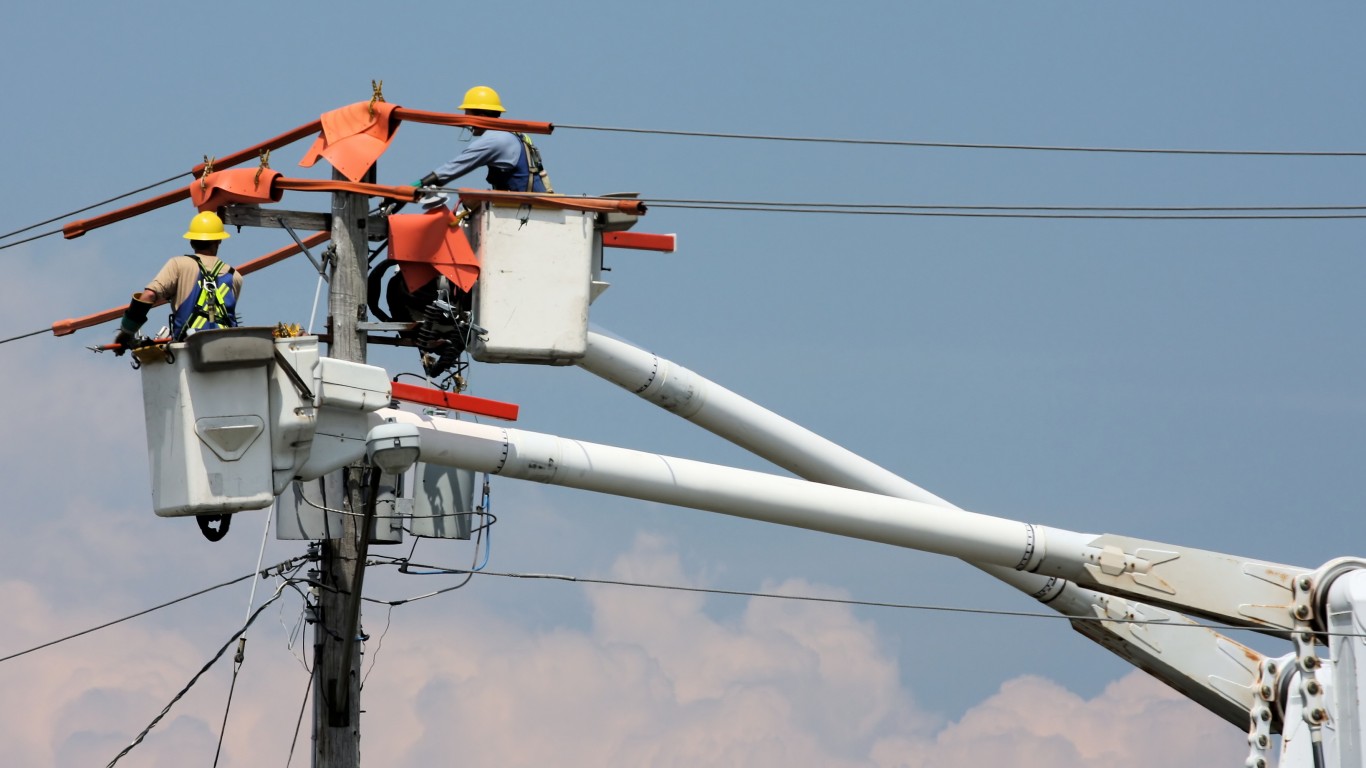
Aging utility infrastructure is drawing new scrutiny as wildfires put more strain on the electric grid. In the Texas Panhandle, the Texas A&M Forest Service concluded that the Smokehouse Creek Fire was caused by a power line after a wooden utility pole failed.
Last year, Texas Attorney General Ken Paxton sued utility Xcel Energy (NASDAQ:XEL | XEL Price Prediction). The complaint alleges that two decayed utility poles sparked a fire that burned more than 1 million acres, killed three people and caused more than $1 billion in damages. It also claims Xcel marked one pole as defective weeks before it fell. Xcel denies negligence but says it “accepted responsibility from the beginning.”
Imagine a Medicare beneficiary on home oxygen loses everything when his house burns in a fire. His concentrator and portable equipment are destroyed. The equipment was three years into Medicare’s five-year cycle. He assumes that clock prevents Medicare from starting over early. It doesn’t: fire is one of the specific incidents that can trigger replacement and a new rental period.
How Medicare’s 5-Year Oxygen Clock Runs
Under Original Medicare, oxygen equipment is generally rented from a supplier, with Medicare making rental payments for 36 months. After that, the supplier who provided the oxygen equipment during the 36th rental month must provide all necessary items and services for the rest of the five-year reasonable useful lifetime. A beneficiary who still needs oxygen at the end of year five can start a new cycle.
Normal wear, malfunction, or wanting newer equipment does not restart that timer early.
Fire Breaks the Clock
The Centers for Medicare and Medicaid Services (CMS) makes an exception for loss or damage beyond repair caused by an identifiable incident: fire, flood, theft, loss, or equipment that is dropped and destroyed. Medicare contractors say irreparable damage refers to a specific incident of damage to equipment. For oxygen, a qualifying incident can start a new 36-month rental period and a new reasonable, useful lifetime before the original five years run out. That makes the wildfire a Medicare event as well as a property loss.
Wear and Wildfire Get Two Different Answers
| Cause (equipment age: 3 years) | Who handles it | New 36-month cycle? |
|---|---|---|
| Concentrator wears out | Original supplier, under its five-year obligation | No |
| House fire destroys it | Replacement described as irreparable damage | Yes |
The cause of the loss determines which answer he gets.
What a Reset Actually Costs Him
A new cycle comes with a bill. After the Part B deductible, which is $283 in 2026, Medicare generally pays 80% of the Medicare-approved amount for covered oxygen equipment and the beneficiary owes 20% coinsurance. If the fire hits around the end of the original 36-month rental period, the replacement starts a new 36-month rental period and new monthly coinsurance.
Medigap Plan G covers that 20% coinsurance but not the deductible. With Original Medicare alone, he pays it every month. The tradeoff is that replacing the destroyed equipment can restart the rental period and its coinsurance before the original five-year clock would have ended.
Surcharges and coinsurance like this are the quiet part of retirement healthcare costs (we mapped the ones that catch retirees off guard in a free Medicare guide here: Medicare’s Hidden Bills).
Proof Wins the Claim
Medicare contractors can ask for documentation showing the equipment was lost or damaged beyond repair. Useful records include fire department reports, the insurance claim, photos and anything else that ties the equipment to the fire. Theft calls for a police report. The supplier also has to meet Medicare’s documentation rules, and a treating practitioner’s order may be required to reaffirm medical necessity for the replacement.
When a federal, state or disaster/emergency declaration covers the area, Medicare can temporarily relax some of its usual steps for replacing lost or damaged equipment. CGS, a Medicare equipment contractor, says Medicare will pay for replacement when the equipment is lost, destroyed, irreparably damaged, or otherwise rendered unusable. A single house fire doesn’t need a formal declaration, though. The oxygen replacement rule already counts a specific incident such as a fire or flood.
Three Calls to Make Sooner Than Later
- Call the oxygen supplier and tell them a fire destroyed the equipment. Ask them to bill the replacement as irreparable damage from a specific incident, which opens a new 36-month rental period.
- Send the supplier the fire report, the insurance claim number and your photos. Then call the prescribing doctor to confirm that your oxygen order and medical-necessity records are current.
- If your county is under an official disaster declaration, ask the supplier or 1-800-Medicare whether emergency replacement procedures apply.
Equipment that just gets old can’t earn a new five-year cycle. When a wildfire destroys it before the timer runs out, the fire itself can reset that timer.
Contact [email protected] for any questions or corrections.
Gerelyn Terzo is the author of dividend investing handbook "Dividend Investing Strategies: How to Have Your Cake & Eat It Too." A veteran financial journalist, she covers agri-finance for outlets like Global AgInvesting and the broader stock market and personal finance for 24/7 Wall Street. She began at CNBC and later helped launch Fox Business in New York. Gerelyn currently resides in Woodland Park, Colorado and dabbles in nature photography as a hobby.