She Planned on Medicaid Paying for Care at Home Instead of a Nursing Home. The Waiting List Was 34 Months Long, and the Bill Started the Week She Fell
She had a plan: stay home, let Medicaid cover the aide, never set foot in a nursing facility. Then she broke her hip, her children called the state, and they discovered something nobody had warned them about.

This post may contain links from our sponsors and affiliates, and Flywheel Publishing may receive compensation for actions taken through them.

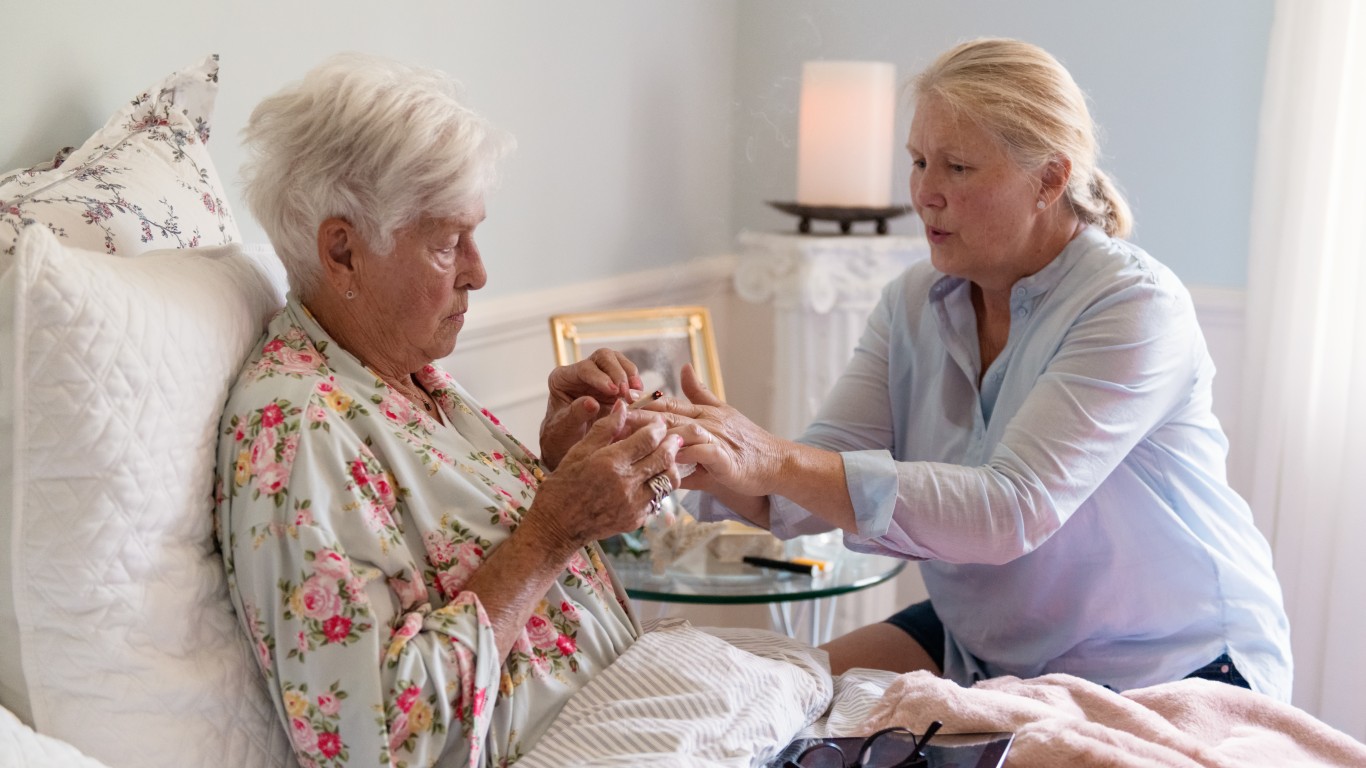
A widow has said for a decade she’ll never live in a care facility. She owns a small house, keeps modest savings, and assumes Medicaid will send an aide to help her bathe and cook once she needs one. Then she falls in her kitchen, breaks a hip, and her children start calling the state.
They learn two things immediately. Her state’s Medicaid home care waiver has a waiting list. Nationally, people who got off those lists in 2026 had waited 34 months on average, per KFF. Across town, a care facility has a bed open now, and its bill starts the week she moves in.
Why Medicaid Must Cover Nursing-Facility Care but Can Limit Home-Care Slots
Federal law makes nursing-facility care a required Medicaid benefit for eligible adults. States can’t cap it with a waiting list the way they can many home-care waiver programs. Home care runs differently. KFF reports that most home care is optional for states, and waivers can limit how many people receive services.
Because of that cap, meeting every eligibility rule only gets her a place in line. A slot opens when someone leaves or the state pays for more. One elder law firm sums it up: “receiving care in a nursing home is an entitlement, while getting care at home is not.”
More than 5 million Medicaid enrollees use home care, about half through waivers. In 2026, 40 states had waiting or interest lists covering nearly 650,000 people. Across those lists, people who eventually got services had waited 34 months on average.
Averages hide big differences between states. Some states screen people for eligibility before listing them; others don’t. States with no list for older adults can enroll an eligible applicant without a wait. The same hip fracture leads to very different results depending on where she lives.
Medicare Covers Rehab, Then the $327-a-Day Bill Arrives
Original Medicare generally covers skilled nursing facility care after a qualifying inpatient hospital stay of at least 3 days in a row. Time under observation doesn’t count. It covers skilled care, not custodial help with things like bathing or dressing when that’s the only care she needs.
Coverage runs on a meter. In 2026, she pays $217 per day for days 21 through 100. Medicare can stop sooner if she no longer needs skilled care, but it doesn’t stop simply because her progress plateaus. Coverage tops out at 100 days per benefit period.
From that point, she pays herself. A shared nursing home room costs $327 a day in 2026, or $119,340 a year. Home care costs less by the hour (a non-medical caregiver had a 2025 median of $35 an hour), but no waiver is paying for it.
The family hits the gap. She wants care at home. They need care this week. A nursing facility may become the only Medicaid-funded option available right now. She spends down her savings there until she qualifies for Medicaid, staying on the waiver list hoping to get back home.
Four Questions That Beat a 34-Month Wait
Families who get these answers before the fall have options. Families who wait until discharge planning have one.
- Which waiver helps older adults in her state? Many states run several waivers, each with its own rules and caps.
- Is there a waiting list, and how is it ranked? Some go first come, first served. Others prioritize urgent needs. Signing up early starts the clock.
- Where is she on it now? A spot claimed two years ago is worth far more than one claimed from a hospital bed.
- What can she get while she waits? Medicaid personal care through the state plan, PACE programs, and services from the local Area Agency on Aging can fill part of the gap.
Private money matters. Suze Orman has urged listeners to “look into the difference between care in a nursing home when you are a private pay patient versus care in a nursing home when you are on Medicaid.” Savings or an extended care policy can pay for an aide while the waiver list moves.
A bill in Congress would change that balance. Sens. Ben Ray Luján and Tim Kaine introduced the HCBS Access Act in August 2026, which would make home and community-based care a mandatory Medicaid benefit and phase down waiting lists. Until a bill like that passes, choosing home over institutional care depends on two factors: where she wants to live, and whether a Medicaid slot is open the week she falls.
Contact [email protected] for any questions or corrections.
Gerelyn Terzo is the author of dividend investing handbook "Dividend Investing Strategies: How to Have Your Cake & Eat It Too." A veteran financial journalist, she covers agri-finance for outlets like Global AgInvesting and the broader stock market and personal finance for 24/7 Wall Street. She began at CNBC and later helped launch Fox Business in New York. Gerelyn currently resides in Woodland Park, Colorado and dabbles in nature photography as a hobby.