He Has VA Health Care and Will Skip Part B to Save $202.90 a Month. The VA Hospital Is 90 Minutes Away. The Specialist Will Need VA Approval or He Could Pay the Bill Himself
Skipping Part B saves real money every month, but the math changes the moment a veteran needs a specialist outside the VA system and the nearest VA hospital is a long drive away.

This post may contain links from our sponsors and affiliates, and Flywheel Publishing may receive compensation for actions taken through them.

He turns 65 before the end of 2026. He already gets his care through the VA, and Medicare wants $202.90 a month for Part B this year. Turning it down feels like the disciplined choice. The average retired worker’s Social Security check is $2,071 a month in 2026, so that premium takes a noticeable bite.
Then his knee starts acting up. The nearest VA hospital is 90 minutes away. An orthopedic practice that takes Medicare sits 10 minutes from his house, but without Part B he has no Medicare coverage for that outpatient visit. By skipping the premium, he takes a network restriction without ever putting a price on it.
The tradeoff is biggest for veterans enrolled in VA health care who have no job-based group coverage. A veteran who lives near a full-service VA medical center carries a smaller version of this risk. One whose closest VA hospital is a long drive away carries all of it.
Where VA Coverage Ends and Medicare Takes Over
VA health care and Medicare run on separate tracks. The VA pays for care at its own facilities and for community care it authorizes. Eligible veterans can see providers in the VA’s community care network when VA services aren’t available nearby or quickly enough, and the VA decides when that standard is met. If he books the local specialist on his own without approval, he can end up owing the bill.
Medicare works the other way around. Part B covers care from doctors who take Medicare, with no VA approval required. The VA itself encourages veterans to sign up for Medicare at 65 for exactly this reason: Medicare gives him coverage when he needs a non-VA hospital or doctor. The VA also warns that its funding could change and that veterans in lower priority groups could lose VA health benefits in the future.
Emergency Rooms Follow Separate VA Rules
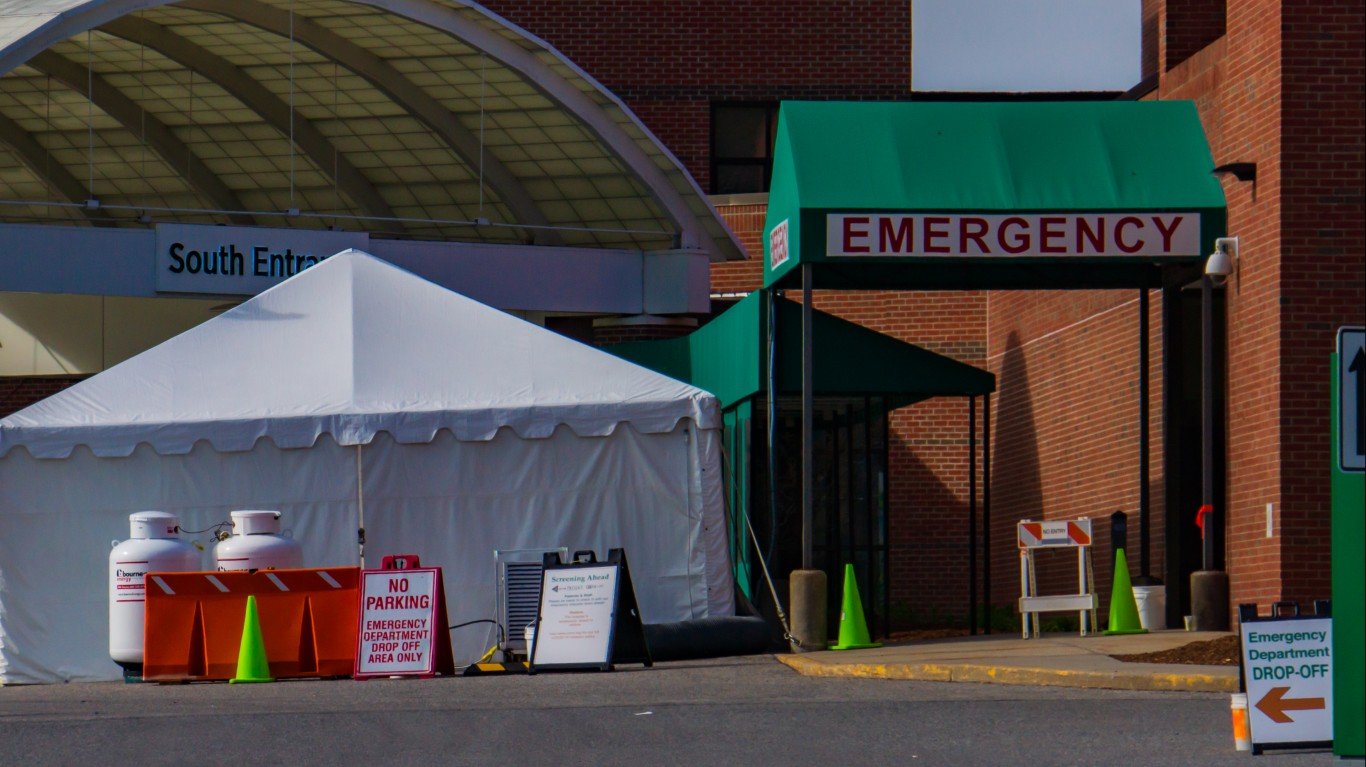
A true emergency is less of a trap than it looks. The VA can cover care at a non-VA emergency department if a VA or other federal facility was too far away to reach in time and a reasonable person would believe that waiting put his life or health at risk. The VA must be told within 72 hours of when emergency care starts. The hospital should make the call, but he or a family member can do it instead. Two catches apply: urgent care centers don’t count as emergency departments, and the VA pays for outside emergency care only until it can safely move him to a VA facility.
The bigger blind spot is the everyday care that comes after. That means a follow-up with the cardiologist the ER sent him to, an MRI at the imaging center down the road, or physical therapy three times a week. All of it is routine outpatient care close to home, and the VA covers none of it unless it authorizes it first. Part B would help cover that outpatient care once he meets its 2026 deductible of $283, generally leaving him with 20% of the Medicare-approved amount.
Skipping Part B Now Can Cost Him for Life
VA health care does not count as current-employment coverage for the Part B Special Enrollment Period, so relying on VA coverage alone does not give him the same penalty-free delay. His penalty-free window is his Initial Enrollment Period. It opens three months before he turns 65 and closes three months after his birthday month.
If he misses that window, signing up later costs him twice. First, he has to wait for a later enrollment period and goes months without coverage. Second, he pays a late penalty that the VA says gets bigger for every year he delayed and lasts for the rest of his life. The penalty also sits on top of a premium that keeps rising: the standard Part B premium went from $185.00 in 2025 to $202.90 in 2026. If he loses VA eligibility in his 70s, or simply decides he wants local doctors, he buys Part B at a permanently higher price.
Canceling later carries its own risk. The VA notes that a veteran who drops Part B can’t get it back until January of the following year and may owe a penalty when it restarts. The premium itself is only one line on the bill, too: income surcharges and coverage gaps can quietly add thousands more, which we mapped out in a free guide to Medicare’s hidden costs.
Map the Distance Before the Window Closes
Before his enrollment window closes, he should look at the premium alongside the distances he would actually have to drive:
- Map his options. List the nearest VA medical center, the nearest VA clinic, and which local hospitals and specialists are in to the VA community care network.
- Call the community care office. Ask what qualifies him for an outside referral in his area and how long approval usually takes for a specialist visit.
- List the doctors he would actually use. If his cardiologist, orthopedist, or nearest hospital is outside VA reach, the monthly premium pays for access he will probably need.
He doesn’t have to give up either one. He can keep VA care for prescriptions and anything the VA treats well and use Medicare for the doctor 10 minutes away.
Count What Skipping the Premium Really Costs
He sees the $202.90 every month. The cost of skipping it shows up later: a 90-minute drive, a wait for a referral, a bill from a local doctor the VA never approved, or a penalty that follows him for life. If he lives next to a VA hospital that offers every specialty he needs, skipping Part B can make sense. If he lives 90 minutes from the VA with a specialist down the road, the premium pays for the right to use the doctors closest to him, and every year he waits makes that access more expensive to buy.
Contact [email protected] for any questions or corrections.
Gerelyn Terzo is the author of dividend investing handbook "Dividend Investing Strategies: How to Have Your Cake & Eat It Too." A veteran financial journalist, she covers agri-finance for outlets like Global AgInvesting and the broader stock market and personal finance for 24/7 Wall Street. She began at CNBC and later helped launch Fox Business in New York. Gerelyn currently resides in Woodland Park, Colorado and dabbles in nature photography as a hobby.