Her Dentist Recommends a No-Drill Cavity Treatment as Its Maker Heads for an IPO. Medicare May Not Pay a Cent
A no-drill peptide treatment sounds like medicine, but Medicare classifies it by what it fixes, not how it works. Before Linda lets her dentist skip the drill, she needs to know who is actually going to pay.

This post may contain links from our sponsors and affiliates, and Flywheel Publishing may receive compensation for actions taken through them.

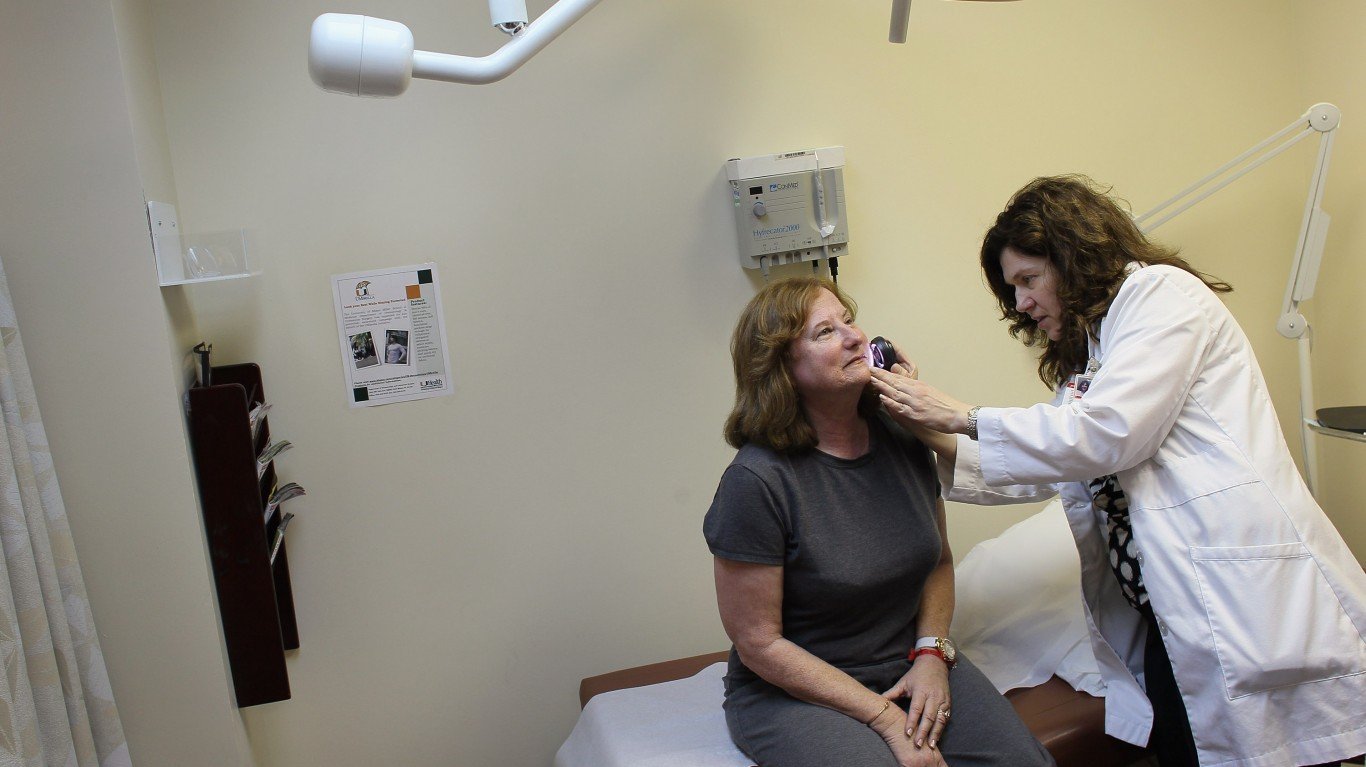
Imagine Linda, 68, on Original Medicare. Her dentist just found early decay on two molars. He skips the drill and suggests a peptide treatment applied to the tooth. It sounds like medicine, so she expects Medicare to pay for it as such. She already pays the standard Part B premium of $202.90 a month in 2026, set by the Centers for Medicare & Medicaid Services (CMS). The treatment is Curodont, and its maker is in the news.
vVardis, a Switzerland-based company that sells non-invasive treatments for early-stage cavities, filed for a U.S. initial public offering (IPO) on October 9, 2026. Renaissance Capital, the IPO research firm, estimates the offering could raise $200 million. Its summary says a dentist applies Curodont in five minutes or less, with no drilling or needles. The U.S. product, Curodont Repair Fluoride Plus, is marketed under the Food and Drug Administration’s (FDA) rules for over-the-counter anticavity drugs. Linda cares about a different question: who pays the bill.
Medicare Still Treats a Cavity as Dental Care
Medicare.gov’s dental services page, which explains what Parts A and B cover in the mouth, says that in most cases Medicare doesn’t cover dental services like routine cleanings, fillings, tooth extractions, dentures or implants. The same page says beneficiaries pay all costs for noncovered services.
Medicare decides coverage by what gets treated and why. The tool the dentist uses has no bearing on it. Early decay on a tooth counts as dental care, so a brush-on peptide falls into the same excluded category as a drill and a filling. Meeting the $283 Part B deductible for 2026 makes no difference, because the deductible counts only toward services Medicare covers.
Medigap won’t fill this gap either. Linda’s Plan G helps pay her share of Medicare-covered care, but it doesn’t add coverage for routine cavity treatment.
Medicare’s Dental Exceptions Are Narrow and Medical
Medicare.gov lists the cases where Medicare may step in. Each one ties the dental work to the success of a covered medical treatment:
- An oral exam and dental treatment before a heart valve replacement or an organ, kidney or bone marrow transplant
- Treating a mouth infection, such as with an extraction, before chemotherapy
- Complications that arise during head and neck cancer treatment
- Exams and infection treatment before and during dialysis for people with End-Stage Renal Disease
Medicare may also cover the hospital stay when a patient’s health or the severity of a dental procedure makes inpatient care necessary. That doesn’t automatically make the dental work itself covered. Linda’s routine treatment for early decay doesn’t fit these exceptions, whether her dentist calls it preventive or regenerative.
Medicare Advantage Can Tell a Different Story
Most Medicare Advantage plans offer some dental coverage beyond Original Medicare, according to KFF. Those benefits differ widely. Some plans cover cleanings and exams only. Others cover restorative work up to an annual limit, inside a set network and only for the procedure codes the plan lists. The IPO filing and the FDA monograph tell Linda nothing about whether a particular plan’s dental benefit pays for Curodont (dental is one of several Medicare gaps we mapped in a free guide: Medicare’s Hidden Bills).
Open enrollment for 2027 is underway, but Linda should look beyond the dental benefit before giving up Original Medicare and Plan G. If she drops Medigap to try Medicare Advantage for the first time, a federal trial right gives her 12 months to return to Medigap. Some states offer additional protections. Outside those protections, insurers can generally review her health and turn her down when she reapplies. She should weigh any dental savings against the change to her medical coverage. A standalone dental policy would let her keep her current setup, but she needs to check whether it covers Curodont, when coverage starts and whether the savings justify the premiums.
Ask for the Code and Price Before Treatment
- Get the procedure code and the cash price in writing before agreeing to treatment. The code gives your insurer a starting point for checking coverage.
- Call the plan with that code if you have Medicare Advantage, a standalone dental policy or retiree dental coverage. Ask whether it covers the treatment with your dentist, how much it would pay and whether a waiting period or annual limit affects the bill.
- Check for an old health savings account. Once you’re enrolled in Medicare, you can’t make contributions for those months, but you can still use an existing balance tax-free for eligible dental expenses.
The technology removes the drill. Medicare’s dental exclusion stays in place. Get the code and the price, check what your own plan pays, and make the decision before the brush touches the tooth.
Contact [email protected] for any questions or corrections.
Gerelyn Terzo is the author of dividend investing handbook "Dividend Investing Strategies: How to Have Your Cake & Eat It Too." A veteran financial journalist, she covers agri-finance for outlets like Global AgInvesting and the broader stock market and personal finance for 24/7 Wall Street. She began at CNBC and later helped launch Fox Business in New York. Gerelyn currently resides in Woodland Park, Colorado and dabbles in nature photography as a hobby.