With Gas Near $4 a Gallon, Drivers Without Cash Back Are Leaving Money on the Table at the Pump

This post may contain links from our sponsors and affiliates, and Flywheel Publishing may receive compensation for actions taken through them.
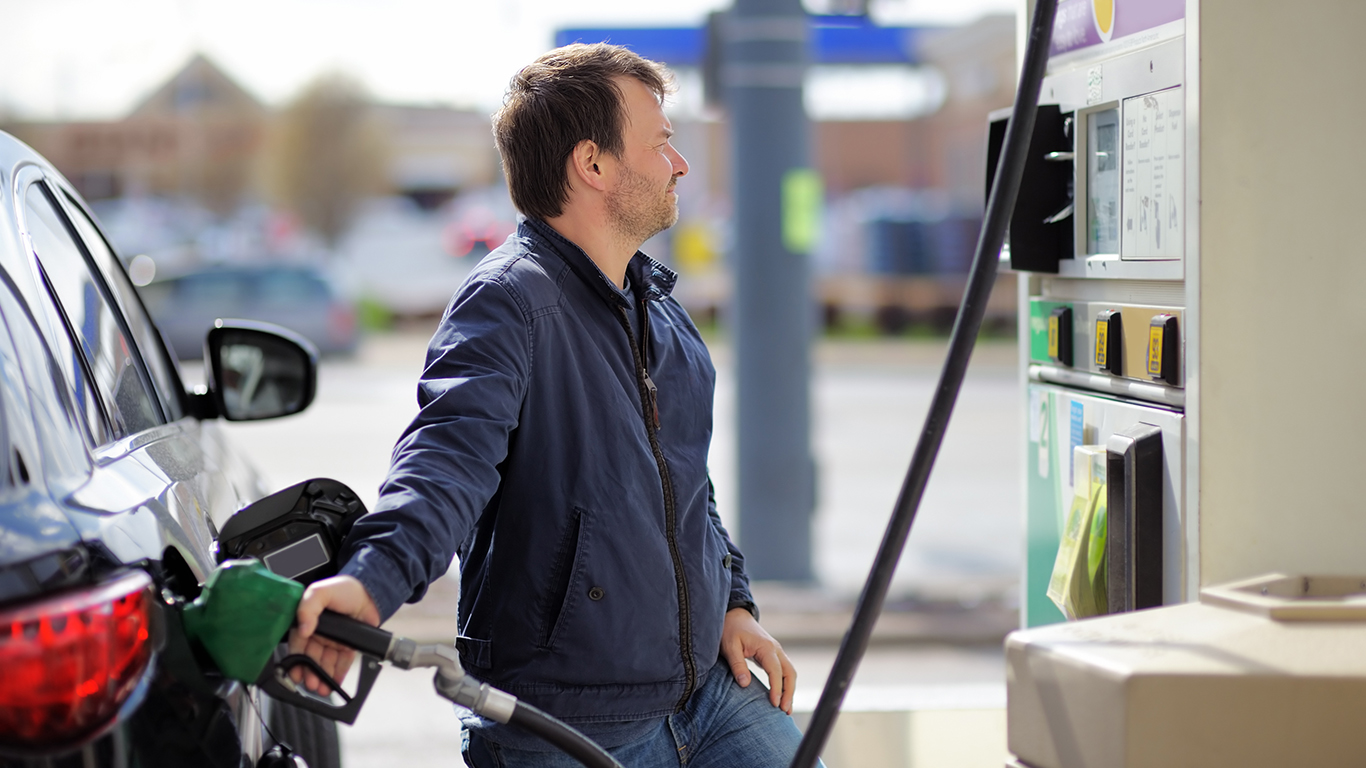
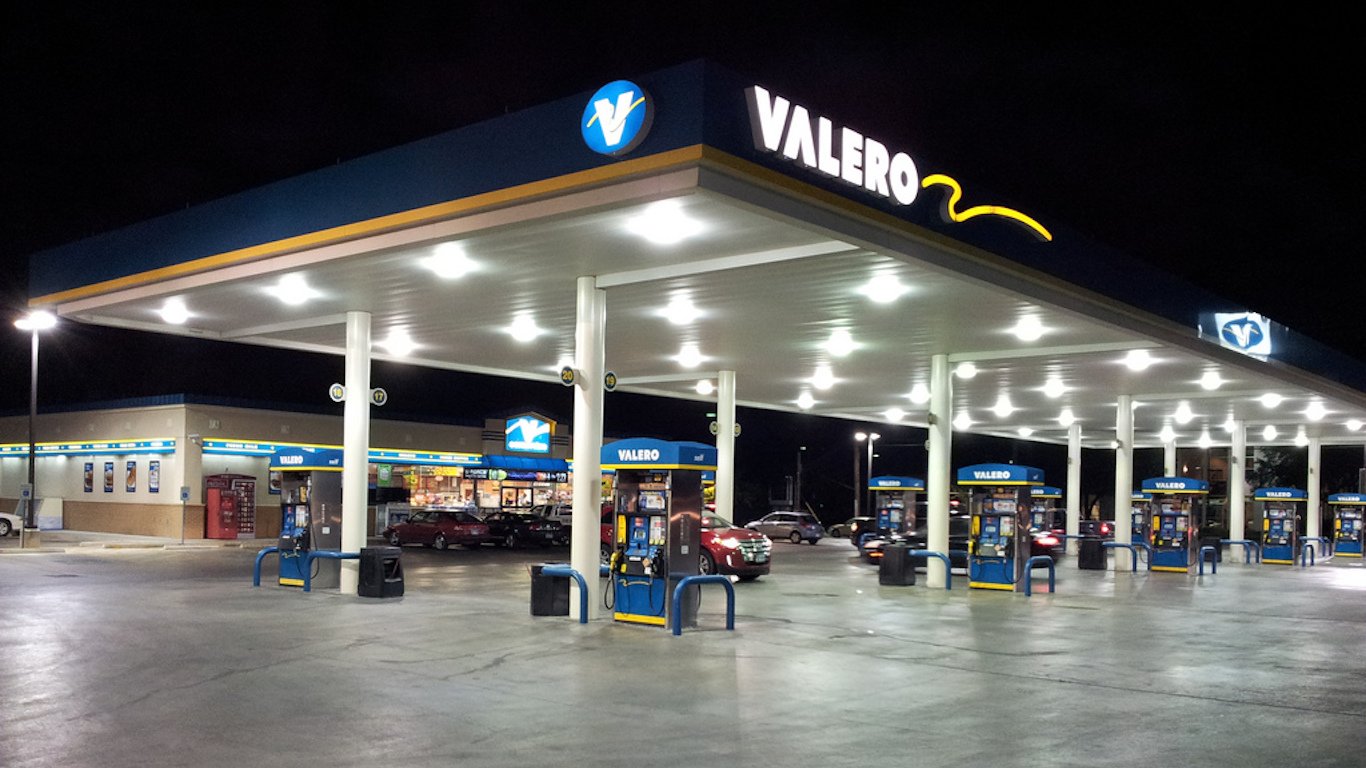
The national average price of regular gasoline was $3.81 a gallon[1] for the week of November 16, 2026, based on Energy Information Administration data. That is down $0.19[1] from $4.00 the week of November 9. It is also below the recent high of $4.269[1] on October 26. Prices have eased, but a fill-up still costs close to four dollars a gallon. If you pay for gas with cash, a debit card or a card that earns nothing, you give up a rebate on money you were going to spend anyway.
Gas Is a Fixed Line in Every Household Budget
The Bureau of Labor Statistics Consumer Expenditure Survey shows average annual household spending of $81,905 in 2025, up from $78,535 in 2024. Gasoline is one of the most predictable costs in that total. Errands, medical appointments and visits to family all take fuel, whether prices go up or down. Because the purchase repeats every week, a rebate on it adds up over a year without any change in how you drive.
Households are watching those costs closely. The University of Michigan consumer sentiment index was 48.0[2] in October 2026, down from 55.2 in July.
How Gas Rewards Pay You Back
Most pump rewards come in one of three forms:
- Flat-rate cash back cards pay the same rate on every purchase, gas included. No category tracking is needed.
- Cards with a gas bonus category pay a higher rate at gas stations. Some cap the bonus or spread out it during the year. Check whether the issuer considers pumps at grocery stores or warehouse clubs as gas stations.
- Grocery and warehouse club fuel programs give per-gallon discounts linked to store purchases or membership. They pay off when you already shop at that store.
What the IRS Says About Cash Back
Purchases usually get rewards that aren’t taxed. In a 2010[3] private letter ruling, the IRS wrote that a rebate from the party a buyer paid "is an adjustment in purchase price, not an accession to wealth, and is not includible in the buyer’s gross income." Cash rewards earned in other ways, such as without a purchase, may be taxable depending on how they are earned. Hold on to any tax form an issuer mails you.
Where Gas Rewards Backfire
Rewards only pay off when you clear the balance in full. The average credit card APR at commercial banks was 21.19%[4] as of August 2026. The Consumer Financial Protection Bureau notes that cardholders who pay the full balance each month usually avoid interest because of a grace period. For those who carry a balance, "interest starts accruing immediately for a purchase." At that rate, interest on a carried balance can wipe out whatever the card earns at the pump.
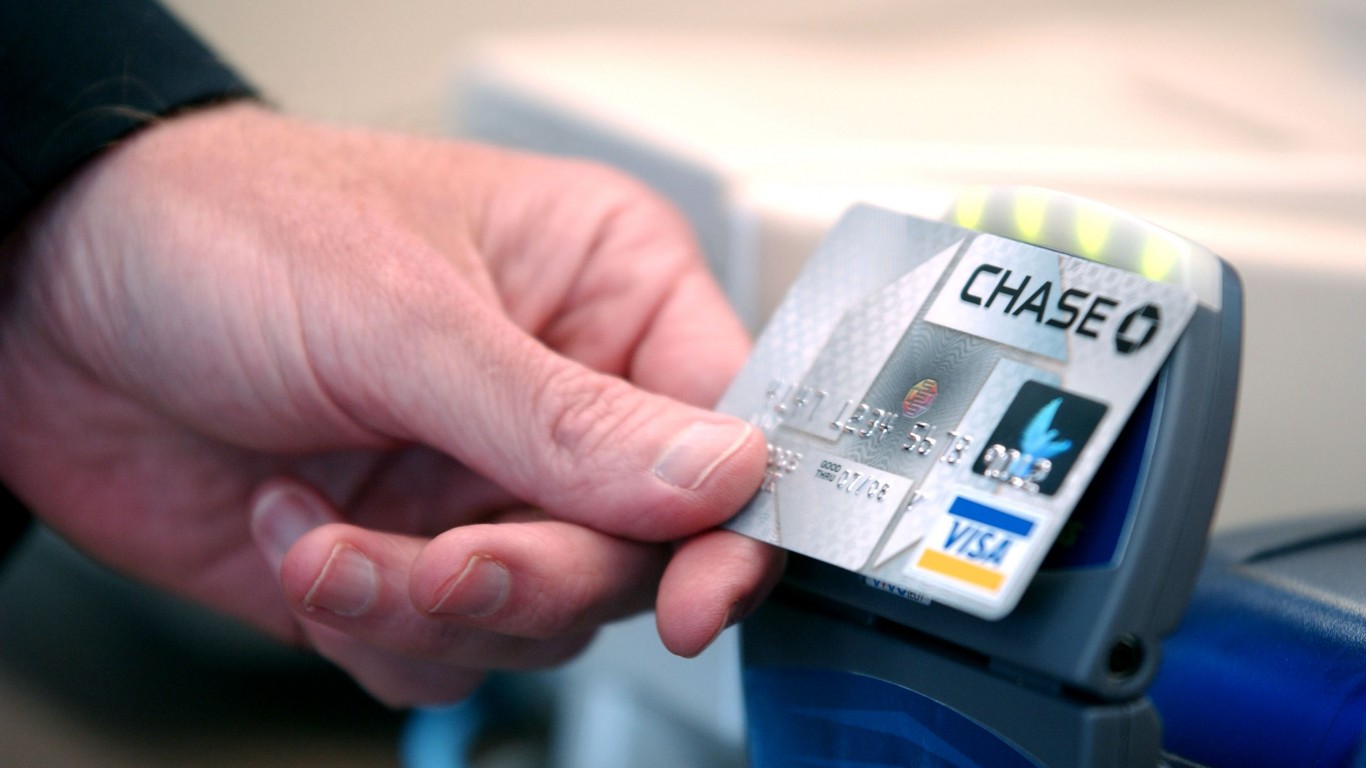
How you pay at the station matters too. Some stations post a higher price per gallon for cards than for cash. If that gap is bigger than what your card earns, cash is cheaper. Read the price sign before you swipe.
Who Should Check Their Wallet Before the Next Fill-Up
Gas rewards work best for drivers who always pay off what they owe each month and only count rewards on fuel they would buy anyway. They are no reason to drive more or to switch to a pricier station. This part costs nothing. Look up what the card already in your wallet earns on gas, and check how your issuer classifies the stations where you usually fill up. If the answer is nothing, compare flat-rate and gas-category options before your next trip to the pump.
Contact [email protected] for any questions or corrections.
Austin Smith is a financial publisher with over two decades of experience as an investor, analyst, and advisor. He covers stocks, ETFs, Artificial intelligence and personal finance for 24/7 Wall St. Previously, he spent over a decade at The Motley Fool as a senior editor for Fool.com, portfolio advisor for Millionacres, and launched The Ascent to help reader take control of their personal finances.
His work has been featured on Fool.com, NPR, CNBC, USA Today, Yahoo Finance, MSN, AOL, Marketwatch, and many other publications. He is as an advisor to private companies, and co-hosts The AI Investor Podcast with Eric Bleeker.
When not looking for investment opportunities, he can be found skiing, running, or playing soccer with his children. Learn more about Austin's investment approach here.