Grocery and Gas Are Crazy, But Some Americans Have Found A Workaround

This post may contain links from our sponsors and affiliates, and Flywheel Publishing may receive compensation for actions taken through them.
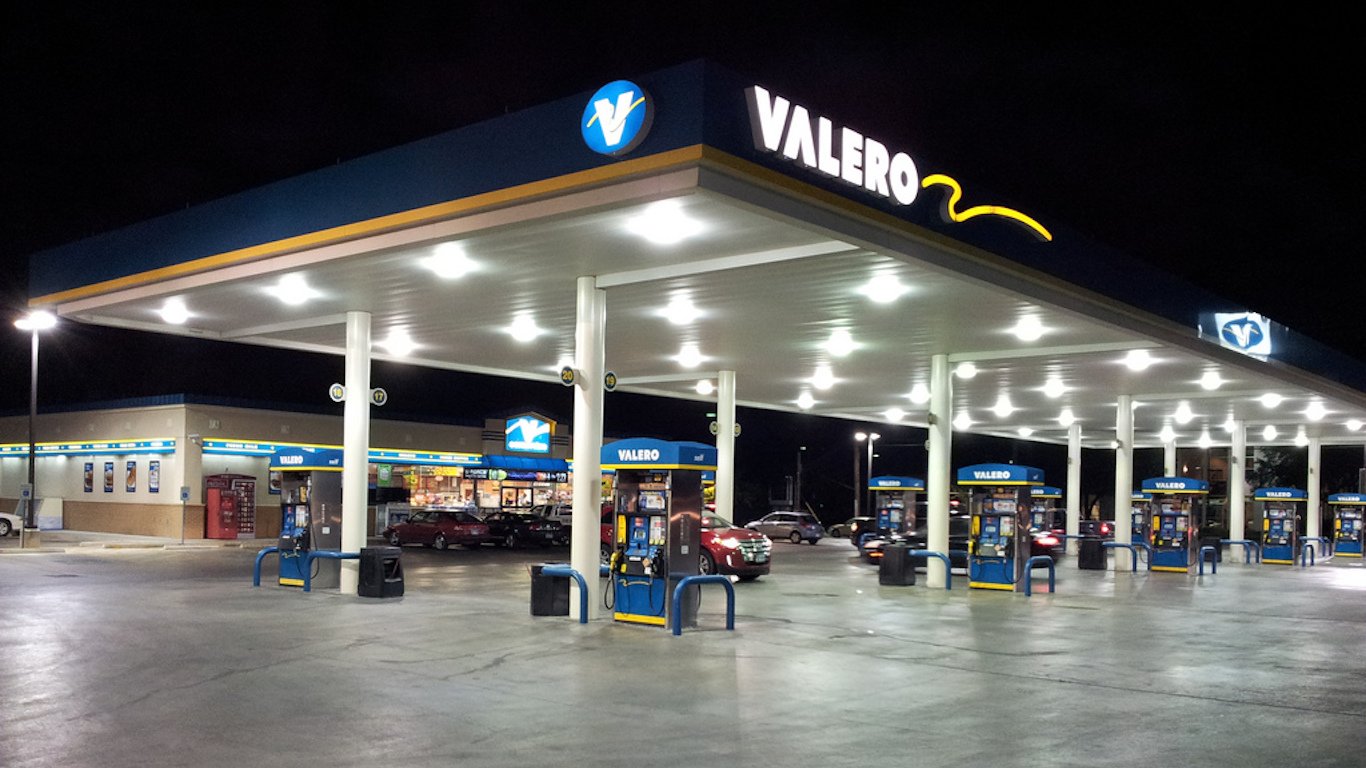
Groceries and gas are two bills most families can’t skip, and both cost more than they did a year ago. The food-at-home index, which tracks grocery prices, rose 2.4% between November 2025 and October 2026. Gasoline prices rose 37.4% year over year as of October 2026, and a gallon of regular averaged $4.00 nationally for the week of November 9, 2026. Overall consumer prices rose 3.7% in the year through September 2026. The government did not publish a consumer price index for October 2025, so September is the latest full year-over-year comparison.
What families can control is how they pay those prices.
A Workaround Already Sitting in Your Wallet
Put groceries and gas on a card that pays 5% cash back in those categories, then pay the statement in full every month. You earn on spending you already do, so a piece comes back on every trip to the store or the pump without any change to what you buy.
Consumer advocate Clark Howard has made this case to listeners for years. “I think it’s a great idea as long as you never run a balance on the cards,” he told a caller in a March 2017 episode of his podcast.
Where 5% Beats Inflation, and Where It Falls Short
On groceries, the math works in your favor. A 5% rebate is higher than the 2.4% rise in grocery prices over that period, so the cash back more than offsets the increase. It also tops the 3.7% rise in overall consumer prices.
Gas is a different story. Pump prices rose 37.4%, outpacing the cash back rate. The rebate takes a bite out of a fuel bill that has jumped, and most of that jump stays on your bill.
Fine Print Worth Five Minutes of Your Time
Rates, which purchases qualify, spending caps, and whether a bonus category must be activated all vary by card. Read your card’s terms before assuming every grocery or gas purchase earns the top rate. Purchases at warehouse clubs or supercenters, for example, may or may not code as groceries depending on the issuer.
Watch the pump, too. Some gas stations charge more per gallon for card payments than for cash, and that surcharge can cancel out the reward.
Taxes generally take nothing. In a legal memorandum, the IRS concluded that card rewards redeemable for cash or a statement credit are a rebate, and cash back earned on purchases is usually not taxable because it is treated as a discount on spending rather than income.
Pay in Full or Lose the Whole Benefit
The average interest rate on credit card plans at commercial banks was 21.19% as of August 1, 2026, according to the Federal Reserve’s G.19 release. Rewards never make up for interest on a balance that isn’t paid in full. Carry a balance and the strategy runs in reverse.
Cash back is also never a reason to spend more. An extra cart of groceries bought to chase rewards costs more than it returns. The approach works only on purchases you would make anyway.
Who Gains Most From This Habit
This fits families that already pay their card in full each month and spend a meaningful share of their budget at the grocery store and the pump. Retirees on fixed incomes, who feel every price increase in their monthly budget, stand to gain from a rebate that requires no extra work beyond choosing which card to swipe.
Start with the card you already carry. Check what it earns on groceries and gas, confirm any caps or activation rules, and direct those purchases to whichever card pays the most, as long as you clear the balance every month.
Contact [email protected] for any questions or corrections.
Austin Smith is a financial publisher with over two decades of experience as an investor, analyst, and advisor. He covers stocks, ETFs, Artificial intelligence and personal finance for 24/7 Wall St. Previously, he spent over a decade at The Motley Fool as a senior editor for Fool.com, portfolio advisor for Millionacres, and launched The Ascent to help reader take control of their personal finances.
His work has been featured on Fool.com, NPR, CNBC, USA Today, Yahoo Finance, MSN, AOL, Marketwatch, and many other publications. He is as an advisor to private companies, and co-hosts The AI Investor Podcast with Eric Bleeker.
When not looking for investment opportunities, he can be found skiing, running, or playing soccer with his children. Learn more about Austin's investment approach here.