At 64 With $900,000, He’ll Start Getting Medicare Mail. His First Chance to Sign Up Lasts Seven Months, and Missing It Can Mean a Lifelong Penalty

This post may contain links from our sponsors and affiliates, and Flywheel Publishing may receive compensation for actions taken through them.

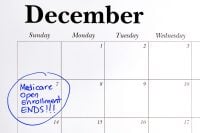
He’s 64, he has about $900,000 saved, and his mailbox is filling up with Medicare plan ads months before his 65th birthday, with glossy postcards, invitations to free lunch seminars, and phone numbers that promise to explain everything. Most of it can go straight in the recycling bin, but the deadline behind all that mail can’t be ignored. His first chance to sign up for Medicare lasts 7 months[1]. Missing it can raise what he pays for Part B for as long as he has it.
If you’re turning 65 soon, you’ve probably felt the same mix of stress and low-grade anxiety. Below, we cover how the window works, who gets enrolled automatically, when it’s fine to wait, and how a $900,000 nest egg affects what you’ll pay.
Seven Months That Can Set Your Premium for Life
Medicare calls it your Initial Enrollment Period. It starts 3 months before you turn 65[1], includes your birthday month, and ends 3 months after the month you turn 65. Timing inside that window matters because coverage always starts on the first of a month, and if you sign up before your birthday month, Part B starts the month you turn 65.
If you sign up during your birthday month or later, it starts the following month, according to Medicare.gov[1]. So if his current insurance ends at 65, signing up in those first three months helps him avoid a gap.
What Waiting Too Long Really Costs
If you miss the window without other qualifying coverage, the Part B penalty is 10% for each full 12-month period[2] you could have signed up but didn’t. For example, if you wait two full years, you owe a 20% penalty. In 2027, that means about $251 a month instead of the standard $209.40. For most people, that surcharge goes for life.
You also lose time. After the initial window closes, you generally have to sign up during the General Enrollment Period, which runs January 1 to March 31[1], and coverage starts the month after you sign up. You could go months without coverage.
Drug coverage carries its own penalty. If you go 63 days or more[2] without qualifying drug coverage after you first get Medicare, you owe an extra 1% for each month. Fourteen months late works out to about $6[2] a month in 2026, added for as long as you have Part D. Each penalty is a percentage of a premium that keeps rising. The standard Part B premium went from $185 in 2025 to about $209.40 in 2027.
Automatic Enrollment and the Employer Coverage Exception
You’re enrolled automatically if you start Social Security at least 4 months before you turn 65[3]. Plenty of people with $900,000 hold off on Social Security to get a bigger check later, so he may well have to sign up on his own. If he isn’t collecting benefits, no Medicare card is coming unless he applies.
Waiting is fine if he, or his spouse, is still working and covered by that job’s health plan. Medicare’s sign-up tool asks whether the employer has 20 or more employees[4], because that affects whether a delay makes sense. Once the job ends, he gets an 8-month[4] Special Enrollment Period. That clock starts when he stops working, even if you choose COBRA[4]. People get caught on this one. COBRA feels like continued coverage, but the Part B clock keeps running.
Medigap Offers One Chance at Guaranteed Coverage
If he picks Original Medicare, he gets a 6-month[5] Medigap Open Enrollment Period. It starts the first month he has Part B and is 65 or older. During that time, insurance companies “can’t deny you coverage due to pre-existing health problems.”[5] Once it closes, a policy may cost more or be unavailable, and the window never returns.
Where His $900,000 Comes Into Play
Part B premiums are based on income, so his withdrawals and other taxable income set what he pays. Single filers with modified adjusted gross income up to $112,000 ($224,000[6] for joint filers) pay the standard of about $209.40 in 2027. At the top, it’s about $711.80[6].
A big IRA withdrawal, a Roth conversion, or a large capital gain can push him into a higher bracket. Drug coverage carries a separate surcharge, starting at about $15[6] a month. He doesn’t face required minimum distributions until age 75, so the next decade of withdrawals is up to him. He should plan it with these brackets in mind. IRMAA is only one of the surcharges that catches retirees off guard, and we covered the rest in a free Medicare guide here.
Two Moves to Make Before Your Birthday Month
First, figure out which group you’re in. If you aren’t collecting Social Security and won’t have health coverage from a current job at 65, sign up for Part A and Part B during the three months before your birthday month. That locks in coverage on day one, avoids a penalty, and starts your Medigap window on time.
Second, don’t assume COBRA, retiree insurance, or a marketplace plan lets you wait. Only coverage from active work counts for the delay. If you’re unsure, compare your coverage against Medicare’s rules now, while you still have months left in the window.
Contact [email protected] for any questions or corrections.
David Beren has been a Flywheel Publishing contributor since 2022. Writing for 24/7 Wall St. since 2023, David loves to write about topics of all shapes and sizes. As a technology expert, David focuses heavily on consumer electronics brands, automobiles, and general technology. He has previously written for LifeWire, formerly About.com. As a part-time freelance writer, David’s “day job” has been working on and leading social media for multiple Fortune 100 brands. David loves the flexibility of this field and its ability to reach customers exactly where they like to spend their time. Additionally, David previously published his own blog, TmoNews.com, which reached 3 million readers in its first year. In addition to freelance and social media work, David loves to spend time with his family and children and relive the glory days of video game consoles by playing any retro game console he can get his hands on.