Discover the 15 Nations That Emerged After the Soviet Union’s Collapse
When the Soviet Union dissolved in 1991, it marked one of the most dramatic geopolitical shifts of modern times. Practically overnight, the Soviet Union was gone. The superpower, which had previously dominated global politics for decades, broke into multiple independent…


When the Soviet Union dissolved in 1991, it marked one of the most dramatic geopolitical shifts of modern times. Practically overnight, the Soviet Union was gone. The superpower, which had previously dominated global politics for decades, broke into multiple independent states. Each of these states faced major challenges, like building their own government, economy, and national identity. The collapse of the Soviet Union didn’t just end the Cold War; it altered borders, alliances, and power structures across Eastern Europe and Central Asia.
The nations that resulted from the fracturing of the Soviet Union followed very different paths in the years that followed. They varied from one another immensely, from Baltic democracies to resource-rich Central Asian countries. Some quickly aligned with Western values, while others retained close connections to Moscow. Many of them still continue to navigate the lasting impacts, both economic and political. This article takes a closer look at the 15 countries born from the Soviet Union’s collapse, a historic moment that continues to influence the world today.
This post was updated on December 27, 2025 to provide a brief overview of the Soviet Union’s collapse.
How Did the Russian Empire Get So Big?

The core of Russia was the principality of Muscovy—what is today the city of Moscow. From the 13th-19th centuries, it expanded in all directions until it stretched from Eastern Europe across northern Asia to the Pacific Ocean, and over into Alaska in North America. It was able to expand most easily toward the east because the land there was thinly populated by tribes with lower levels of technology.
The Soviet Republics
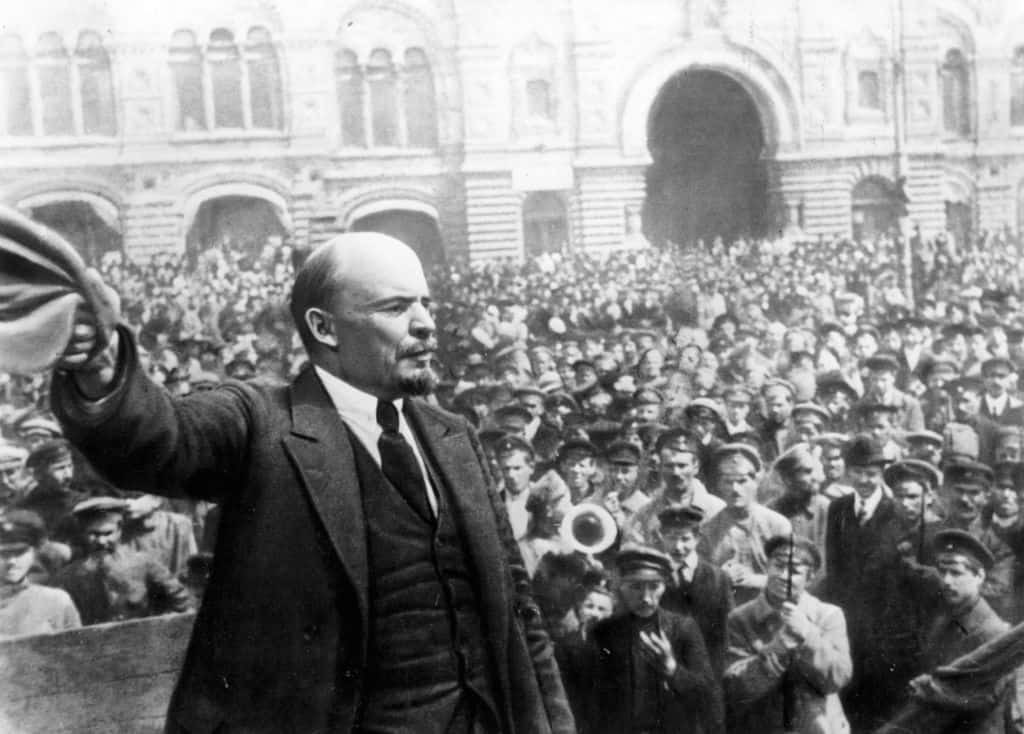
A communist revolution in 1917 was followed by a civil war. Once the Red Army prevailed, the country was reorganized into the Soviet Union in 1922. The leadership wanted the largest nationalities to have their own “republics” and feel some sense of autonomy, but still be controlled by Moscow.
The borders of the republics roughly followed where ethnic groups had settled without regard for geography. In some cases, as in the strange interlocking borders of Tajikistan, Kyrgyzstan, and Uzbekistan in the Fergana Valley, the Soviets created situations that caused conflict between the republics, preventing any of them from growing too powerful and making them more dependent on Moscow to keep the peace.
What Caused the Soviet Union to Collapse?

With an economy only about 1/3 the size of the United States, the Soviet Union engaged in an arms race during the Cold War that prevented them from investing as much as they should have in civilian infrastructure. That, and the inefficiency, corruption, and negative market results of centralized economic planning, caused the USSR to fall well behind. Mikhail Gorbachev came to power and tried to save the system by allowing greater economic and social freedom. This ultimately failed and resulted in the loss of all of the USSR’s allies and the breakup of the country itself into 15 independent nations.
Will Russia Split Up Next?
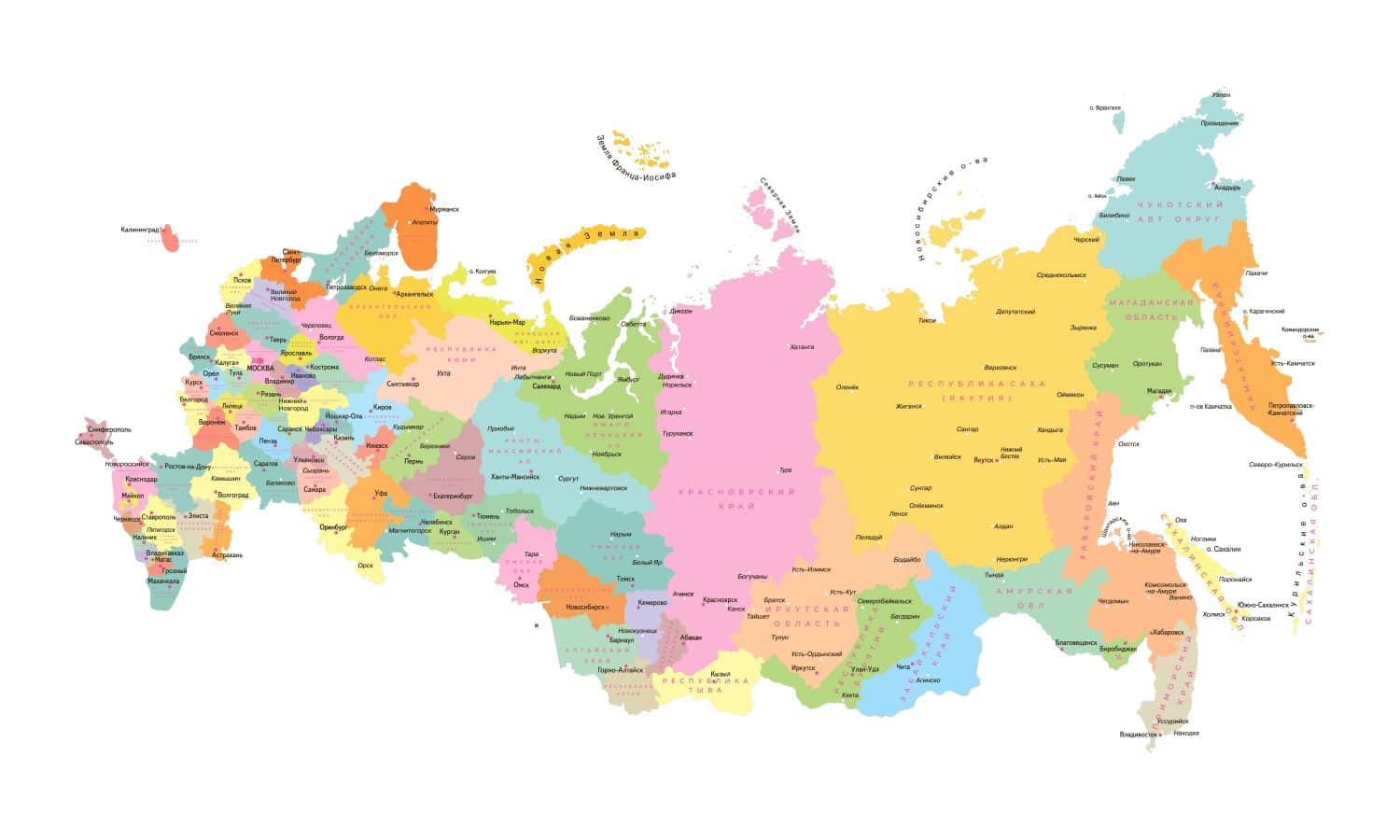
There is a possibility that Russia itself could split up into more than one country. Most of its development is concentrated in the wealthy cities of the European part of the country, particularly Moscow and St. Petersburg. During the war with Ukraine, Russia has drafted men into the army disproportionately from distant and ethnically non-Russian parts of the country to hide from the urban population the human cost of the war to Russia. Sakha, Chechnya, Dagestan, and Tatarstan are some of the areas that could become new countries. This would only happen if the Russian government was too weak to prevent it, such as in a severe economic crisis or military defeat.
1. Armenia
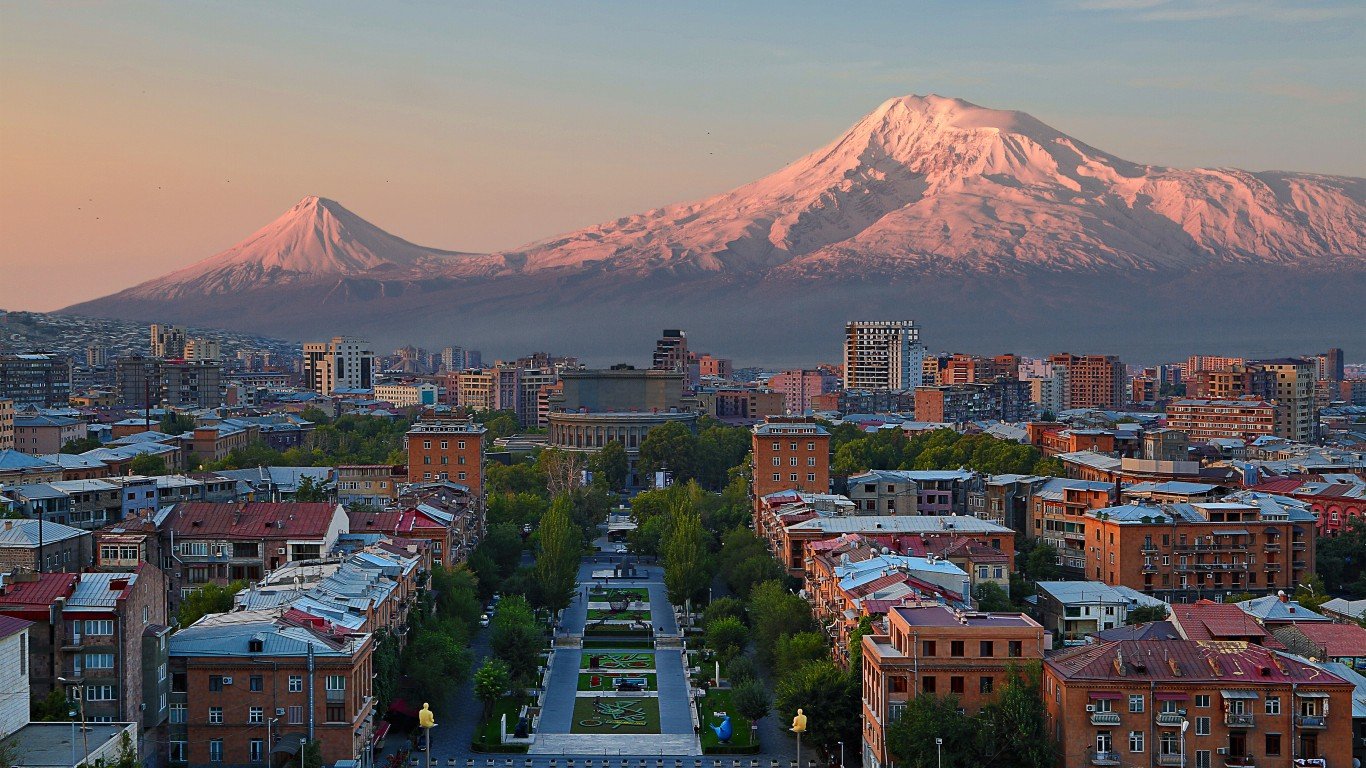
- 2023 GDP: $19 billion
- Russian troops present: 2,000
- Successes: Armenia has a large diaspora in Western countries that significantly help the country’s international economic and diplomatic relationships.
- Failures: It has had military clashes with arch-rival Azerbaijan over control of Nagorno-Karabakh, an Armenian region inside Azerbaijan’s borders. Russian troops are present in a peacekeeping role, which compromises the independence of both countries.
2. Azerbaijan
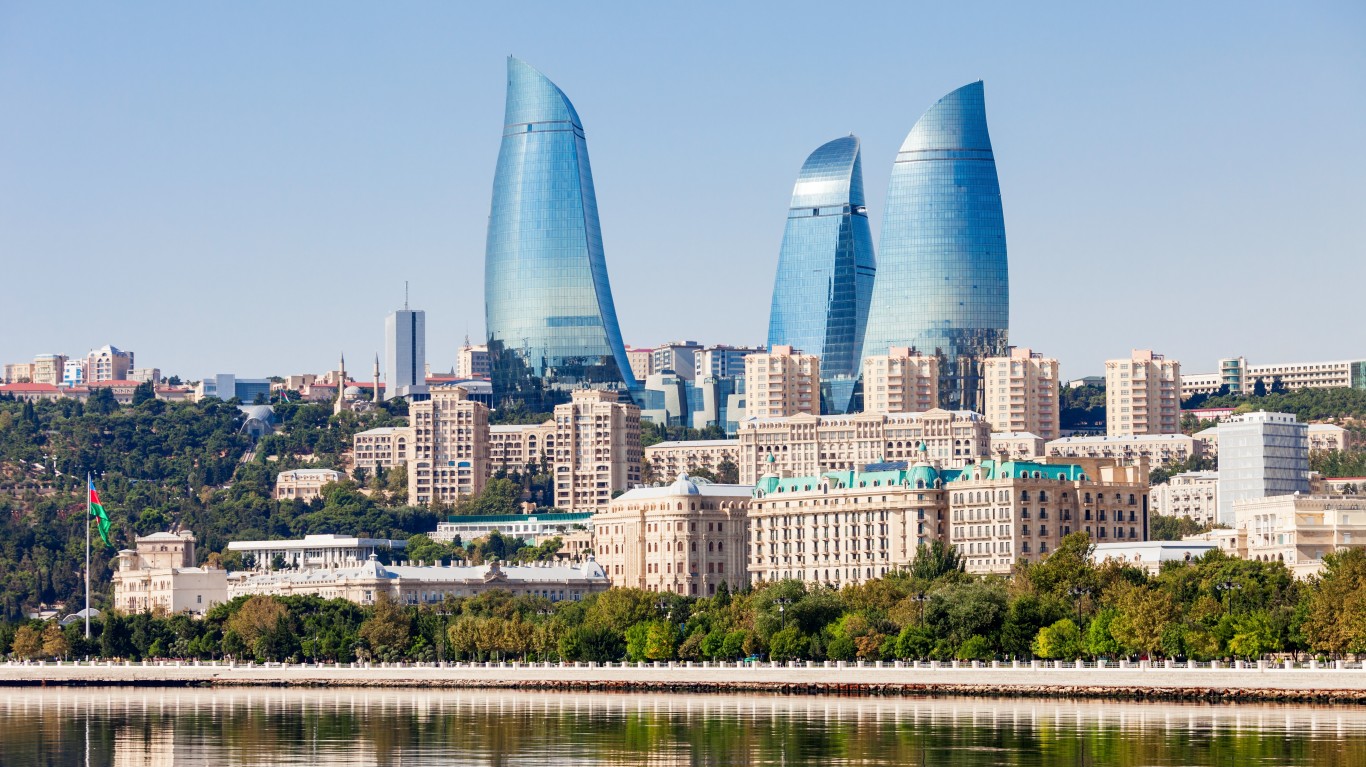
- 2023 GDP: $77 billion
- Russian troops present: 2,000
- Successes: The country exports petroleum, giving it substantial profits.
- Failures: Democracy is threatened by a tendency toward strongman rule, corruption, and civil liberties issues.
3. Belarus
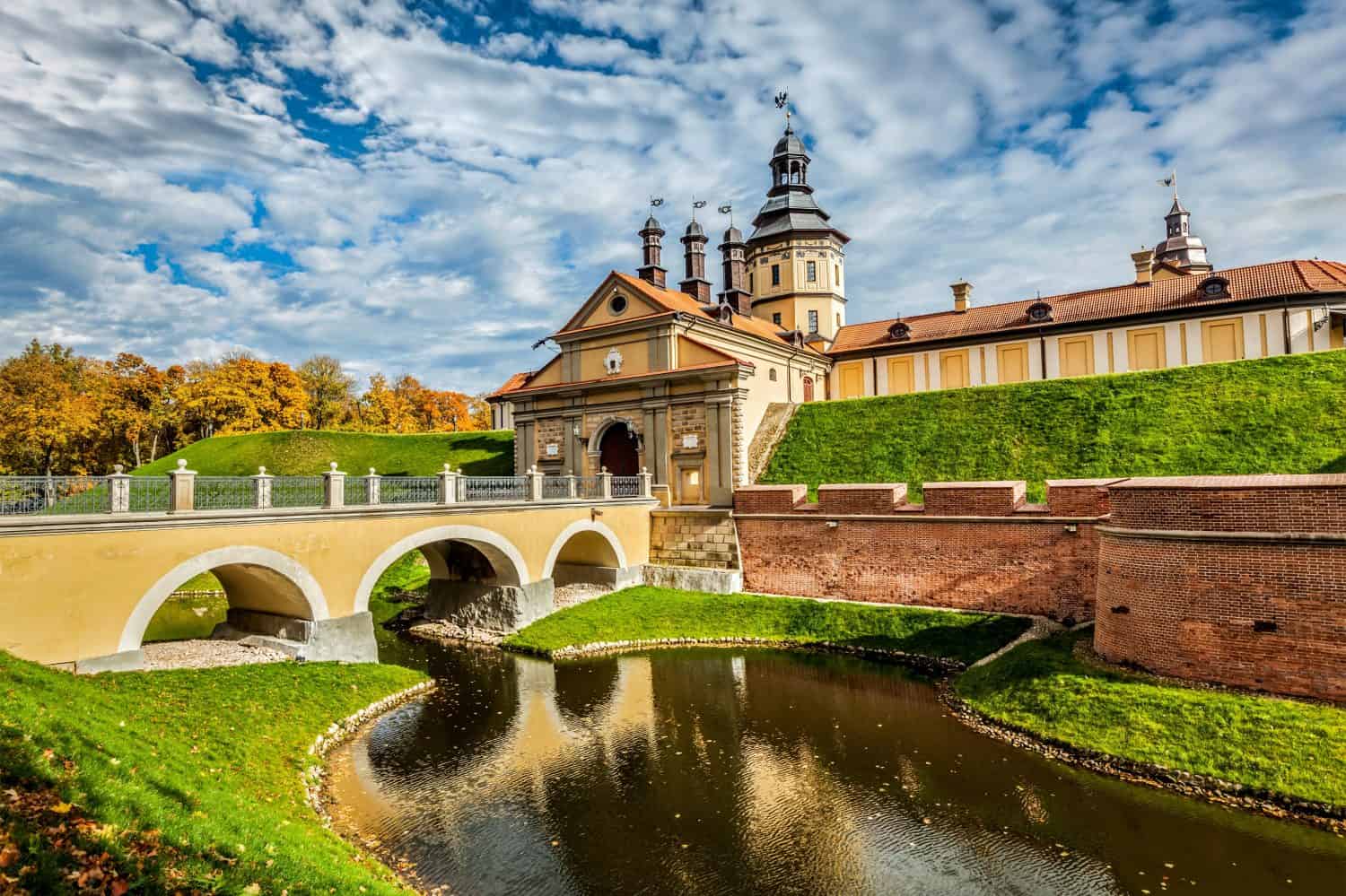
- 2023 GDP: $72 billion
- Russian troops present: 8,000
- Successes: Belarus has maintained its independence from the countries of the Western alliance, so it has not angered its giant neighbor Russia.
- Failures: It is one of the last dictatorships in Europe and endures sanctions and economic isolation because of its alliance with Russia. It is functionally a Russian puppet state.
4. Estonia
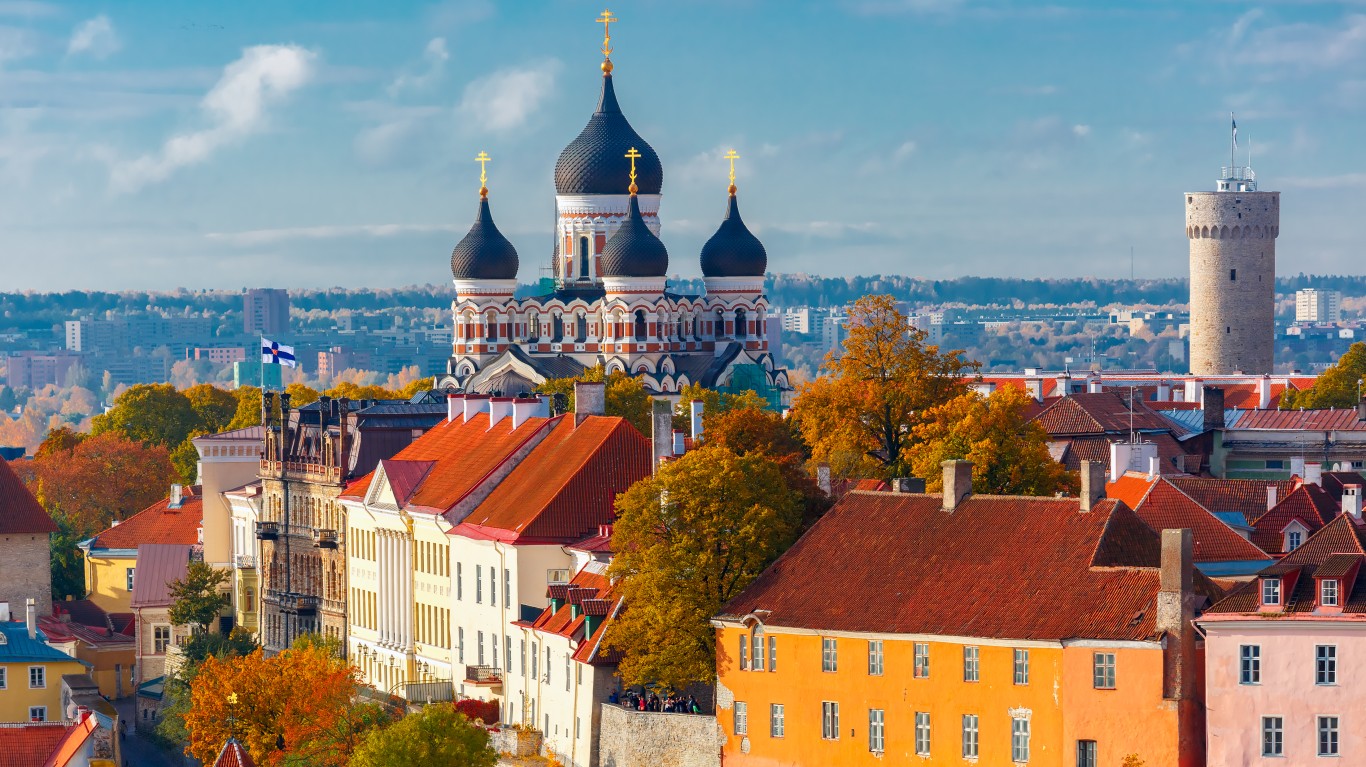
- 2023 GDP: $44 billion
- Russian troops present: none
- Successes: Estonia joined NATO, giving it excellent military protection and access to Western markets, technology, and investment.
- Failures: It is now a NATO/Russia border state, subject to efforts at subversion by Russia and on the front lines of any future war.
5. Georgia
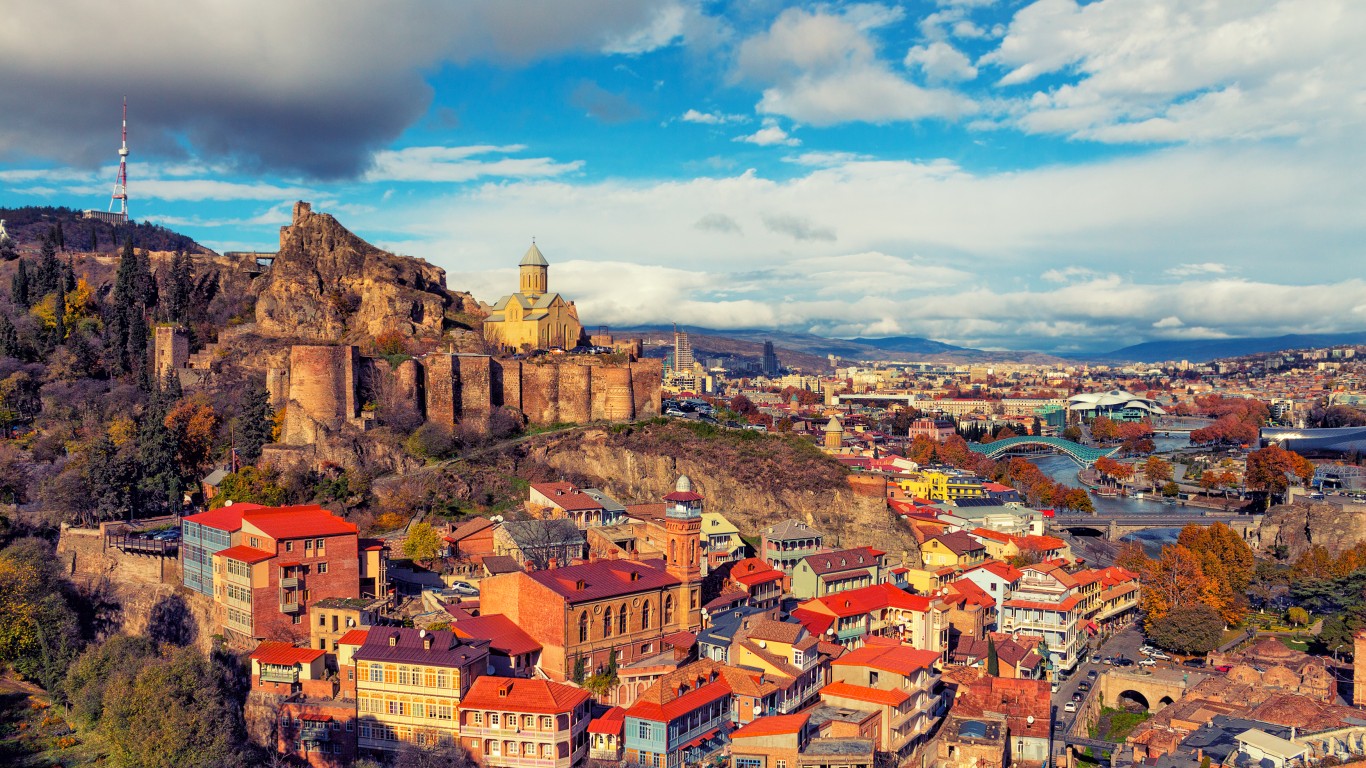
- 2023 GDP: $25 billion
- Russian troops present: 10,000
- Successes: Georgia has maintained its independence and made progress toward stability as a democracy. It aspires to become a member of NATO and the EU.
- Failures: Georgia’s westward orientation troubles Moscow. The Russians invaded and occupied two regions: Abkhazia and South Ossetia and are in position to take over all of Georgia in the future if they wanted to.
6. Kazakhstan
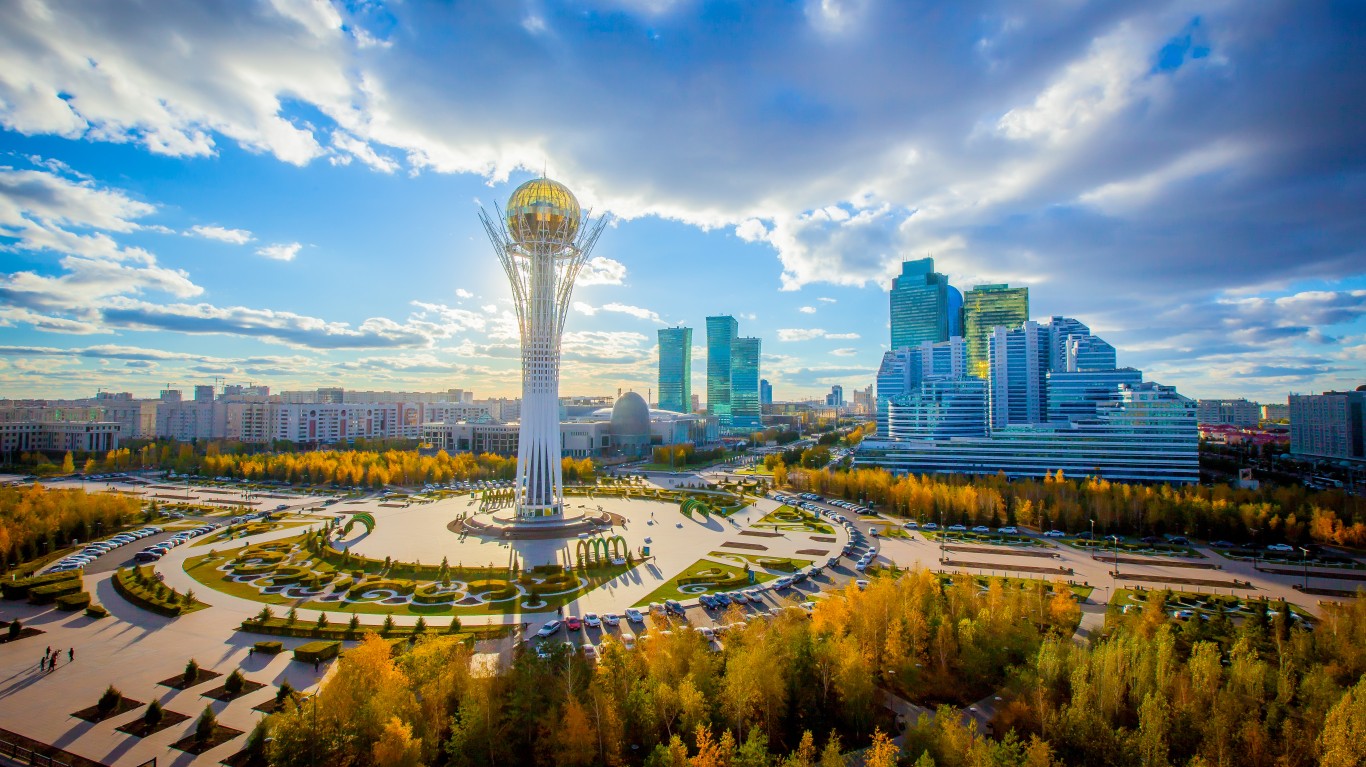
- 2023 GDP: $256 billion
- Russian troops present: None.
- Successes: Kazakhstan exports oil and hosts the training and launch site for the Russian space program. The country built a new capital more centrally located.
- Failures: With an enormous Russian population and long borders with Russia, Kazakhstan has little choice but to align itself with Russia while still trying to maintain its independence.
7. Kyrgyzstan
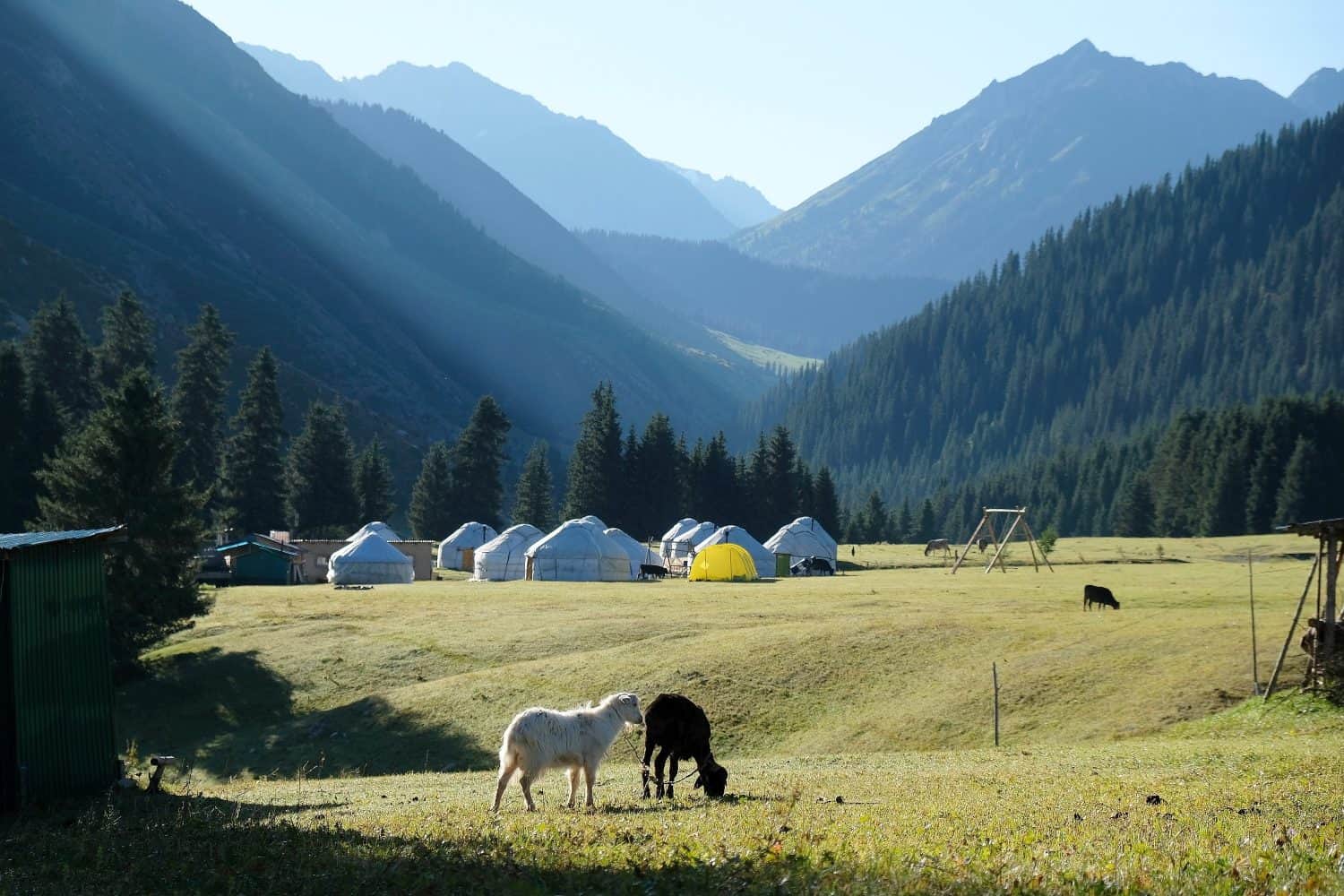
- 2023 GDP: $11 billion
- Russian troops present: 500
- Successes: Kyrgyzstan opened its air base to the United States and coalition countries fighting in Afghanistan. This was an important strategic move that put the country on the map for Western powers.
- Failures: Remote and isolated, Kyrgyzstan has a struggling economy and has been politically unstable. Russian troops guard the air base in the country, but this also puts Russia in a position to intervene if it doesn’t like the direction the government takes.
8. Latvia
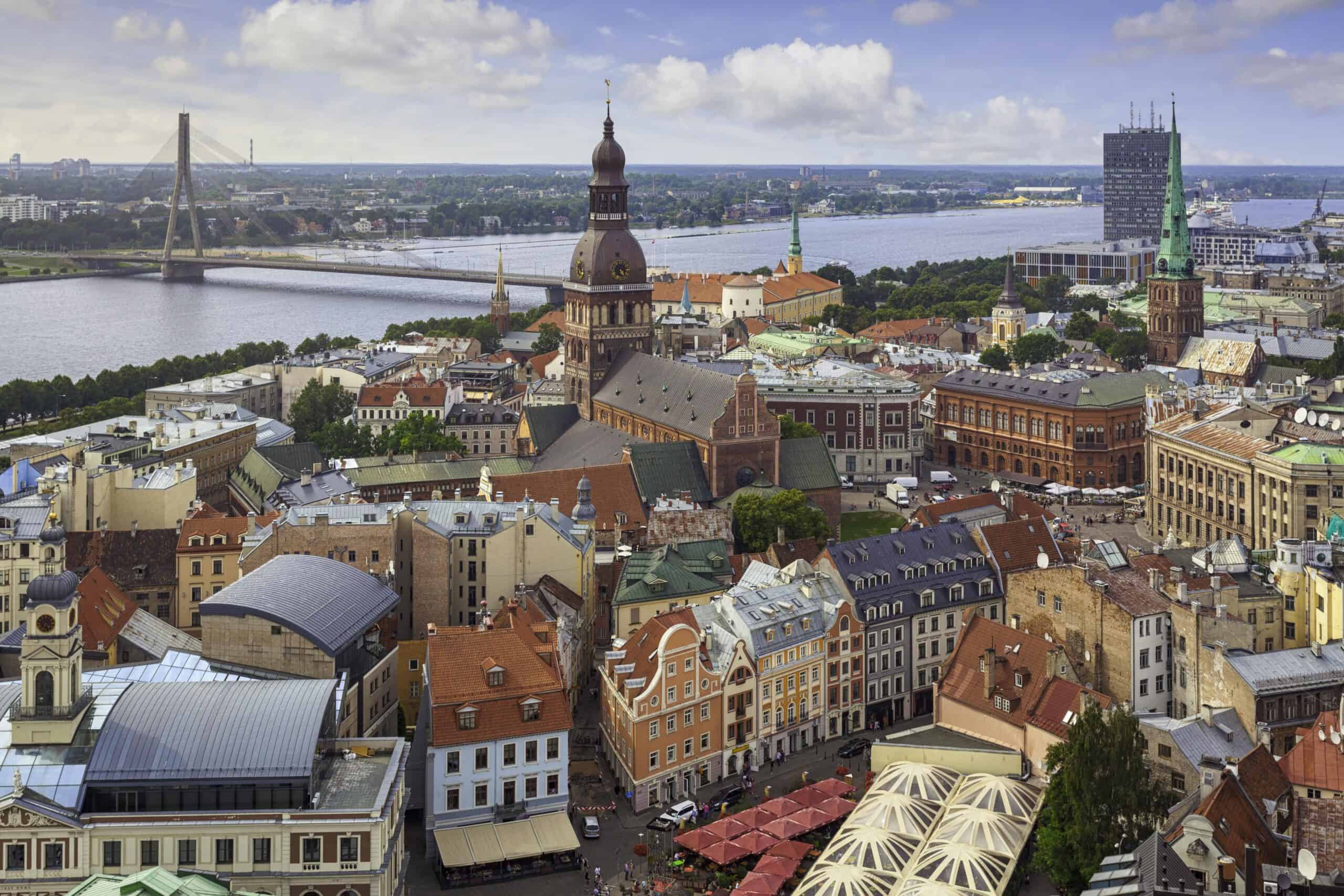
- 2023 GDP: $42 billion
- Russian troops present: None.
- Successes: Latvia has become a full-scale democracy and has prospered economically since independence. It is a member of NATO and the EU.
- Failures: The country has a large ethnic Russian minority the government needs to avoid provoking so that Moscow doesn’t get ideas of intervening. It also has had to manage cyberattacks from Russian-backed hackers.
9. Lithuania
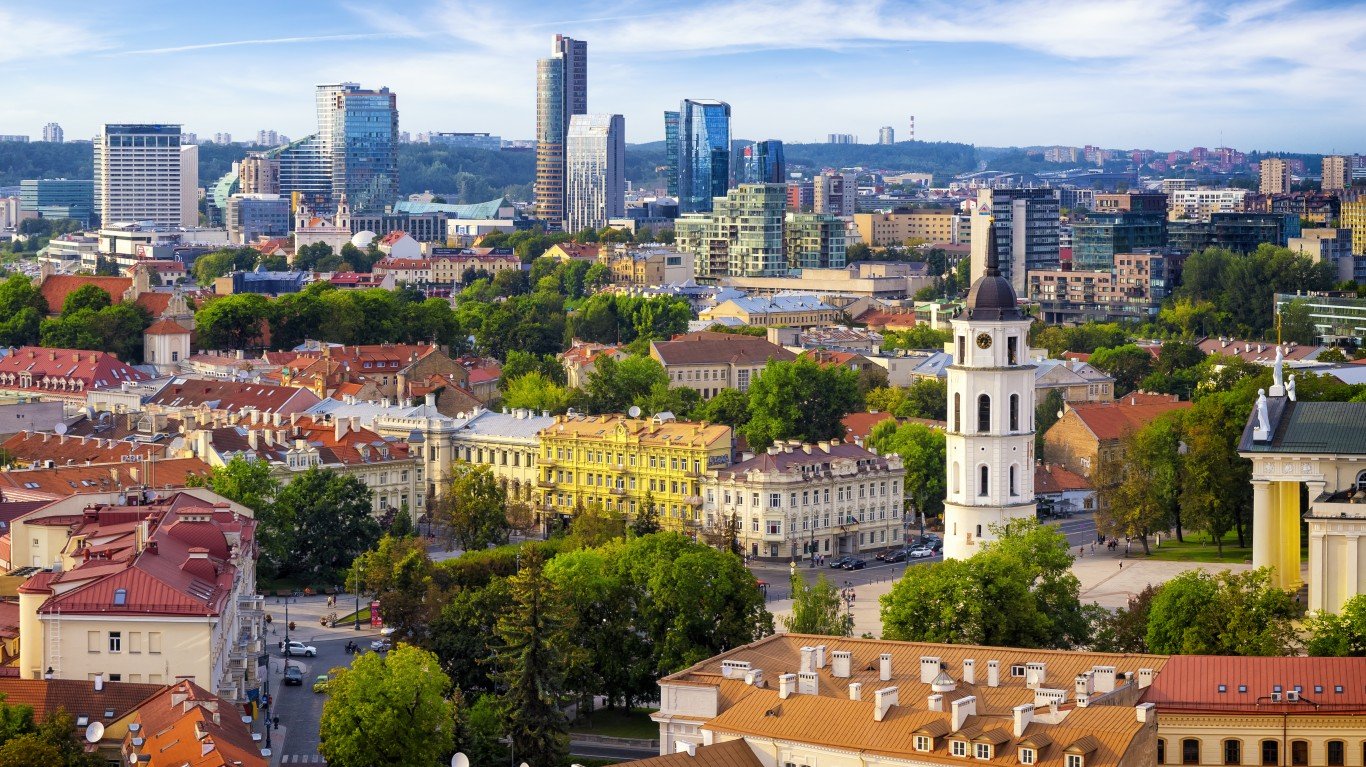
- 2023 GDP: $66 billion
- Russian troops present: None.
- Successes: Like Estonia and Latvia, Lithuania has been able to establish a strong democratic government and a market economy and is securely integrated into NATO and the EU.
- Failures: Lithuania has to contend with the Russian enclave of Kaliningrad to its west and the Russian puppet state of Belarus to its east. Its security situation on the ground is not good if NATO does not hold its ground and maintain a strong and credible military deterrent.
10. Moldova
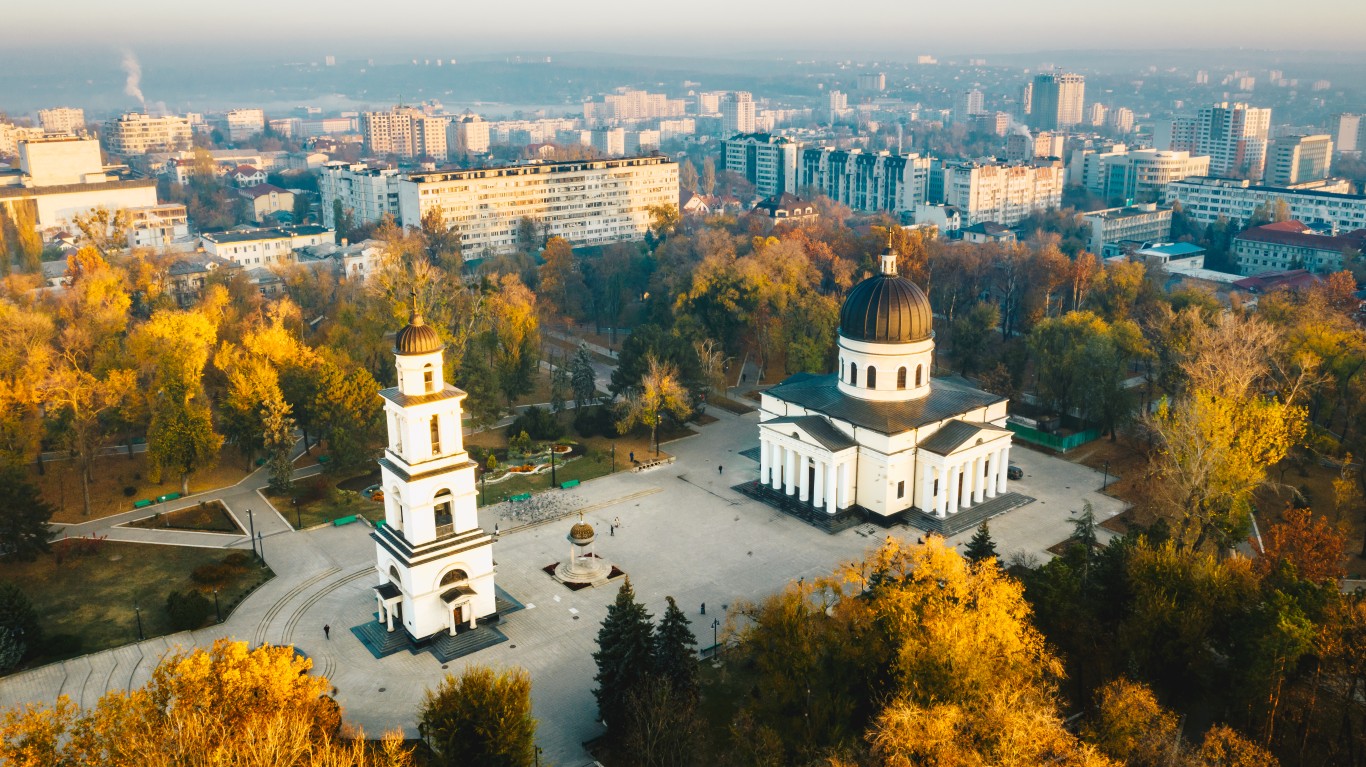
- 2023 GDP: $16 billion
- Russian troops present: 1,500
- Successes: Moldova has been able to maintain its independence and position itself as a net exporter of agricultural products.
- Failures: The region of Transnistria has declared independence and 1,500 Russian troops are occupying that region to support them. As long as such a territorial dispute exists, Moldova will not be able to join Western defense and economic structures.
11. Russia

- 2023 GDP: $2.3 trillion
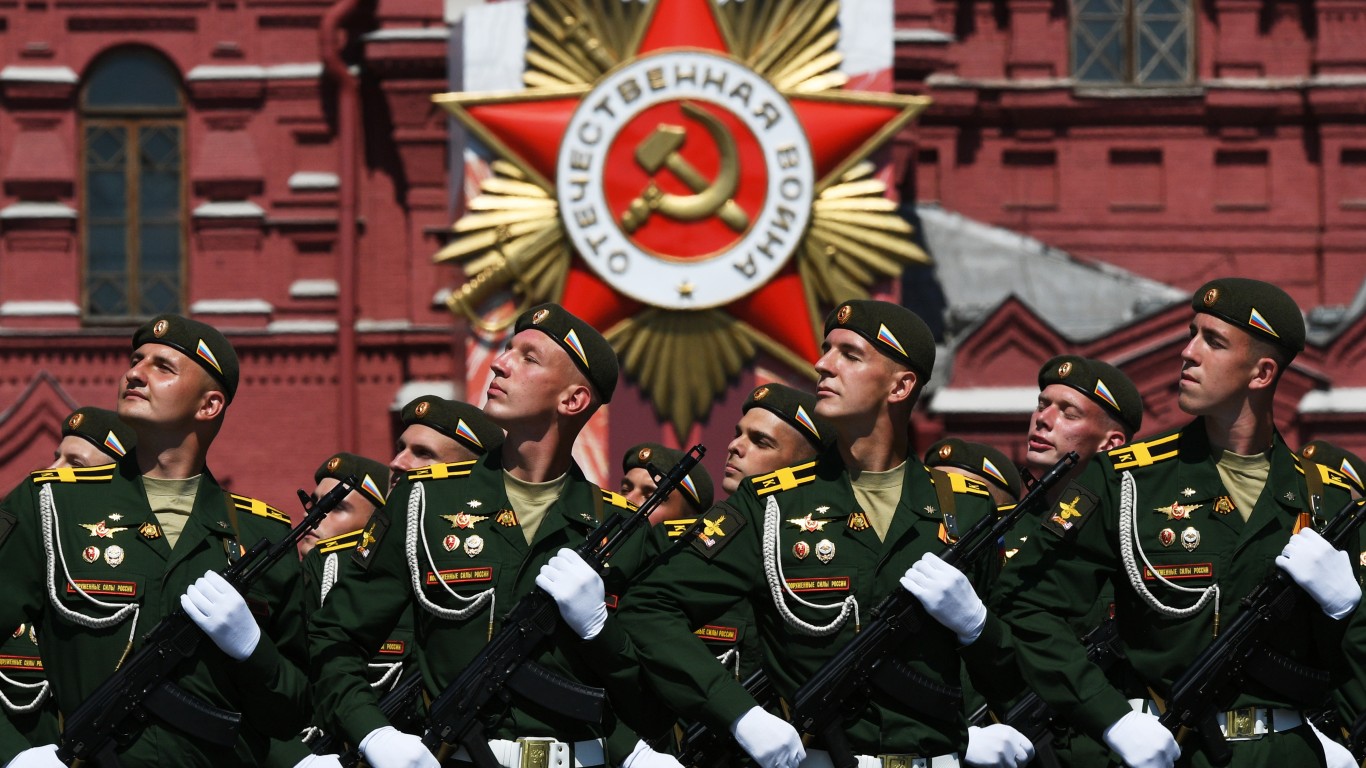
- Russian troops present: 1.5 million plus 2 million reserves
- Successes: Russia managed to hold on to its own territory, attract foreign investment, and recover enough to create a wealthy middle class and begin modernizing infrastructure and the military.
- Failures: The country allowed Vladimir Putin to consolidate power, restrict civil liberties, control the press to influence the public with propaganda, and intervene violently in neighboring countries. The invasion of Ukraine significantly set back Russia’s situation, causing Sweden and Finland to join NATO and Western countries to impose harsh sanctions and arm Ukraine with increasingly lethal weaponry. Ukraine’s side of the war is being financed partially with Russia’s own assets that were frozen in international banks due to sanctions.
12. Tajikistan
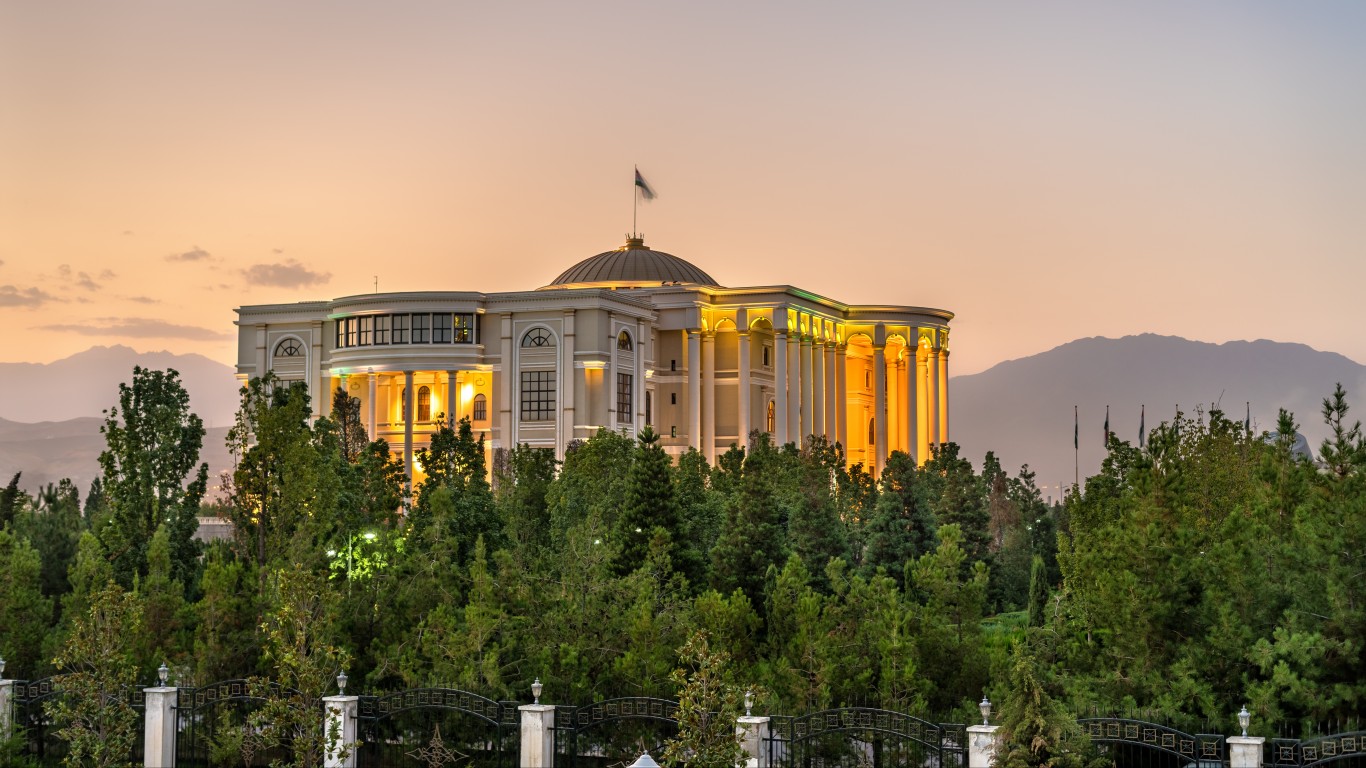
- 2023 GDP: $10 billion
- Russian troops present: 7,000
- Successes: Tajikistan managed not to get dragged into the war in neighboring Afghanistan, and it has been able to maintain its own territorial integrity.
- Failures: The country is remote and poverty-stricken. It went through a brutal civil war from 1992-1997. Russian troops remain in the country to keep peace and retain controlling influence in Tajikistan.
13. Turkmenistan
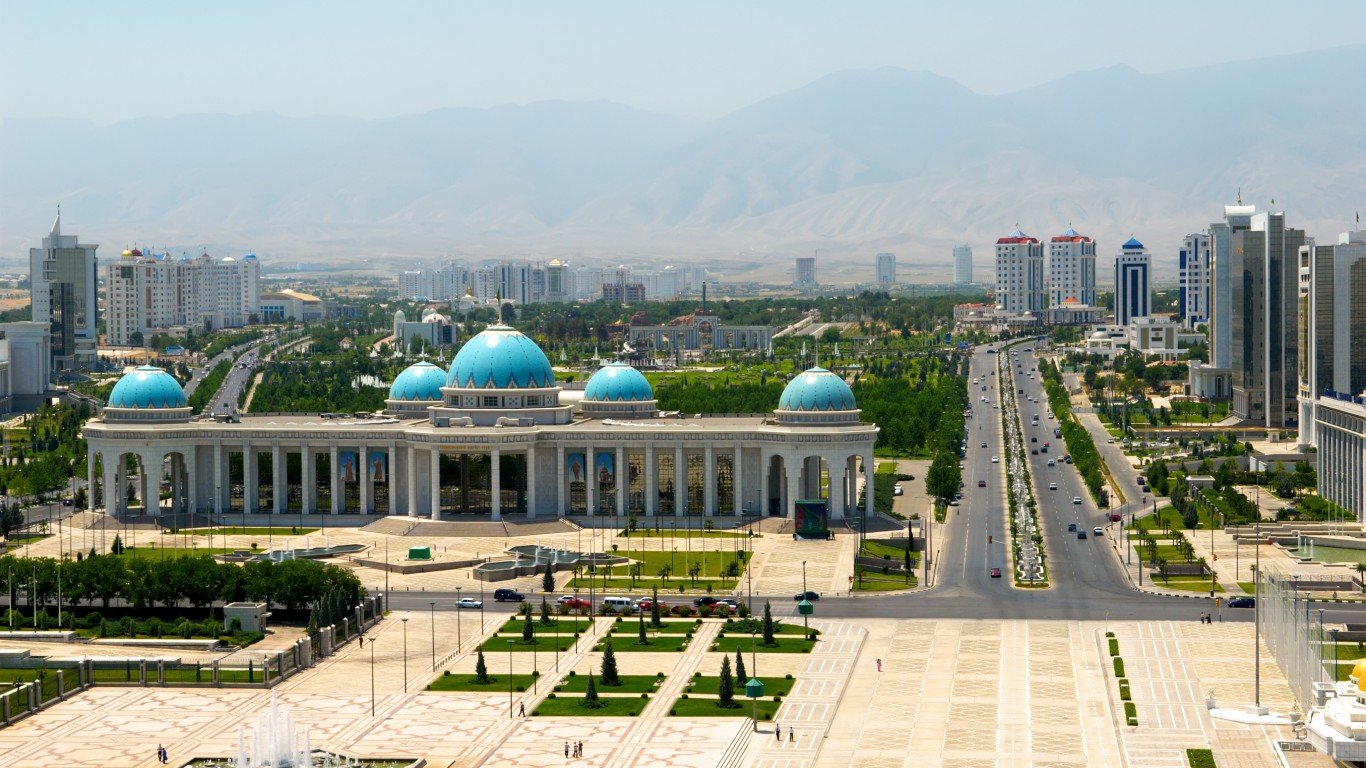
- 2023 GDP: $50 billion
- Russian troops present: None.
- Successes: Turkmenistan has large deposits of natural gas that drive its economy and have enabled some grandiose construction projects.
- Failures: The country does not have a diversified economy, is under dictatorial rule, and represses its citizens.
14. Ukraine
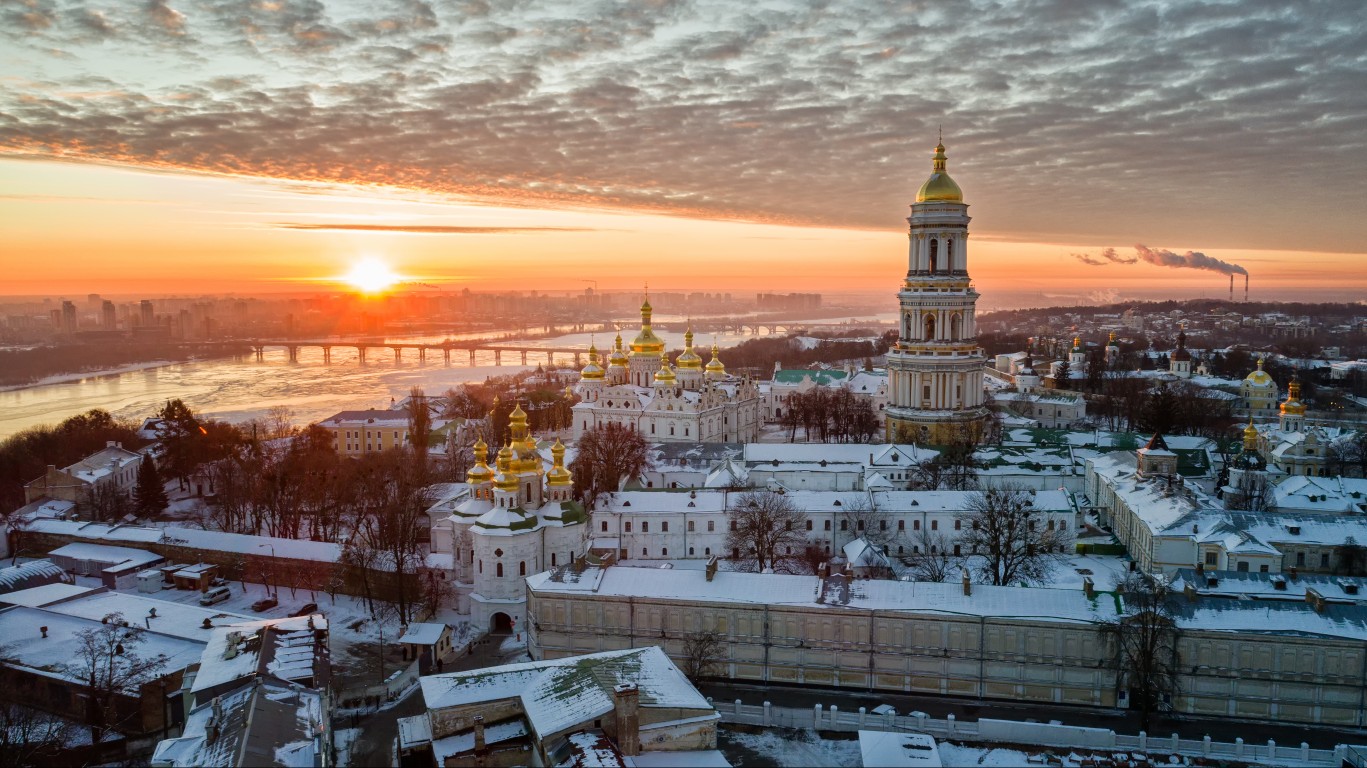
- 2023 GDP: $200 billion
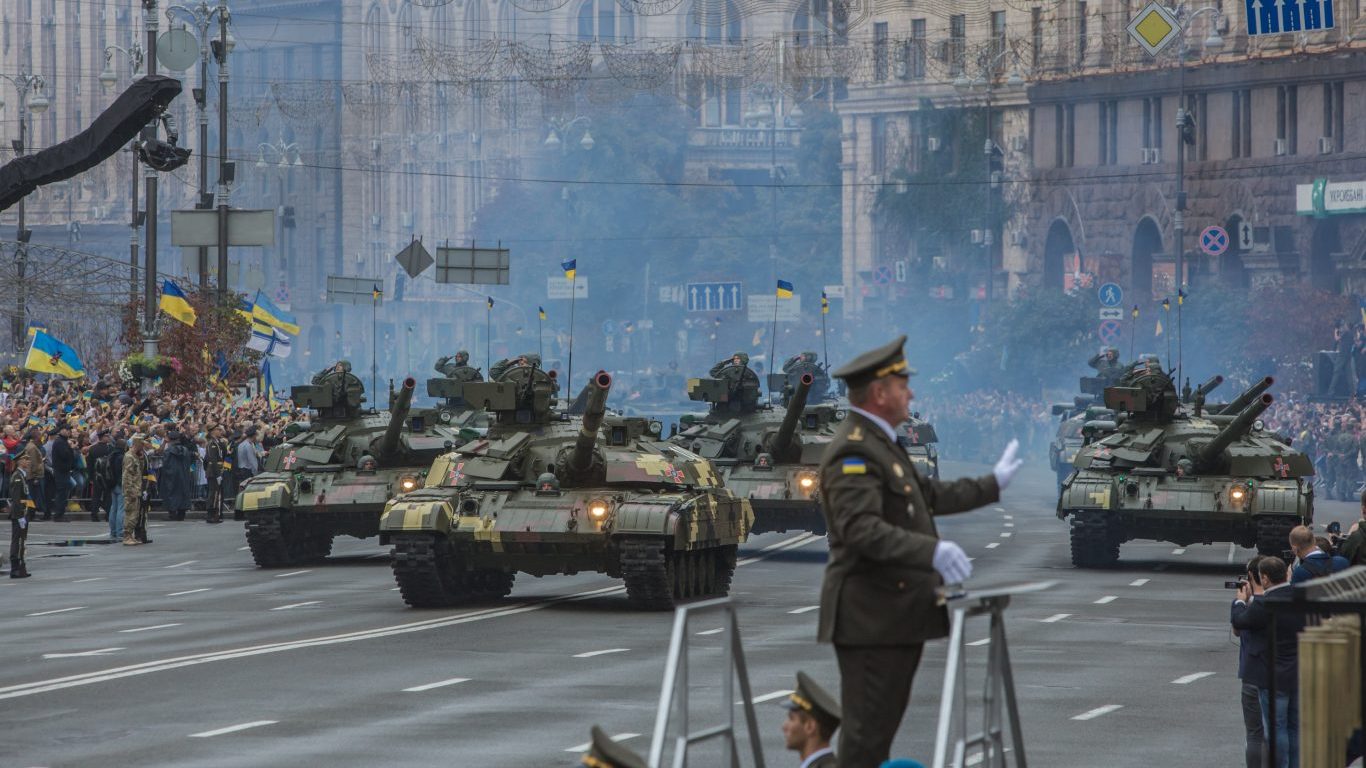
- Russian troops present: 100,000
- Successes: The country has withstood opposition to stay on a Westernized political and economic path. It has aspirations to join NATO and the EU.
- Failures: Russia invaded Ukraine and began taking its territory in 2014, intensifying to a full-scale war in 2022. Ukraine has been able to marshal tremendous global support to isolate Russia economically and diplomatically and has received hundreds of billions of dollars in assistance. This has not been enough, though, to break the battlefield stalemate they have with the Russians.
15. Uzbekistan
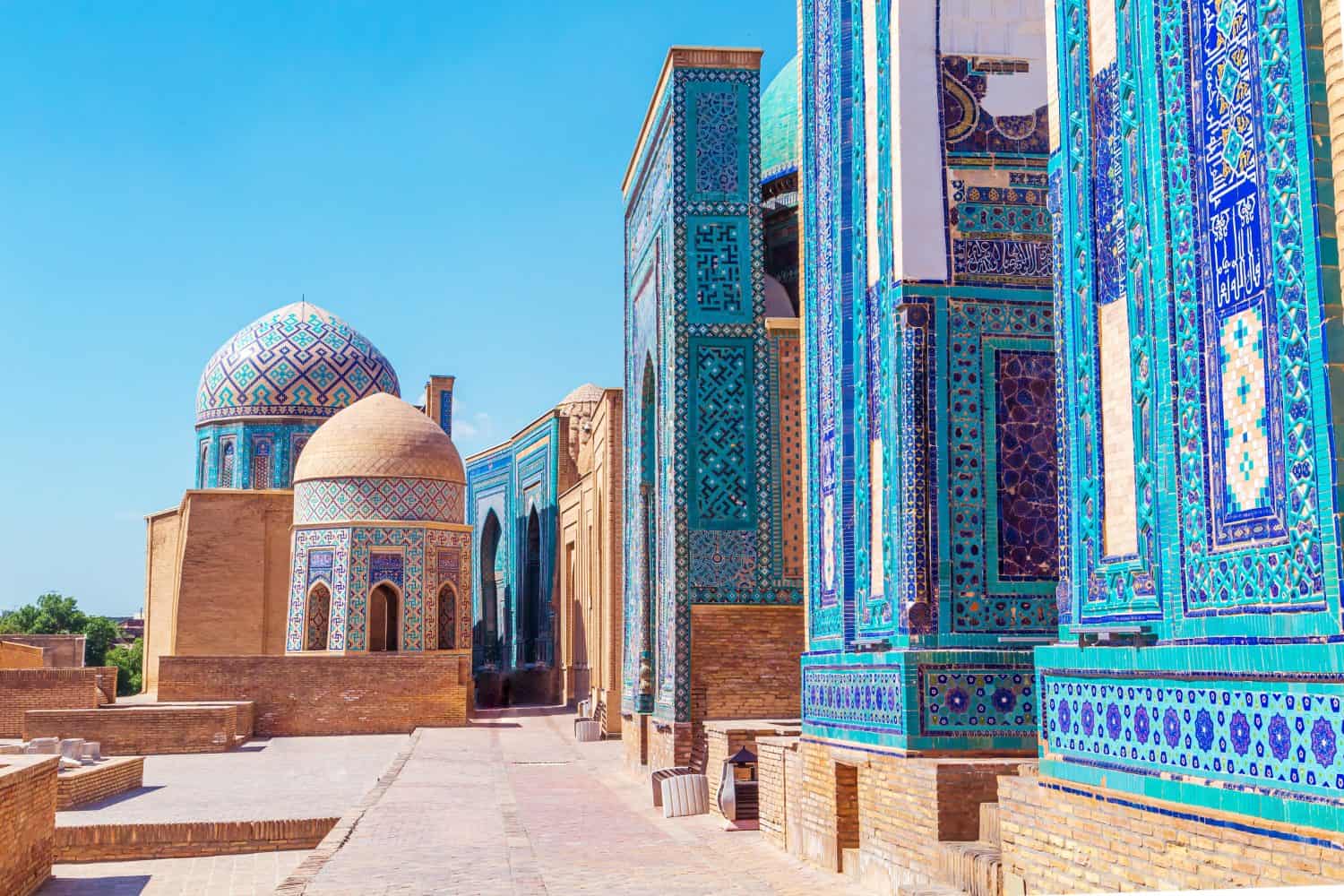
- 2023 GDP: $90 billion
- Russian troops present: None.
- Successes: Uzbekistan is one of the most populous countries of Central Asia and a political, economic, and cultural leader in the region.
- Failures: The economy is heavily dependent on a few income streams, such as cotton. Uzbekistan also has come under criticism for not protecting its citizens’ civil rights in areas such as religion or political dissent.
Contact [email protected] for any questions or corrections.