Detroit Is Dying
The notion that Detroit is in the midst of a renaissance is untrue. Part of the shrinking city has recovered, but it is a relatively small part.


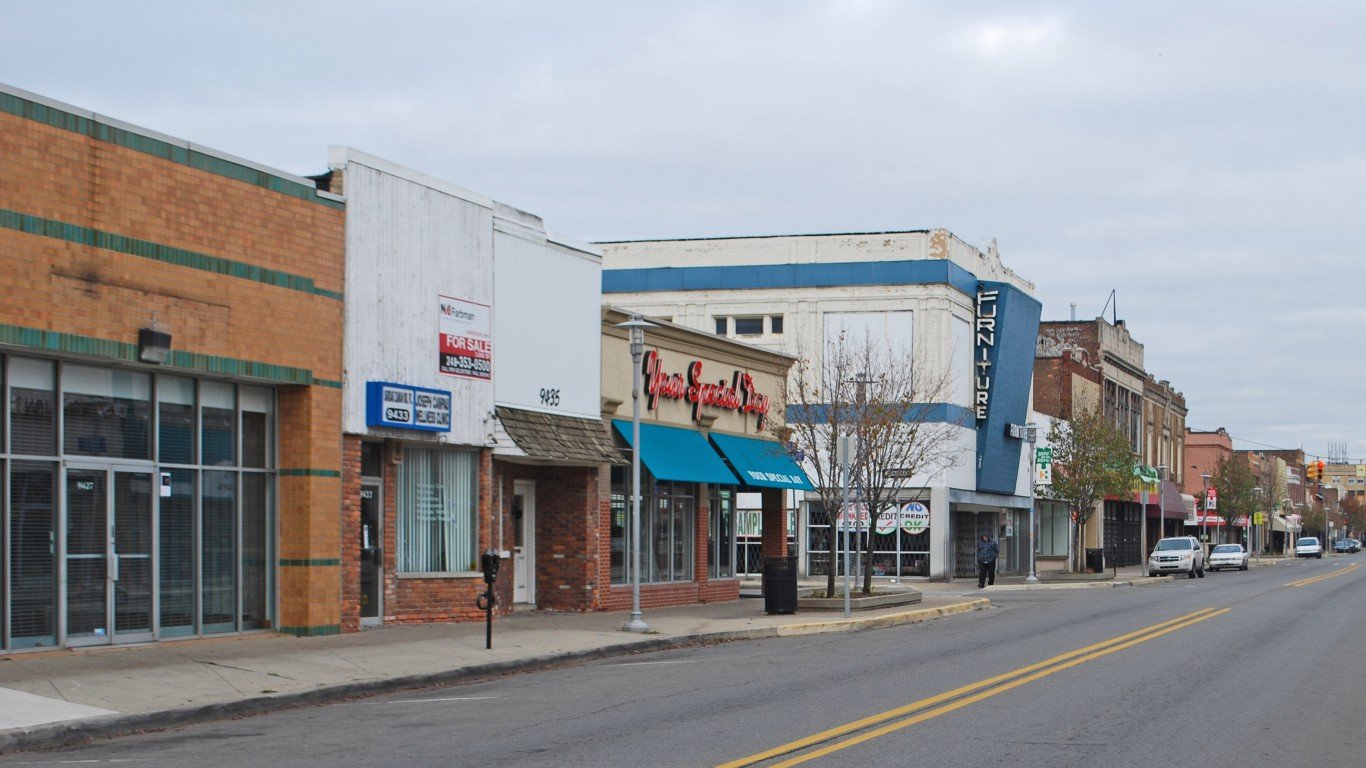
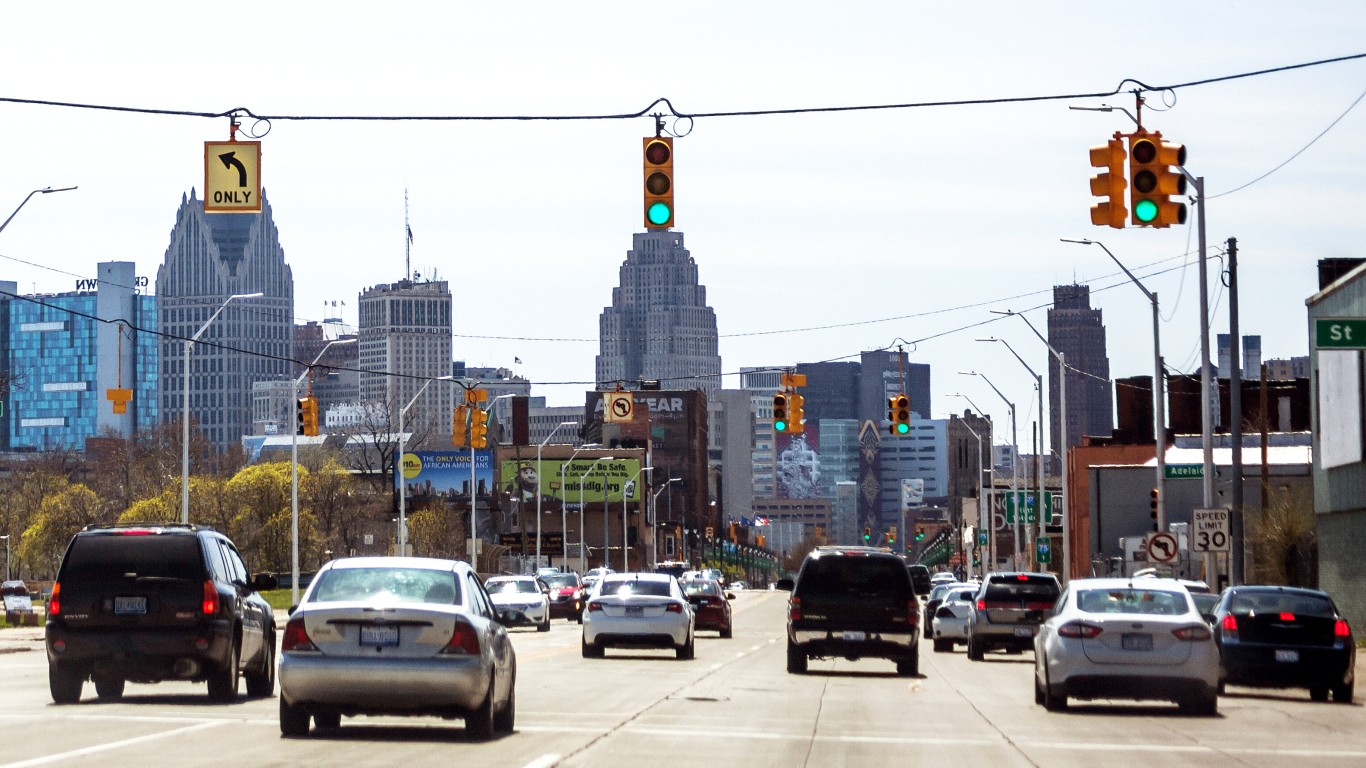
The notion that Detroit is in the midst of a renaissance is not true. A look across its 142 square miles shows that it is still mired in poverty. Although it has probably leveled off, the city has lost a massive number of residents. It also has many abandoned houses that will remain indefinitely.
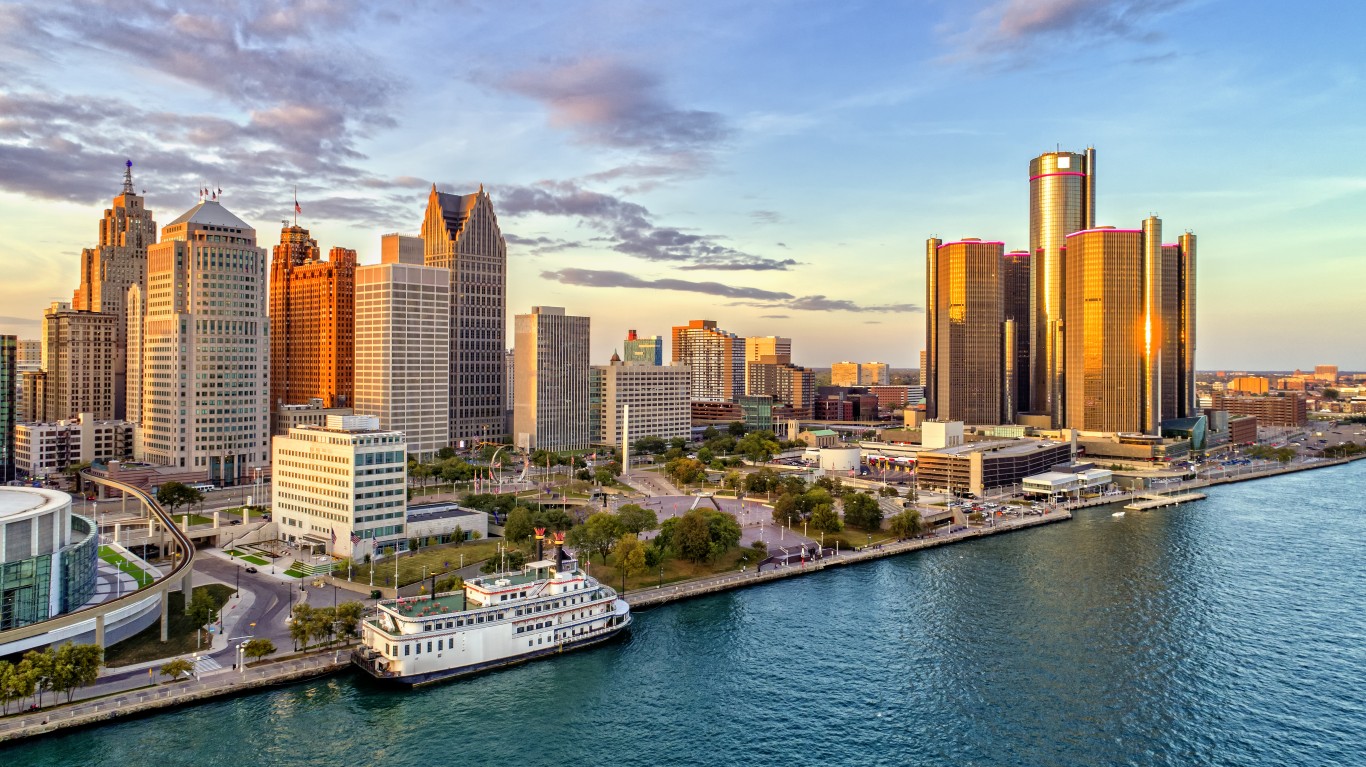
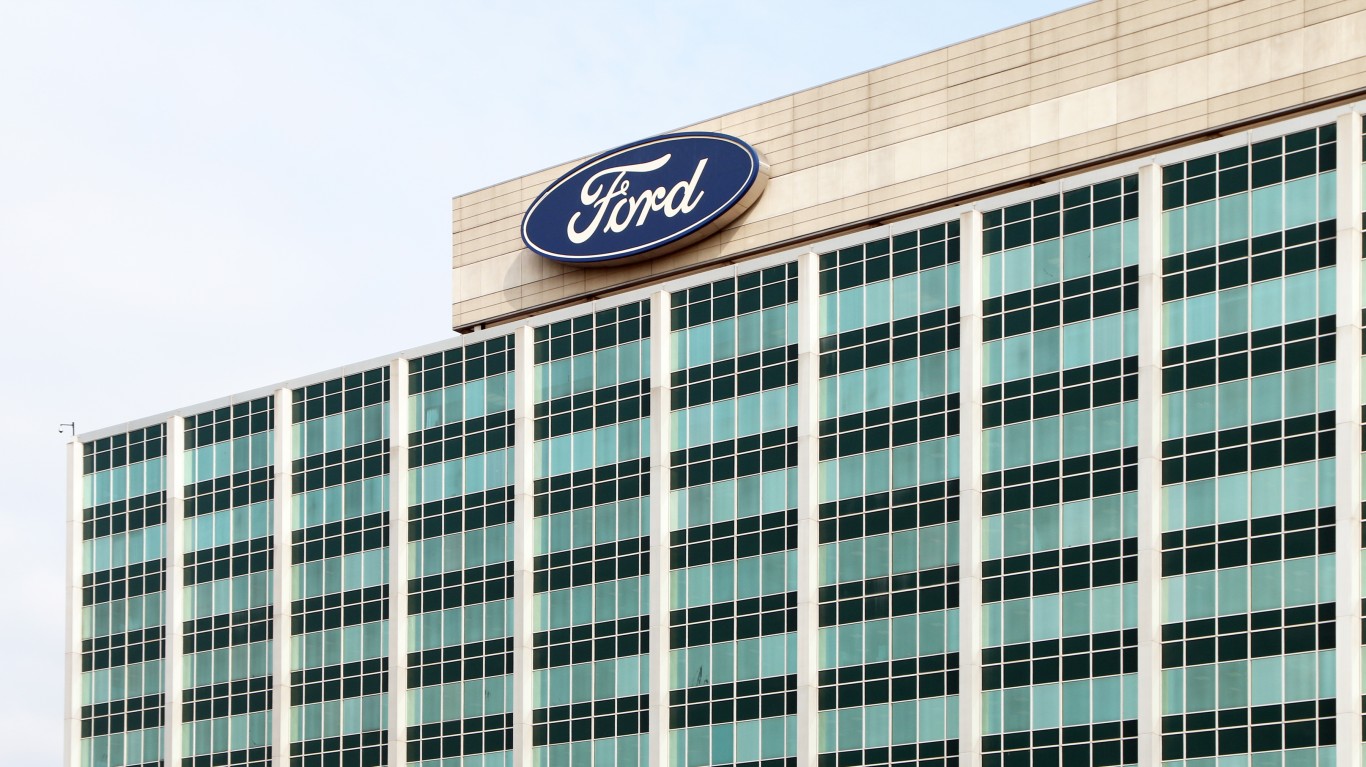
A small part of downtown has made a comeback, led by Rocket Companies founder Dan Gilbert, who has invested or brought hundreds of millions of dollars into the area. A portion of it has also been rebuilt by other companies. The most prominent example of this is Ford’s refurbishment of the Michigan Central Station. Ford spent $950 million on the project.
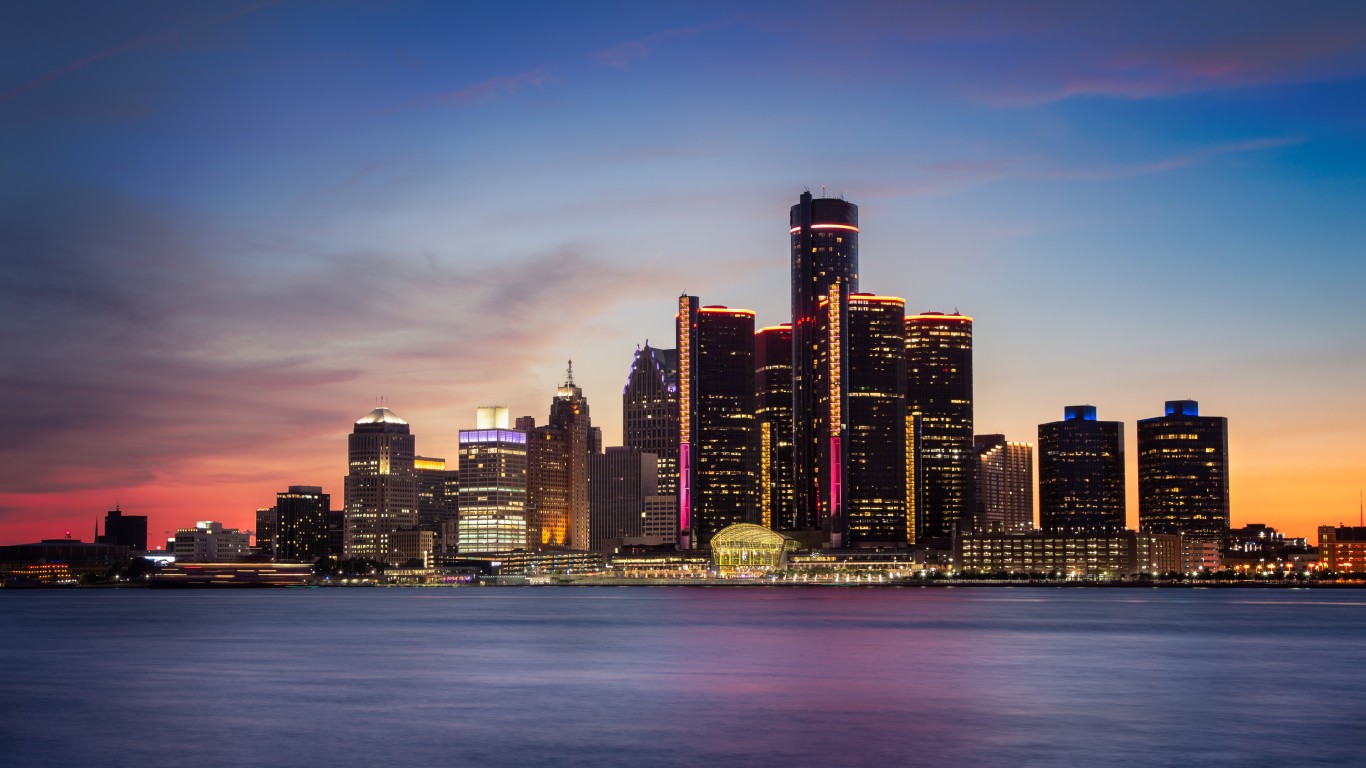
Ironically, very close by, the Renaissance Center—the tallest building in the city—was built largely due to efforts by Henry Ford II. General Motors bought the building and moved its headquarters there in the mid-1990s. The company is set to depart, leaving the huge building without a major tenant. All or parts of it may be demolished, which is a sign of how fragile Detroit’s downtown rebound really is.
Another part of Detroit’s comeback is a complex that houses the Detroit Lions and Detroit Tigers. In the same general development, Ford Field and Comerica Park sit next to one another.
Another section of downtown that has been extensively developed is around its casinos. These are the MGM Grand Detroit, Greektown Casino-Hotel, and MotorCity Casino Hotel. Among them, they bring tens of thousands of people to Detroit each year.
The Rest of the City

The demographics of the entire city are as bad as those of any major U.S. city. The poverty rate is over 31%. Median household income is under $40,000, or half the national average. The median home value is $106,000, which is about one-third the national median.
Detroit has been bleeding population since the 1950s. The 1950 Census showed Detroit’s population as 1,849,668. The figure for 2024 was 645,705, though that was up 1% from 2020. Detroit lost population in each decennial census from 1950 to 2020.
Finally, according to Pure Detroit, “There are an estimated 70,000 abandoned buildings, 31,000 empty homes, and 90,000 vacant lots in the Motor City.”
A part of Detroit has recovered, but it is a relatively small part.
The Hollowing Out of the American City: The Cities Losing Their Residents to the Outer Suburbs
Contact [email protected] for any questions or corrections.
Douglas A. McIntyre is the co-founder, chief executive officer and editor in chief of 24/7 Wall St. and 24/7 Tempo. He has held these jobs since 2006.
McIntyre has written thousands of articles for 24/7 Wall St. He is an expert on corporate finance, the automotive industry, media companies and international finance. He has edited articles on national demographics, sports, personal income and travel.
His work has been quoted or mentioned in The New York Times, The Wall Street Journal, Los Angeles Times, The Washington Post, NBC News, Time, The New Yorker, HuffPost USA Today, Business Insider, Yahoo, AOL, MarketWatch, The Atlantic, Bloomberg, New York Post, Chicago Tribune, Forbes, The Guardian and many other major publications. McIntyre has been a guest on CNBC, the BBC and television and radio stations across the country.
A magna cum laude graduate of Harvard College, McIntyre also was president of The Harvard Advocate. Founded in 1866, the Advocate is the oldest college publication in the United States.
TheStreet.com, Comps.com and Edgar Online are some of the public companies for which McIntyre served on the board of directors. He was a Vicinity Corporation board member when the company was sold to Microsoft in 2002. He served on the audit committees of some of these companies.
McIntyre has been the CEO of FutureSource, a provider of trading terminals and news to commodities and futures traders. He was president of Switchboard, the online phone directory company. He served as chairman and CEO of On2 Technologies, the video compression company that provided video compression software for Adobe’s Flash. Google bought On2 in 2009.