How a Sprint Deal With RadioShack Threatens T-Mobile
T-Mobile may make a counteroffer to RadioShack to prevent Sprint from just waltzing away with a couple of thousand leases for new retail locations.

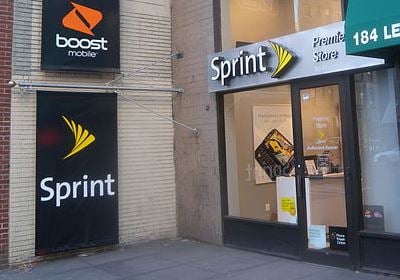 A report came out on Monday afternoon that Sprint Corp. (NYSE: S) may be in discussions with RadioShack to acquire the leases to about half of RadioShack’s approximately 4,300 company-operated stores. If the deal goes through, Sprint could increase its current retail footprint of around 1,100 locations to well over 3,000 retail stores, more than AT&T Inc. (NYSE: T) with about 2,000 locations or Verizon Communications Inc. (NYSE: VZ) with around 1,700 stores.
And T-Mobile US Inc. (NYSE: TMUS)? According to Zack’s, the company also has about 2,000 stores, but T-Mobile is also the smallest of the four major U.S. wireless carriers in terms of subscribers and revenues, and T-Mobile cannot afford to let Sprint double its retail locations without putting up a fight.
That indicates that T-Mobile might have to make a counteroffer to RadioShack to prevent Sprint from just waltzing away with a couple of thousand leases for new retail locations. Regardless of whether T-Mobile wins (or even has a chance of winning), the company has to try to throw some sand in the gears of a deal that may be nearing a conclusion.
T-Mobile may not actually get the leases, but it gains something if it forces Sprint to pay more than the larger company wants to pay or if T-Mobile can drag out the deal for the leases for a long-enough time. Whether T-Mobile can actually get parent Deutsche Telekom to back a bid for RadioShack’s leases is dubious, but at least the U.S. carrier has to make Sprint believe that it can. The deal may come down to which of T-Mobile or Sprint is the best poker player.
ALSO READ: T-Mobile’s Ugly Future
Contact [email protected] for any questions or corrections.
Paul Ausick has been writing for 247Wallst.com for more than a decade. He has written extensively on investing in the energy, defense, and technology sectors. In a previous life, he wrote technical documentation and managed a marketing communications group in Silicon Valley.
He has a bachelor's degree in English from the University of Chicago and now lives in Montana, where he fishes for trout in the summer and stays inside during the winter.