Fiat’s Long Shot On Chrysler
Fiat is about to buy another 16% of Chrysler which would take its total stake to 46%. The deal would involve a payment of $1.5 billion, which does not value the No.3 US car company at very much. Fiat is…


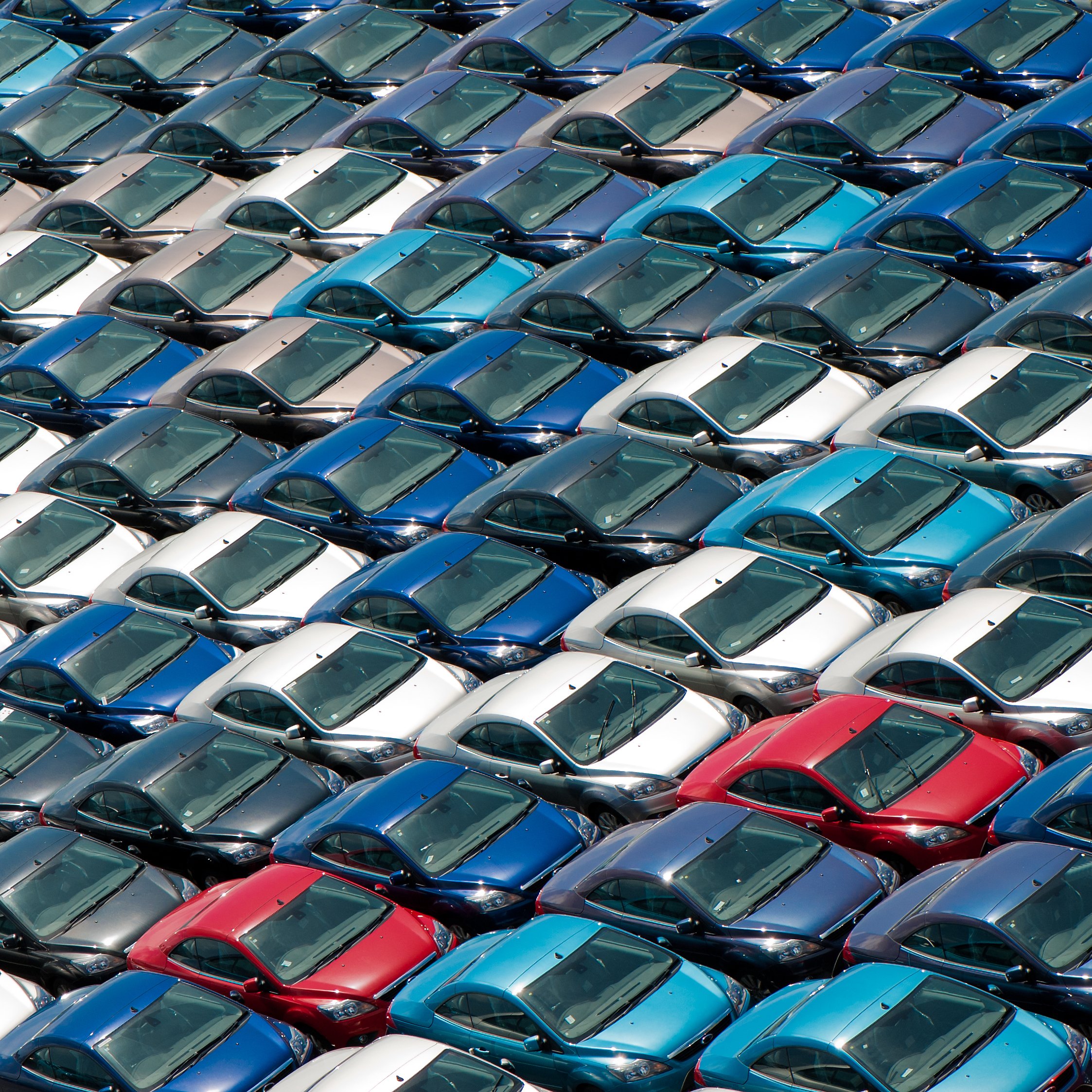
Chrysler’s domestic market share is just above 9%. Its models have only been updated recently, which means it trails Ford (NYSE: F) and GM (NYSE: GM) by at least a year in introduction of new vehicles. One of Chrysler’s flagship products is Jeep. Gas prices have hurt its sales and are likely to do so as is the case with all SUVs.
Chrysler also faces a surge in sales of Hyundai vehicles in the US. The South Korean firm now has nearly 5% of the market and should pass Nissan and Chrysler in units sold later this year or next. Hyundai’s sales rate in America has been extraordinary and there is no reason to think it will end soon.
Chrysler’s earnings are also under long-term pressure because it has virtually no sales in China, the world’s largest car market. The American car market is growing slowly. The future of the industry is in China, South America, Russia and India.
Chrysler is also gambling that its stablemate in car sales–Fiat–can find a market in the US. Fiat gets to join VW, Hyundai, Mazda, and Nissan–all of which hope to rely on American sales for much of their global growth. Fiat has had no presence in the US for decades. A gamble that this will change is a long one. Fiat would need, among other things, a line-up of hybrid vehicles to drive American sales.
Fiat and Chrysler assume that they are better off together than they are apart. For that to be successful, synergy, a favorite term of business school professors and management consultants, will have to work. The two companies would need to realize cost savings, the advantages of the Chrysler dealership system, product development, and manufacturing capacity to make it a viable partnership. Chrysler tried and failed to do that following the Daimler merger and it didn’t work.
Fiat will find it easy to buy more of Chrysler and perhaps the whole company. The UAW know that it is a mistake to give a sucker a break.
Douglas A. McIntyre
Contact [email protected] for any questions or corrections.
Douglas A. McIntyre is the co-founder, chief executive officer and editor in chief of 24/7 Wall St. and 24/7 Tempo. He has held these jobs since 2006.
McIntyre has written thousands of articles for 24/7 Wall St. He is an expert on corporate finance, the automotive industry, media companies and international finance. He has edited articles on national demographics, sports, personal income and travel.
His work has been quoted or mentioned in The New York Times, The Wall Street Journal, Los Angeles Times, The Washington Post, NBC News, Time, The New Yorker, HuffPost USA Today, Business Insider, Yahoo, AOL, MarketWatch, The Atlantic, Bloomberg, New York Post, Chicago Tribune, Forbes, The Guardian and many other major publications. McIntyre has been a guest on CNBC, the BBC and television and radio stations across the country.
A magna cum laude graduate of Harvard College, McIntyre also was president of The Harvard Advocate. Founded in 1866, the Advocate is the oldest college publication in the United States.
TheStreet.com, Comps.com and Edgar Online are some of the public companies for which McIntyre served on the board of directors. He was a Vicinity Corporation board member when the company was sold to Microsoft in 2002. He served on the audit committees of some of these companies.
McIntyre has been the CEO of FutureSource, a provider of trading terminals and news to commodities and futures traders. He was president of Switchboard, the online phone directory company. He served as chairman and CEO of On2 Technologies, the video compression company that provided video compression software for Adobe’s Flash. Google bought On2 in 2009.