Waymo, Jaguar Team Up on Self-Driving Fleet
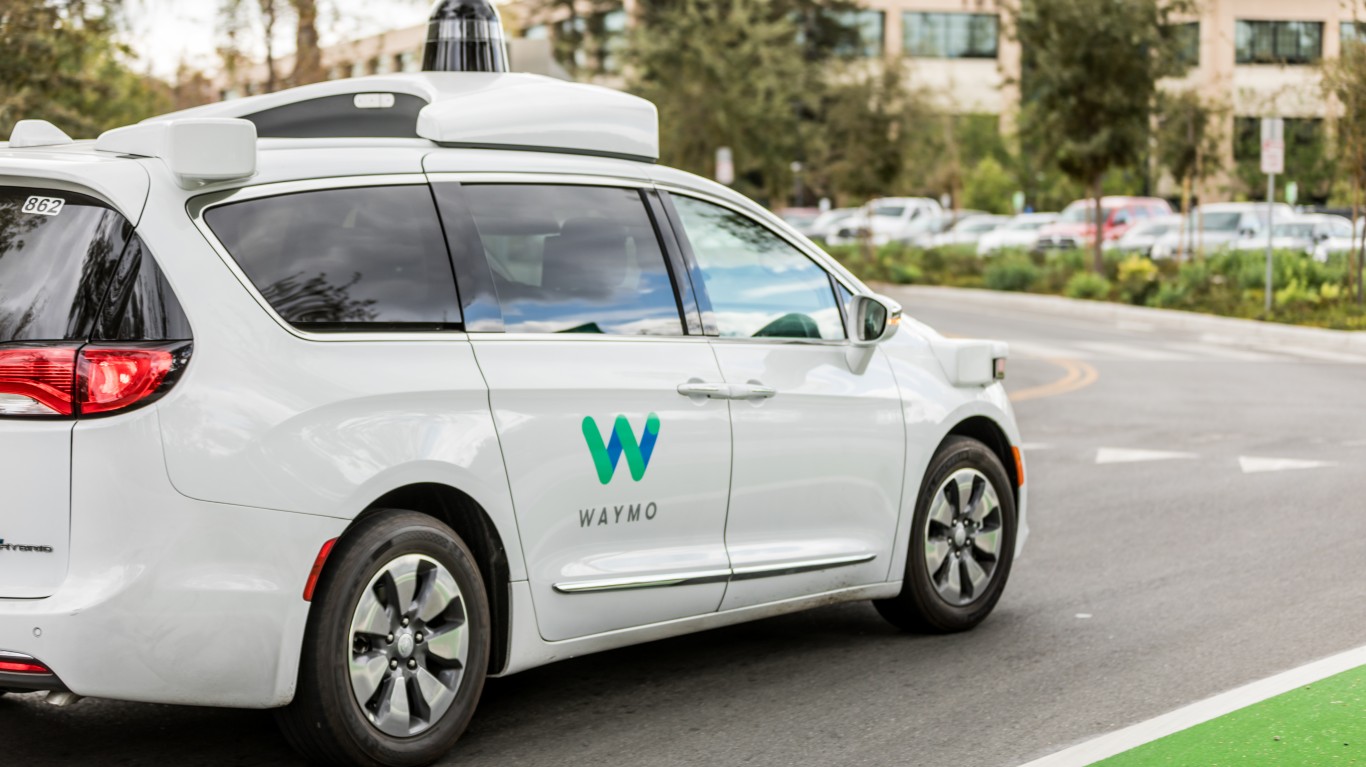
Self-driving tech firm Waymo and Jaguar Land Rover have signed an agreement that will add up to 20,000 all-electric Jaguar I-PACE vehicles to Waymo's planned ride-hailing fleet.

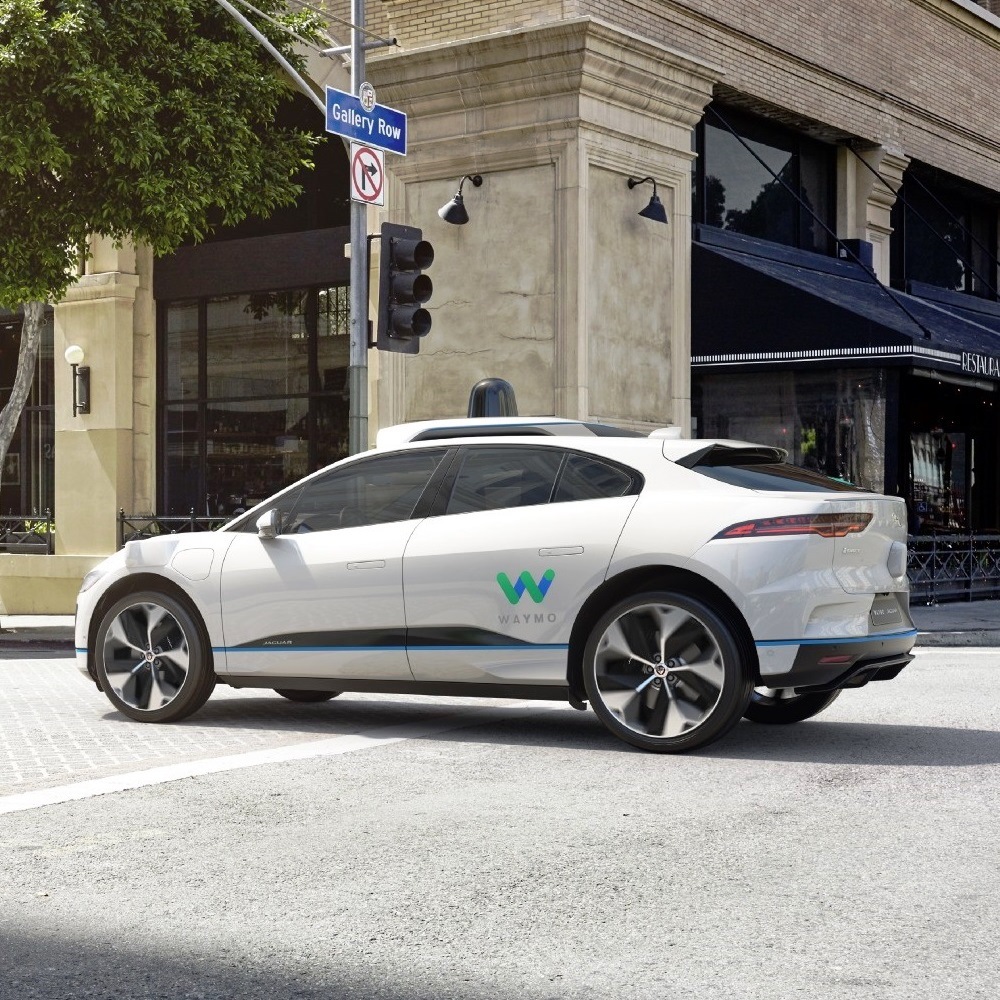
Waymo, the former self-driving vehicle unit of Alphabet Inc. (NASDAQ: GOOGL) and the Jaguar Land Rover division of India’s Tata Motor announced Tuesday morning that the two firms will collaborate to create the world’s first premium electric fully self-driving vehicle for Waymo’s planned transportation service.
The technology developer said it would add up to 20,000 Jaguar I-PACE all-electric vehicles to its fleet in the next few years as it rolls out its self-driving ride-hailing service. Testing of the self-driving cars will begin later this year.
Although the companies did not disclose financial terms of the deal, Bloomberg reported that Waymo will purchase the Jaguar vehicles, which sell for $69,500. If Waymo buys 20,000, the total cost will top $1.3 billion.
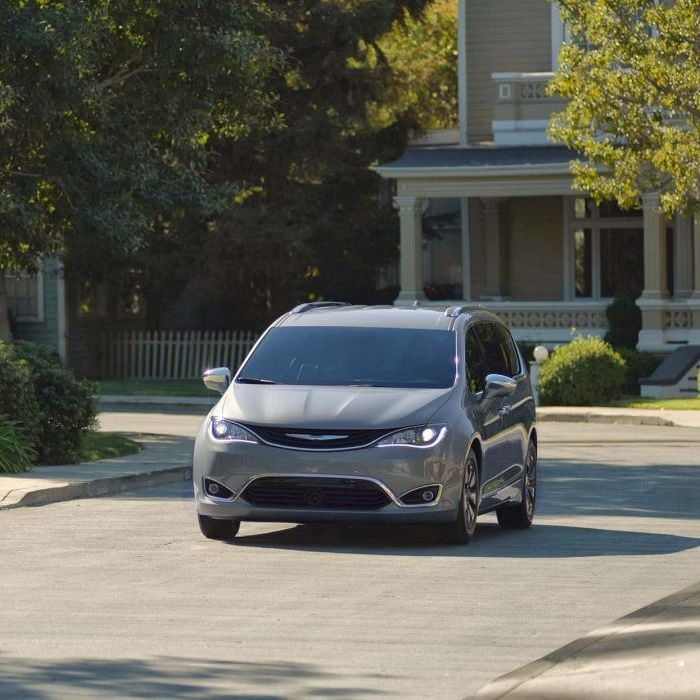
Waymo already has forged a deal with Fiat Chrysler Automobiles N.V. (NYSE: FCAU) for unspecified thousands of the company’s Chrysler Pacifica minivans. The minivans presumably offer everyday ride-hailing services while the Jaguars offer a more luxurious travel experience.
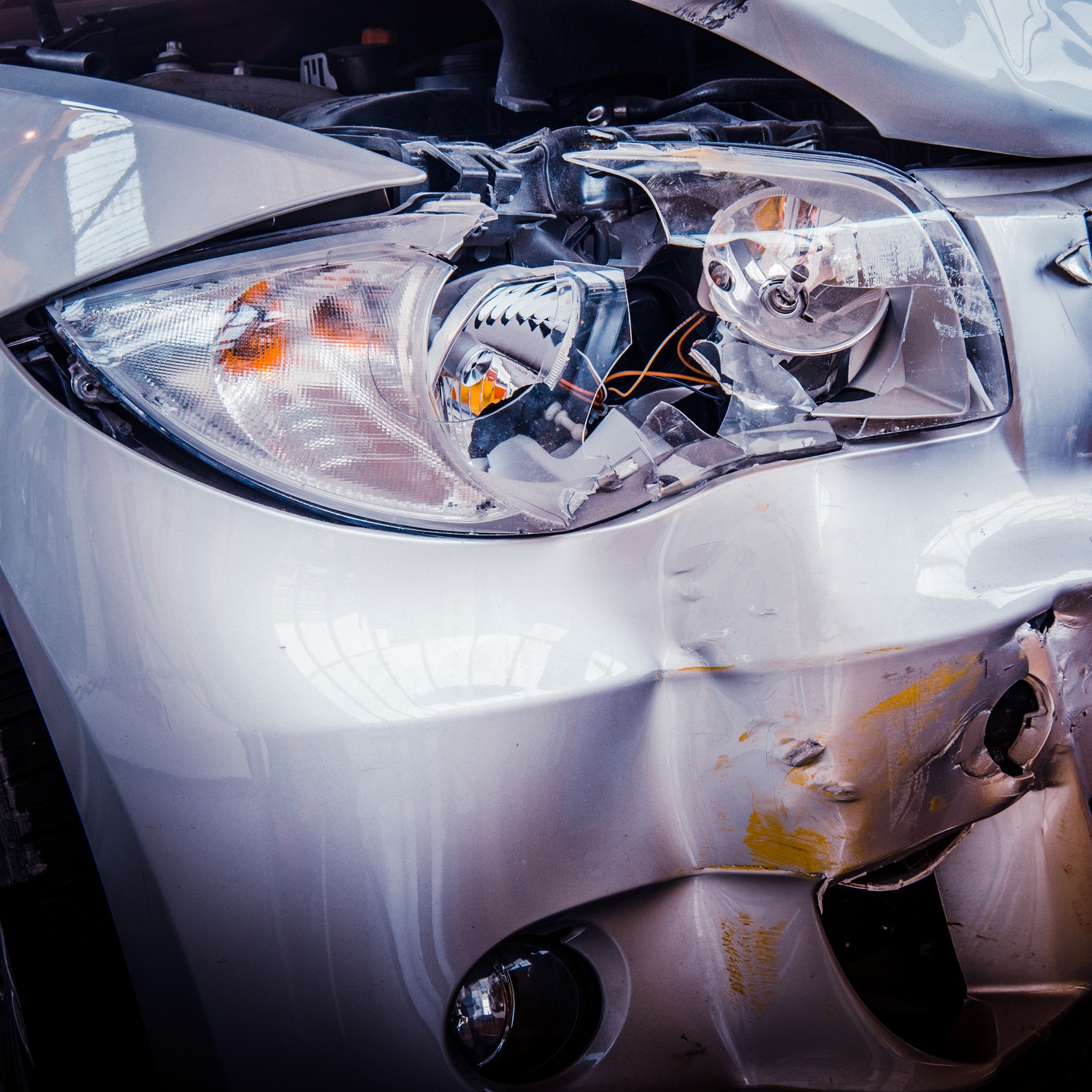
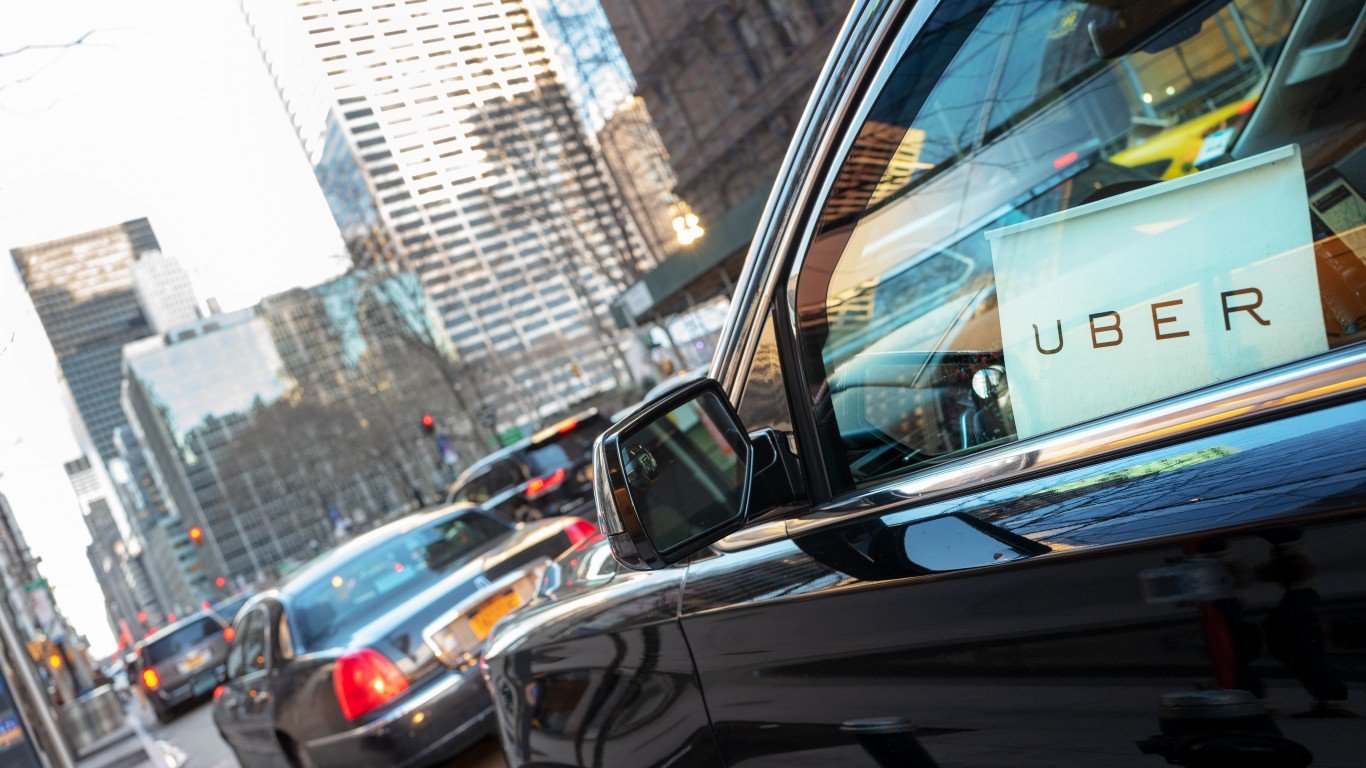
The recent death of a pedestrian struck by an Uber-owned self-driving car in Tempe, Arizona, could toss a monkey wrench into Waymo’s plan to deploy the first of its self-driving ride-hailing vehicles by the end of this year. Uber has stopped testing its self-driving technology on city streets, and so has Toyota. Ford, Nissan and Waymo have not.
Last year the U.S. House of Representatives passed legislation that tries to establish some order for a patchwork of differing federal and state regulations on self-driving cars. A Senate committee has approved a similar bill, but the full Senate has yet to vote on it. While the bills differ in some important ways, they agree that federal rules will preempt state and local rules.
The Senate is also trying to fast-track regulations, but even at a rapid pace by government standards, rules for self-driving vehicles are likely to develop more slowly than technology companies are accustomed to.
Contact [email protected] for any questions or corrections.
Paul Ausick has been writing for 247Wallst.com for more than a decade. He has written extensively on investing in the energy, defense, and technology sectors. In a previous life, he wrote technical documentation and managed a marketing communications group in Silicon Valley.
He has a bachelor's degree in English from the University of Chicago and now lives in Montana, where he fishes for trout in the summer and stays inside during the winter.