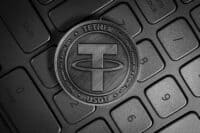
Tether (USDT) is a type of cryptocurrency known as a stablecoin, launched in 2014. It is designed to maintain a stable value by pegging it to a fiat currency, typically the US dollar, at a 1:1 ratio. This stability is achieved through reserves held by the issuer, Tether Limited, which claims to back each USDT in circulation with an equivalent amount of USD.
USDT serves as a bridge between traditional fiat currencies and cryptocurrencies, providing users with a stable store of value and a means to facilitate transactions across different cryptocurrency exchanges and platforms without the inherent volatility of other cryptocurrencies like Bitcoin or Ethereum. It is widely used for trading purposes, as well as for transferring funds quickly and efficiently between exchanges or wallets.
However, USDT has faced scrutiny regarding its claims of full backing by USD reserves, with ongoing concerns about transparency and regulatory compliance. Critics argue that the lack of regular audits and transparency measures poses risks to the stability of the cryptocurrency market, as any failure to maintain the peg could have widespread repercussions. Despite these concerns, USDT remains one of the most widely traded and utilized stablecoins in the cryptocurrency ecosystem.
Stablecoin issuers froze billions in tokens within hours of a massive exchange breach, and the wallets targeted were not all owned by hackers. If tainted funds ever touch your address, your stablecoins could be next.
Treasury Secretary Scott Bessent used Ripple’s own stage to describe dollar stablecoins as a new group of buyers for U.S. government debt. He opened Ripple’s Swell conference at The Shed in New…
Nine popular cryptocurrencies trade under $1 right now, but steep price drops and ballooning token supplies mean most of them face serious headwinds. A few stand out from the pack, and the…
Dogecoin sits nearly 90% below its all-time high while a new platform launch stirs fresh speculation, so we asked Grok AI exactly what conditions would need to line up for the original…
SOL has clawed back 40% from its June lows, and a major network upgrade just hit the calendar, yet a new all-time high still demands far more than momentum. Four specific conditions stand between…
TRON now generates more transaction fee revenue than Ethereum and Solana put together, yet TRX trades at a fraction of their prices. The reason why reveals something uncomfortable about what crypto markets actually reward.
Stablecoin vaults holding billions in deposits promise yields that dwarf traditional savings accounts, but the math on what a single bad event does to a decade of gains changes the calculation fast.
XRP (CRYPTO: XRP) emerged as the most-traded coin on Upbit, South Korea’s largest crypto exchange, for the week ending October 18, 2026. It led Bitcoin (CRYPTO: BTC) and Tether (CRYPTO: USDT), the widely used stablecoin.…
DeFiLlama reports that Solana (CRYPTO: SOL) holds $15.5 billion in U.S. dollar stablecoins as of October 17, 2026. In contrast, Ethereum (CRYPTO: ETH) leads with approximately $143.9 billion, roughly 9.3 times Solana’s total, highlighting a substantial gap.…
TRON (CRYPTO:TRX) is trading at just 23.6% below its peak of $0.43, reached on December 3, 2024. Over the last 30 days, TRON has fallen 3.1%, and in the past week, it has dropped…
Standard Chartered just signed on to custody Ripple's stablecoin for institutional traders in Dubai, but the deal pointedly leaves XRP out of the picture. Whether that omission signals a problem for XRP holders or…
Ethereum (CRYPTO: ETH) can run programs on its own network, while Bitcoin (CRYPTO: BTC) serves a more singular purpose: holding and transferring coins. This fundamental difference lies at the heart of the ongoing Ethereum…
 By Sam Daodu
· 12:09pm ET