What Can Ethereum Do That Bitcoin Can’t? The Difference in Plain English, and Why It Matters for the Price
Bitcoin and Ethereum both deal in crypto, but one can run programs while the other deliberately cannot, and that single design choice shapes everything from anonymous AI payments to why their prices move so differently.

This post may contain links from our sponsors and affiliates, and Flywheel Publishing may receive compensation for actions taken through them.

Ethereum (CRYPTO: ETH) can run programs on its own network, while Bitcoin (CRYPTO: BTC) serves a more singular purpose: holding and transferring coins. This fundamental difference lies at the heart of the ongoing Ethereum vs Bitcoin debate, highlighted by two significant projects launching in October 2026.
On October 1, the Ethereum Foundation introduced zkAPI, a new system that lets users pay for AI models while maintaining anonymity. In contrast, Tether (CRYPTO: USDT) plans to reintroduce USDT to the Bitcoin network later in October but relies on an external system called RGB to facilitate the move.
Ethereum Runs Smart Contracts, While Bitcoin Holds and Moves Coins

At its core, Bitcoin maintains a public ledger that tracks coin ownership, allowing anyone to send or receive funds without needing bank approval. Satoshi Nakamoto designed this system in 2008 and implemented a fixed supply cap of 21 million coins.
In comparison, Ethereum has a similar ledger but can also execute code. These programmable scripts, known as smart contracts, automatically enforce agreements once certain conditions are met, eliminating the need for manual intervention.
Smart contracts are the backbone of many crypto applications most users know, such as stablecoins like USDT and USDC that aim to maintain a stable dollar value, lending applications that facilitate cryptocurrency loans through automated processes, and decentralized exchanges that operate without centralized intermediaries.
However, adding code introduces risks. Each smart contract can become a potential target for attackers seeking vulnerabilities to exploit. Satoshi Nakamoto deliberately limited Bitcoin’s scripting capabilities to create a simpler network with fewer chances for exploitation.
zkAPI Runs on Ethereum Alone, While USDT on Bitcoin Needs RGB
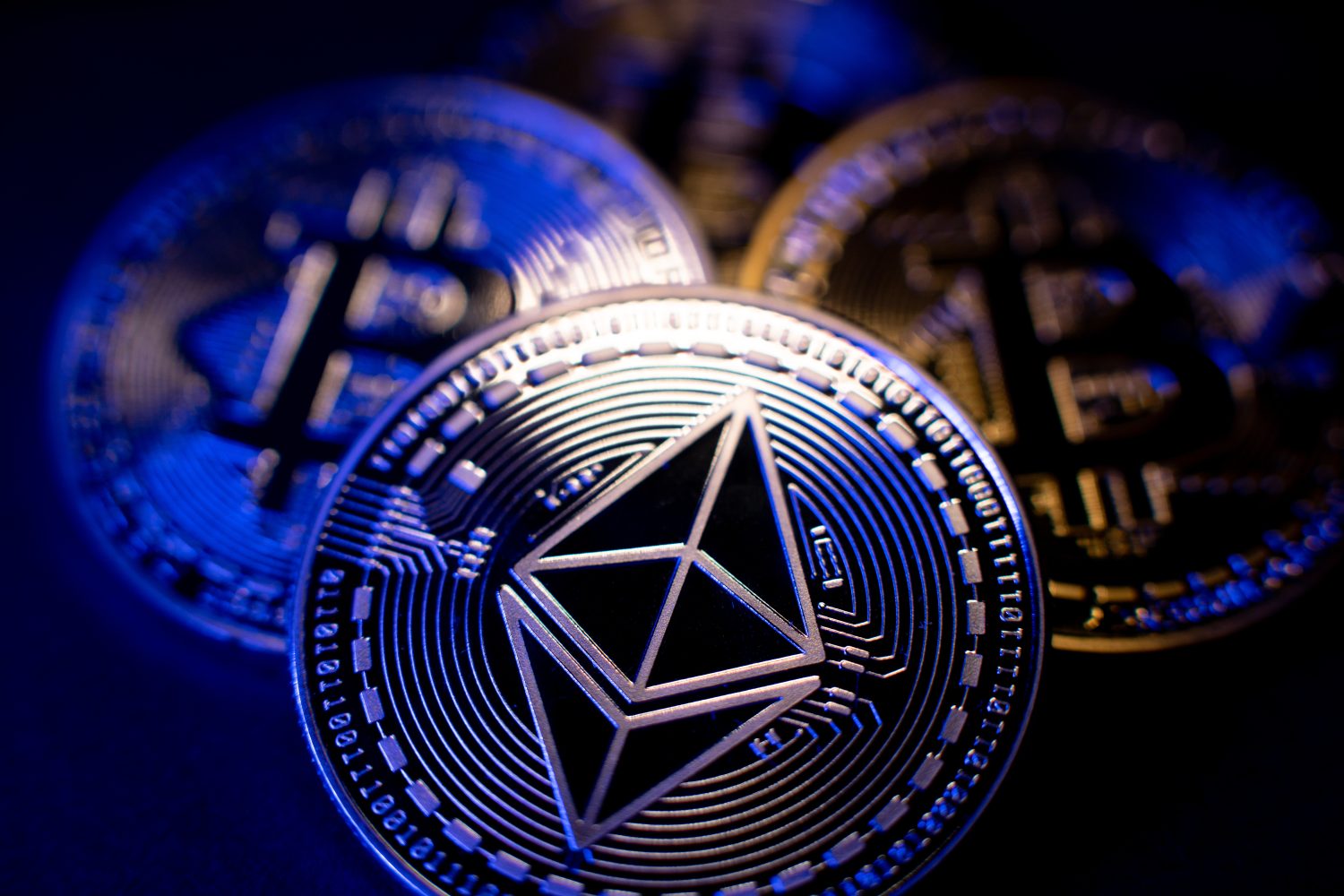
The Ethereum Foundation collaborated with the Open Anonymity Project to develop zkAPI on Ethereum’s primary network. Users can deposit ETH or USDC into a vault contract and make AI payments via zero-knowledge proofs, a cryptographic method that confirms transactions without exposing the payer’s identity. According to their announcement, the AI provider can see the transaction requests but cannot link them to the individual who paid.
Conversely, Tether’s approach has pivoted. Tether launched on Bitcoin via the Omni Layer in 2014 and discontinued Omni in 2023 because demand waned. Currently, Ethereum and Tron facilitate most USDT transactions. To return USDT to Bitcoin, Tether is funding Utexo, a company that will issue USDT through RGB, which keeps token records off Bitcoin’s blockchain and uses its network solely for ownership verification.
As a result, Ethereum executed zkAPI through native contracts, while Tether required an additional layer atop Bitcoin to manage a token. Each network performed its designed functions effectively.
How Bitcoin’s Supply Cap and Ethereum’s Fee Burn Affect Their Prices
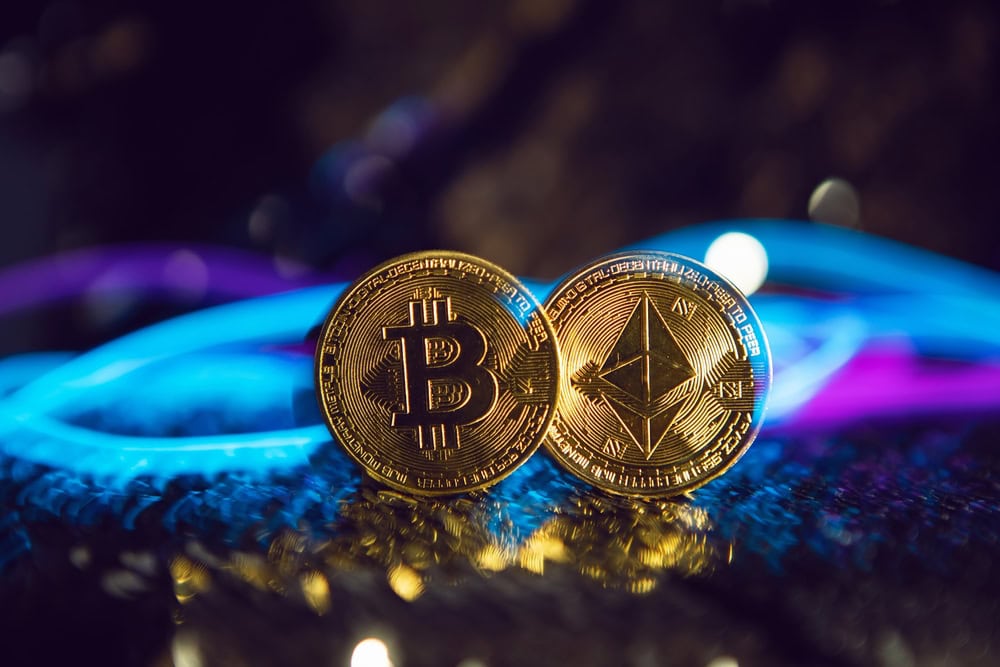
The main distinction between these two cryptocurrencies is supply. Bitcoin’s total supply can never exceed 21 million coins, whereas Ethereum has no cap and a circulating supply of approximately 122.1 million ETH. Ethereum continuously issues new coins to validators—computers that secure the network—which can put downward pressure on the price, unlike Bitcoin’s fixed supply.
Ethereum partially counters this new supply through fees. Each transaction and program on Ethereum incurs a fee paid in ETH, and under the EIP-1559 upgrade introduced in 2021, a portion of these fees is burned. As more users interact with applications like zkAPI, the network effectively removes ETH from circulation, linking token supply to network usage in a way Bitcoin’s capped supply does not.
As of October 7, investors value Bitcoin significantly higher, trading at $84,232 with a market capitalization nearing $1.69 trillion, while Ethereum stands at $2,617 with a market capitalization close to $320 billion. Bitcoin is currently trading about 33.2% below its all-time high of $126,080, while Ethereum is down 47.1% from its peak of $4,946.
Ethereum vs Bitcoin: Which Design Do Investors Value More?
In summary, Ethereum’s ability to run programs enables features such as zkAPI without additional layers, while Bitcoin relies on external systems like RGB for token functionality. Bitcoin’s design benefits from a limited supply and reduced vulnerabilities, while Ethereum’s flexibility connects ETH demand to application usage.
Currently, investors favor Bitcoin’s design, with BTC’s valuation more than five times that of ETH, while Ethereum’s value has fallen more sharply from its peak. This disparity may narrow if Ethereum effectively burns ETH through increased app utilization, like zkAPI, faster than it generates new coins, or it could widen if more stablecoin projects, like Tether, shift their dollar transactions back to Bitcoin.
Contact [email protected] for any questions or corrections.
Sam Daodu is a crypto analyst and the editor of 24/7 Wall St.'s Crypto Desk, where he covers Bitcoin, XRP, Ethereum, Solana and the altcoins investors search for most. His work focuses on price levels, spot ETF flows, on-chain data and the regulatory decisions that move crypto markets, written so a first-time buyer and a seasoned trader can both use it.
Sam has written about crypto professionally since 2019 and has published more than 2,000 articles. Before joining 24/7 Wall St., he wrote for crypto media outlets and Web3 companies and ghostwrote for crypto founders and token launches. His analysis is syndicated on Yahoo Finance, MSN and AOL and has been cited by other crypto news sites. He also founded MacLabs Marketing, a content and personal branding agency for crypto founders and executives.
When he isn't reading charts, Sam is usually at the gym or watching One Piece, a series he maintains has better tokenomics than most altcoins.