Tether and Circle Froze $2.3 Billion in Hours After the Binance Hack. Could They Freeze Yours?
Stablecoin issuers froze billions in tokens within hours of a massive exchange breach, and the wallets targeted were not all owned by hackers. If tainted funds ever touch your address, your stablecoins could be next.

This post may contain links from our sponsors and affiliates, and Flywheel Publishing may receive compensation for actions taken through them.
Tether (CRYPTO: USDT) and Circle (NYSE: CRCL | CRCL Price Prediction) swiftly froze about $2.4 billion in tokens just hours after a major theft from Binance, believed to be linked to North Korean hackers. This prompt action happened much quicker than traditional bank fraud prevention methods.
The ability to freeze assets applies to any wallet address, even if it inadvertently received compromised tokens. So, if you hold stablecoins in your own wallet, what could cause a stablecoin freeze to impact you?
Five Issuers and Networks Froze Binance-Linked Funds
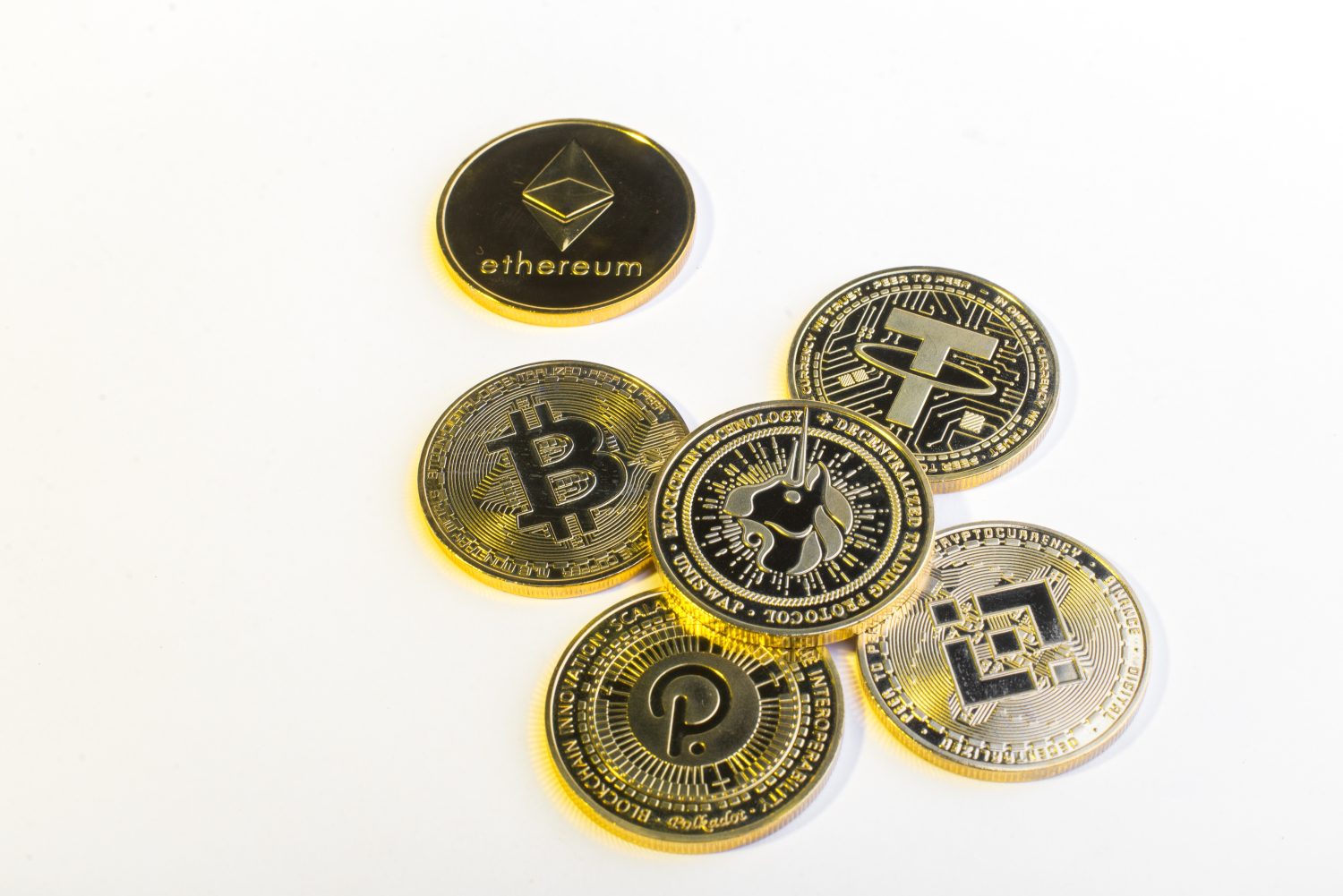
Tether CEO Paolo Ardoino announced on October 29, 2026, that they had frozen about $1.57 billion in USDT connected to the incident. That same day, Circle CEO Jeremy Allaire stated that Circle had also frozen over $800 million in USDC (CRYPTO: USDC) in cooperation with law enforcement. Other companies joined in the effort as well.
- World Liberty Financial froze $27 million worth of USD1 and 48 million WLFI tokens—approximately $2.4 million at a price of $0.05, according to Binance co-founder Yi He.
- Ripple froze about $40 million of its RLUSD stablecoin, according to blockchain analytics firm TRM Labs.
- Arbitrum’s Security Council, which can implement emergency changes to its network, froze 8,425 ETH, valued at about $19 million at $2,217, along with 74.6 million Arbitrum tokens.
Binance reported that approximately $3 billion in total has been frozen on-chain, and it plans to cover all user losses through SAFU, its emergency user-protection fund, in addition to company resources.
A Blacklist in the Smart Contract Lets Issuers Freeze Any Address
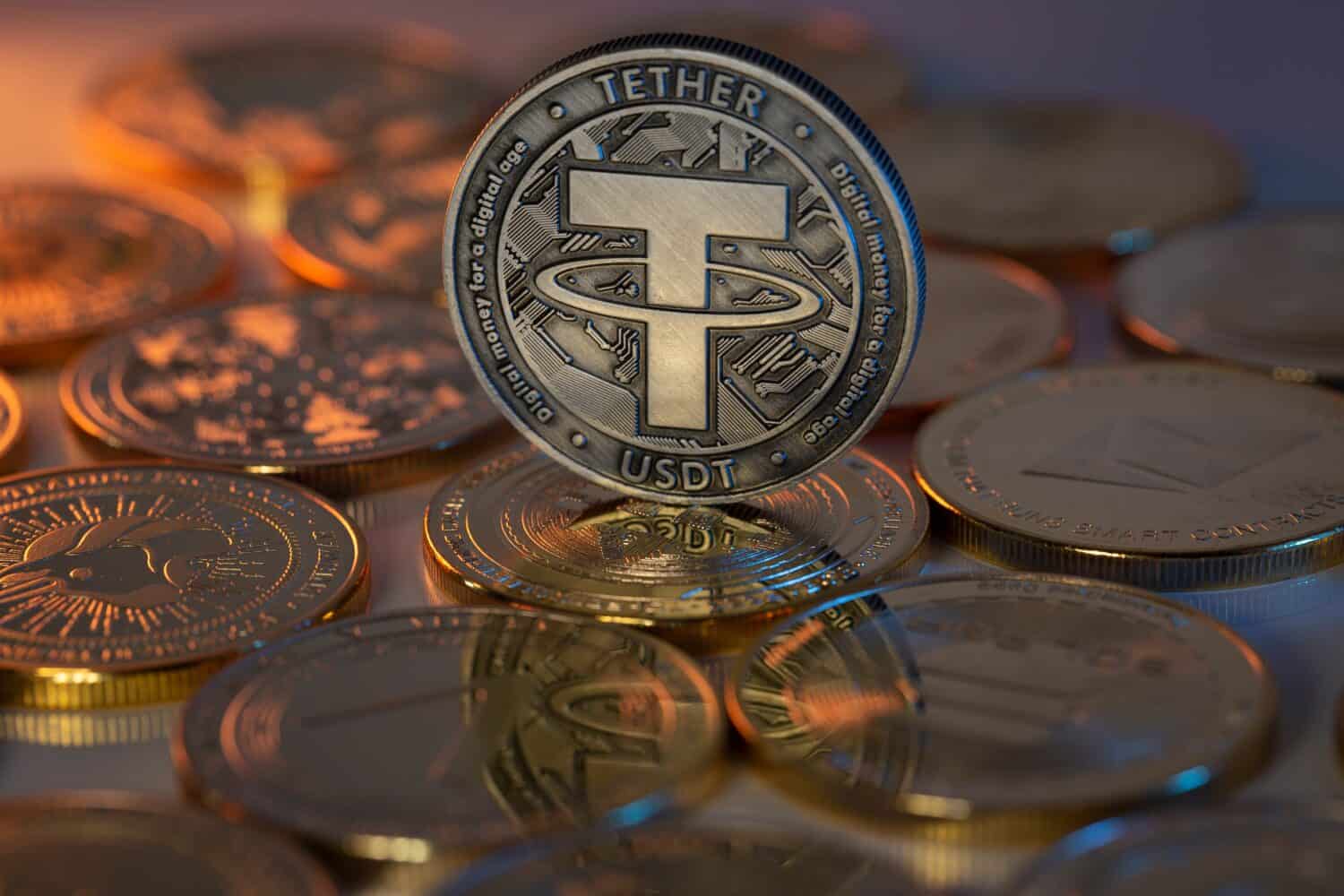
USDT and USDC use smart contracts, self-executing programs that record token ownership. Both stablecoins include a blacklist controlled by the issuing company. If an address gets blacklisted, Tether will prevent it from sending USDT, while USDC will block only USDC transactions at that address, leaving other tokens intact.
For Ripple’s RLUSD, the process is slightly different. Ripple can activate freeze flags on the trust line, a connection that lets a wallet hold specific tokens and includes a clawback feature that lets the issuer reclaim tokens in cases of fraud.
Tether’s terms of service, last updated on February 26, include a Law Enforcement Requests Policy. This allows them to freeze tokens when required by law or when the company sees fit. After freezing $344 million in April, Tether said such actions are part of its routine response to legitimate requests from U.S. and international authorities.
Remember, a stablecoin represents a claim on the issuing company, meaning the issuer’s decisions can override an owner’s control through private keys.
For example, if a wallet holds $10,000 in USDC and $10,000 in Bitcoin (CRYPTO: BTC), a blacklist could prevent access to the entire $10,000 of USDC while leaving the Bitcoin untouched, as Bitcoin and Ether have no central issuer. However, the Arbitrum freeze illustrates that even a network’s own council can act on coins circulating within its ecosystem.
An Innocent Wallet Can Be Frozen After One Tainted Trade
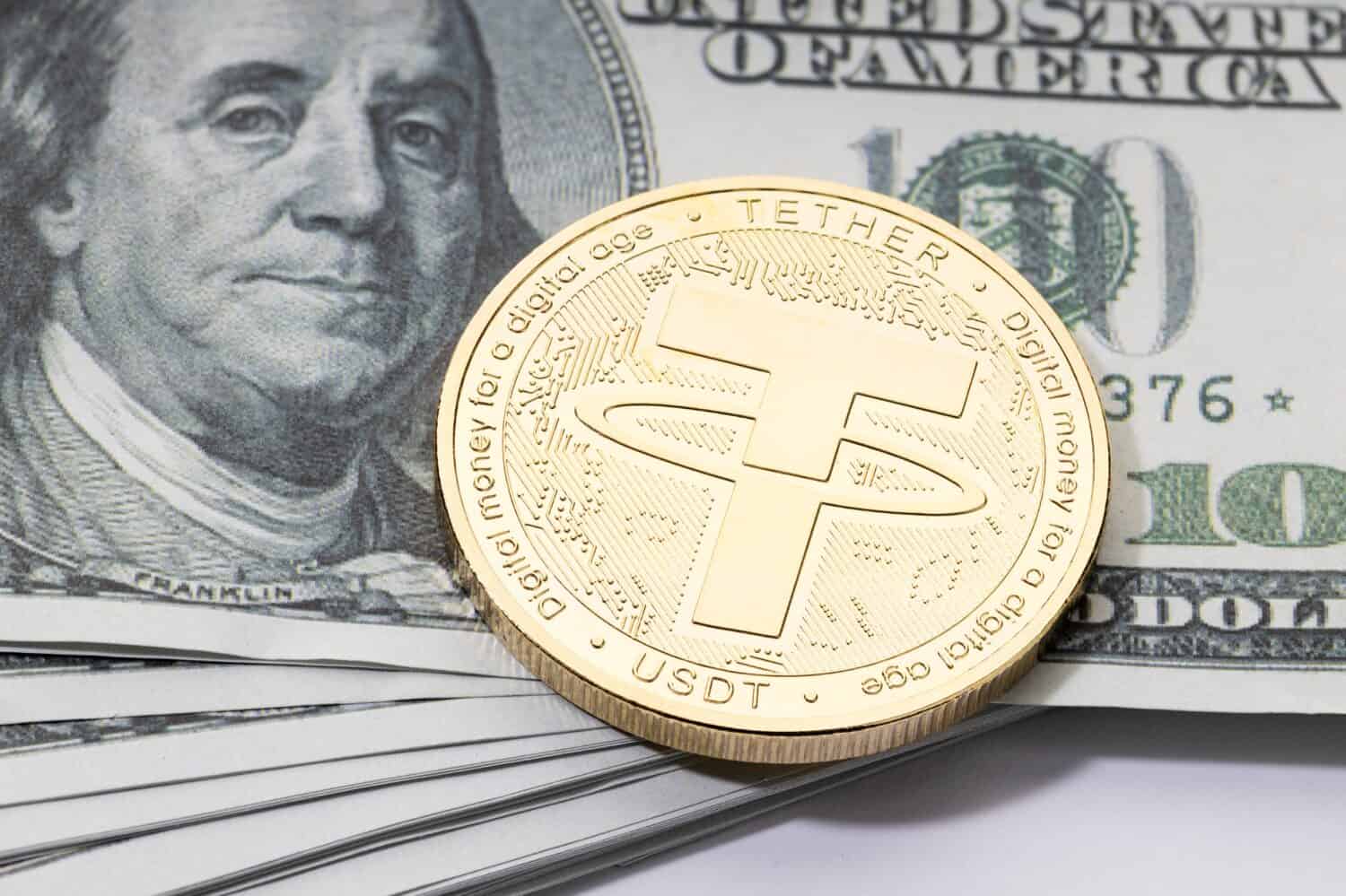
Interestingly, freezes can also target people who have committed no wrongdoing. A report from ZachXBT, shared widely on Reddit, indicated that Circle froze USDC in 16 business hot wallets overnight due to a civil case, emphasizing that the owners were not hackers. Additionally, payments company Conduit Technology filed a lawsuit in Manhattan on October 5 over $2.76 million in USDT that has been frozen since September 24, 2025.
Issuers can freeze wallet addresses regardless of ownership. If stolen USDT passes through a few wallets before reaching an everyday user through a peer-to-peer transaction, analytics firms can trace the funds back to the compromised source, leading to a blacklist that blocks all tokens of that type in that wallet, even if the holder has clean assets. Here are five strategies to reduce that risk:
- Check the Sender’s Address: Paste the sender’s address into a block explorer like Etherscan or Tronscan before accepting funds to check for hack or exploit flags.
- Test Transfers: Request a small test transfer from unfamiliar senders to verify the source of the funds before accepting larger amounts.
- Use Regulated Exchanges: Trade stablecoins on regulated exchanges, which are safer than anonymous over-the-counter deals arranged via chat.
- Separate Receiving Addresses: Use a different address for unfamiliar counterparts to limit the impact of a freeze on your main savings.
- Document Transactions: Keep records of trade chats, invoices, and exchange receipts to provide evidence of the funds’ origins if an issuer or exchange inquires.
Could a Stablecoin Freeze Affect Your Self-Custody Wallet?
Yes, Tether, Circle, and Ripple can freeze stablecoins in a self-custody wallet. The risk increases sharply if your address receives funds linked to a hack, sanctions, or a legal dispute. The market accepts these risks, as shown by USDT trading around $1 with a market cap near $180 billion, and USDC holding a similar value.
Contact [email protected] for any questions or corrections.
Sam Daodu is a crypto analyst and the editor of 24/7 Wall St.'s Crypto Desk, where he covers Bitcoin, XRP, Ethereum, Solana and the altcoins investors search for most. His work focuses on price levels, spot ETF flows, on-chain data and the regulatory decisions that move crypto markets, written so a first-time buyer and a seasoned trader can both use it.
Sam has written about crypto professionally since 2019 and has published more than 2,000 articles. Before joining 24/7 Wall St., he wrote for crypto media outlets and Web3 companies and ghostwrote for crypto founders and token launches. His analysis is syndicated on Yahoo Finance, MSN and AOL and has been cited by other crypto news sites. He also founded MacLabs Marketing, a content and personal branding agency for crypto founders and executives.
When he isn't reading charts, Sam is usually at the gym or watching One Piece, a series he maintains has better tokenomics than most altcoins.