Air Pollution Causes 17% of Chinese Deaths
Air pollution causes 17% of the deaths in China, according to a recent study of air pollution in the country.

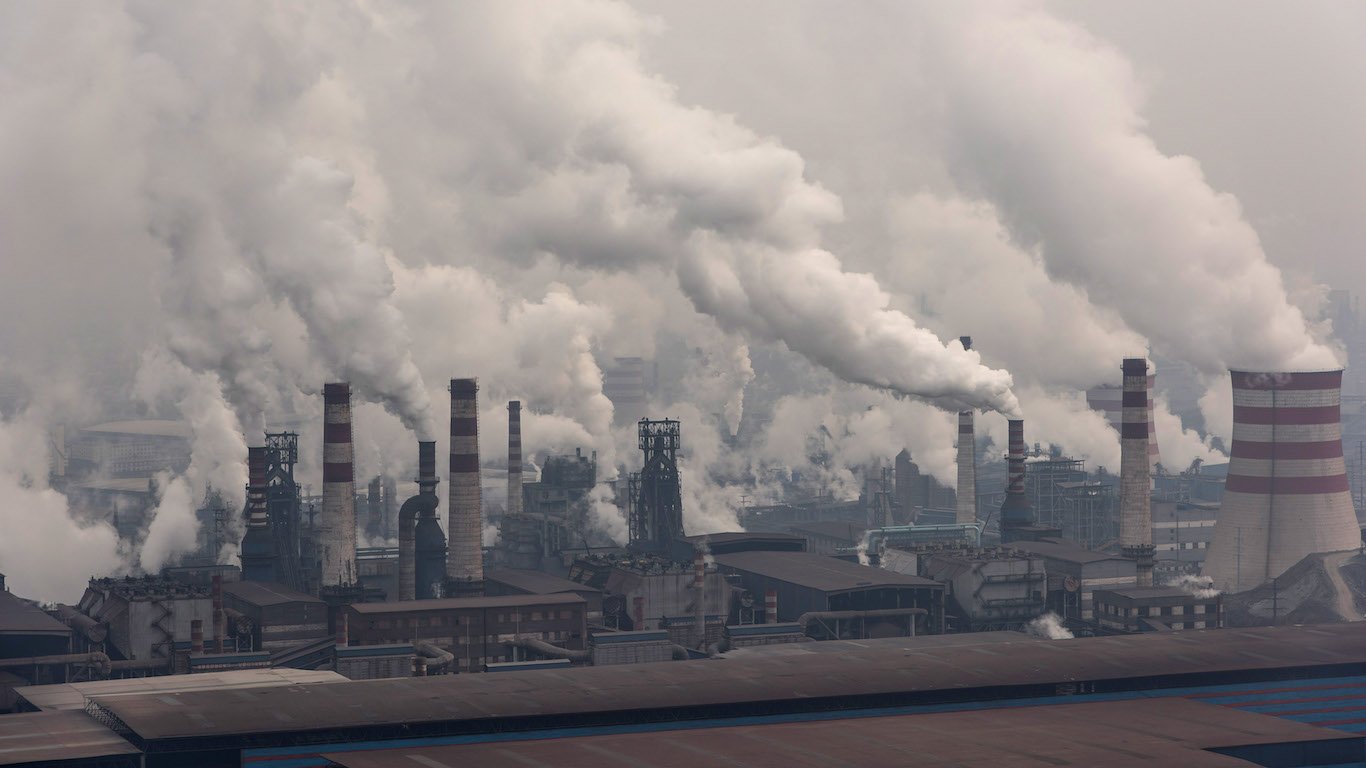
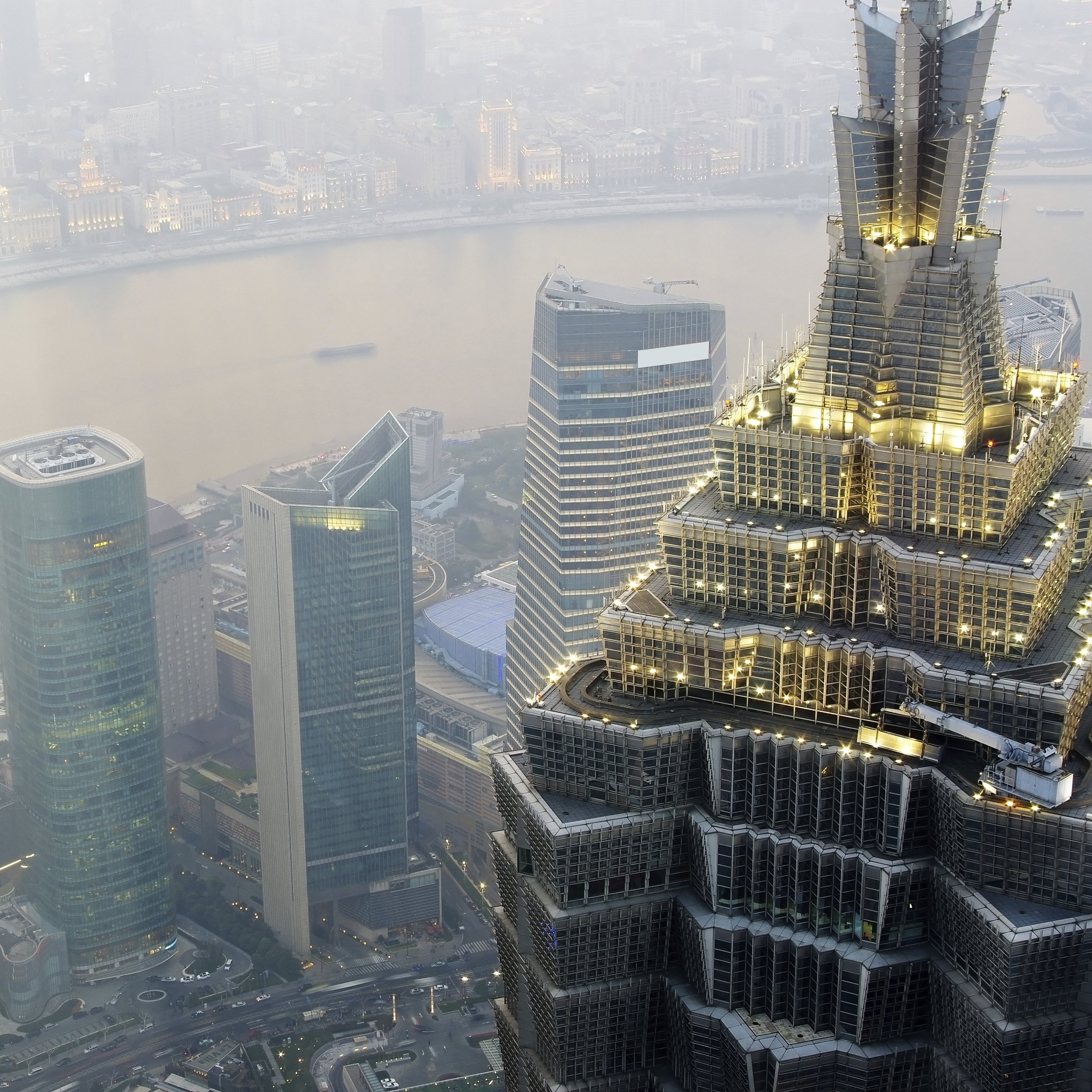
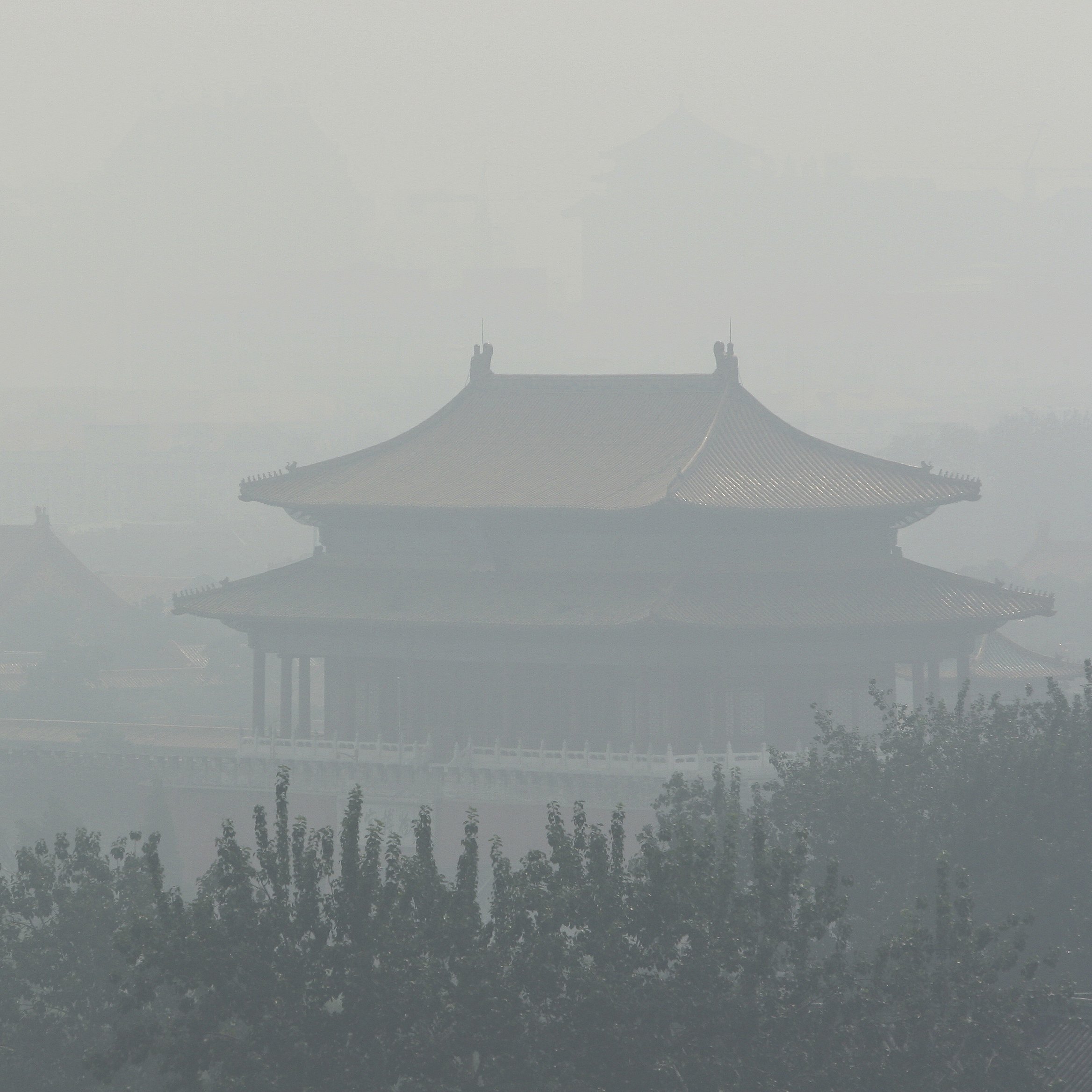
 No wonder China has restricted the number of cars that can enter its cities, and that it is trying to cut the thick fog of air pollution that hangs over its cities. While the country’s economy relies on factory production, one of its by-products has become remarkably toxic. Air pollution caused 17% of the deaths in China.
According to a Berkeley Earth study of air pollution in China:
[A]ir pollution kills an average of 4000 people every day in China, 17% of all China’s deaths. For 38% of the population, the average air they breathe is “unhealthy” by U.S. standards
Berkeley Earth Scientific Director Richard Muller wrote:
Air pollution is the greatest environmental disaster in the world today, When I was last in Beijing, pollution was at the hazardous level; every hour of exposure reduced my life expectancy by 20 minutes. It’s as if every man, women, and child smoked 1.5 cigarettes each hour.
The organization’s map of China shows just how bad the problem is in several industrial cities. Large metropolitan areas near Beijing, which include Tangshan, Handan and Shijiazbuang, have pollution levels comparable to the capital. These cities are large: the population of Tangshan is over 3 million, Handan is 2.9 million and Shijiazbuang is 4.8 million. None of these figures include the millions of people who live very close to these cities. If these are added, the total figure is nearly 30 million people.
The solution Berkeley Earth suggested is that China move to nuclear and renewable energy. Unfortunately, that would take decades, if it can be done at all. A retooling of China’s factories could take decades, and it would cut production that has become ever more essential as the nation’s economy falters.
The Chinese will have to live with air pollution, no matter the health consequences.
ALSO READ: 5 US Stocks With Incredibly High Revenue Exposure to China
Contact [email protected] for any questions or corrections.
Douglas A. McIntyre is the co-founder, chief executive officer and editor in chief of 24/7 Wall St. and 24/7 Tempo. He has held these jobs since 2006.
McIntyre has written thousands of articles for 24/7 Wall St. He is an expert on corporate finance, the automotive industry, media companies and international finance. He has edited articles on national demographics, sports, personal income and travel.
His work has been quoted or mentioned in The New York Times, The Wall Street Journal, Los Angeles Times, The Washington Post, NBC News, Time, The New Yorker, HuffPost USA Today, Business Insider, Yahoo, AOL, MarketWatch, The Atlantic, Bloomberg, New York Post, Chicago Tribune, Forbes, The Guardian and many other major publications. McIntyre has been a guest on CNBC, the BBC and television and radio stations across the country.
A magna cum laude graduate of Harvard College, McIntyre also was president of The Harvard Advocate. Founded in 1866, the Advocate is the oldest college publication in the United States.
TheStreet.com, Comps.com and Edgar Online are some of the public companies for which McIntyre served on the board of directors. He was a Vicinity Corporation board member when the company was sold to Microsoft in 2002. He served on the audit committees of some of these companies.
McIntyre has been the CEO of FutureSource, a provider of trading terminals and news to commodities and futures traders. He was president of Switchboard, the online phone directory company. He served as chairman and CEO of On2 Technologies, the video compression company that provided video compression software for Adobe’s Flash. Google bought On2 in 2009.