How Interest Rates Could Change in 2020
With inflation remaining low and the Federal Reserve unlikely to make any changes to the funds rate, here's what's in store for interest rates on mortgages, car loans and other personal finance accounts.


As Thursday’s noon hour drew to a close, the interest rate on a 30-year fixed-rate mortgage was 3.76%. A year ago, the rate was 4.63%, and a year from now the same loan should end up costing just about what it costs right now.
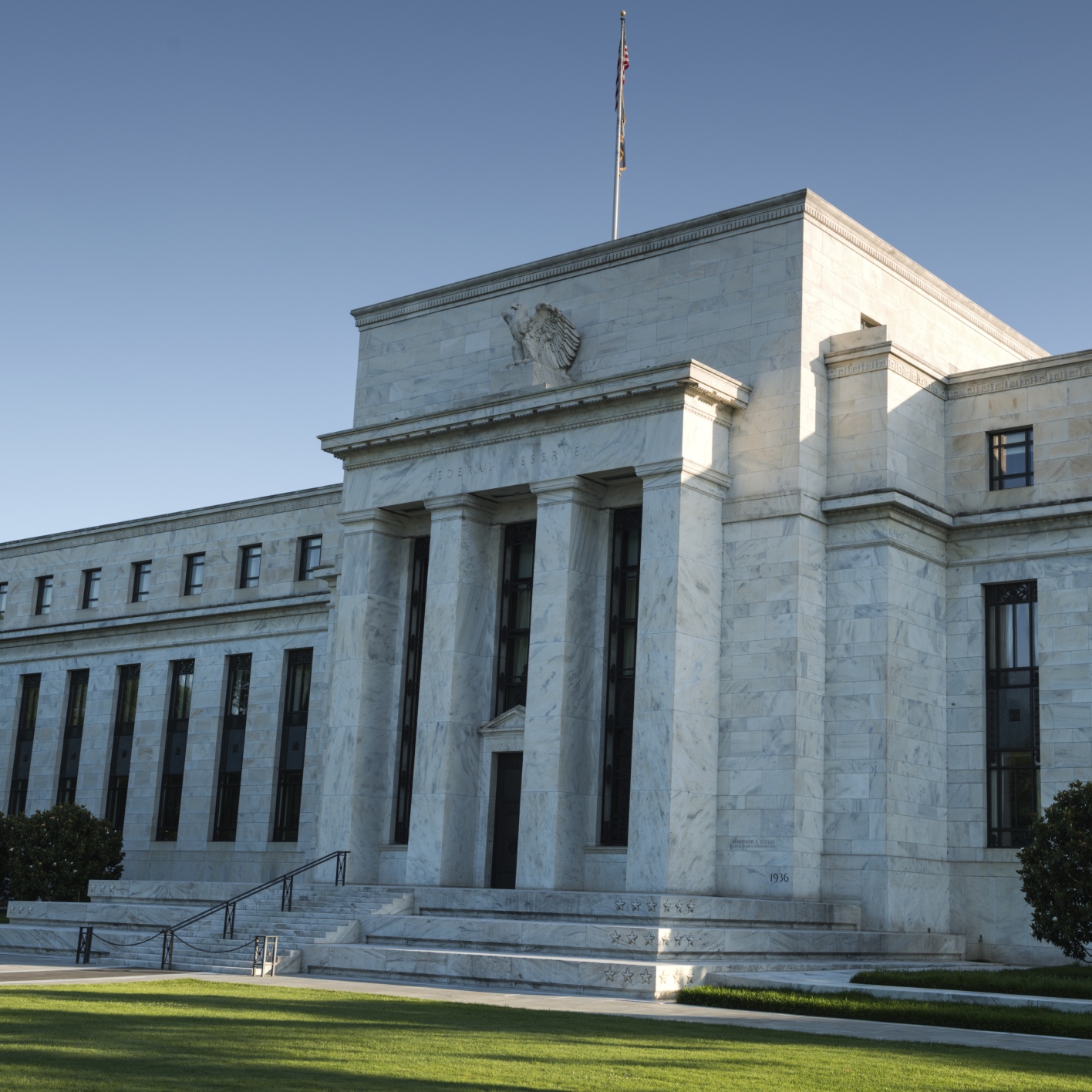
That’s the forecast from Greg McBride, the chief financial analyst at Bankrate.com, who says the Federal Reserve is “most likely to do nothing” to short-term lending rates in 2020. The caveats are the usual: inflation rising faster than the Fed expects, leading to an increase in rates or the economic outlook turns south, forcing the central bank to lower interest rates.
A stable federal funds rate also ripples through home equity loans, home equity lines of credit (HELOCs), credit card loan rates, auto loan rates and personal loan rates. The Fed’s rate also influences the amount that savers earn on savings accounts, money market accounts and certificates of deposit (CDs).
Given that 2020 is an election year, if the Fed follows its usual practice, it will do nothing until after the November elections. That is if Fed chair Jerome Powell can withstand the demands from the president for ever-lower rates.
HELOCs averaged about 5.99% in mid-December, while home equity loans of $30,000 were charging interest at around 5.77%. These rates should change little over the course of 2020, again depending on any changes to the fed funds rate.
Variable credit card rates closed out 2019 at 17.34%, and McBride thinks they’ll average around 17.4% in 2020 to account “for the late stage of the economic cycle, attaching higher margins for consumers with weaker credit profiles in any new product launches.” He also notes that now would be a good time for people with good credit to apply for a balance transfer card that could reduce interest payments to as little as zero for a period of months.
Car loans with terms of 60 months should average about 4.75% this year, while four-year loans likely will end the year with an average of 5.5%. This 60-month loan estimate is only slightly higher than the 4.61% average at the end of 2019.
Savings and money market accounts averaged 0.1% and 0.21%, respectively, in 2019. One-year CDs closed the year with an interest rate of 0.73%, and five-year CDs were paying 1.1%. Both were lower than the one-year CD high of 1.01% and the five-year CD high of 1.52%.
For 2020, McBride estimates that a one-year CD should average 0.8% and, for those willing to shop around, rates as high as 2.3% might be available. A five-year CD should average 1.22% this year with rates of up to 2.45% possible.
A general rise in savings rates is likely to trail behind higher inflation, thus mitigating the overall impact of higher savings rates.
Contact [email protected] for any questions or corrections.
Paul Ausick has been writing for 247Wallst.com for more than a decade. He has written extensively on investing in the energy, defense, and technology sectors. In a previous life, he wrote technical documentation and managed a marketing communications group in Silicon Valley.
He has a bachelor's degree in English from the University of Chicago and now lives in Montana, where he fishes for trout in the summer and stays inside during the winter.