Almost a Quarter of This Country’s Residents Consume Cannabis (Legally)
As of right now, several countries have legalized recreational marijuana on the federal level. Others aren’t quite there yet. Still, with the recent trend of decriminalization and legalization of cannabis around the globe, doctors are rediscovering many of the health…

As of right now, several countries have legalized recreational marijuana on the federal level. Others aren’t quite there yet. Still, with the recent trend of decriminalization and legalization of cannabis around the globe, doctors are rediscovering many of the health benefits associated with this plant. Some clinically proven benefits include pain management, reduced inflammation, sleep management, muscle relaxants, and effective treatment for illnesses such as epilepsy, certain mental health disorders, fibromyalgia, endometriosis, Parkinson’s disease, interstitial cystitis, and other forms of chronic pain. Here, 24/7 Wall St. set out to discover which countries are the strongest consumers of (legal) cannabis. All the data for this list is taken from public filings from cannabis dispensaries. Obviously, illegal cannabis transactions aren’t included here.
This post was updated on November 7, 2025 to clarify the origin of the name ‘Marijuana’, the timeline of cannabis use in Neolithic China, and to detail several country’s stance on cannabis (Netherlands, Czech Republic, Australia).
Get the Facts: Cannabis
Before the War on Drugs, cannabis was successfully grown and sold on every continent on Earth, as it had been for centuries. The Chinese are thought to be the first growers of cannabis, with evidence of fiber and ritual/psychoactive use dating back to thousands of years BCE. Culturally, Muslim societies refer to cannabis as hashish, and the plant is called “the bush of understanding” or the “morsel of thought.” But with as many cultures that value and use cannabis, an almost equal number have banned or discouraged its use at one point throughout history. Despite the efforts of governments (led by the United States) to eradicate this miracle plant, indigenous societies and everyday people continued to use it.
The name ‘marijuana’ (from Mexican Spanish) appears in English during the 19th and early 20th centuries, but it wasn’t popularized until the 1930s, when it was used in U.S. anti-cannabis campaigns. The Spanish origin of the word led Americans to associate it with Mexican immigrants, which scared White conservatives. A more acceptable and accurate name for it is cannabis, or any of its cultural nicknames (such as “weed”).
Why We’re Talking About Weed
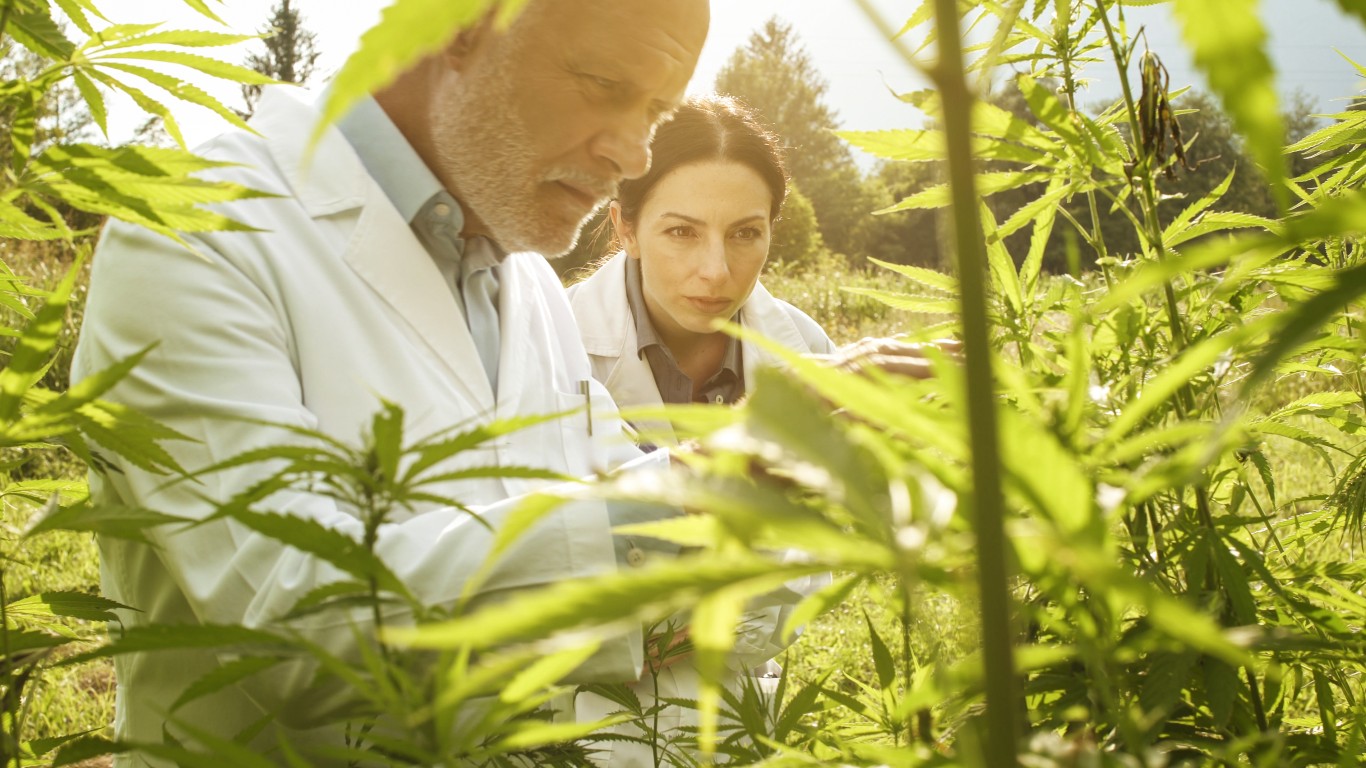
Cannabis is here to stay, and no amount of government propaganda, religious pressure, or cultural resistance will make it go away. After all, the global cannabis market sat at $43.72 billion in 2022 and is expected to rise to $444.34 billion by 2030. If you fear cannabis, then the best remedy is information. If you support cannabis, then knowing where people buy it can be both helpful and interesting. (These are the U.S. states with the highest weed consumption rates.)
These are the countries where most people consume cannabis:
20. Switzerland
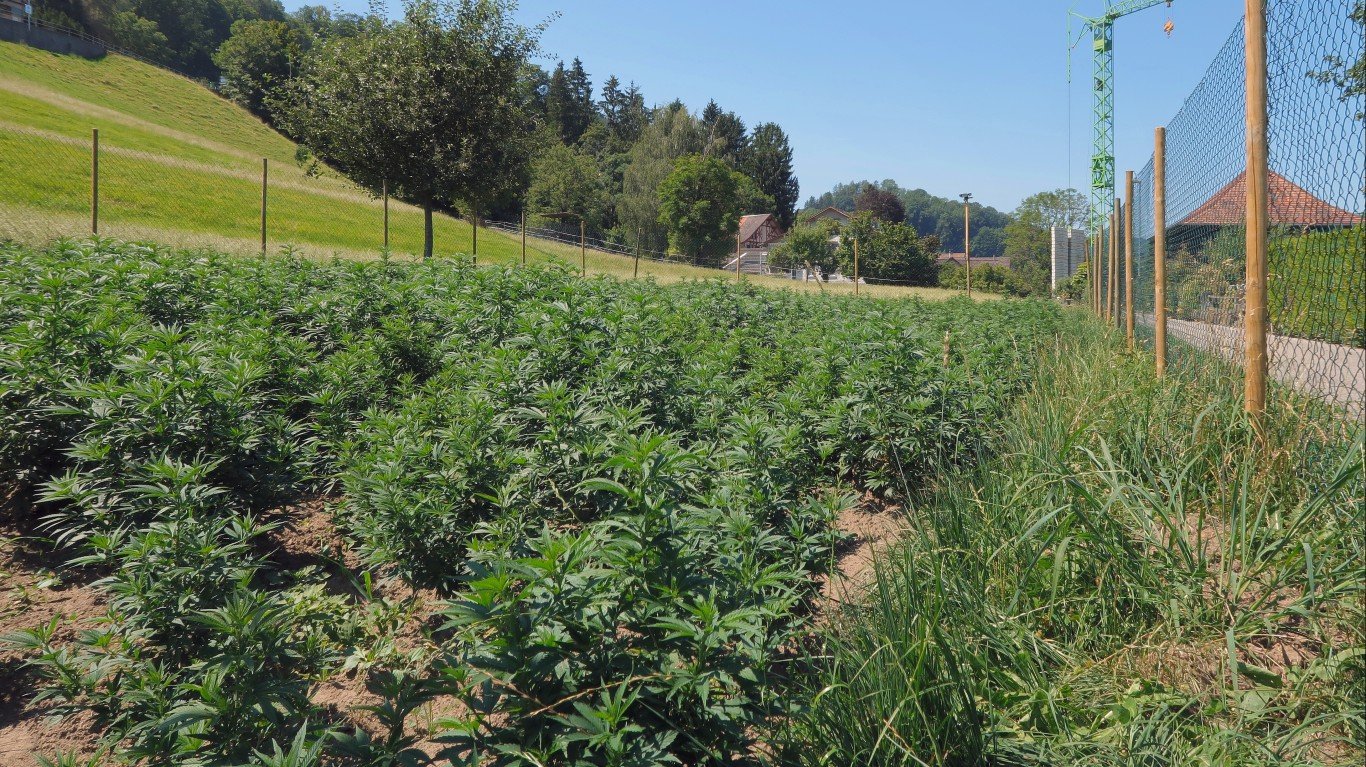
Right now, the estimated annual prevalence of weed consumption in Switzerland is 7.7%, with a revenue generation of US$138.9 million. Cannabis is still illegal in Switzerland, but the Swiss Federal Government is authorizing multiple pilot trials to allow regulated adult purchases for study purposes. The same process occurred in Switzerland when the country legalized prescription heroin and safe injection sites in the 90s.
19. Argentina
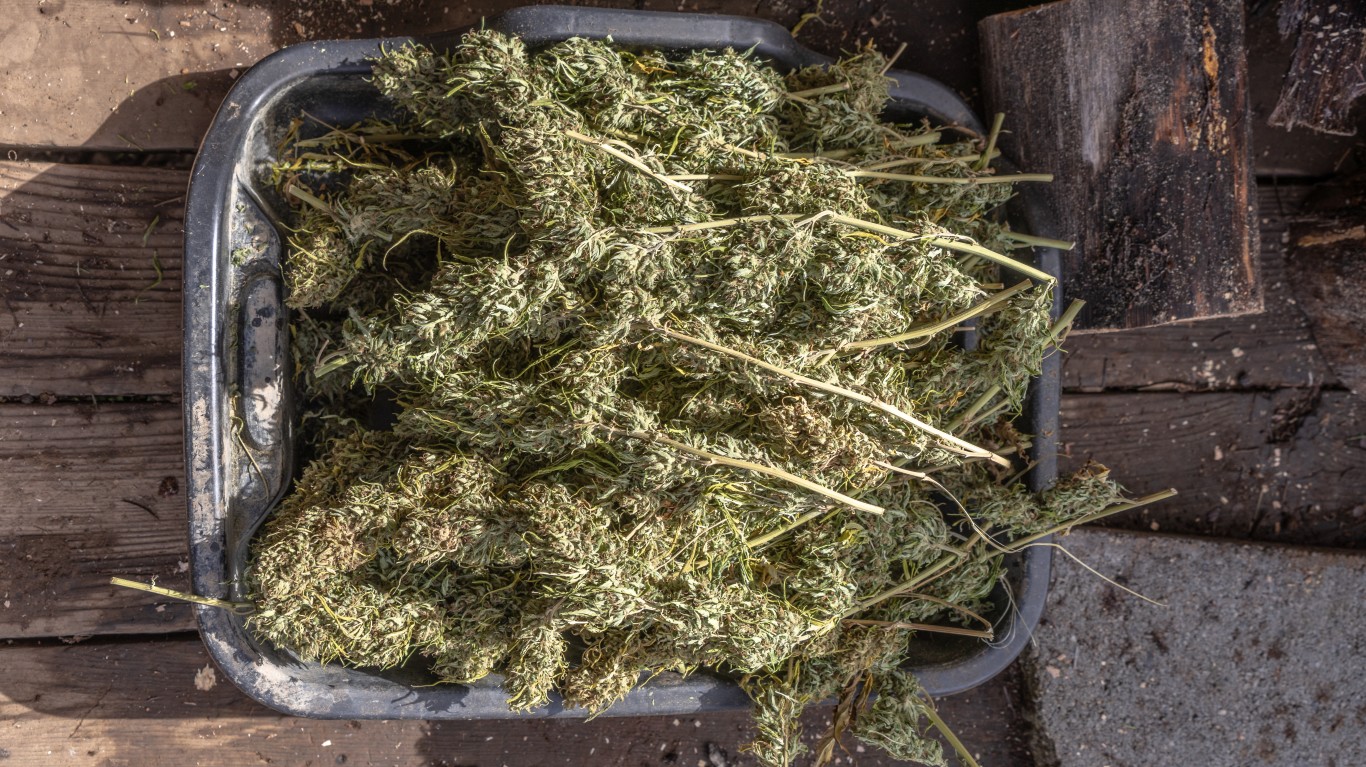
The annual prevalence of cannabis use in Argentina is 8.13%. The cultivation, distribution, and sale of cannabis is illegal, and possession is decriminalized under a certain amount. Similar to the U.S., some Argentinian provinces have decriminalized cannabis for personal and recreational use. The country plans to legalize cannabis for medical use in the near future.
There are currently 51 regulated research and development projects being conducted by the ARICCAME cannabis agency in the country to establish a regulatory framework to enter the weed export market. Argentina currently allows cannabis-derived products in pharmacies and insurers have to cover prescription cannabis-based medications. The Argentinian government’s goal is to create 10,000 direct jobs, $500 million in domestic sales, and $50 million in export sales by 2025.
18. Finland
What’s the annual prevalence of cannabis use in Finland? 8.2%. This actually places cannabis as Finland’s most used drug, commonly used by approximately 30% of Finnish adults. It’s projected that revenue will reach US$41.87 million by the end of 2024. Recreational cannabis use is currently illegal in Finland, but there are bills that have been recently proposed to parliament to decriminalize it. However, medical cannabis use has been legal in Finland for over a decade, and CBD oil can be purchased at most pharmacies.
17. Croatia
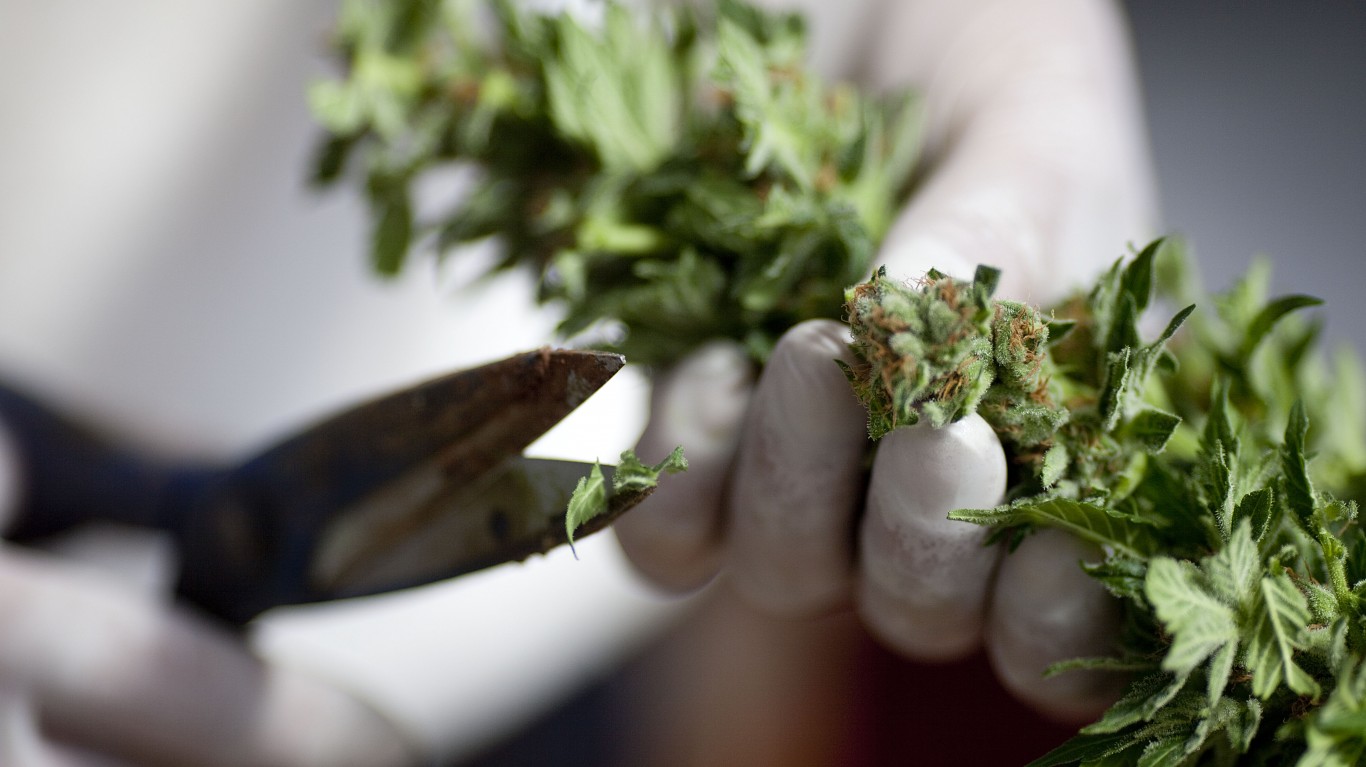
Cannabis is considered a “banned substance” in Croatia — and possession for personal use is punishable as a misdemeanor with a fine. As it falls under the Soft Drugs category, minor offenses have been decriminalized. Medical cannabis use is legal, but strictly regulated, leading to an annual prevalence of cannabis use of 10.2%. By the end of 2024, the market is project to reach US$45 million.
16. Italy
Italy has a “cannabis light” industry, which produces and sells low-THC cannabis products. Products with a THC content lower than 0.6% are legal to cultivate, sell, and consume. Italy is currently using Canada as a regulatory blueprint and has proposed legislation to widen the use of medical cannabis, regulate the production and sale of low-THC cannabis products, and protect consumers from misleading information on unregulated products. However, with Prime Minister Giorgia Meloni pushing for reform, cannabis policies and protections might tighten. It is projected to reach a revenue of US$312.5 million by 2024.
As it stands now, Italy’s annual prevalence of cannabis use is 10.21% — it is decriminalized recreationally, but legal for medical and industrial uses. Still, 17% of high-school-aged children said they consumed cannabis once.
15. Netherlands
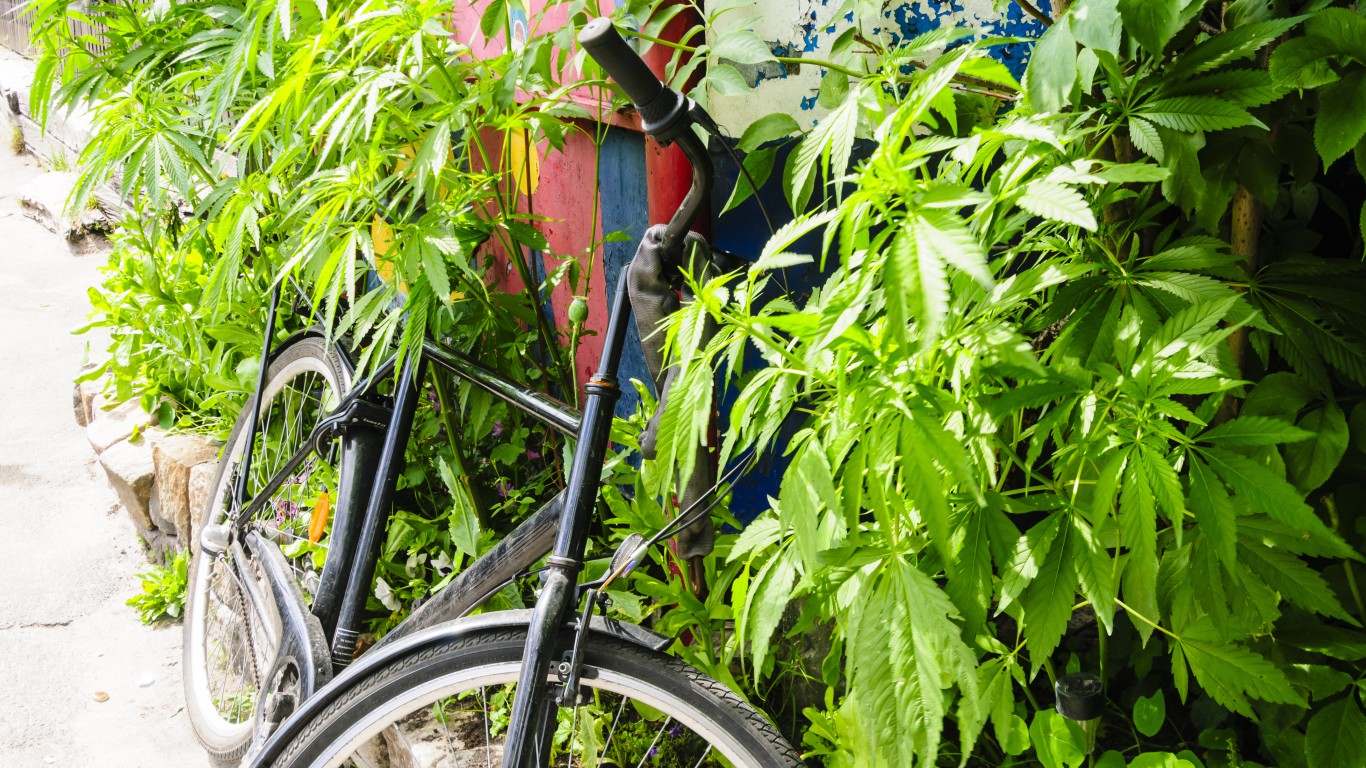
The annual prevalence of cannabis use in the Netherlands is 10.4%. The Netherlands is projected to reach US $269.8 million in revenue by the end of 2024. Though cannabis is not “legal” in the official sense, it is tolerated under gedoogbeleid. Sales occur in licensed coffee shops, but cultivation/supply remain illegal. Amsterdam has been the capital of cannabis tourism for the last 4 decades, but that might soon change. The current Mayor of Amsterdam, Femke Halsema, wants to ban foreigners from its cannabis cafes.
14. Monaco
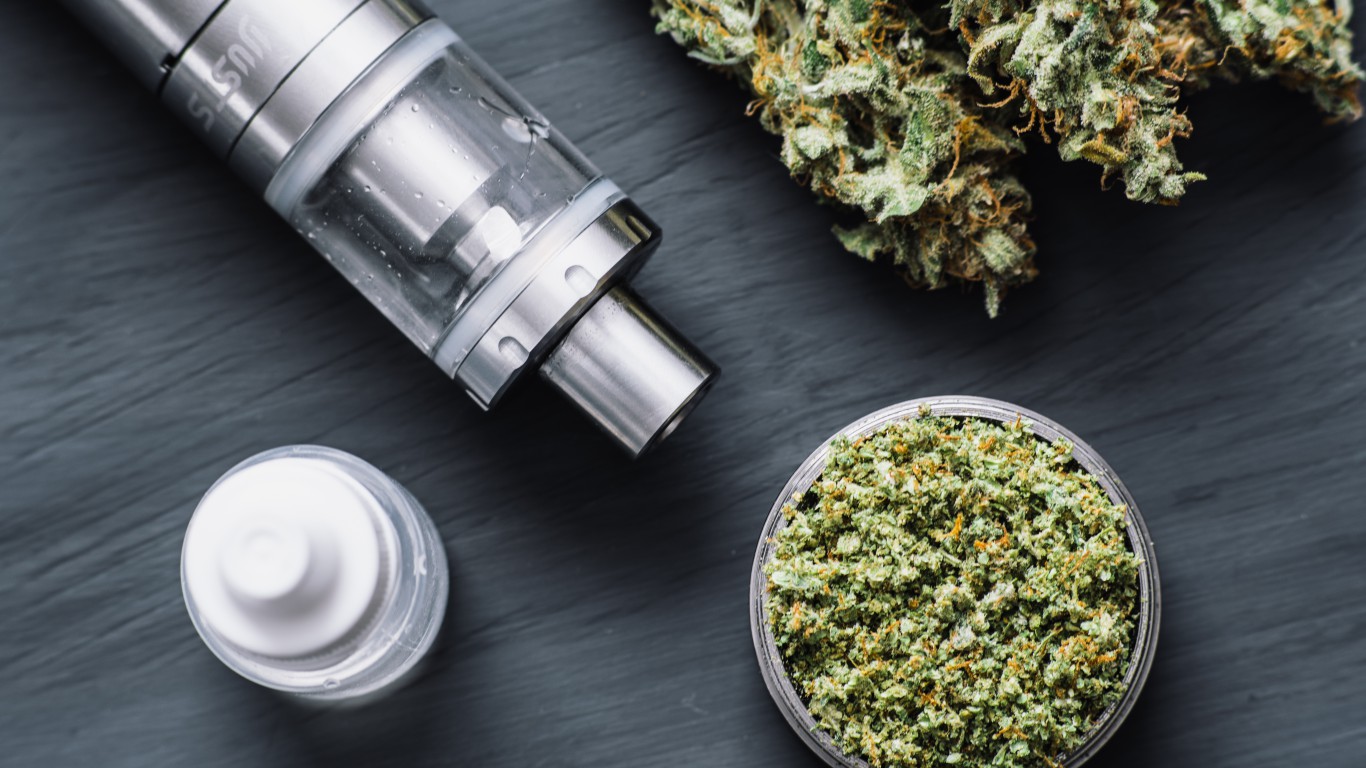
The annual prevalence of cannabis use in Monaco is 10.47%. Although medical and recreational cannabis use in Monaco is illegal, possession of small amounts often gets disregarded as a misdemeanor. Under the law, being caught with any amount of cannabis is punishable by a fine and up to a year in prison. CBD products are available in Monaco within a legal gray area.
The country makes no distinction between hemp and cannabis plants, but the EU Court ruled in 2020 that CBD products are not intoxicating, so countries part of the European Union cannot prohibit legally produced cannabidiol from other EU countries. Monaco is not a member of the EU, so it doesn’t have to follow the ruling. Despite the legal ambiguity, there are several CBD shops throughout the country. Tourists are advised to not bring cannabis into Monaco, as that is considered drug trafficking.
13. Morocco
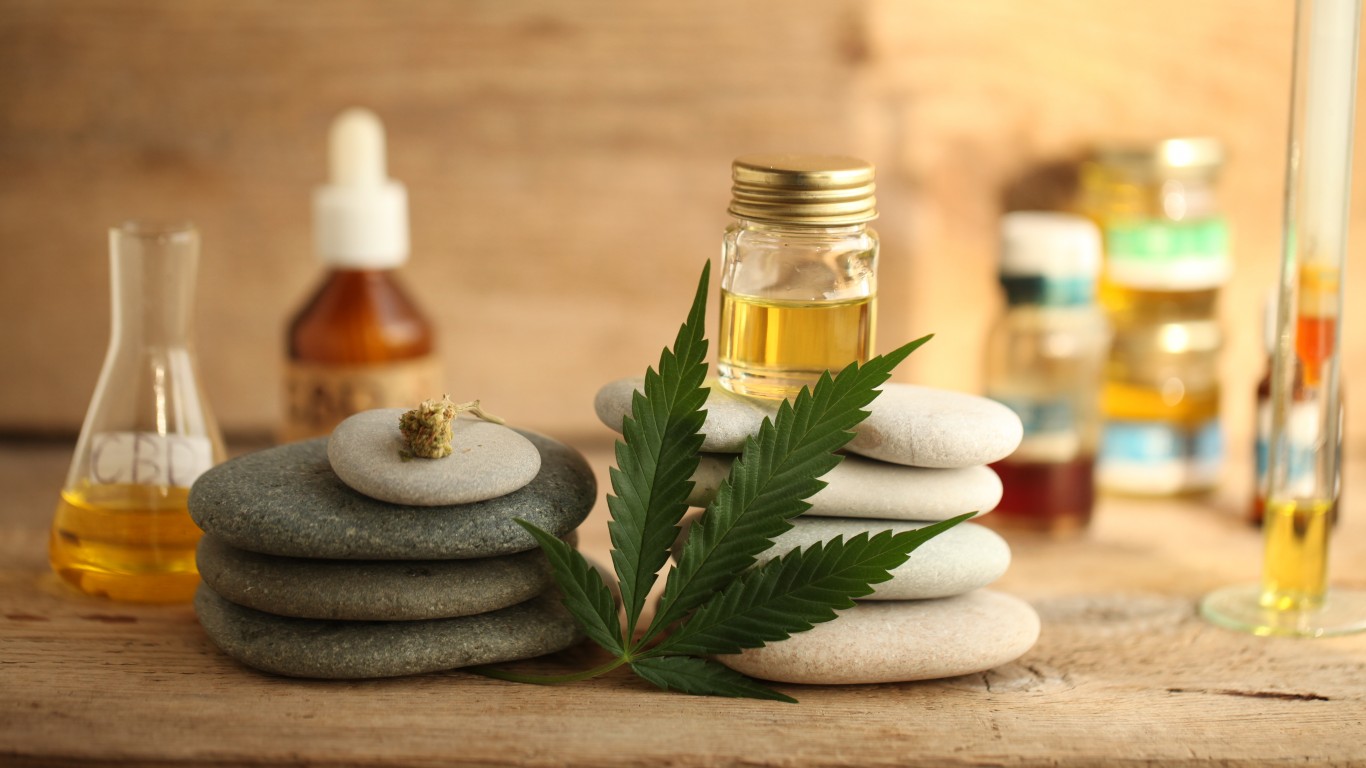
The annual prevalence of cannabis use in Morocco is 10.47%. Morocco is one of the world’s top cannabis producers. In the country, cannabis is regulated for medical, cosmetic, and industrial purposes. Morocco was the top global producer of cannabis resin from 2002-2010. The first legal harvest of cannabis in 2023 was 294 metric tons, according to Morocco’s Agency for the Regulation of Cannabis-Related Activities (ANRAC). However, consumption for recreational uses is still illegal.
12. Spain
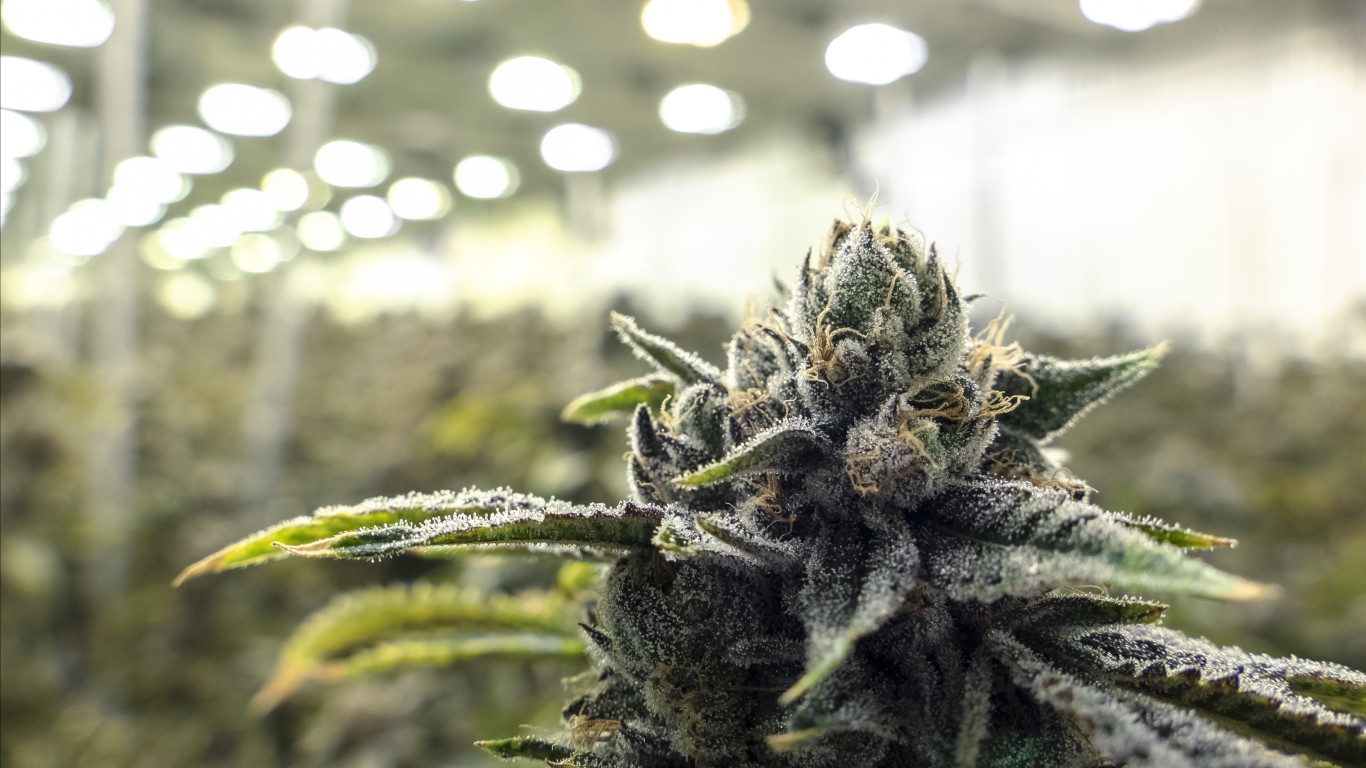
The annual prevalence of cannabis use in Spain is 10.5%. You can purchase some of the cheapest weed in the world in Spain. Although cannabis for recreational use is technically illegal, there are gray areas for Madrid’s famous cannabis clubs. Revenue for the recreational use market in Spain is projected to reach a stunning US$1.53 billion by the end of 2024.
11. Nigeria
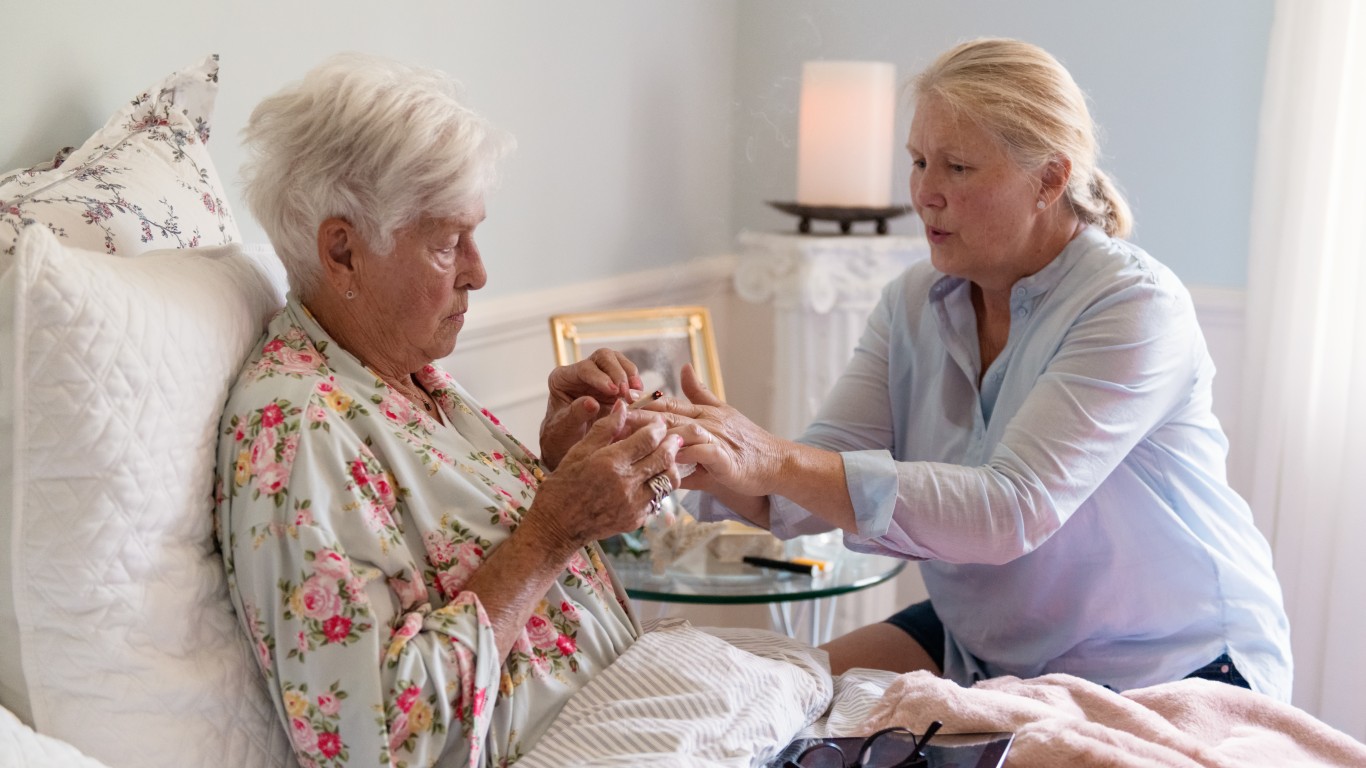
Want to know the annual prevalence of cannabis use in Nigeria? It currently sits at 10.76%. Nigeria consumes the most weed out of any other African country. Cannabis is a large export for Nigeria and is produced for both export and domestic consumption. The cannabis industry was worth US$3.7 billion in 2023.
10. France
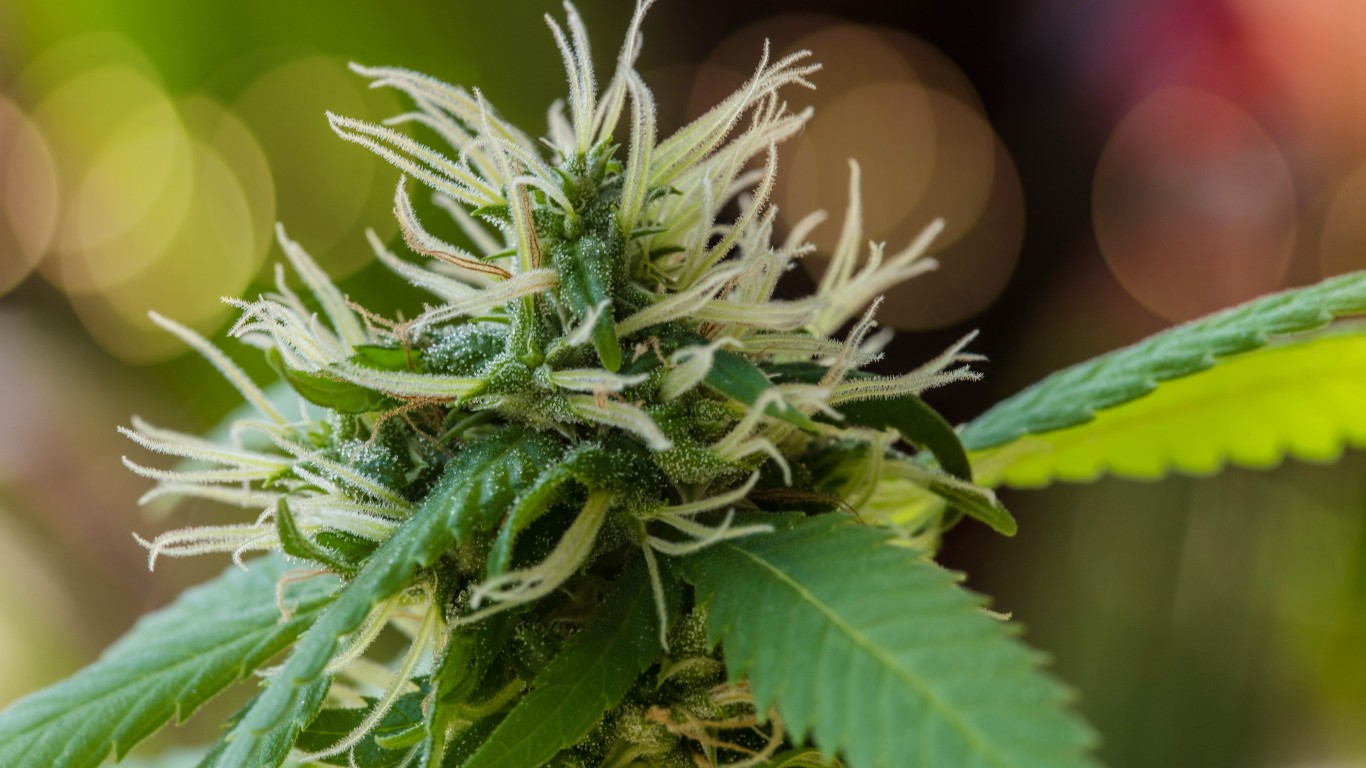
The annual prevalence of cannabis use in France is 11%. When it comes to cannabis use in France, the typical demographic using marijuana is people ages 33 or older. Perhaps interetingly, the country has seen a decline in cannabis use among younger age groups. Still, the cannabis market in France is highly valued at around €598 million (approx. US$697.6 million). France is also a big consumer of CBD and other non-intoxicating cannabinoids, which is legal.
9. Czech Republic
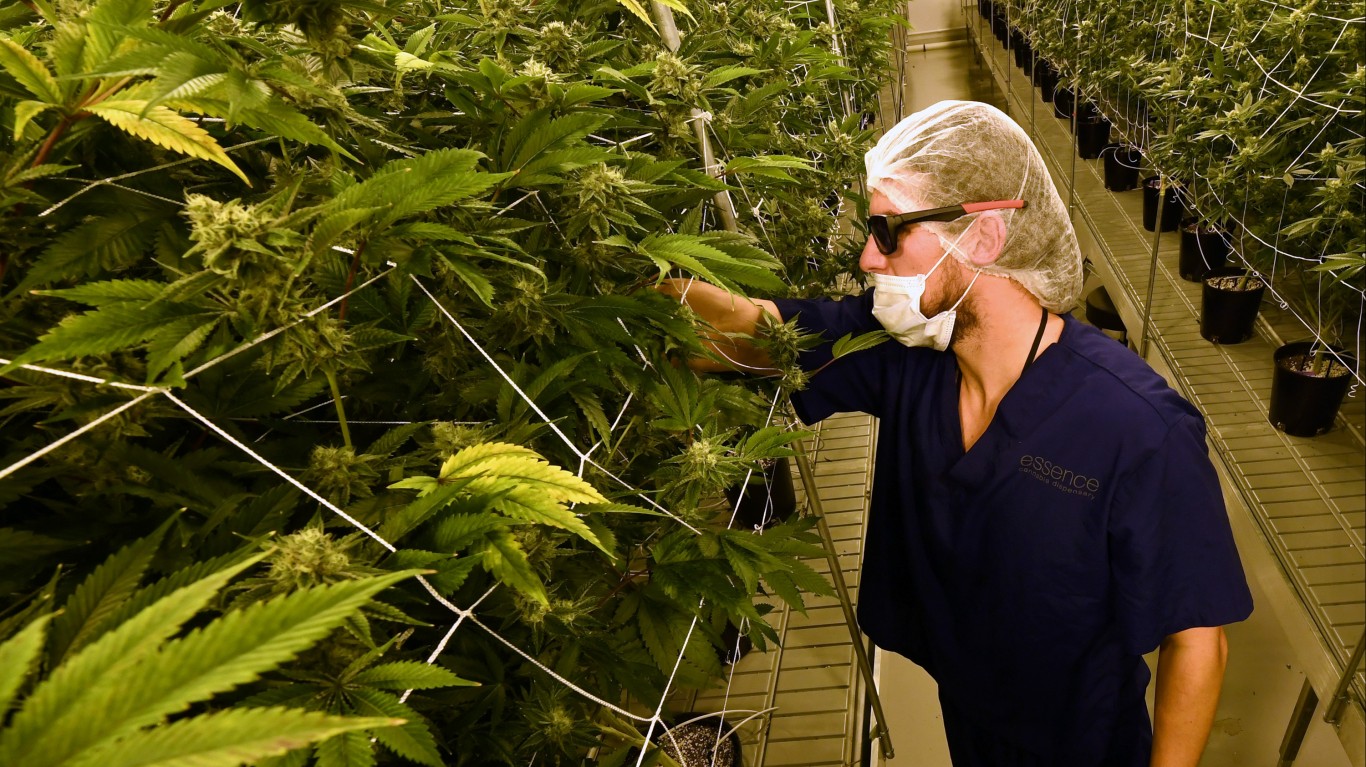
The annual prevalence of cannabis use in the Czech Republic is 11.1%. In line with its 2023-2025 Addiction Policy Action Plan, cannabis may be fully legalized by the end of 2025. The market was worth US $41 billion in 2023, so legalizing it fully could be even more economically beneficial for the country.
8. Australia
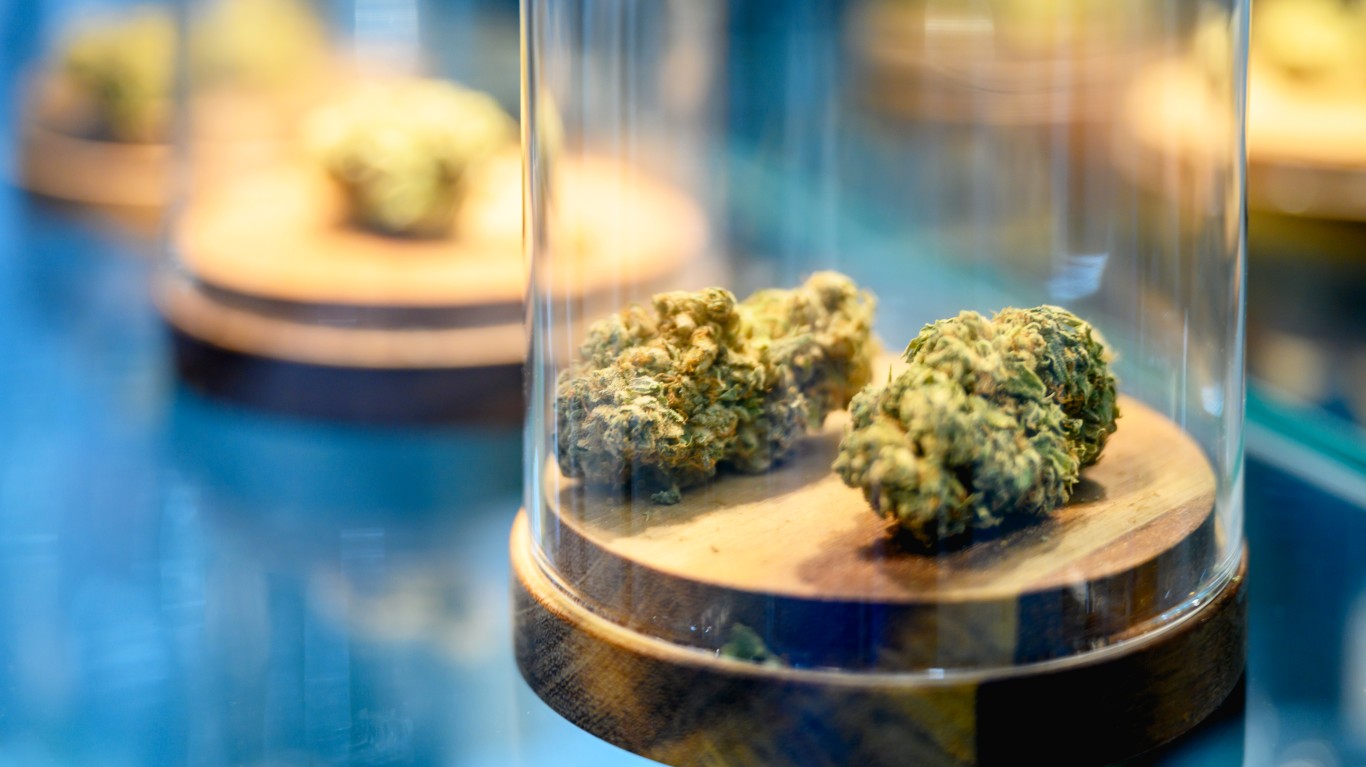
As it stands now, the annual prevalence of cannabis use in Australia is 11.6%. Australia has a decently-sized population that has tried cannabis at least once — 36% of people over age 14.
Roughly 36% of people over the age of 14 have said that they have tried cannabis at least one time. Australia has medical cannabis (since 2016). While adult-use is not legal federally, the ACT allows limited possession/home grow. The industry was valued at US $51.8 million in 2021. Since then, it has grown to be worth US $88.1 million in 2023. But the growth is certainly not over: the industry is set to grow 27.8% by 2030.
7. Chile
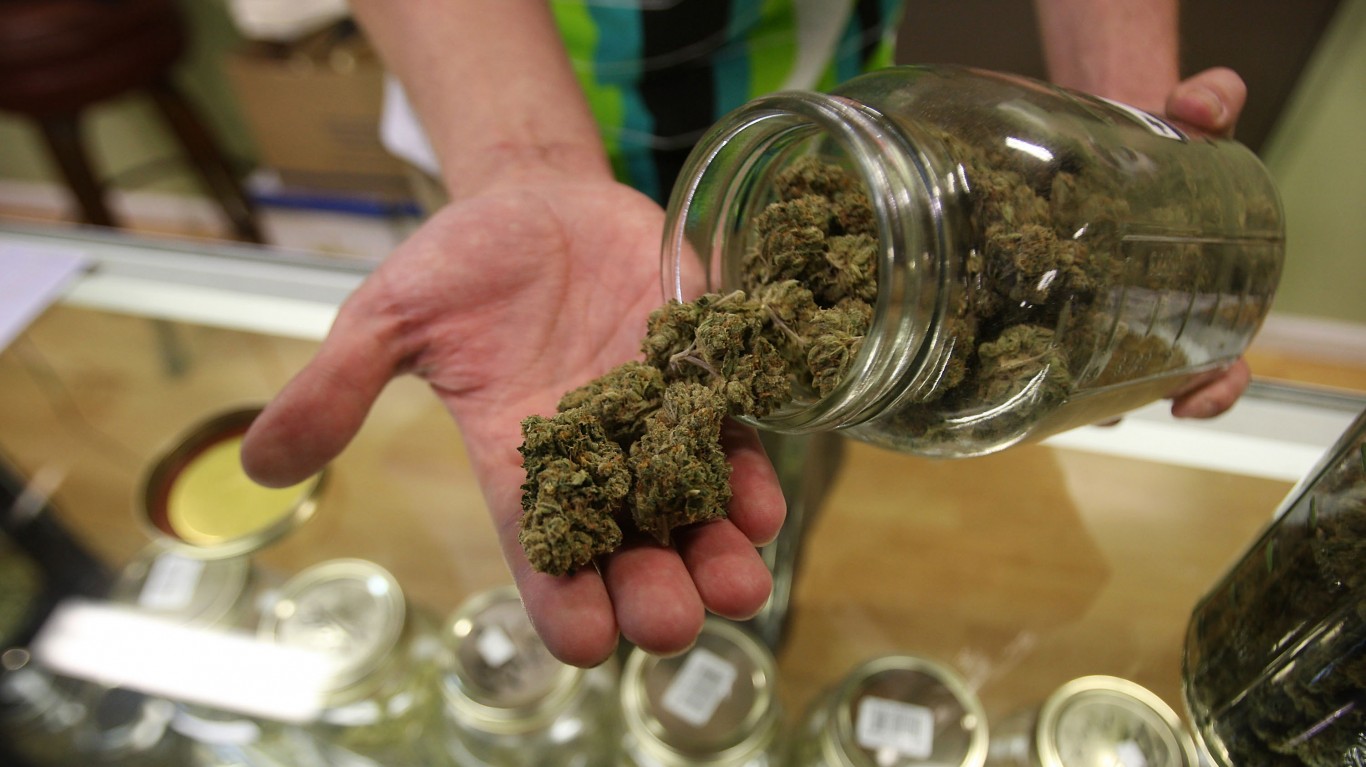
Recreational cannabis use is illegal in Chile; in 2020, Chilean authorities even seized 285,000 marijuana plants. Still, the annual prevalence of Cannabis use in Chile is 12%. This is most likely due to the fact that medical cannabis use is legal and had sales revenue of US$4.44 million in 2023.
6. Israel
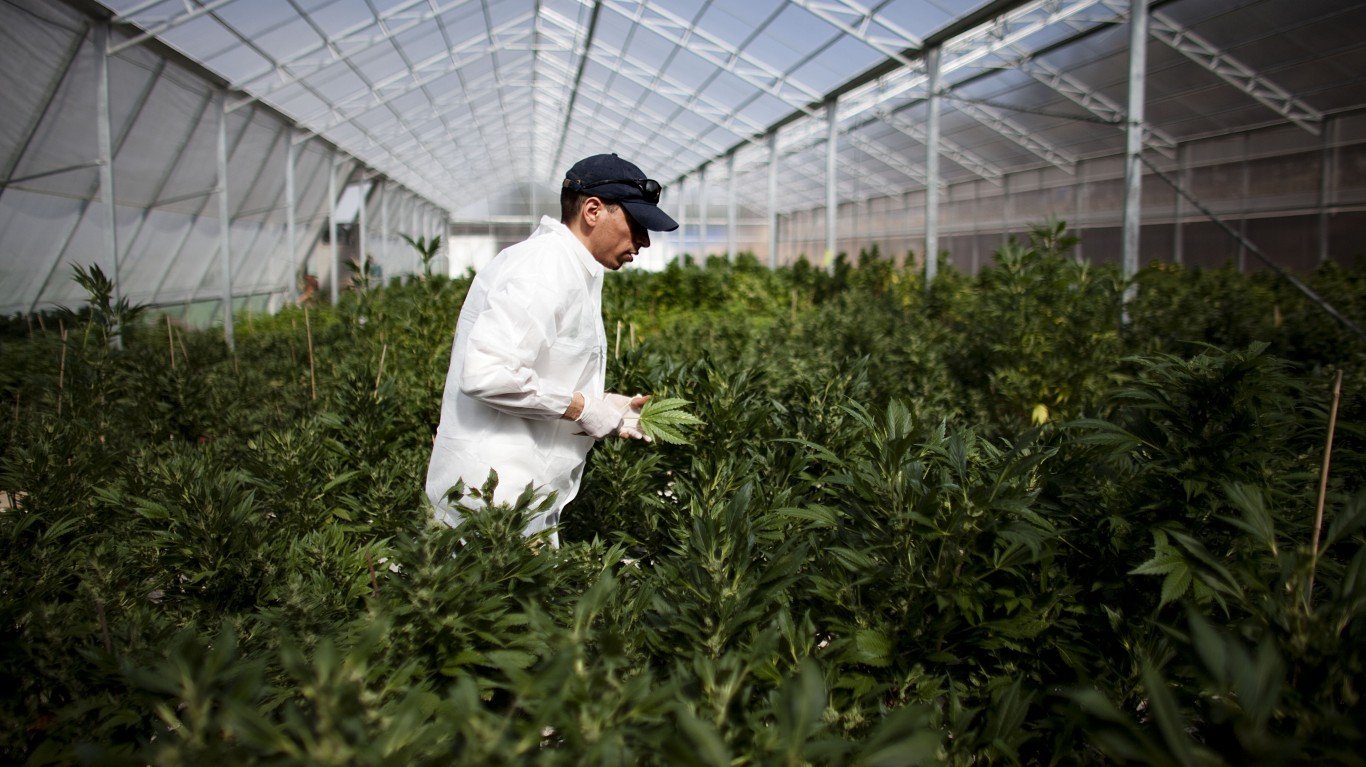
The annual prevalence of cannabis use in Israel is 14%. Recreational cannabis use is illegal but is socially permissible and openly tolerated. Medical cannabis is highly regulated. The medical cannabis industry brought in US$12.4 million in revenue in 2023.
5. Uruguay
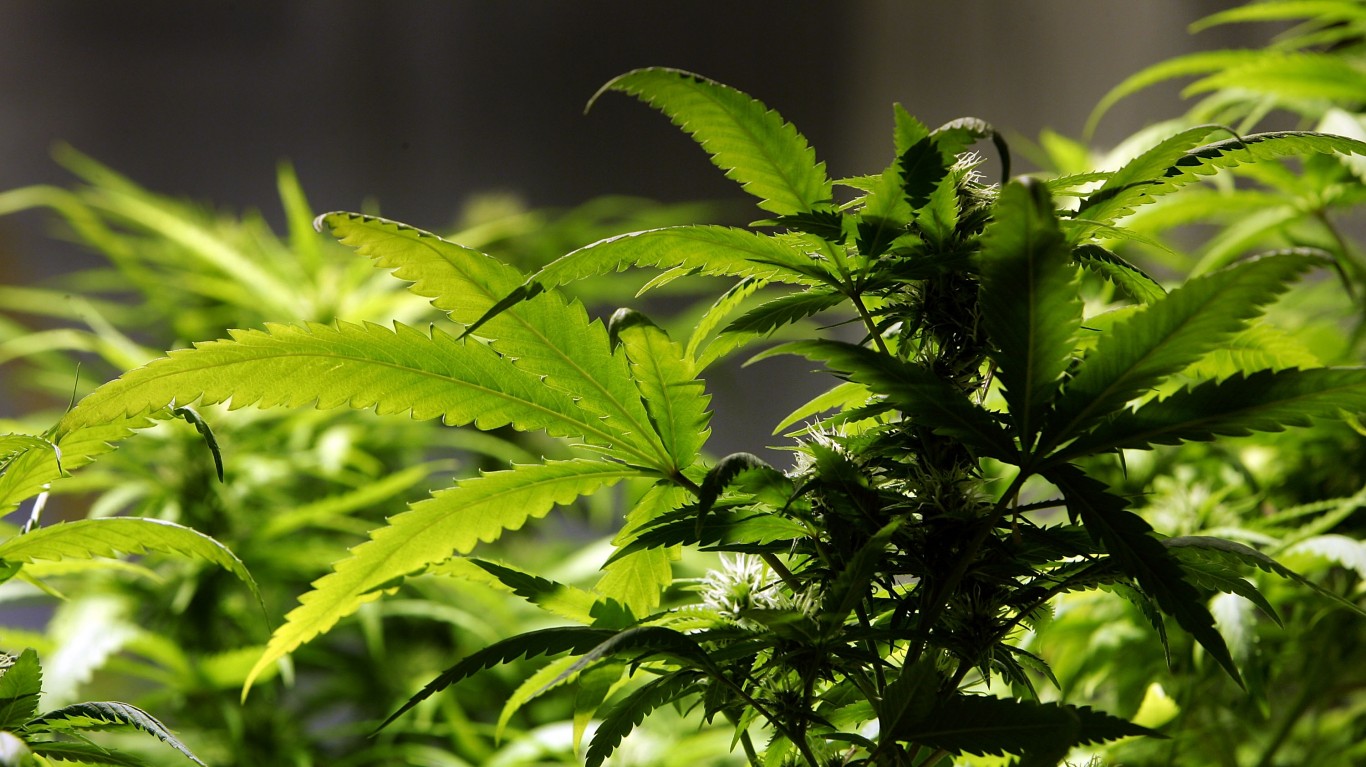
Cannabis has been legal in Uruguay since 2013, so it’s no surprise that the annual prevalence of cannabis use is 14.6%. Uruguay was the very first country ever to legalize cannabis. Since then, cannabis has been one of the most widely used drugs in the nation. Three companies produce weed, and 37 pharmacies are authorized to sell weed. Pharmacies have sold over 10,693,210 grams of cannabis between 2017 and 2019. Cannabis is also one of the country’s largest exports.
4. New Zealand
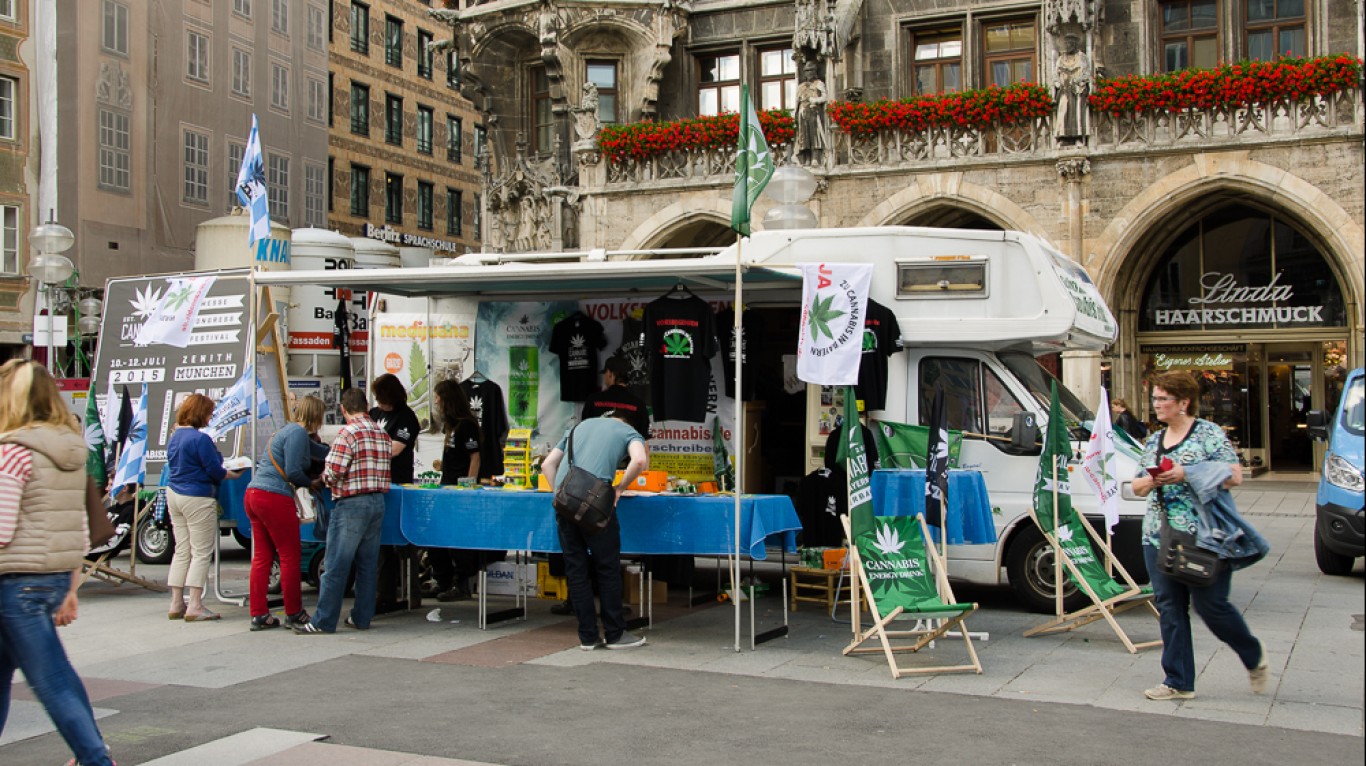
New Zealand has an annual prevalence of cannabis use of 15.3%. Recreational cannabis use is currently illegal in New Zealand, but one in every six citizens between ages 15 and 65 say they use the drug regularly. The medical cannabis market in New Zealand is worth US$28 million. But New Zealand also has a less legal marketplace. Around $1 billion worth of illicit cannabis is consumed in New Zealand annually, which is roughly 74 metric tons.
3. Jamaica
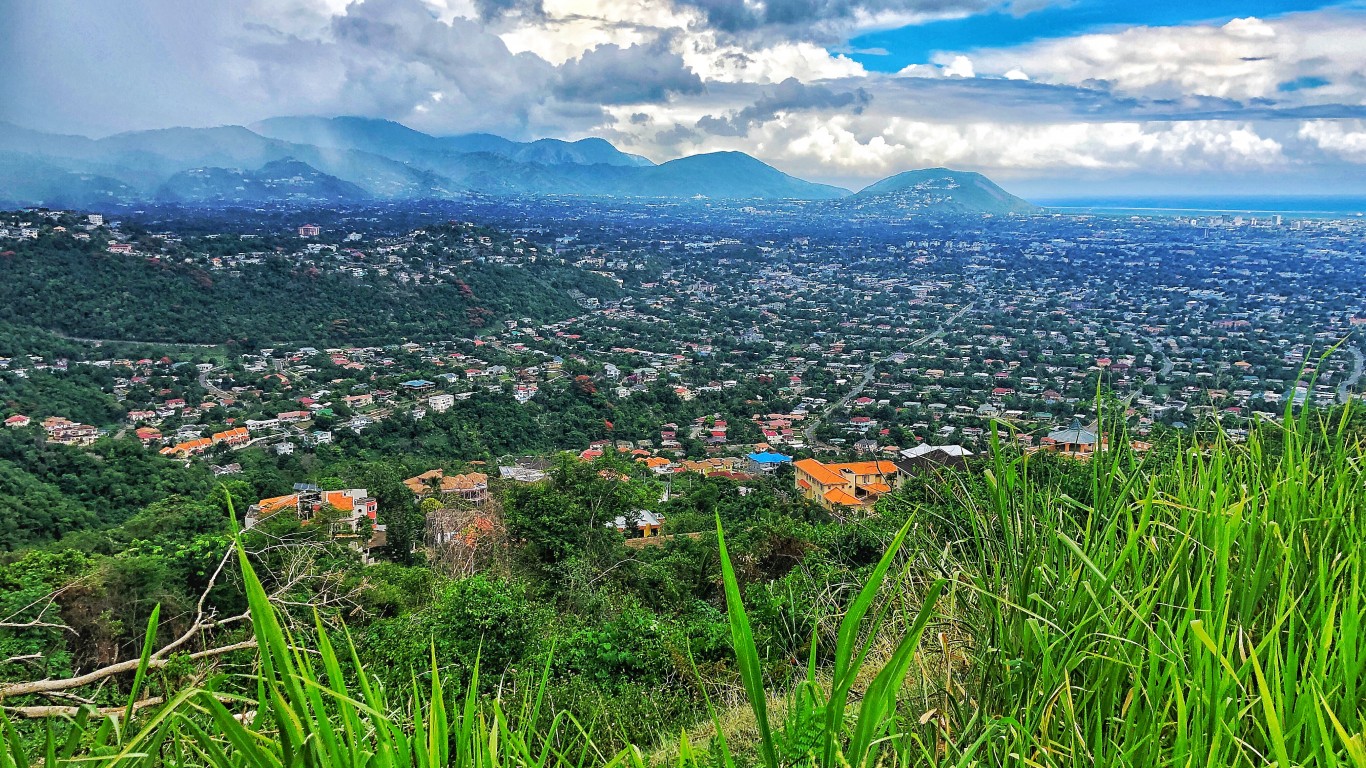
As one of the highest on our list (and, apparently, in the world), Jamaica has an annual cannabis prevalence use of 18%. Medical cannabis sales brought in a revenue of US$38.97 million. Cannabis is referred to as Ganja in Jamaica and is deeply rooted in Jamaica’s history and culture, although currently illegal. Jamaica did, however, decriminalize possession of under 2 ounces and legalized medical cannabis consumption in 2015.
2. Canada
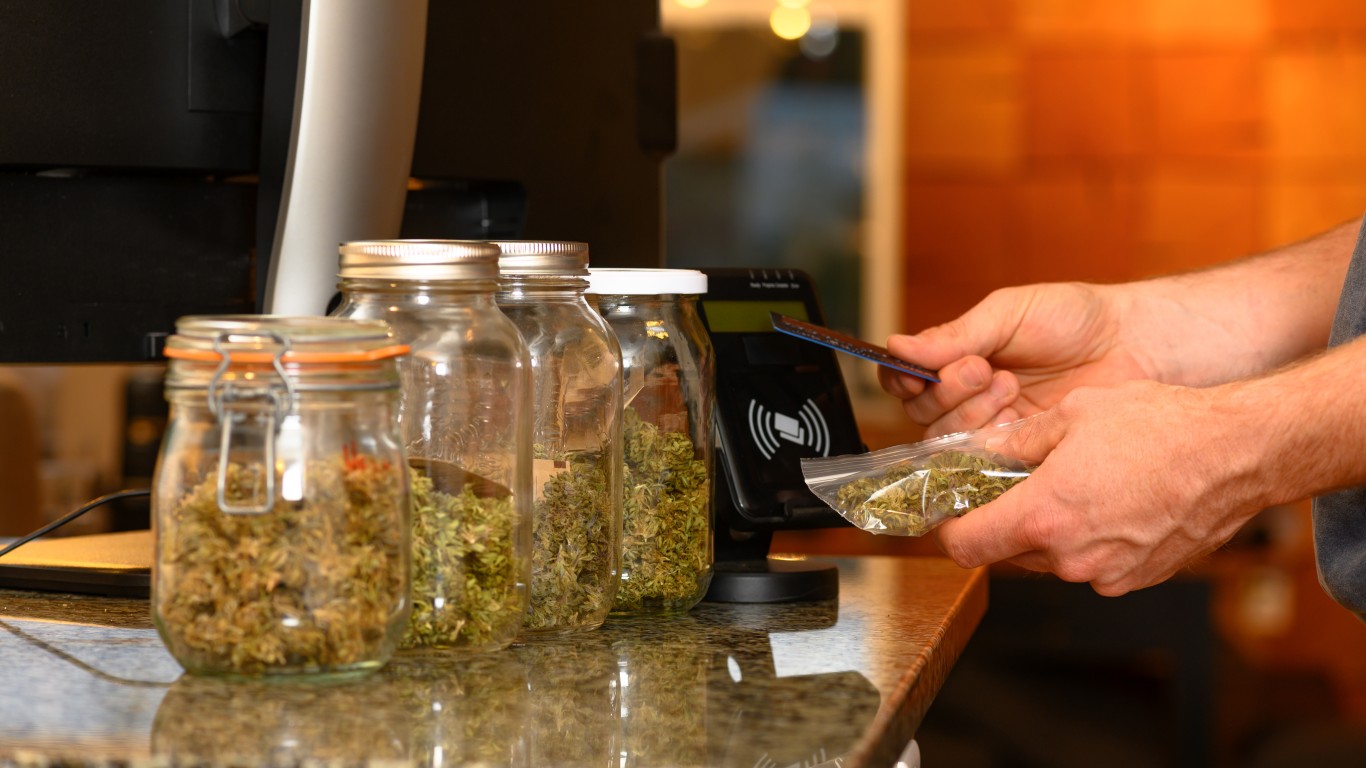
Canada was the first G20 country to legalize cannabis and has set a blueprint for cannabis regulations for the rest of the world. Currently, there are more than 3,000 retail locations in the country. In 2023, recreational cannabis sales brought in a revenue of US$3.8 billion. So it’s no surprise to see Canada, with an estimated annual prevalence of cannabis use at 19%, near the top of our list.
1. United States of America
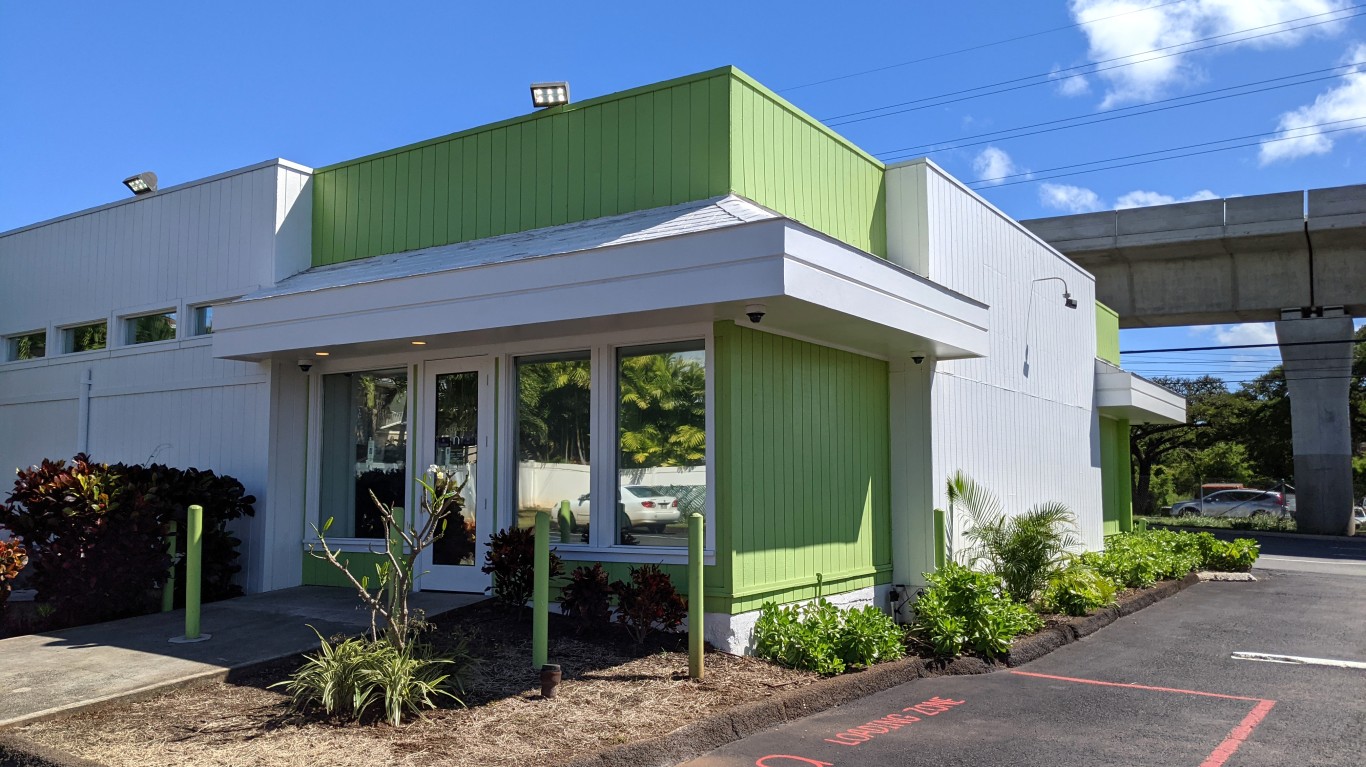
It might not be a surprise — but the largest consumer of both legal and illegal marijuana in the world is the United States. The annual prevalence of cannabis use is 22.8%. Medical and recreational cannabis sales brought in $33.6 billion in revenue in 2023. As of the end of 2023, 24 states as well as the District of Columbia, Guam, and the Northern Mariana Islands have legalized weed, although it still remains federally illegal. Conversations about wider legalization are still ongoing.
California alone is the single largest cannabis market in the world. The U.S. is also at the forefront of cannabis innovation with new products such as vapes, cannabis-infused beverages, and edibles. Curaleaf Holdings, Inc. — a Massachusetts-based company that is the current leader in medical and recreational cannabis distribution — has the largest market share in the regulated market. Curaleaf Holdings also has a presence in the U.K. and Germany.
Contact [email protected] for any questions or corrections.